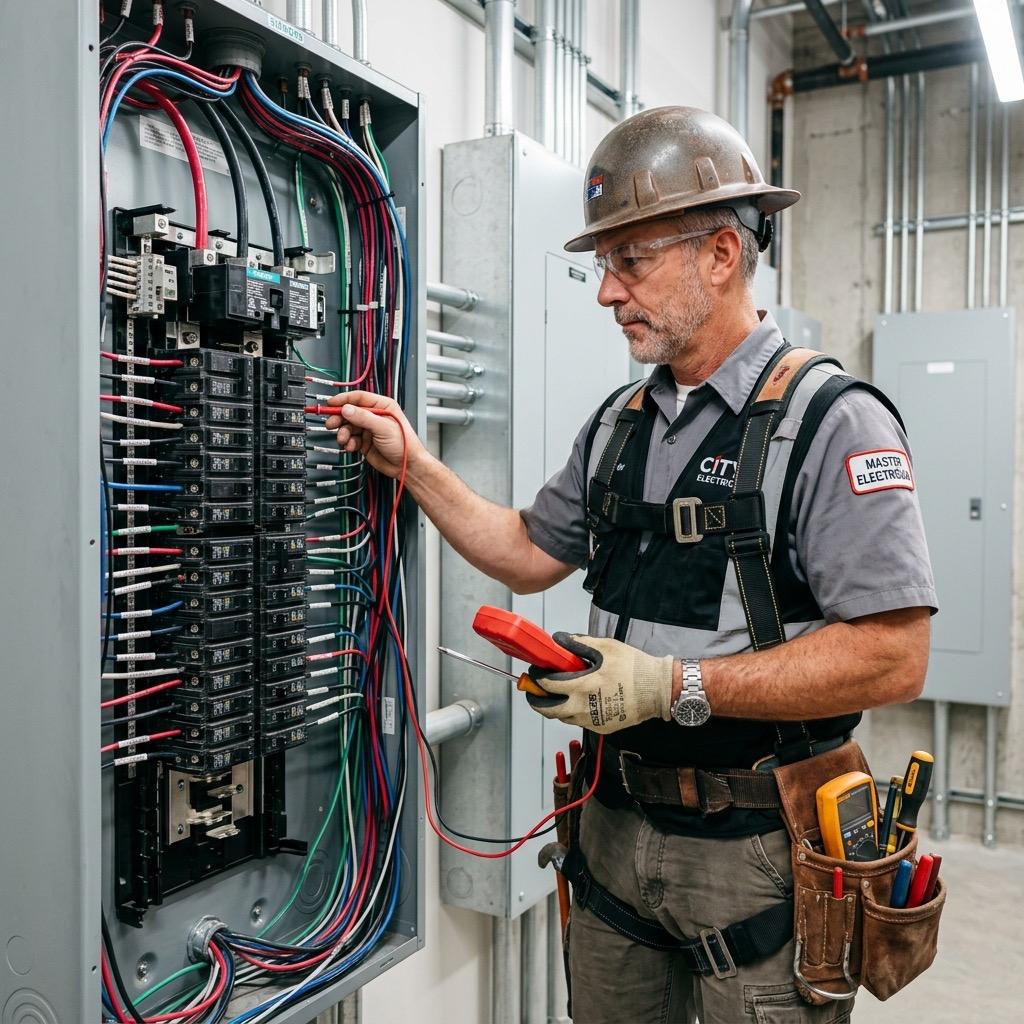
The Difference a Quality Electrician Makes: Why Experience Matters

Understanding how electrician experience directly impacts work quality, safety, and longevity in Northern Virginia

January 24, 2025 22 min read AJ Long Electric

Your Choice Matters More Than You Think

Choosing the wrong electrical company can cost thousands in repairs, create safety hazards, and cause months of headaches. The right choice ensures quality work that lasts decades.

Selecting an electrical company for your Northern Virginia home project is one of the most important decisions you'll make as a homeowner. The electrical contractor you choose will directly impact your family's safety, your home's value, and your long-term costs. With numerous options available in the Fairfax, Arlington, and Alexandria areas, knowing how to evaluate and select the right electrical company is crucial for project success.

Business Longevity: A Critical Success Indicator

Why Years in Business Matter

The electrical industry has a high failure rate for new businesses, with over 60% of electrical contractors closing within their first five years. Companies that have survived and thrived for 10+ years demonstrate competence, reliability, and the ability to maintain customer satisfaction. An established business has weathered economic downturns, maintained consistent quality standards, and built a reputation that keeps customers returning.

Benefits of Established Electrical Companies (10+ Years)

  • • Proven track record of completing projects successfully
  • • Financial stability to honor warranties and callbacks
  • • Established relationships with suppliers for better pricing
  • • Experienced team with advanced skills and certifications
  • • Strong local reputation and community ties
  • • Comprehensive insurance and bonding coverage
  • • Investment in ongoing training and equipment
  • • Deep knowledge of local building codes and inspection requirements
  • • Established processes for quality control and customer service

Red Flags: New or Unstable Companies

Warning Signs to Avoid

  • • Company less than 3 years old without verifiable track record
  • • Frequent business name or location changes
  • • Limited or no local references available
  • • Minimal insurance coverage or bonding
  • • No established business address or professional website
  • • Pricing significantly below market rates
  • • Pressure for immediate decisions or upfront payments
  • • Inability to provide proof of licensing or credentials
  • • No physical office or service vehicles with company branding

What Defines a Quality Electrician in Northern Virginia

Technical Expertise and Knowledge

A quality electrician brings far more than basic wiring skills to your project. They possess comprehensive knowledge of electrical theory, the National Electrical Code (NEC), local jurisdiction requirements, and modern electrical systems. This expertise enables them to diagnose complex issues, recommend optimal solutions, and execute work that meets or exceeds code requirements.

Core Competencies of Quality Electricians

  • Code Mastery: Deep understanding of NEC and local amendments for Virginia, Maryland, and DC
  • Troubleshooting Skills: Ability to diagnose electrical problems efficiently and accurately
  • Load Calculations: Proper sizing of panels, circuits, and equipment for safety and efficiency
  • Modern Technology: Familiarity with smart home systems, EV chargers, and energy-efficient solutions
  • Safety Protocols: Strict adherence to OSHA standards and industry safety practices
  • Communication: Clear explanation of problems, solutions, and costs to homeowners
  • Continuous Learning: Ongoing education to stay current with code changes and new technologies

Professional Standards and Work Quality

Quality electricians take pride in their work, viewing each project as a reflection of their professional reputation. They maintain high standards in every aspect of their service, from initial consultation through final inspection. This commitment to excellence manifests in clean installations, proper documentation, and attention to detail that ensures long-term reliability.

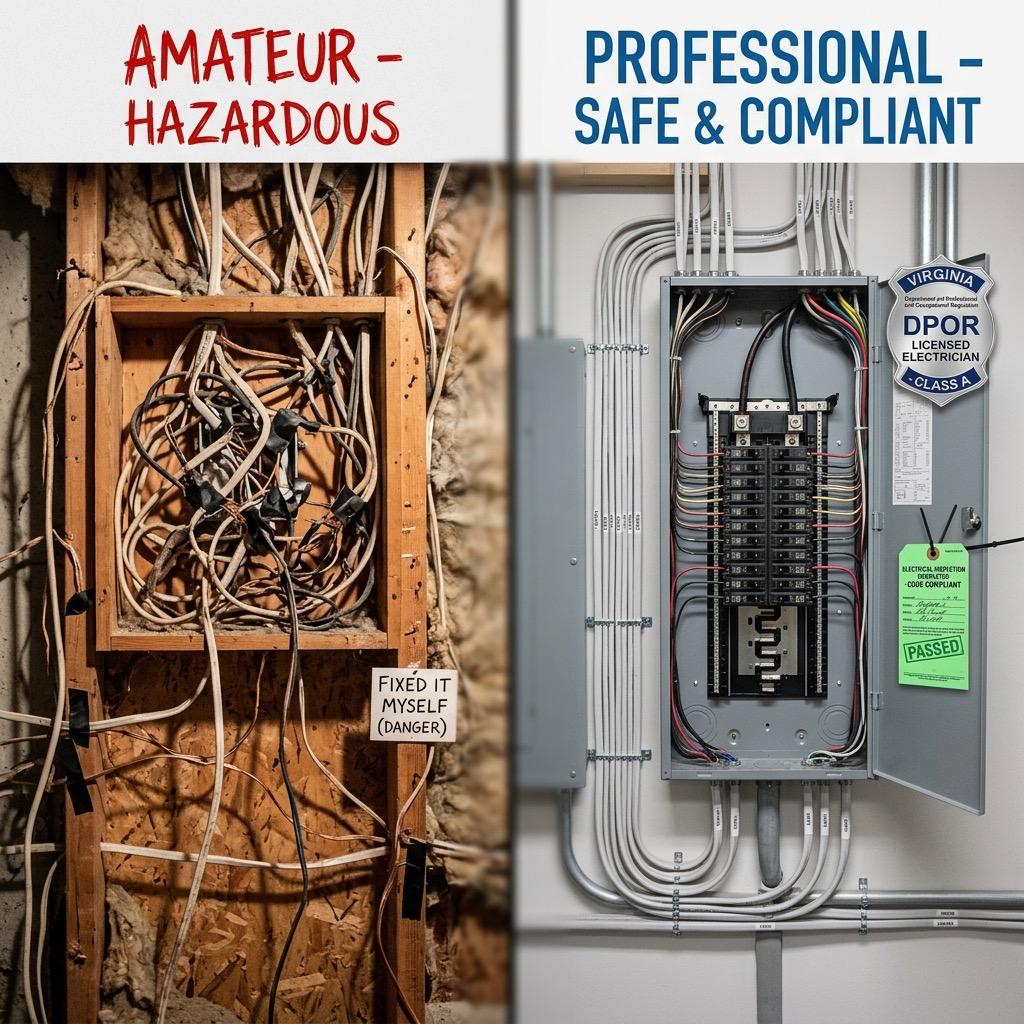
When you hire a quality electrician for panel replacements or electrical troubleshooting, you should expect meticulous workmanship, organized wire management, proper labeling, secure connections, and installations that look as good as they function. These details separate professional work from amateur installations.

Mastering Review Analysis: Beyond the Star Rating

The Strategic Approach to Reading Reviews

Smart customers don't just look at average ratings—they analyze review patterns to understand real customer experiences. Here's how to read reviews like a professional investigator.

Start with 1-Star Reviews: The Truth Detector

Always begin by sorting reviews by lowest rating first. One-star reviews reveal worst-case scenarios and recurring problems:

  • Look for Patterns: Do multiple customers mention the same issues?
  • Assess Responses: How does the company respond to criticism?
  • Evaluate Severity: Are complaints about service quality or just communication?
  • Check Timing: Are negative reviews clustered around specific periods?
  • Consider Context: Are complaints reasonable or unrealistic customer expectations?

Review Volume and Distribution Analysis

Review Count Reliability Level What to Look For
0-10 Reviews Low Insufficient data, new business, or low customer volume
11-50 Reviews Moderate Emerging patterns, check review authenticity
51-100 Reviews Good Reliable patterns, established customer base
100+ Reviews Excellent Strong statistical reliability, proven track record

Common Review Patterns and What They Mean

Negative Review Patterns to Watch

  • "Didn't show up" or "Poor communication": Reliability and professionalism issues
  • "Work had to be redone": Quality control problems
  • "Hidden charges" or "Price changed": Lack of transparency
  • "Damaged property": Carelessness or inadequate insurance
  • "Code violations" or "Failed inspection": Technical competency issues
  • "Unlicensed workers": Legal and safety concerns
  • "Wouldn't provide warranty": Lack of confidence in workmanship

Positive Review Patterns to Seek

  • "On time and professional": Reliability and respect
  • "Explained everything clearly": Communication and expertise
  • "Clean work area": Attention to detail
  • "Fair pricing, no surprises": Transparency and honesty
  • "Went above and beyond": Customer service excellence
  • "Passed inspection first time": Code compliance expertise
  • "Fixed previous electrician's mistakes": Superior technical skills

Multi-Platform Review Strategy

Cross-Reference Multiple Review Platforms

Don't rely on a single review source. Cross-reference these platforms for comprehensive insight:

  • Google Reviews: Most authentic, hard to fake, local focus
  • Better Business Bureau: Complaint resolution and business verification
  • Angie's List/HomeAdvisor: Project-specific reviews with verification
  • Yelp: Detailed experiences, but check for review filtering
  • Facebook: Social verification, community recommendations
  • Nextdoor: Neighborhood-specific experiences and recommendations

Licensing, Insurance, and Professional Credentials

Virginia Licensing Requirements

Virginia regulates electrical contractors through the Department of Professional and Occupational Regulation (DPOR). Understanding these requirements helps you verify that your electrician is properly qualified and legally authorized to perform electrical work.

Virginia Electrician License Classes

  • Master Electrician: Highest level, can plan, lay out, and supervise all electrical work. Required for business ownership.
  • Journeyman Electrician: Can perform electrical work under master electrician supervision. Requires 8,000 hours of training/experience.
  • Apprentice Electrician: Works under direct supervision while completing required training hours.
  • Class A Contractor: Electrical contracting business license for unlimited project value.
  • Class B Contractor: Limited to projects under specific dollar thresholds.

Maryland Licensing Requirements

Maryland electrical licensing is administered by the Maryland Department of Labor. If your property is in Montgomery or Prince George's County, your electrician must hold a valid Maryland license in addition to any Virginia credentials.

Maryland License Types

  • Master Electrician: Can supervise and perform all electrical work in Maryland
  • Journeyman Electrician: Must work under master electrician supervision
  • Residential Electrician: Limited to residential work under certain conditions
  • Special Electrician: Limited scope for specific electrical work types

Important: Montgomery County has additional local licensing requirements beyond state credentials.

Washington DC Licensing Requirements

The District of Columbia requires separate licensing through the DC Board of Industrial Trades. DC has strict enforcement and significant penalties for unlicensed electrical work.

DC Electrician Classifications

  • Master Electrician (Unlimited): Can perform and supervise all electrical work in DC
  • Master Electrician (Limited): Restricted to specific work types or locations
  • Journeyman Electrician: Must work under licensed master electrician
  • Electrical Contractor: Business license for electrical contracting

How to Verify Electrician Licenses

Never take a contractor's word about licensing—always verify independently. Here's how to check credentials in each jurisdiction:

Jurisdiction Verification Website What to Check
Virginia dpor.virginia.gov License status, expiration date, disciplinary actions
Maryland dllr.state.md.us License type, renewal date, complaint history
Washington DC dcra.dc.gov License validity, classifications, violations

The Importance of Insurance and Bonding

Why Insurance Matters to You

Insurance protection is not just a formality—it's your financial safety net if something goes wrong during electrical work. Without proper insurance, you could be held liable for injuries, property damage, or other accidents that occur on your property.

Real-World Scenario: Why Insurance Is Critical

Imagine this scenario: An electrician's helper falls from a ladder while installing a ceiling fan in your home and suffers serious injuries. If the electrical company lacks workers' compensation insurance, the injured worker could sue you, the homeowner, for medical bills and lost wages—potentially hundreds of thousands of dollars.

Or consider this: During a panel replacement, a fire starts due to electrician error, causing $50,000 in smoke and water damage. Without adequate general liability insurance, the contractor may not have the resources to cover repairs, leaving you to file a claim with your homeowner's insurance and potentially facing increased premiums.

Required Insurance Types

Essential Insurance Coverage for Electrical Contractors

  • General Liability Insurance: Covers property damage and bodily injury to third parties. Minimum recommended: $1-2 million per occurrence.
  • Workers' Compensation Insurance: Covers employee injuries on the job. Required by law in most states for companies with employees.
  • Professional Liability Insurance: Covers errors, omissions, or faulty workmanship claims. Also called E&O insurance.
  • Commercial Auto Insurance: Covers company vehicles used for business purposes.
  • Tool and Equipment Insurance: Protects contractor's tools and equipment (less critical for homeowners but indicates professional operation).

Understanding Contractor Bonds

A contractor bond is a three-party agreement that protects homeowners if the contractor fails to complete work, violates contract terms, or doesn't pay subcontractors or suppliers. It's separate from insurance but equally important.

Types of Contractor Bonds

  • License Bond: Required to obtain contractor license in many jurisdictions
  • Contract Bond: Guarantees completion of specific project per contract terms
  • Payment Bond: Ensures subcontractors and suppliers get paid

How to Verify Insurance and Bonding

Always request and verify insurance certificates before work begins. Here's what to ask for:

  1. 1. Request Certificate of Insurance (COI): Ask the contractor to provide a current COI showing all coverage types, policy numbers, and expiration dates.
  2. 2. Verify with Insurance Company: Call the insurance company listed on the certificate to confirm the policy is active and coverage amounts are accurate.
  3. 3. Check Named Insured: Ensure the business name on the policy matches the company you're hiring.
  4. 4. Confirm Coverage Dates: Verify coverage will be active during your entire project timeline.
  5. 5. Ask About Additional Insured: For large projects, ask if you can be added as an additional insured party.
  6. 6. Verify Bond Information: If applicable, confirm bond amount and issuing company.

Critical Red Flags When Hiring an Electrician

Pricing and Payment Red Flags

Warning Signs in Pricing and Payment Practices

  • Significantly Below Market Rates: If pricing seems too good to be true, it usually is. Low-ball quotes often indicate lack of insurance, unlicensed workers, or substandard materials.
  • Large Upfront Payments: Requests for 50% or more payment before work begins. Reputable contractors typically ask for 10-25% deposits.
  • Cash-Only Transactions: Insistence on cash payments to "save on taxes" is illegal and leaves you without paper trail.
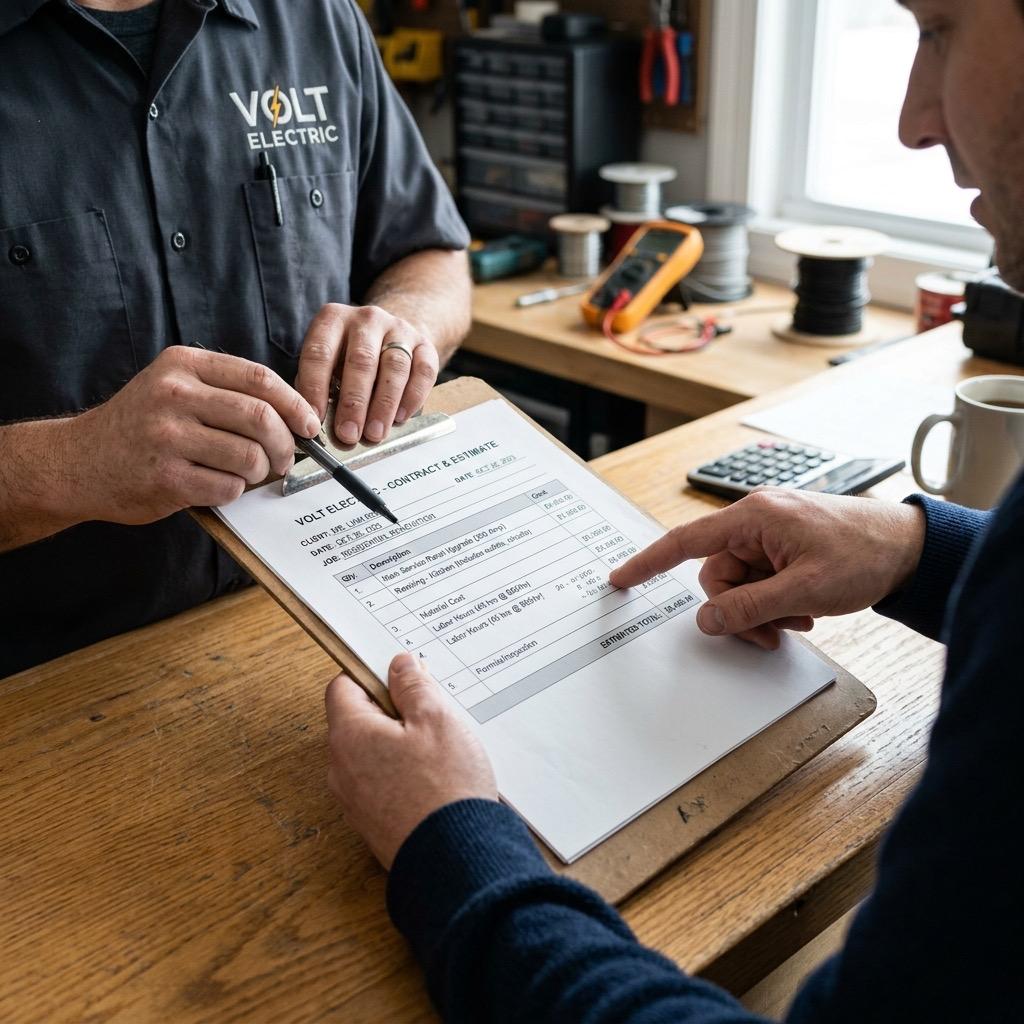
  • No Written Estimate: Verbal quotes only, refusing to provide detailed written estimates.
  • Changing Prices: Significant price increases after work begins without valid change orders.
  • Payment Before Permits: Requesting final payment before obtaining required permits or inspections.

Professionalism and Credibility Red Flags

Concerns About Business Legitimacy

  • No Physical Business Address: Only provides cell phone number, no office location or mailing address.
  • No Branded Vehicles: Shows up in unmarked personal vehicles without company logos or information.
  • Unwilling to Provide References: Cannot or will not provide recent customer references.
  • No Written Contract: Refuses to provide detailed written contract before starting work.
  • Pressure Tactics: High-pressure sales tactics demanding immediate decisions or "limited time" pricing.
  • Evasive About Credentials: Cannot readily provide license numbers or insurance certificates.
  • Poor Communication: Doesn't return calls, misses appointments, or provides vague answers to direct questions.

Technical and Legal Red Flags

Serious Concerns About Work Quality and Legality

  • "Permits Not Needed": Claims that permits aren't required for work that clearly needs them (panel upgrades, service changes, etc.).
  • Cutting Corners: Suggests code violations or shortcuts to save money or time.
  • No Warranty Offered: Refuses to provide written warranty on labor and materials.
  • Unlicensed Workers: Plans to send unlicensed workers without proper supervision.
  • No Inspection Plans: Doesn't mention scheduling required electrical inspections.
  • Can't Explain Work: Unable to clearly explain what work will be done and why it's necessary.
  • Discourages Questions: Becomes defensive or irritated when you ask about methods, materials, or codes.

Step-by-Step: How to Verify Electrician Credentials

Complete Verification Checklist

Use this comprehensive checklist to thoroughly vet any electrical contractor before signing a contract or allowing work to begin on your property.

Pre-Hire Verification Steps

Step 1: Verify Business Legitimacy
  • ☐ Check business registration with Virginia State Corporation Commission
  • ☐ Verify physical business address (not just P.O. Box)
  • ☐ Confirm business has been operating for 5+ years
  • ☐ Search for business on Better Business Bureau
  • ☐ Look up business on Google Maps with photos and reviews
Step 2: Verify Licenses
  • ☐ Ask for license numbers for all jurisdictions where work will be performed
  • ☐ Verify Virginia license at dpor.virginia.gov
  • ☐ Verify Maryland license if applicable at dllr.state.md.us
  • ☐ Verify DC license if applicable at dcra.dc.gov
  • ☐ Check for disciplinary actions or complaints
  • ☐ Confirm licenses are current and not expired
Step 3: Verify Insurance and Bonding
  • ☐ Request current Certificate of Insurance
  • ☐ Call insurance company to verify active coverage
  • ☐ Confirm general liability coverage is minimum $1M
  • ☐ Verify workers' compensation insurance is active
  • ☐ Check bond information if applicable
  • ☐ Ensure coverage dates extend through project completion
Step 4: Check References and Reviews
  • ☐ Request 3-5 recent customer references
  • ☐ Actually call references and ask detailed questions
  • ☐ Read Google reviews (sort by lowest first)
  • ☐ Check BBB for complaints and resolution
  • ☐ Look at reviews across multiple platforms
  • ☐ Search for company name + "complaints" online
Step 5: Evaluate Professionalism
  • ☐ Assess communication responsiveness and clarity
  • ☐ Review written estimate for detail and completeness
  • ☐ Verify they plan to pull required permits
  • ☐ Confirm warranty terms in writing
  • ☐ Ask about their process for code compliance
  • ☐ Evaluate overall professionalism and knowledge

Questions to Ask Before Hiring

Don't be shy about asking tough questions. Reputable contractors welcome scrutiny and will answer confidently and thoroughly.

Essential Questions for Your Contractor Interview

  1. 1. How long have you been in business, and how long has your company been operating?
  2. 2. Can you provide your license number so I can verify it with the state?
  3. 3. Do you carry general liability and workers' comp insurance? Can you provide certificates?
  4. 4. Will you pull the necessary permits for this work? Who pays for permits?
  5. 5. Who will actually be doing the work? Are they licensed and employed by your company?
  6. 6. What warranty do you provide on labor and materials?
  7. 7. Can you provide 3-5 references from recent similar projects?
  8. 8. What is your timeline for this project? When can you start and finish?
  9. 9. How do you handle change orders or unexpected issues?
  10. 10. What is your payment schedule? Do you require deposits?

Frequently Asked Questions

How do I verify an electrician's license in Virginia?

Visit the Virginia Department of Professional and Occupational Regulation (DPOR) website at dpor.virginia.gov and use their license lookup tool. Enter the electrician's name or license number to verify their status, expiration date, and any disciplinary actions. For Maryland, check the Maryland Department of Labor at dllr.state.md.us, and for DC, visit the DC Department of Consumer and Regulatory Affairs at dcra.dc.gov.

What insurance should a quality electrician have?

A reputable electrical contractor should carry general liability insurance (minimum $1-2 million), workers' compensation insurance for all employees, and professional liability insurance. They should also be bonded to protect customers in case of incomplete work or contract violations. Always ask for certificates of insurance before work begins and verify them directly with the insurance company.

What are the red flags when hiring an electrician?

Major red flags include: no valid license or insurance, requests for large upfront payments (over 25%), significantly below-market pricing, no physical business address, unwillingness to provide references, pressure for immediate decisions, no written contract or warranty, claims that permits aren't needed for work that requires them, and evasiveness about credentials. If you encounter any of these warning signs, continue your search.

How much experience should my electrician have?

For standard residential work like outlet installation or lighting upgrades, look for electricians with at least 5-10 years of experience. For complex projects like panel upgrades, whole-home rewiring, or generator installations, seek contractors with 10+ years of experience and specific expertise in those areas. The company itself should also have longevity—established for at least 5 years to ensure they'll be around to honor warranties and callbacks.

What makes a quality electrician in Northern Virginia?

A quality electrician in Northern Virginia combines proper licensing in all applicable jurisdictions (Virginia, Maryland, DC as needed), comprehensive insurance coverage, years of hands-on experience, ongoing education to stay current with code changes, strong customer reviews across multiple platforms, transparent pricing without hidden fees, clear communication skills, and demonstrated commitment to safety and code compliance. They should be familiar with local requirements in Fairfax, Arlington, Alexandria, and surrounding areas, and maintain a professional business presence with branded vehicles, physical office location, and proper documentation.

Do electricians need different licenses for Virginia, Maryland, and DC?

Yes, electrician licenses are jurisdiction-specific and are not transferable between states or DC. Virginia requires state licensing through DPOR. Maryland requires separate licensing through the Maryland Department of Labor (with additional requirements for Montgomery County). Washington DC requires licensing through the DC Board of Industrial Trades. If your electrician works across these areas—common in Northern Virginia—they should hold valid, current licenses for each jurisdiction where they perform work. Always verify licenses in the specific jurisdiction where your project is located.

Making the Right Choice for Your Home

Choosing a quality electrician for your Northern Virginia home is about more than just finding someone to complete a task—it's about ensuring your family's safety, protecting your investment, and getting work that will serve you reliably for decades. By taking the time to verify credentials, check reviews thoroughly, confirm insurance and bonding, and watch for red flags, you dramatically increase your chances of a successful project outcome.

The electrical work in your home is too important to leave to chance or to make decisions based solely on price. An experienced, licensed, and properly insured electrical contractor brings value that far exceeds any initial cost savings you might find with a less qualified alternative. They bring code compliance, safety expertise, quality workmanship, warranty protection, and peace of mind.

Whether you're planning a panel upgrade, need electrical troubleshooting, or have other electrical needs in Fairfax, Arlington, or surrounding areas, use this guide to make an informed decision. Your home and family deserve nothing less than a qualified, experienced professional.

Work With Licensed, Experienced Professionals

AJ Long Electric brings decades of combined experience serving Northern Virginia homeowners. We're fully licensed in Virginia, Maryland, and DC, carry comprehensive insurance, and maintain an A+ BBB rating with hundreds of five-star reviews.