The Foundation of a Modern Home
Smart home technology is rapidly becoming standard in Northern Virginia. A robust electrical infrastructure isn't just a luxury—it's essential for safety, convenience, and future-proofing your property.
Smart home technology has revolutionized how we interact with our living spaces, offering unprecedented convenience, energy efficiency, and security. However, a seamless smart home experience depends entirely on the quality of its electrical backbone. This guide covers everything Northern Virginia homeowners need to know about smart home electrical wiring.
Smart Home Electrical Fundamentals
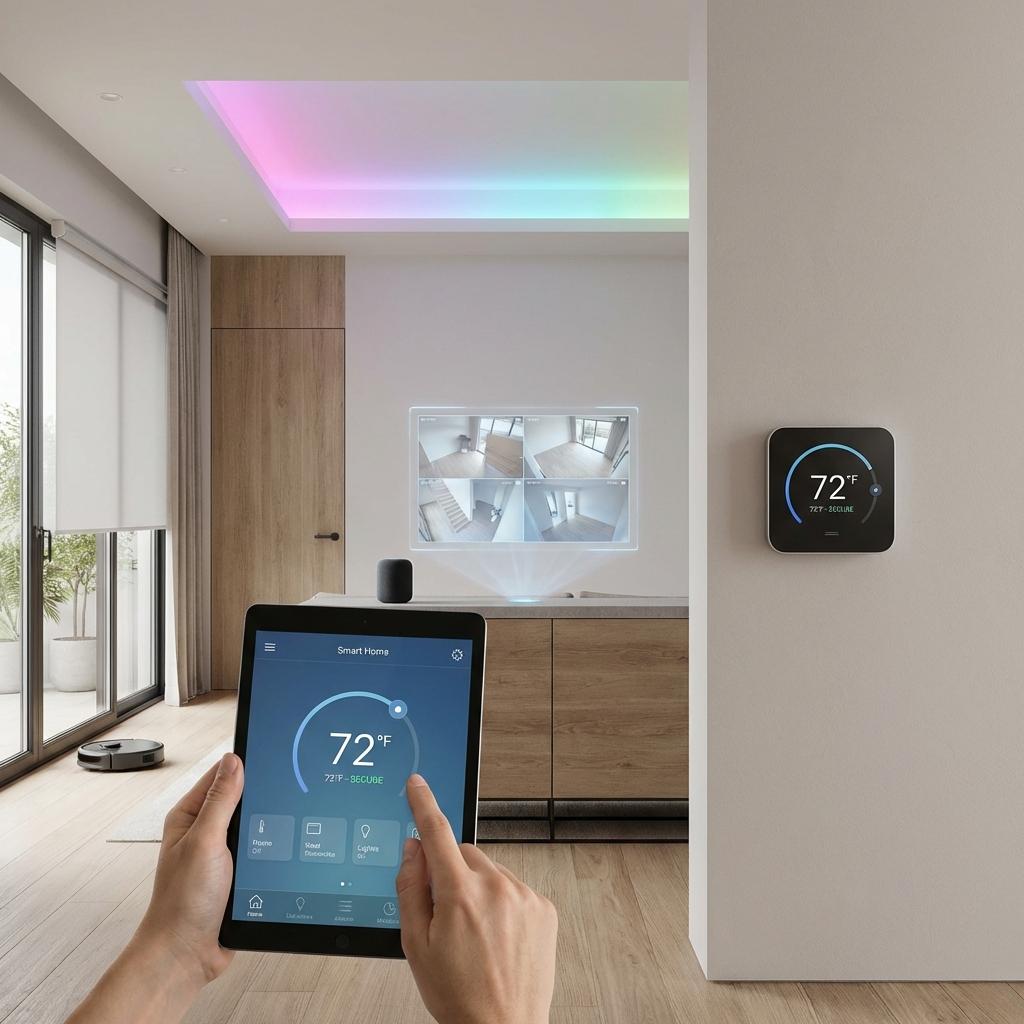
A smart home uses a network of connected devices to automate and control systems like lighting, climate, security, and entertainment. This network relies on two key infrastructures: your electrical wiring and your home network.
Power Infrastructure
- 200-amp service (recommended minimum)
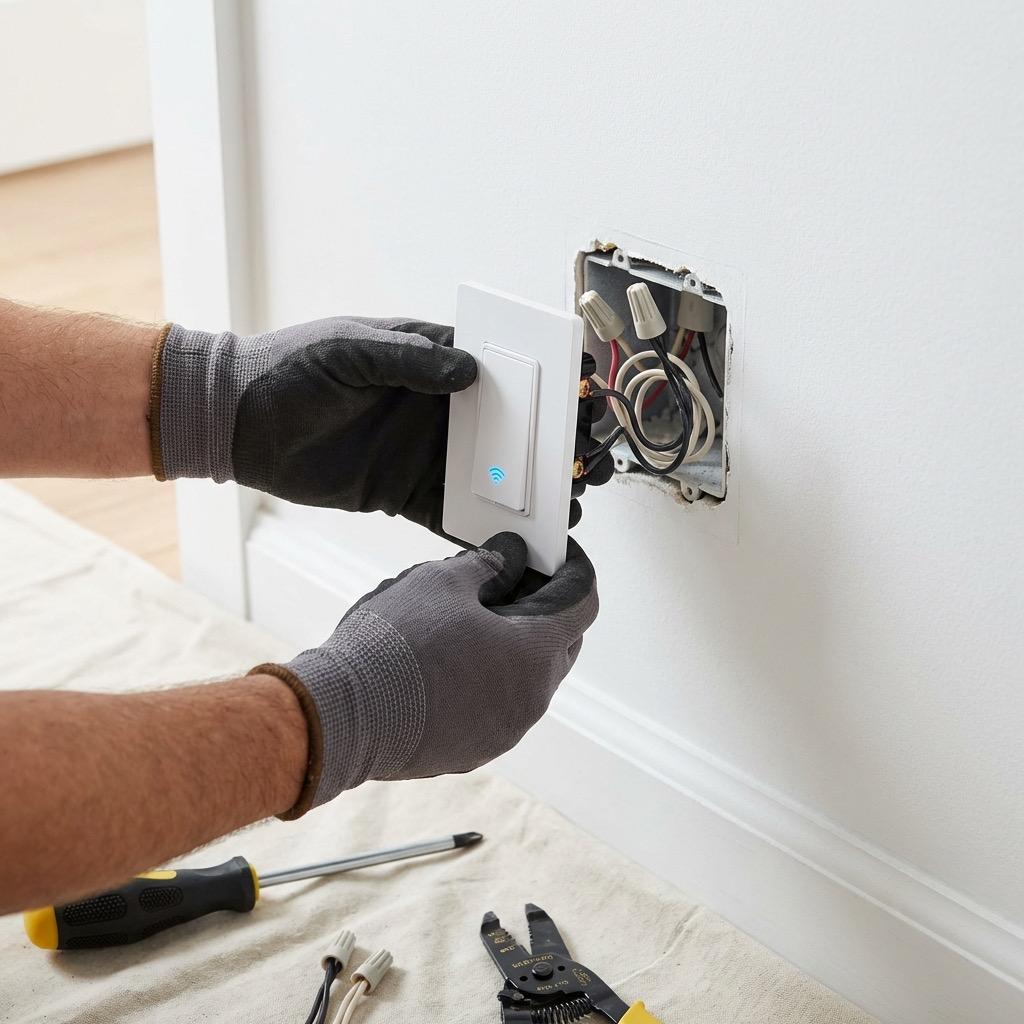
- Neutral wires in all switch boxes
- Whole-home surge protection
- Dedicated circuits for high-power devices
Network Infrastructure
- Strong, reliable Wi-Fi coverage
- Ethernet wiring for critical devices
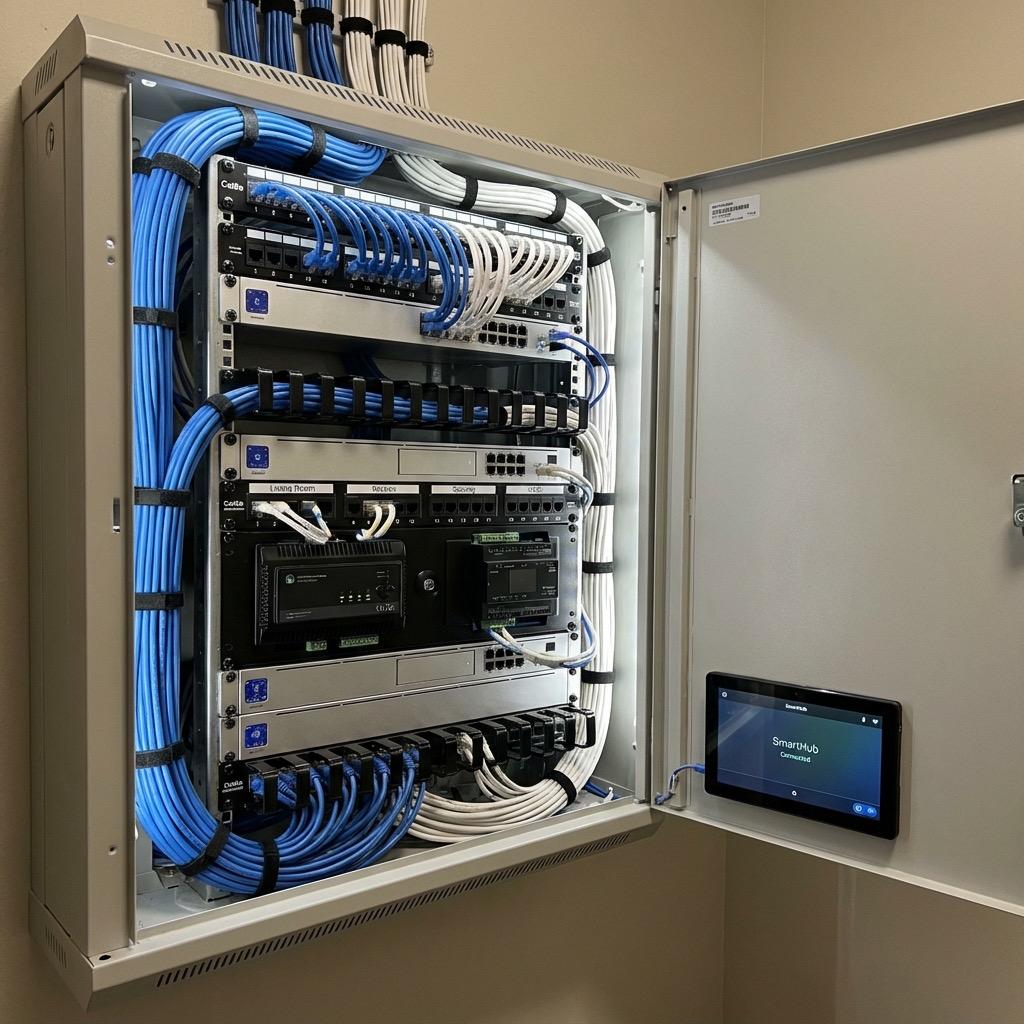
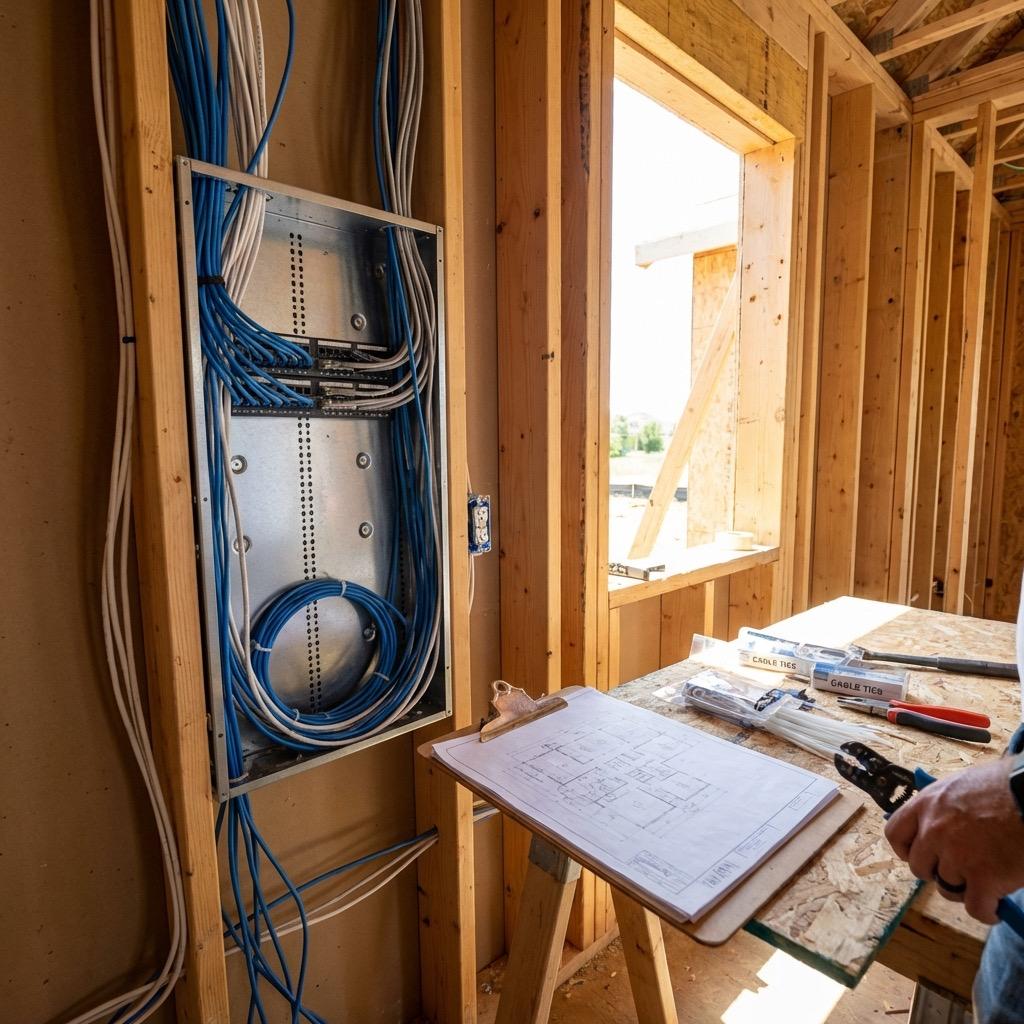
- Structured wiring for organization
- Centralized networking equipment
Understanding Electrical Load Requirements
Before diving into smart home upgrades, it's crucial to understand your home's electrical capacity. Northern Virginia homes built before 2000 typically have 100-150 amp service, which may struggle to support modern smart home demands.
Typical Smart Home Electrical Loads:
- Smart lighting system (whole home)10-15 amps
- Home automation hub and network2-5 amps
- Smart HVAC system15-30 amps
- Security system with cameras5-10 amps
- Entertainment system (smart TV, audio)8-15 amps
- Level 2 EV charger30-50 amps
These estimates don't include baseline household loads like appliances, water heaters, and HVAC equipment. A professional load calculation is essential for safe smart home planning.
Wiring for Key Smart Device Categories
Smart Lighting Systems
Key Requirement: The Neutral Wire
Most smart switches require a neutral wire to maintain a constant power connection for their internal electronics. Many older homes in Northern Virginia lack neutral wires in switch boxes, which is a common hurdle that a qualified electrician can resolve.
Smart lighting offers more than simple on/off control. Modern systems provide dimming, color temperature adjustment, scheduling, and integration with other smart devices. However, proper wiring is essential for reliable operation.
Smart Switch Types
- Wi-Fi Switches: Connect directly to your network, no hub required
- Zigbee/Z-Wave: Require a hub but create mesh networks for better reliability
- Thread/Matter: Newer protocols designed for better interoperability
- Hardwired Dimmer Modules: Professional-grade solutions for complex installations
Installation Considerations
- Load compatibility with LED bulbs
- Multi-way switch configurations
- Electrical box depth for smart switch depth
- Heat dissipation in enclosed spaces
Smart Outlets and Power Management
Smart outlets offer remote control, scheduling, and energy monitoring for any device you plug into them. They are a simple way to make lamps, fans, and small appliances "smart."
Smart Outlet Features
- Remote control via smartphone
- Scheduling and timer functions
- Energy monitoring
- Voice control integration
Installation Considerations
- GFCI/AFCI code requirements
- Integrated USB charging ports
- Deeper electrical box may be needed
Whole-Home Automation Systems
While individual smart devices provide convenience, a comprehensive whole-home automation system transforms your house into an integrated, intelligent environment. These systems coordinate multiple technologies to create seamless experiences that respond to your lifestyle.
Centralized vs. Distributed Control
Centralized Systems
Professional automation systems like Control4, Crestron, or Savant offer enterprise-level integration:
- Single interface controls all systems
- Custom programming for complex automation
- Dealer-installed and supported
- Higher reliability and performance
- Requires structured wiring and dedicated circuits
Distributed Systems
Consumer platforms like SmartThings, Home Assistant, or Hubitat provide flexible, expandable control:
- Mix-and-match devices from different brands
- User-configurable automation
- Lower upfront costs
- Cloud-dependent or local processing options
- Easier to retrofit in existing homes
Electrical Requirements for Automation Hubs
Central Hub Electrical Needs
- Dedicated Circuit: A dedicated circuit for your networking and automation hub prevents interference and ensures clean power.
- UPS Backup: An Uninterruptible Power Supply (UPS) keeps your system online during power outages, maintaining security and climate control.
- Structured Wiring Closet: A ventilated closet to house the hub, router, switches, and related equipment. Proper cooling is essential.
- Network Cabling: Cat 6A or better ethernet runs to all entertainment centers, security cameras, and access points.
- Power Conditioning: Surge protection and power filtration to protect sensitive electronics.
Integration Capabilities
A properly designed whole-home automation system can coordinate:
- Climate Control: Smart thermostats that adjust based on occupancy, time of day, and outdoor conditions. Integration with window sensors prevents heating/cooling when windows are open.
- Security Systems: Cameras, door locks, motion sensors, and glass break detectors working together with automated lighting and alerts.
- Entertainment: Distributed audio/video, automated shade control for optimal viewing, and scene-based lighting.
- Water Management: Leak detection, automatic shutoff valves, and smart irrigation systems.
- Energy Management: Solar panels, battery storage, and load management working together to optimize energy usage and costs.
Smart Electrical Panel Technology
Traditional electrical panels are simple: they distribute power and protect circuits from overload. Smart panels take this foundation and add intelligence, monitoring, and control capabilities that transform how you manage your home's electrical system.
Leading Smart Panel Systems
Span Panel
The Span Smart Panel is designed for modern homes with solar, batteries, and EV chargers.
- Circuit-level monitoring
- Remote on/off control
- Battery backup integration
- Smart load management
- Smartphone app control
Lumin Smart Panel
Lumin focuses on intelligent load management and backup power optimization.
- Automatic load shedding
- Battery extension modes
- Solar integration
- Energy cost tracking
- Weather-based predictions
Schneider Electric
Established electrical manufacturer offering smart panel solutions for residential use.
- Commercial-grade reliability
- Modular expansion options
- Integration with existing systems
- Professional monitoring
- Advanced analytics
Smart Panel Capabilities
What Smart Panels Can Do:
Monitoring & Analytics
- Real-time energy consumption by circuit
- Historical usage trends and predictions
- Cost tracking with utility rate integration
- Abnormal usage alerts (potential issues)
- Carbon footprint calculation
Control & Automation
- Remote circuit control via smartphone
- Automatic load prioritization during outages
- EV charging optimization
- Time-of-use rate optimization
- Integration with solar and battery systems
When to Consider a Smart Panel
Smart panels are particularly valuable for Northern Virginia homeowners who:
- Have or plan to install solar panels and battery backup systems
- Own or will purchase an electric vehicle requiring a Level 2 charger
- Are building a new home or doing a major renovation
- Want to optimize energy usage and reduce utility costs
- Need to maximize limited electrical capacity without a service upgrade
Important Consideration
Smart panels typically cost $4,000-$8,000+ installed, compared to $1,500-$3,000 for a traditional panel replacement. The investment makes sense when you need panel replacement anyway and want to add solar, batteries, or EV charging. For comprehensive electrical upgrades, check out our whole-home rewiring services in Northern Virginia.
EV Charger Integration with Smart Home Systems
Electric vehicle adoption is accelerating across Northern Virginia, and the intersection of EV charging with smart home technology creates powerful opportunities for energy management and cost savings.
Smart EV Charging Capabilities
Intelligent Charging Control
- Time-of-Use Optimization: Automatically charge during off-peak hours when electricity rates are lowest (typically 11 PM - 7 AM in Northern Virginia)
- Solar Integration: Prioritize solar energy for charging when available, reducing grid dependence
- Battery Storage Coordination: Work with home batteries to balance charging, storage, and grid usage
- Dynamic Load Management: Reduce charging speed when home electrical demand is high
Smart Panel Integration Benefits
- Overload Prevention: Smart panels prevent circuit overloads by temporarily reducing EV charging when other high-load devices activate
- No Service Upgrade Required: Load management can enable Level 2 charging on homes that would otherwise need electrical service upgrades
- Remote Monitoring: Check charging status, energy usage, and costs from anywhere
- Cost Tracking: Precise tracking of EV charging costs separate from home usage
EV Charger Electrical Requirements
Understanding the electrical demands of EV charging is crucial for proper smart home integration:
| Charger Type | Circuit Required | Charging Speed | Smart Features |
|---|---|---|---|
| Level 1 (120V) | 15-20 amp standard outlet | 3-5 miles/hour | Limited |
| Level 2 (240V) - Basic | 30-40 amp dedicated | 15-25 miles/hour | Basic scheduling |
| Level 2 (240V) - Standard | 40-50 amp dedicated | 25-35 miles/hour | Wi-Fi, app control |
| Level 2 (240V) - High Power | 60-80 amp dedicated | 35-50 miles/hour | Full smart integration |
Most Northern Virginia homeowners install 40-50 amp Level 2 chargers, which provide a full charge overnight for most EVs.
Recommended Smart EV Chargers
Modern smart EV chargers offer varying levels of home automation integration. Popular models for Northern Virginia include:
- ChargePoint Home Flex: Excellent app control, scheduling, and energy tracking. Compatible with most smart home platforms.
- Tesla Wall Connector: Best integration for Tesla vehicles, Wi-Fi enabled with load sharing between multiple units.
- JuiceBox: Strong smart features including solar integration, Alexa/Google support, and detailed analytics.
- Emporia Smart EV Charger: Budget-friendly with comprehensive monitoring and scheduling capabilities.
For professional EV charger installation with proper smart home integration, see our detailed EV charger installation services page. We serve all of Northern Virginia including McLean, Vienna, and surrounding communities.
Smart Home Upgrades for Older Northern Virginia Homes
Bringing smart technology to older homes presents unique challenges, but with professional help, they are entirely surmountable.
Common Challenges
- No neutral wires in switch boxes
- Outdated, low-capacity electrical panels
- Lack of proper grounding
- Plaster walls that hinder new wiring
- Knob-and-tube or aluminum wiring
- Insufficient number of circuits
Effective Solutions
- Panel upgrades to 200-amp service
- Running new neutral wires
- Using smart switches that don't require a neutral
- Wireless mesh networks to bypass wiring issues
- Strategic circuit additions for high-demand areas
- Surface-mounted conduit for minimal wall damage
Phased Smart Home Retrofits
For older homes, a phased approach to smart home integration often makes the most sense financially and practically:
Phase 1: Foundation (Months 1-2)
- Electrical panel assessment and upgrade if needed
- Add whole-home surge protection
- Install structured wiring for network equipment
- Verify grounding and update if necessary
Phase 2: Core Systems (Months 3-4)
- Smart lighting in main living areas
- Smart thermostat installation
- Security system foundation (cameras, doorbell)
- Central automation hub setup
Phase 3: Expansion (Months 5-6)
- Complete whole-home lighting control
- Smart outlets in strategic locations
- Entertainment system integration
- Advanced automation scenes and routines
Phase 4: Advanced Features (Months 7+)
- EV charger installation
- Solar panel and battery backup integration
- Smart panel upgrade if desired
- Water management and irrigation automation
Future-Proofing Your Smart Home Electrical System
Technology evolves rapidly. Smart investments in your electrical infrastructure today will support tomorrow's innovations and protect your home's value.
Key Future-Proofing Strategies
-
Structured Wiring with Conduit:
Install Cat 6A ethernet cabling to key locations throughout your home, but more importantly, install conduit (PVC pipes) in walls that allow you to pull new cables in the future without opening walls. This is the single best investment for long-term flexibility.
-
Oversized Electrical Service:
If you're upgrading your panel, consider 200-amp service as the minimum, but 400-amp service provides exceptional room for growth. Future additions like multiple EV chargers, home batteries, pool equipment, or heat pump systems will thank you. The incremental cost during initial installation is much less than upgrading later.
-
Whole-Home Surge Protection:
Modern smart homes contain thousands of dollars in sensitive electronics. Type 1 and Type 2 surge protection installed at the panel level protects your entire home from voltage spikes caused by lightning, grid issues, or utility work. This is especially important in Northern Virginia where summer thunderstorms are common.
-
Additional Circuits in Key Areas:
Add extra circuits to home offices, garages, and outdoor spaces even if you don't need them immediately. The cost is minimal during renovation but expensive later. Include 240V outlets in garages for future EV chargers or workshop equipment.
-
Neutral Wires Everywhere:
Ensure all switch boxes have neutral wires, even if you're installing traditional switches initially. This $10-20 investment per box now prevents $100-200 in retrofit costs later when you want smart switches.
-
Dedicated Network Closet:
Designate a climate-controlled closet or small room for networking and automation equipment. Include multiple dedicated 20-amp circuits, proper ventilation, and organized cable management infrastructure. This becomes the nerve center of your smart home.
Emerging Technologies to Consider
On the Horizon: 2025-2030
- Matter Protocol: Universal smart home standard making devices work together seamlessly. Ensure new purchases support Matter.
- Vehicle-to-Home (V2H): Use your EV's battery to power your home during outages. Requires specific electrical infrastructure.
- DC Power Distribution: Experimental systems that eliminate AC-DC conversion losses. Early adoption is expensive but efficiency gains are significant.
- AI-Driven Energy Management: Systems that learn your patterns and optimize energy usage automatically, reducing costs by 20-40%.
- Quantum Dot Lighting: Next-generation lighting with unprecedented color rendering and efficiency. Uses standard fixtures and wiring.
Why Professional Installation is Crucial
Safety, Reliability, and Code Compliance
DIY electrical work is risky and often illegal for non-licensed individuals in Virginia. A professional electrician ensures your smart home is not only functional but also safe, code-compliant, and reliable for years to come. Improper installation can lead to fire hazards, insurance issues, and expensive repairs. Virginia requires permits for most electrical work, and inspections ensure work meets National Electrical Code (NEC) standards.
What Professional Installation Includes
Pre-Installation Assessment
- Load calculation and capacity planning
- Existing wiring condition assessment
- Network infrastructure evaluation
- Future expansion planning
- Budget and timeline development
Installation Excellence
- Code-compliant electrical work
- Proper device configuration and testing
- Network optimization for smart devices
- System integration and automation setup
- Homeowner training and documentation
Frequently Asked Questions
Do I need to upgrade my electrical panel for a smart home?
Most smart home devices require a 200-amp electrical panel for reliable operation. If your Northern Virginia home has an older 100-amp or 150-amp panel, upgrading is highly recommended to support smart devices, future expansion, and devices like EV chargers. The cost of a panel upgrade typically ranges from $2,000-$4,000 but provides the foundation for safe, reliable smart home operation.
Can I install smart switches in my older home without neutral wires?
Yes, you have two options: 1) Use smart switches specifically designed to work without neutral wires (brands like Lutron Caseta and Inovelli offer these options), or 2) Have a licensed electrician add neutral wires to your switch boxes. The second option provides more flexibility for future smart device installations and typically costs $75-150 per switch box depending on accessibility.
What is a smart electrical panel and do I need one?
Smart electrical panels like Span and Lumin offer circuit-level monitoring, remote control, and intelligent load management. They're especially valuable for homes with solar panels, battery backup systems, or EV chargers. While not required for basic smart home functionality, they provide advanced energy management capabilities that can pay for themselves through energy savings. Smart panels typically cost $4,000-$8,000 installed.
How much does professional smart home electrical wiring cost in Northern Virginia?
Costs vary significantly based on scope. Basic installations (5-10 smart switches/outlets) typically range from $800-$2,500. Whole-home automation with panel upgrades can range from $5,000-$15,000+. Factors affecting cost include home size, existing electrical infrastructure condition, desired features, and level of automation. Contact us for a detailed estimate based on your specific needs and goals.
Can smart home electrical systems integrate with my EV charger?
Absolutely. Modern smart panels can intelligently manage EV charging to prevent overloading your electrical system. They can automatically reduce charging speed during peak usage times or schedule charging during off-peak hours for cost savings (typically 11 PM - 7 AM in Northern Virginia when rates are lowest). This integration requires proper electrical infrastructure, a compatible smart panel or energy management system, and professional installation to ensure safe, reliable operation.
What's the difference between wireless and wired home automation?
Wireless systems (Wi-Fi, Zigbee, Z-Wave) are easier to install and retrofit in existing homes but may have reliability issues due to interference, range limitations, and dependence on network quality. Wired systems (hardwired switches, structured cabling, RS-485 control) are more reliable, faster, and offer better long-term performance but require professional installation and are more difficult to modify after installation. Many Northern Virginia homes benefit from a hybrid approach combining both technologies—wired infrastructure for critical systems like lighting and HVAC, wireless for easily-changed devices like smart speakers and sensors.
Ready to Build Your Smart Home?
Transform your Northern Virginia home with professional smart home electrical installation. Our experts ensure a reliable, future-proof system that enhances your lifestyle.