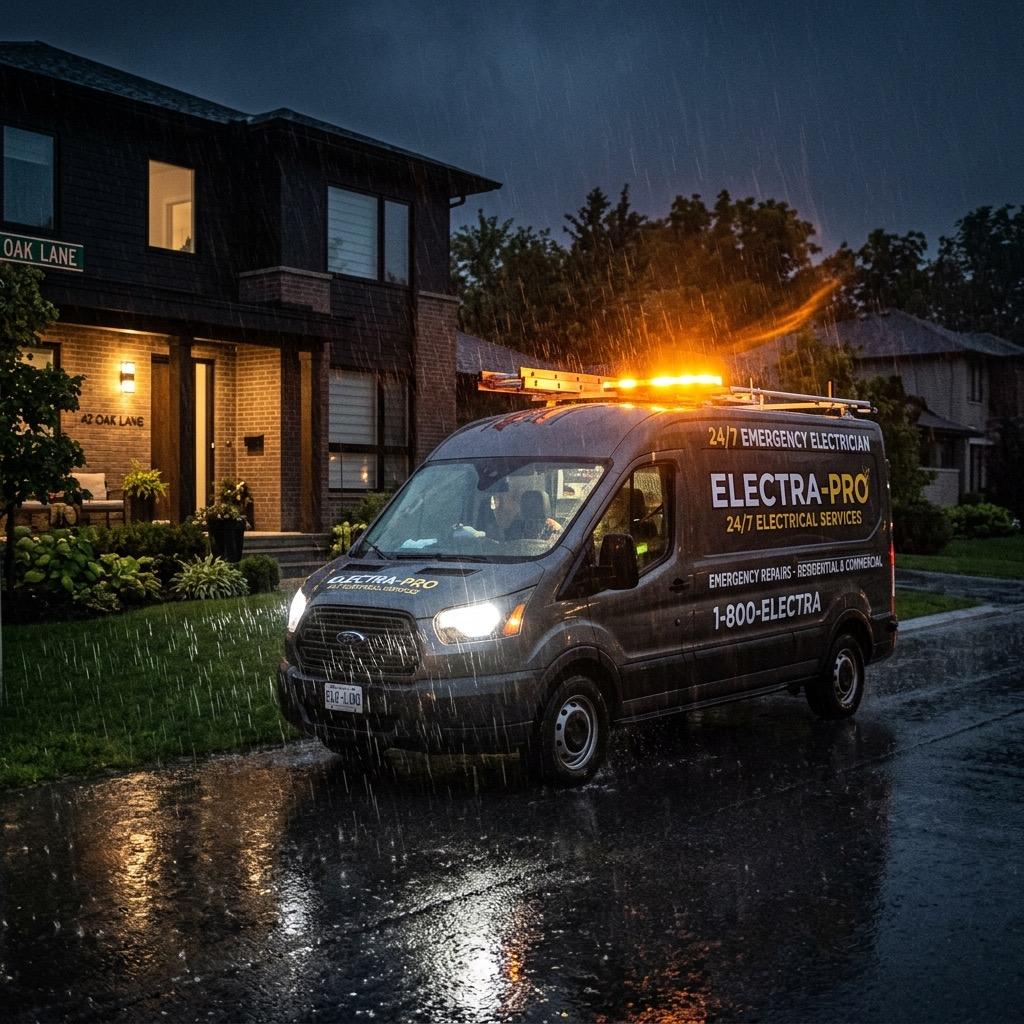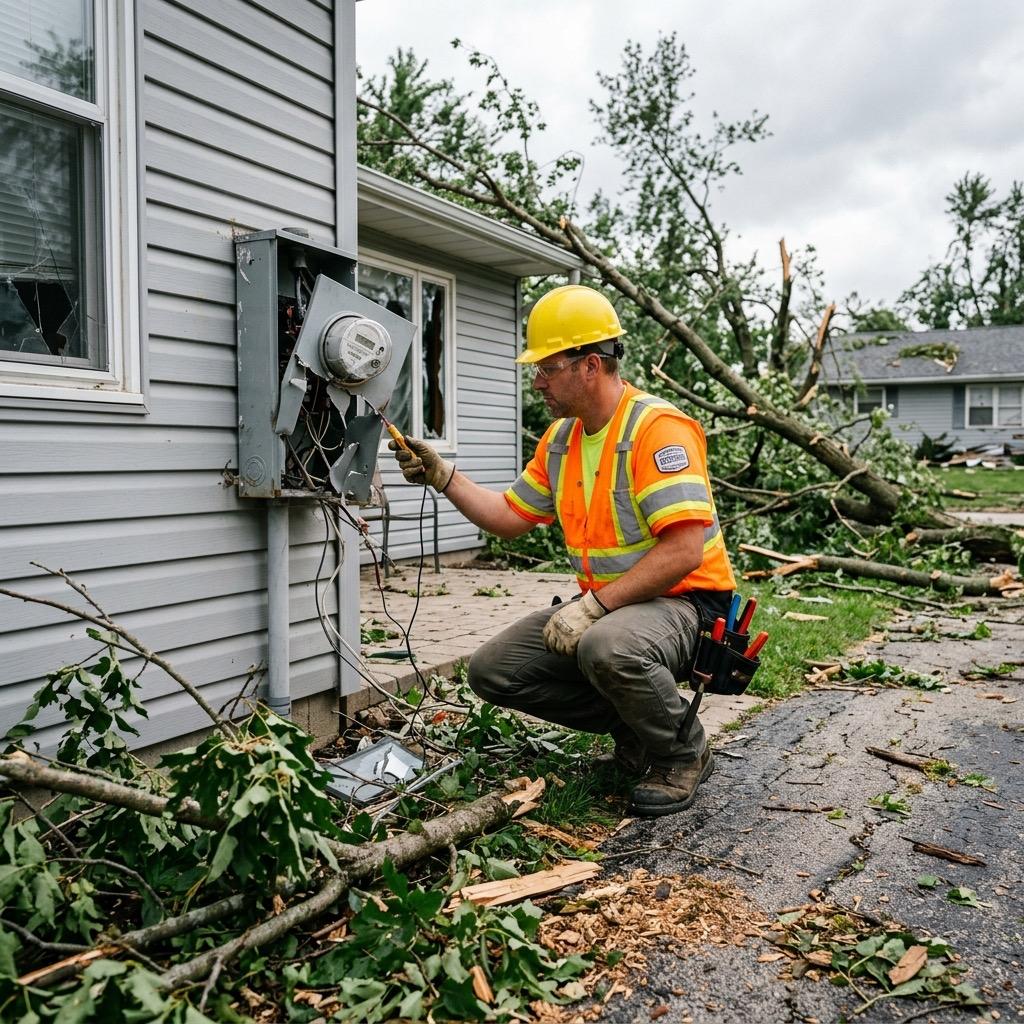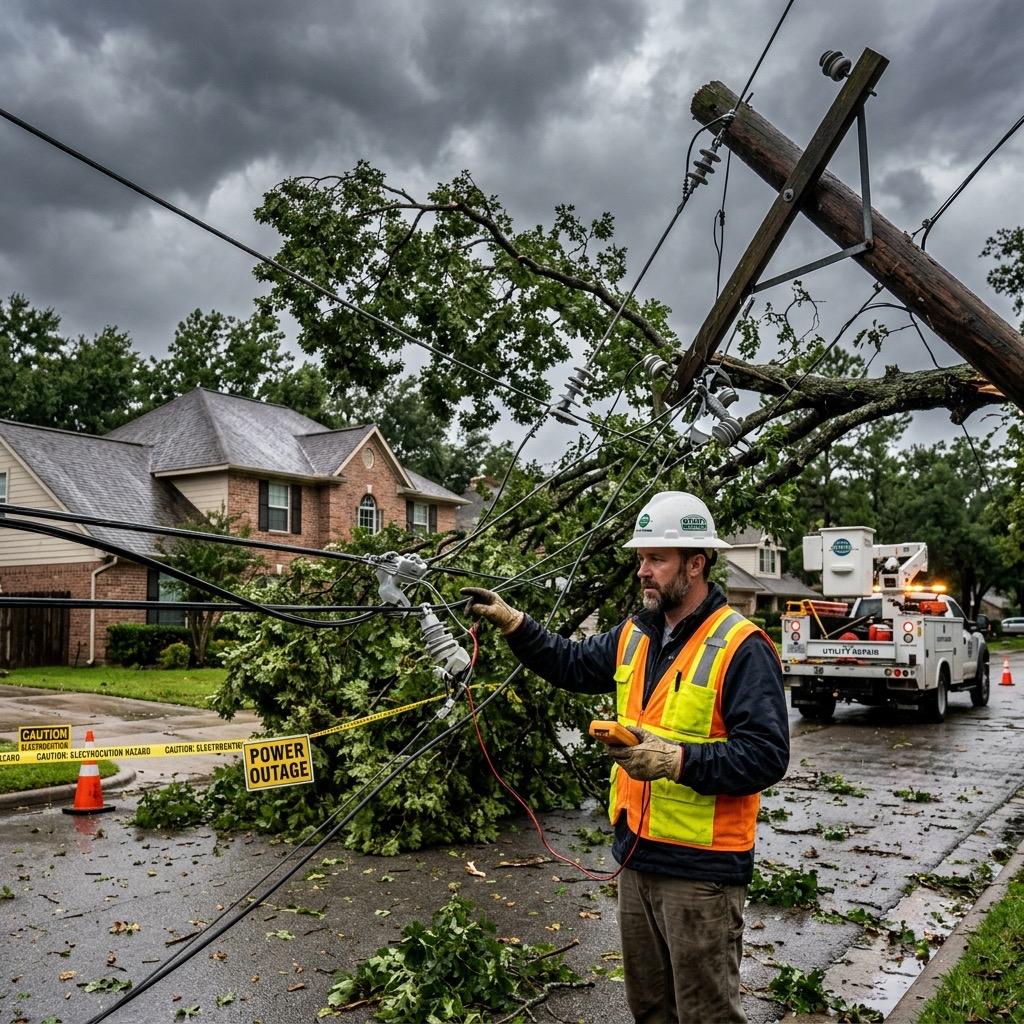

Living in Northern Virginia, power outages are an unfortunate reality. Whether caused by severe summer storms, winter ice accumulation, fallen trees on power lines, or equipment failures, losing electricity can range from a minor inconvenience to a serious safety hazard for families in Fairfax, Arlington, Alexandria, and surrounding communities.
At AJ Long Electric, we've helped hundreds of Northern Virginia homeowners prepare for power outages, install backup power systems, and recover from electrical issues following outages. The key to weathering these disruptions safely is proper preparation, understanding electrical safety protocols, and knowing when to call a professional electrician.
This comprehensive guide covers everything you need to know about power outage preparation and electrical safety specifically for Northern Virginia residents, from common causes of outages in our region to critical safety measures that could save your life and protect your home.
Common Causes of Power Outages in Northern Virginia
Understanding what causes power outages in our region helps you prepare more effectively. Here are the most common culprits affecting Northern Virginia communities:
Severe Weather Events
Northern Virginia experiences diverse weather patterns that frequently disrupt power:
- Summer Thunderstorms: Intense thunderstorms with high winds, lightning strikes, and heavy rain are the most frequent cause of outages from June through August. These storms can topple trees onto power lines and damage utility equipment.
- Winter Ice Storms: Ice accumulation on power lines and tree branches adds significant weight, causing lines to snap and trees to fall. The infamous 2023 ice storm left thousands without power for days across Fairfax County.
- High Wind Events: Straight-line winds and occasional tornado warnings can damage electrical infrastructure. Areas with mature tree canopies, like McLean and Great Falls, are particularly vulnerable.
- Heavy Snow: While less common, heavy, wet snow can bring down power lines and damage transformers.
Tree-Related Issues
Northern Virginia's abundant trees are beautiful but pose electrical risks:
- Overgrown branches touching power lines
- Diseased or dead trees falling during storms
- Root systems undermining utility poles
- Construction and landscaping accidents damaging underground lines
Equipment Failures and Grid Issues
Electrical infrastructure problems include:
- Transformer failures during high-demand periods (extreme heat or cold)
- Aging electrical infrastructure in older neighborhoods
- Vehicle accidents damaging utility poles
- Wildlife interference with electrical equipment (squirrels, birds)
- Planned outages for maintenance and upgrades by Dominion Energy or NOVEC
Regional Electrical Demand
Northern Virginia's growing population and increased electrical demand sometimes strain the grid:
- Peak summer cooling loads during heat waves
- Peak winter heating loads during cold snaps
- Increased electric vehicle charging adding to nighttime demand
- Data center expansion in Loudoun County affecting regional grid capacity
Essential Power Outage Preparedness Checklist
Every Northern Virginia household should maintain a comprehensive emergency preparedness kit. Here's what you need before an outage strikes:
Immediate Safety Items
- Flashlights and Headlamps: Keep multiple flashlights in easily accessible locations. LED flashlights are most efficient. Avoid relying solely on candles due to fire risk.
- Extra Batteries: Stock various sizes (AA, AAA, D, 9V) and check expiration dates annually.
- Battery-Powered or Hand-Crank Radio: NOAA weather radio alerts you to severe weather and emergency information.
- First Aid Kit: Fully stocked and easily accessible.
- Fully Charged Cell Phones: Keep portable charging banks charged at all times.
- Emergency Contact List: Written list including utility companies, electricians, and family contacts.
Food and Water Supplies
- At least one gallon of water per person per day for three days
- Non-perishable food items (canned goods, energy bars, dried fruit)
- Manual can opener
- Coolers for refrigerated items if outage extends beyond 4 hours
- Ice or ice packs stored in freezer
Heating and Cooling Alternatives
- Extra blankets and warm clothing for winter outages
- Battery-powered fans for summer outages
- Knowledge of heating alternatives (fireplace, if available)
- Never use outdoor heating equipment indoors (grills, propane heaters without proper ventilation)
Important Documents and Cash
- Cash in small denominations (ATMs and credit card readers won't work)
- Copies of insurance policies and important documents in waterproof container
- List of medications and medical conditions for family members
Portable Generator Safety: Critical Information That Could Save Your Life
Portable generators can be invaluable during extended outages, but improper use causes deaths every year. Follow these critical safety guidelines:
Carbon Monoxide Prevention: The #1 Generator Safety Concern
Carbon monoxide (CO) is an invisible, odorless killer. Generator exhaust contains high levels of CO that can cause death within minutes in enclosed spaces.
Absolute Rules for Generator Placement:
- NEVER run a generator indoors - not in your home, garage, basement, shed, or any enclosed or partially enclosed space
- NEVER run a generator near windows, doors, or vents - CO can enter your home through these openings
- Place generators at least 20 feet from your home, facing away from all structures
- Never run a generator in an attached garage, even with the door open
- Be aware of wind direction - exhaust can blow toward open windows or neighbors' homes
- Install battery-powered CO detectors on every level of your home, including outside sleeping areas
Carbon Monoxide Poisoning Symptoms:
- Headache, dizziness, weakness
- Nausea, vomiting, chest pain
- Confusion, loss of consciousness
If you suspect CO poisoning, get to fresh air immediately and call 911.
Electrical Safety: Preventing Electrocution and Backfeeding
The Deadly Danger of Backfeeding:
Backfeeding occurs when generator power flows backward through your home's electrical system into utility lines. This is extremely dangerous because:
- It can electrocute utility workers trying to restore power
- It can electrocute neighbors
- It can damage your electrical system and appliances
- It can cause fires
- It's illegal in Virginia
Safe Generator Connection Methods:
- Direct Appliance Connection (Safest DIY Method): Use heavy-duty outdoor extension cords to plug appliances directly into the generator. This is the only method homeowners should use without professional installation.
- Transfer Switch (Professional Installation Required): A licensed electrician installs a transfer switch that safely isolates your home's electrical system from utility power. This is the only safe way to power hardwired appliances and circuits. Learn more about our generator installation services.
What NOT to Do:
- NEVER plug a generator directly into a wall outlet (this causes backfeeding)
- NEVER connect a generator to your electrical panel without a transfer switch installed by a licensed electrician
- NEVER use indoor-rated extension cords - use only outdoor-rated, heavy-gauge cords
- NEVER overload your generator - calculate total wattage of connected appliances
Additional Generator Safety Tips
- Keep generators dry - never operate in rain or snow without proper cover (maintain ventilation)
- Let generator cool before refueling - fuel spilled on hot components can ignite
- Store fuel safely in approved containers, away from living spaces
- Ground your generator properly per manufacturer instructions
- Keep children and pets away from generators
- Read and follow all manufacturer safety instructions
- Test your generator monthly to ensure it's operational
Whole-Home Standby Generators: The Ultimate Backup Solution
For homeowners who want automatic, comprehensive backup power, whole-home standby generators offer superior protection:
Benefits of Standby Generators
- Automatic Operation: Power automatically restores within seconds of an outage
- Powers Entire Home: No need to choose which appliances to run
- Professional Installation: Safely installed by licensed electricians with proper transfer switches
- Fuel Source: Runs on natural gas or propane - no refueling during outages
- Weather Protection: Permanently installed outdoors in weather-resistant enclosures
- Self-Testing: Automatically tests itself weekly to ensure readiness
- Increased Home Value: Desirable feature for Northern Virginia homebuyers
Considerations for Standby Generator Installation
- Higher upfront cost ($8,000-$20,000+ installed, depending on size)
- Requires natural gas line or propane tank
- Annual maintenance recommended
- Permitting required through local jurisdictions
- HOA approval may be necessary
Contact AJ Long Electric for a free consultation on standby generator options for your Northern Virginia home.
Surge Protection: Protecting Your Home When Power Returns
Power surges frequently occur when electricity is restored after an outage. These voltage spikes can damage or destroy expensive electronics, appliances, and electrical equipment.
Understanding Power Surges
Power surges are brief increases in voltage that last microseconds but can cause permanent damage:
- Lightning Strikes: Direct or nearby strikes can send massive voltage through power lines
- Power Restoration: Sudden restoration after outages can cause voltage fluctuations
- Grid Switching: Utility companies switching power sources or loads
- Large Appliance Cycling: Major appliances turning on/off can cause internal surges
Vulnerable Equipment
Modern homes contain expensive electronics susceptible to surge damage:
- Computers, laptops, tablets, smartphones
- TVs, gaming consoles, home theater equipment
- Smart home devices and hubs
- HVAC systems with electronic controls
- Refrigerators, washers, dryers with computer boards
- Garage door openers
- Home office equipment
Two-Tier Surge Protection Strategy
1. Whole-Home Surge Protection (First Line of Defense):
A whole-home surge protector is installed at your electrical panel by a licensed electrician. Benefits include:
- Protects entire home electrical system
- Defends against surges from utility lines
- Professional installation ensures proper grounding
- More effective than point-of-use protectors alone
- Typically includes warranty coverage for connected equipment
- Investment: $400-$800 installed
Learn more in our whole-home surge protection guide.
2. Point-of-Use Surge Protectors (Second Line of Defense):
Even with whole-home protection, use quality surge protector power strips for sensitive electronics:
- Look for UL 1449 rating
- Choose 600 joules or higher absorption rating
- Select models with indicator lights showing protection status
- Replace surge protectors after major surges or every 2-3 years
What to Unplug During a Power Outage
When power goes out, immediately unplug or turn off certain devices to protect them from damage when power is restored:
Priority Items to Unplug
- Computers and Electronics: Desktop computers, TVs, gaming consoles, modems, routers
- Small Appliances: Coffee makers, toasters, microwaves (unless surge protected)
- Sensitive Equipment: Home theater systems, expensive audio equipment
- Power Tools and Workshop Equipment: Prevent dangerous automatic restart
- Smart Home Devices: Protect smart thermostats, hubs, and connected devices
What to Leave On
Leave one light switch in the "on" position so you'll know when power is restored. Keep these plugged in:
- Refrigerator and freezer (once power returns)
- Medical equipment (connected to battery backup)
- Sump pump (if basement flooding is a concern)
Refrigerator and Freezer Management During Outages
Food safety is a major concern during extended power outages. Here's how to minimize food loss:
Keep Cold Air In
- Keep doors closed as much as possible
- A full, unopened refrigerator stays cold for about 4 hours
- A full, unopened freezer stays frozen for about 48 hours (24 hours if half-full)
- Add bags of ice to refrigerator if outage extends beyond 4 hours
- Group items together in freezer - mass stays cold longer
Food Safety Guidelines
- Food at 40°F or below is safe to keep
- Use an appliance thermometer to check temperatures
- Discard perishable food (meat, poultry, seafood, soft cheeses, dairy) kept above 40°F for 2+ hours
- When in doubt, throw it out - foodborne illness isn't worth the risk
Freezer Tips
- If food still contains ice crystals or is 40°F or below, it can be refrozen
- Keep freezer at 0°F or below normally
- Consider purchasing freezer alarm that alerts when temperature rises
Sump Pump Backup Options for Northern Virginia Homes
Many Northern Virginia homes, particularly in Fairfax County, have basements protected by sump pumps. Power outages during heavy rain can lead to catastrophic flooding if your sump pump can't operate.
Sump Pump Backup Solutions
1. Battery Backup Sump Pump:
- Automatically activates when power fails
- Runs on deep-cycle marine battery
- Typically provides 5-7 hours of operation
- Investment: $400-$800
- Requires periodic battery replacement
2. Water-Powered Backup Pump:
- Uses municipal water pressure to operate
- No batteries or electricity needed
- Unlimited runtime during outage
- Requires adequate water pressure (check with plumber)
- Uses significant water (factor into water bill)
3. Generator Power:
- Portable or standby generator can power sump pump
- Requires transfer switch for automatic operation
- Most reliable option for extended outages
For professional sump pump circuit installation and backup power solutions, contact our electricians serving Northern Virginia.
Medical Equipment and Critical Power Needs
If anyone in your household relies on electrically powered medical equipment, advance planning is critical:
Before an Outage
- Register with your utility company as a medical priority customer
- Discuss backup power needs with your healthcare provider
- Maintain charged backup batteries for all portable medical devices
- Consider standby generator installation for life-sustaining equipment
- Know backup locations (hospitals, relatives' homes) if home power fails
- Keep emergency contact list for medical providers
Medical Equipment That May Need Backup Power
- CPAP machines
- Oxygen concentrators
- Nebulizers
- Ventilators
- Suction equipment
- Medication refrigeration
- Electric wheelchairs
- Patient lifts
Power Solutions for Medical Equipment
- Battery Backup (UPS): Uninterruptible power supply provides short-term power (1-4 hours typically)
- Portable Generator: With proper transfer switch, can power critical equipment
- Standby Generator: Best solution for life-sustaining equipment - automatic, reliable, comprehensive
We help Northern Virginia families with medical power needs design and install safe, reliable backup power systems. Contact us to discuss your specific requirements.
Well Pump Backup Considerations
Many homes in outer Northern Virginia suburbs and rural areas, including parts of Ashburn, Great Falls, and Clifton, rely on well water. Without power, these homes have no water for drinking, cooking, sanitation, or firefighting.
Well Pump Power Requirements
- Most residential well pumps require 240-volt power
- Deep well pumps typically draw 3,000-5,000 watts
- Shallow well pumps typically draw 1,500-3,000 watts
- Check your pump nameplate for exact requirements
Backup Power Options for Well Pumps
- Generator with Transfer Switch: Most common solution - allows safe connection of well pump to generator power
- Dedicated Well Pump Circuit: Electrician installs separate circuit allowing easier generator connection
- Whole-Home Standby Generator: Best solution for comprehensive power including well pump
Water Storage Tips
When severe weather is forecast:
- Fill bathtubs with water for sanitation (not drinking)
- Fill drinking water containers
- Consider maintaining emergency water storage (5-gallon containers)
- Fill washing machine or large pots with water for toilet flushing
Alternative Heating and Cooling Options
Northern Virginia's temperature extremes make heating and cooling critical during power outages.
Winter Heating Alternatives
- Fireplace or Wood Stove: If you have one, ensure it's properly maintained and chimney is clear. Stock firewood.
- Layered Clothing and Blankets: Simple but effective - dress in layers, use sleeping bags
- Close Off Rooms: Gather family in one room to consolidate body heat
- Generator-Powered Space Heater: Electric space heaters can run on generator power, but watch wattage carefully
- Prevent Pipe Freezing: Open cabinet doors under sinks, let faucets drip slightly if temperature drops below freezing
What NOT to Use for Indoor Heating
- Gas ovens or ranges (fire and carbon monoxide risk)
- Outdoor grills or camping stoves (carbon monoxide poisoning)
- Propane heaters not designed for indoor use
- Any open flame heating sources (fire risk)
Summer Cooling Strategies
- Stay in lowest level of home (cooler)
- Use battery-powered fans
- Keep blinds and curtains closed
- Stay hydrated - drink plenty of water
- Avoid strenuous activities during hottest hours
- Wear light-colored, loose-fitting clothing
- Take cool showers or use damp cloths
- If available, go to cooling centers (libraries, malls, community centers)
When to Call an Electrician After a Power Outage
Some post-outage electrical issues require professional attention from a licensed electrician:
Call Immediately If You Experience:
- Burning Smell: Odor of burning plastic, rubber, or electrical fire
- Sparks or Arcing: Visible sparks from outlets, switches, or panel
- Hot Outlets or Switches: Warm or hot to touch indicates serious problem
- Buzzing or Crackling Sounds: Unusual noises from outlets, switches, or panel
- Discoloration: Black or brown marks around outlets or switches
- Partial Power: Some circuits working, others not (may indicate panel damage)
- Flickering Lights: After power restoration, persistent flickering indicates loose connections
- Dead Outlets or Circuits: If resetting breakers doesn't restore power
- Damaged Service Equipment: Visible damage to meter, panel, or service entrance
Electrical Safety Inspection After Extended Outages
After extended power outages (24+ hours), especially following severe weather, consider scheduling an electrical safety inspection:
- Verification of proper grounding
- Testing of GFCI and AFCI protection devices
- Panel inspection for signs of damage or moisture
- Circuit testing to identify hidden damage
- Surge protection device inspection
Our electrical safety inspection services provide peace of mind after major storms or extended outages.
Working Safely with Your Electrical Panel During Outages
Your electrical panel is the heart of your home's electrical system. Here's how to interact with it safely during and after outages:
Safe Panel Operations
- Keep panel area clear of storage and accessible
- Know where your panel is located and how to access it
- Label all breakers so you can identify circuits quickly
- Keep a flashlight near panel for emergency access
- Never touch panel with wet hands or while standing in water
When Power Returns
- Don't rush to turn everything back on immediately
- Turn off or unplug major appliances before power restoration
- After power returns, wait a few minutes for voltage to stabilize
- Turn on one circuit at a time, allowing electrical system to adjust
- Major appliances should be turned on gradually (5-10 minute intervals)
When to Upgrade Your Panel
If you're frequently dealing with outages or planning backup power installation, you may need a panel upgrade:
- Your home has 100-amp or smaller service
- Panel is over 25 years old
- You have Federal Pacific or Zinsco panel (known fire hazards)
- Breakers trip frequently
- No available breaker slots for generator transfer switch
- Visible rust, corrosion, or damage to panel
Insurance Considerations for Power Outages
Understanding your homeowners insurance coverage related to power outages can save headaches during claims:
What's Typically Covered
- Food Spoilage: Many policies cover refrigerated/frozen food loss, typically $250-$500 limit (check your policy)
- Power Surge Damage: Damage to electronics and appliances from surges usually covered
- Alternate Accommodations: If home is uninhabitable due to power loss (extreme temperatures, medical needs), temporary housing may be covered
What's Typically NOT Covered
- Utility company power failure alone (must have covered peril like lightning or storm damage)
- Damage from improper generator use
- Preventable damage (e.g., frozen pipes if home was improperly winterized)
- Basement flooding from sump pump failure (unless you have backup coverage endorsement)
Documentation for Claims
If you plan to file a claim:
- Document outage duration (photos of utility alerts, news reports)
- Photograph damaged items before disposal
- Keep receipts for replacement food, temporary accommodations
- Document damage from power surges
- Get professional electrician assessment for electrical damage
Utility Company Resources and Emergency Contacts
Northern Virginia is served by multiple utility providers. Know which serves your area:
Dominion Energy Virginia
Serves most of Northern Virginia including Fairfax, Arlington, and Alexandria
- Report Outages: 1-866-DOM-HELP (1-866-366-4357) or online at dominionenergy.com
- Mobile App: Download Dominion Energy app for outage reporting and updates
- Outage Map: Real-time outage tracking and estimated restoration times
- Medical Priority Registration: Available for customers with critical medical equipment
Northern Virginia Electric Cooperative (NOVEC)
Serves parts of Loudoun, Fairfax, Prince William, and Fauquier counties
- Report Outages: 1-888-335-0500 or online at novec.com
- SmartHub App: Outage reporting and account management
- Text Alerts: Text "OUT" to 85700 to report outage
Emergency Services
- Emergency (Police, Fire, Medical): 911
- Non-Emergency Police: Contact your local department
- AJ Long Electric Emergency Service: 703-997-0026
Building Long-Term Electrical Resilience
Beyond emergency preparation, consider these investments in your home's electrical resilience:
Whole-Home Surge Protection
Professional installation of surge protection at your panel protects your entire electrical system. Investment: $400-$800 installed. Learn more in our surge protection guide.
Panel Upgrades
Modern electrical panels provide better protection and accommodate backup power systems. See our signs you need a panel upgrade.
Critical Circuit Identification
Work with an electrician to identify and potentially separate critical circuits (refrigerator, sump pump, well pump, heating system) for easier backup power connection.
Generator Transfer Switch Installation
Professional installation of a manual or automatic transfer switch allows safe generator use without backfeeding danger. Investment: $800-$2,500 depending on system.
Smart Home Integration
Smart home systems can help during outages:
- Smart thermostats can send alerts about power loss
- Smart water leak detectors alert to sump pump failures
- Cellular-based systems work even when internet is down
- Battery backup cameras provide security during outages
Northern Virginia-Specific Preparedness Tips
Know Your Municipality's Resources
- Fairfax County: Emergency information at fairfaxcounty.gov/emergencymanagement
- Arlington County: Emergency alerts at newsroom.arlingtonva.us
- Alexandria: Updates at alexandriava.gov/emergency-preparedness
- Loudoun County: Information at loudoun.gov/emergency
Cooling and Warming Centers
During extreme weather with extended outages, Northern Virginia localities open emergency cooling and warming centers. Sign up for emergency alerts from your jurisdiction to receive notifications.
HOA Considerations
If you live in a community with an HOA:
- Review HOA guidelines for generator installation before purchasing
- Some HOAs restrict generator placement, noise levels, or require screening
- Coordinate with HOA board about community-wide emergency plans
- Understand common area electrical responsibilities during outages
Creating Your Family Power Outage Plan
Develop and practice a family emergency plan specifically for power outages:
Plan Components
- Emergency Meeting Place: Designated spot if family is separated
- Contact Plan: Out-of-state contact person everyone can reach
- Role Assignments: Who's responsible for what (shutting off breakers, gathering supplies, etc.)
- Pet Considerations: Plan for pet needs during extended outages
- Medication Management: List of medications needing refrigeration with backup plans
- Evacuation Plan: If outage creates unsafe conditions, where will you go?
Practice Runs
- Conduct practice outage drills with family
- Test flashlight locations and battery supplies
- Practice starting and operating generator (if applicable)
- Review family plan annually
- Update plan as family needs change
Why Choose AJ Long Electric for Your Power Outage Preparedness Needs
At AJ Long Electric, we've helped hundreds of Northern Virginia families prepare for power outages with safe, reliable electrical solutions:
- Licensed & Insured: Fully licensed in Virginia, Maryland, and DC with comprehensive insurance
- Generator Installation Expertise: Transfer switch installation for safe portable generator use or complete standby generator installation
- Surge Protection Specialists: Whole-home surge protection installation to safeguard your electrical system
- Panel Upgrades: Modern electrical panels to support backup power systems
- Emergency Service Available: 24/7 emergency electrical service for post-outage issues
- Safety First: We prioritize safe installations that protect your family
- Local Knowledge: Deep understanding of Northern Virginia building codes and utility requirements
- Transparent Pricing: Detailed estimates with no hidden fees
See examples of our work in our , and read what customers say in our testimonials.
Prepare Now, Stay Safe During the Next Outage
Power outages are inevitable in Northern Virginia, but being unprepared is not. By following the guidelines in this comprehensive guide, maintaining proper emergency supplies, understanding electrical safety protocols, and considering backup power solutions, you can protect your family, home, and property during the next outage.
Don't wait for the next severe storm warning to think about power outage preparation. Take action now to install proper surge protection, consider backup power options, and create a comprehensive family emergency plan.
Schedule Your Electrical Safety Consultation Today!
Or call us at 703-997-0026
Serving All of Northern Virginia
AJ Long Electric provides expert electrical safety, surge protection, and backup power installation services throughout the region, including:
Fairfax, Arlington, Alexandria, Vienna, McLean, Ashburn, Reston, Burke, Springfield, Annandale, Great Falls, and surrounding communities. We also serve Washington DC and parts of Maryland.