5 Critical Signs Your Northern Virginia Home Needs an Electrical Panel Upgrade
Published: April 15, 2023 | Updated: December 4, 2025
Your home's electrical panel is the heart of its electrical system, distributing power to every outlet and appliance. But like any vital organ, it can age and wear out, potentially putting your home and family at risk. Many older homes in Northern Virginia, from Arlington's charming neighborhoods to the historic streets of Alexandria, may still have outdated panels that were never designed for today's electrical demands.
The average American home today uses nearly three times more electricity than homes did in 1980. Between smart home devices, multiple computers, large-screen televisions, electric vehicle chargers, and modern HVAC systems, the demands on your electrical panel have never been greater. If your home was built in the 1950s through 1980s - a period that accounts for a significant portion of Northern Virginia's housing stock - your panel may be struggling to keep up.
At AJ Long Electric, we specialize in electrical panel replacements and upgrades across Northern Virginia, including Fairfax and Arlington. Here are five critical signs that it might be time to consider an upgrade, along with detailed information to help you make an informed decision.
Key Signs for a Panel Upgrade
- Frequent Breaker Trips: Your system is overloaded and cannot handle modern electrical demands.
- Outdated Panel: Over 25 years old or a hazardous brand (e.g., Federal Pacific, Zinsco, Pushmatic).
- Flickering Lights: Indicates an inconsistent power supply or loose connections.
- Burning Smell or Scorch Marks: Immediate fire hazard requiring urgent attention.
- Major Renovations or New Appliances: Your panel cannot safely handle the new electrical load.
1. Frequent Breaker Trips or Blown Fuses
If your circuit breakers trip regularly, it is a clear sign that your electrical system is overloaded. This often happens when your panel cannot handle the demand of modern appliances. Circuit breakers are designed to trip when they detect an overload or short circuit - it is a safety feature that prevents fires. However, when trips become frequent, it indicates a systemic problem rather than a one-time event.
Common Scenarios in Northern Virginia Homes
We frequently encounter these situations in homes throughout the Fairfax and Arlington areas:
- Running the microwave and toaster simultaneously trips the kitchen circuit - a sign that your kitchen needs dedicated circuits for high-draw appliances.
- Hair dryers or space heaters cause bathroom or bedroom circuits to trip, indicating insufficient amperage for modern grooming and comfort devices.
- Window AC units overload circuits during Virginia's hot summers, especially in older homes where bedrooms share circuits.
- Home office equipment (computers, monitors, printers, routers) causes trips when combined with other room loads - increasingly common since the pandemic.
If you find yourself constantly resetting breakers, it is not just an inconvenience - it is a warning sign. For detailed troubleshooting steps, see our comprehensive guide on circuit breaker tripping issues. Repeated tripping can cause wear on the breaker mechanism, potentially leading to failure when you need protection most.
Did You Know?
A typical 1960s home in Northern Virginia was wired with 60-100 amp service. Today's homes require 200 amps minimum, and many benefit from 300-400 amp panels to accommodate EV chargers, home offices, and modern HVAC systems.
2. Outdated Panel (Federal Pacific, Zinsco, and Other Problem Brands)
Some older panel brands are known fire hazards and should be replaced immediately, regardless of whether they appear to be functioning normally. If your home has one of these panels, an immediate panel replacement is highly recommended for your family's safety.
Federal Pacific Electric (FPE) Stab-Lok Panels
Federal Pacific Electric panels, manufactured primarily from the 1950s through the 1980s, are considered among the most dangerous electrical panels ever installed in American homes. The Consumer Product Safety Commission (CPSC) investigated these panels extensively, and independent testing has revealed alarming failure rates.
- Failure Rate: Studies indicate FPE Stab-Lok breakers fail to trip 25-40% of the time during overcurrent conditions.
- Fire Risk: These panels are estimated to cause approximately 2,800 fires annually in the United States.
- Identification: Look for "Federal Pacific" or "FPE" labels and "Stab-Lok" breakers with their distinctive red stripe.
- Common in NoVA: Many split-level and colonial homes built in Fairfax County during the 1960s-1980s contain these panels.
Zinsco and Sylvania-Zinsco Panels
Zinsco panels, also known as GTE-Sylvania or Sylvania-Zinsco panels, present similar dangers:
- Design Flaw: The aluminum bus bars in these panels are prone to corrosion and poor breaker connections.
- Melting Breakers: Breakers can fuse to the bus bar, making them impossible to trip even during a dangerous overload.
- Hidden Damage: The panel may appear normal externally while internal components have deteriorated.
Other Problematic Panel Types
- Pushmatic Panels: While not as dangerous as FPE, these panels use obsolete breakers that are difficult to find and expensive to replace.
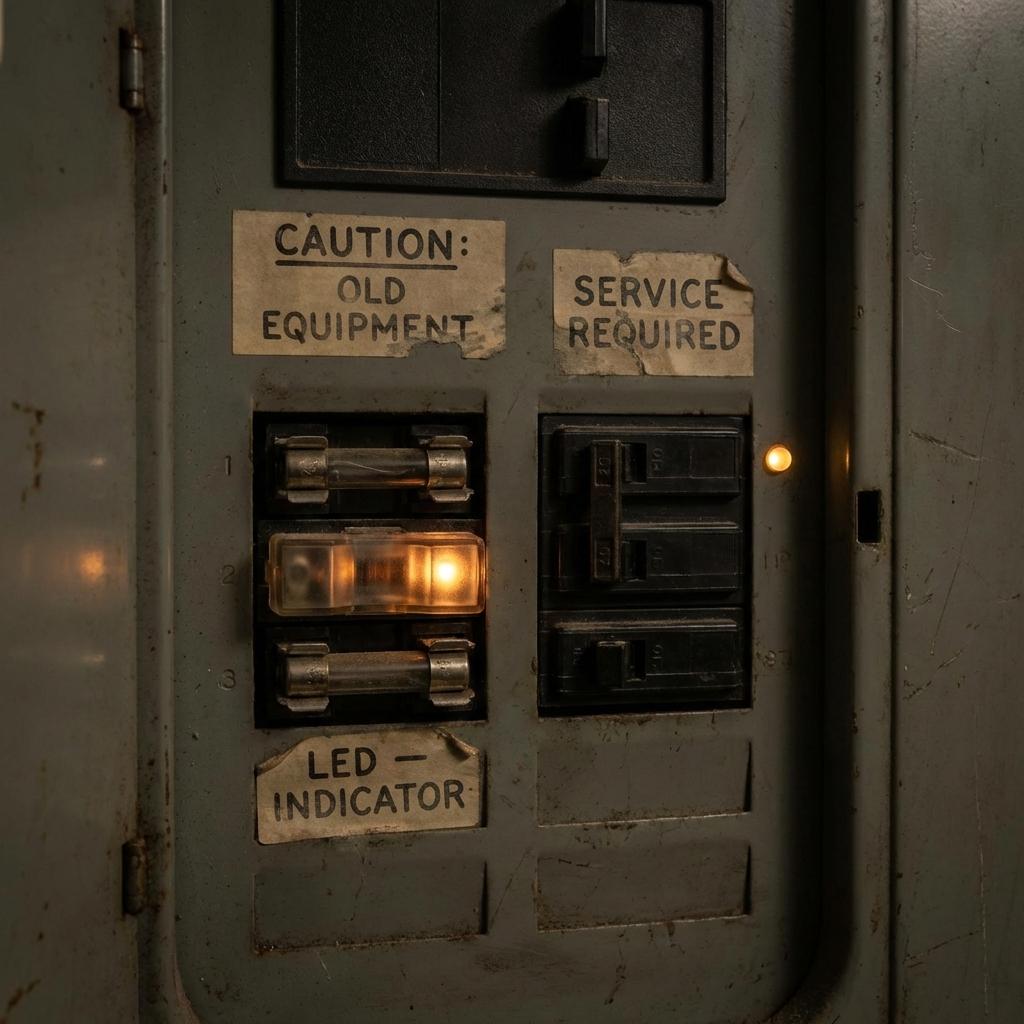
- Fuse Boxes: Any home still using fuses instead of breakers should strongly consider an upgrade for both safety and convenience.
- Split-Bus Panels: These older designs without a main breaker can be confusing and lack modern safety features.
- Undersized Panels: Any panel under 100 amps is inadequate for modern electrical needs.
An outdated electrical panel is a strong indicator that your system needs a modern upgrade. Even if functioning, older panels lack critical safety features.
3. Flickering or Dimming Lights
Persistent flickering or dimming lights, especially when you turn on a large appliance, can signal several potential problems:
What Flickering Lights May Indicate
- Overloaded Circuits: When a high-draw appliance like an air conditioner or refrigerator starts, it momentarily pulls extra current. In a properly sized system, this should be barely noticeable.
- Loose Connections: Connections in the panel can loosen over time, especially in panels that have experienced repeated overheating.
- Undersized Wiring: Original wiring may be too small for current electrical demands.
- Failing Main Breaker: The main breaker may be wearing out and struggling to maintain consistent power delivery.
- Utility Issues: Sometimes the problem originates with the utility connection or meter base.
This is a common concern for homeowners in rapidly developing areas like Ashburn and Loudoun County, where older infrastructure may struggle to keep up with modern demands. If you notice lights flickering throughout your home (not just in one room), the panel is often the culprit.
When to Be Concerned
Occasional, brief flickering when large appliances start is relatively normal. However, you should contact an electrician if:
- Flickering persists for more than a moment
- Lights dim significantly (more than 5-10%)
- Flickering occurs randomly without an obvious trigger
- Multiple areas of the home are affected simultaneously
- You notice a buzzing sound from the panel when lights flicker
Safety Alert: Burning Smells and Scorch Marks
A burning odor or scorch marks near your panel indicates an immediate fire risk. These signs suggest arcing, overheating, or melting components - all of which can lead to electrical fires.
If you notice any of the following, contact a qualified electrician immediately:
- Burning plastic or electrical smell near the panel
- Discoloration or scorch marks on the panel cover or surrounding wall
- Warm or hot panel cover
- Crackling, buzzing, or sizzling sounds from the panel
- Visible melting or deformation of breakers
We serve all of Fairfax County and the surrounding Northern Virginia area for emergency electrical needs. Do not wait - electrical fires can develop rapidly.
4. Planning Major Renovations or Adding Large Appliances
If you are planning a significant home renovation or installing new high-power appliances, your current panel might not have the capacity. An upgrade will ensure your system can safely handle the increased load.
Common Upgrades That Require Panel Evaluation
- Electric Vehicle Chargers: A Level 2 EV charger requires a dedicated 40-50 amp circuit. Many older panels simply do not have the capacity. See our EV charger installation services.
- Kitchen Remodels: Modern kitchens often require multiple dedicated circuits for refrigerators, dishwashers, garbage disposals, microwaves, and small appliance outlets.
- Hot Tubs and Pools: These require 50-60 amp dedicated circuits and often GFCI protection.
- Home Additions: Any addition to your home will require additional circuits and may push your panel over capacity.
- HVAC Upgrades: Modern high-efficiency HVAC systems, especially heat pumps, may require more amperage than your old system.
- Home Offices: Professional-grade home offices with multiple computers, monitors, and equipment need adequate power.
- Workshop or Garage Upgrades: Power tools, welders, and compressors require substantial electrical capacity.
Northern Virginia Construction Considerations
Many homes built in the Fairfax and Arlington areas during the 1950s-1980s were built with 60-150 amp panels. These were adequate for the era but fall far short of modern needs. Common characteristics of these homes include:
- Original 60-100 amp service panels
- Aluminum wiring (common 1965-1973)
- Ungrounded outlets in older portions of the home
- Shared circuits between multiple rooms
- Lack of dedicated circuits for major appliances
5. Benefits of a Panel Upgrade
Upgrading your electrical panel is not just about fixing problems; it offers several key benefits that make it a smart investment for any homeowner:
Safety Improvements
- Arc Fault Circuit Interrupters (AFCIs): Modern code requires AFCI protection for bedrooms and living areas. These devices detect dangerous arcing conditions that standard breakers miss.
- Ground Fault Circuit Interrupters (GFCIs): Enhanced ground fault protection for kitchens, bathrooms, outdoor areas, and anywhere near water.
- Whole-House Surge Protection: Modern panels can accommodate whole-house surge protectors to shield your electronics.
- Better Breaker Technology: Modern breakers are more reliable and respond faster to dangerous conditions.
Improved Reliability
- Eliminates nuisance breaker trips from overloaded circuits
- Provides consistent power delivery to sensitive electronics
- Reduces risk of damage to appliances from power fluctuations
- Better supports home automation and smart home systems
Greater Capacity for Modern Life
- Accommodates electric vehicle charging infrastructure
- Supports home office equipment and technology
- Allows for future additions and renovations
- Enables installation of backup generators or battery systems
Increased Home Value
A modern electrical system is an attractive feature for potential buyers. Real estate professionals in Northern Virginia report that updated electrical systems are among the most valuable upgrades for resale. Buyers are increasingly aware of electrical safety issues and may request credits or walk away from homes with outdated panels.
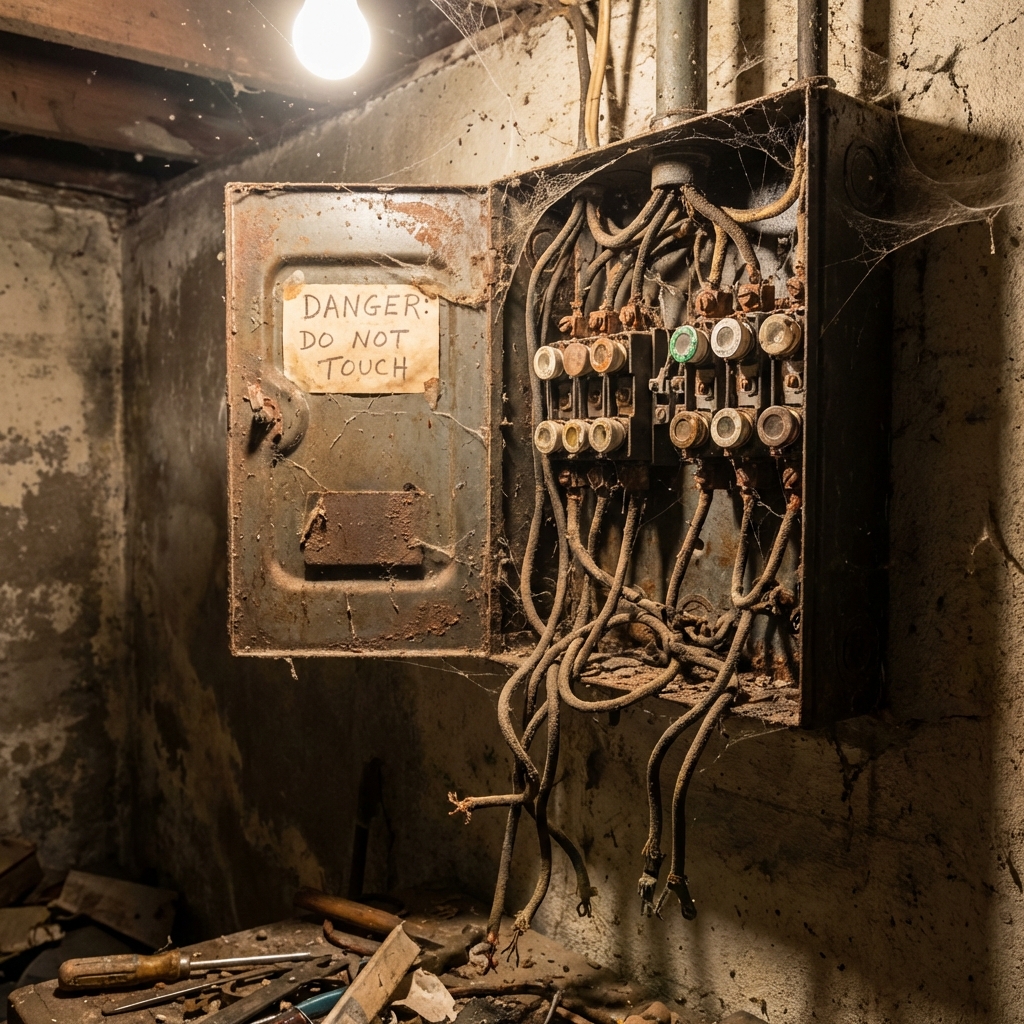
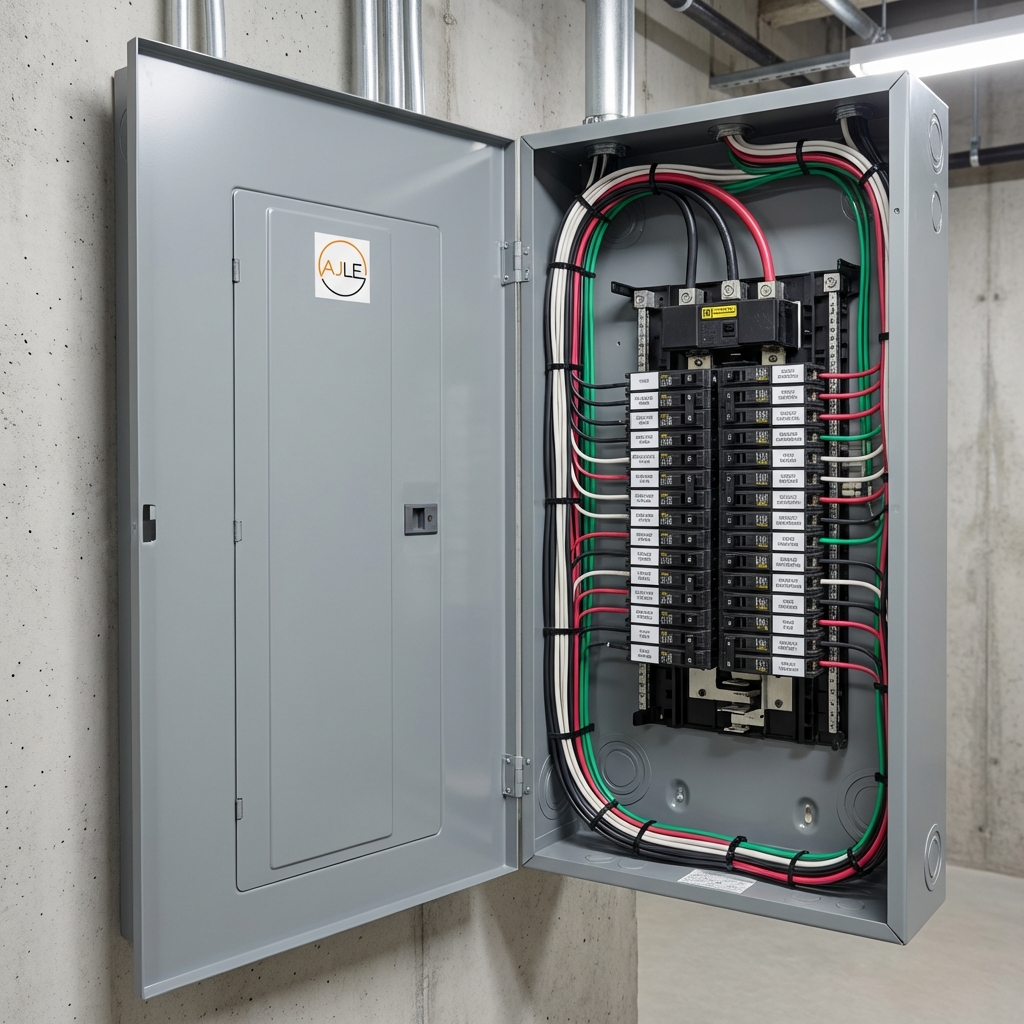
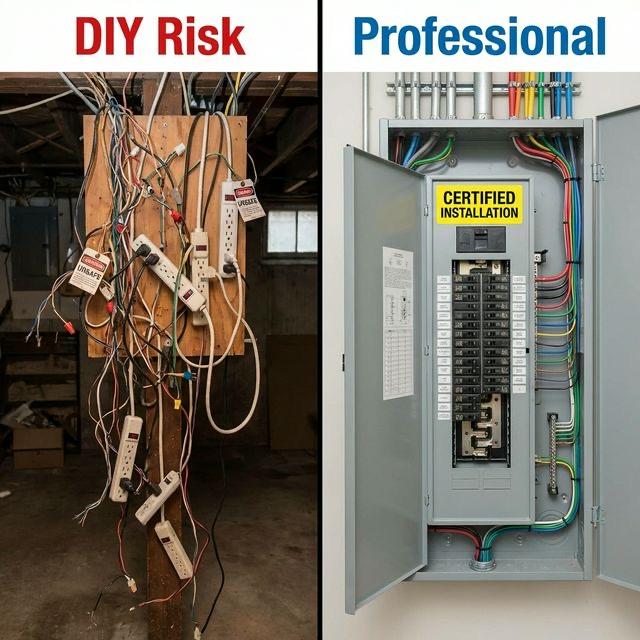
The dramatic difference between an outdated panel and a modern replacement by AJ Long Electric.
Cost Considerations and Return on Investment
Understanding the investment involved in a panel upgrade helps homeowners make informed decisions. While costs vary based on specific circumstances, here is what Northern Virginia homeowners can typically expect:
Typical Cost Ranges
- 100 to 200 Amp Upgrade: $2,000 - $3,500
- 200 Amp Panel Replacement: $2,500 - $4,000
- 200 to 400 Amp Upgrade: $4,000 - $6,000+
- Meter Base Replacement (if required): $500 - $1,500 additional
Factors That Affect Cost
- Panel Location: Panels in difficult-to-access areas cost more to replace.
- Utility Requirements: Some upgrades require utility company involvement and may have associated fees.
- Permit Fees: Fairfax County, Arlington, and Alexandria all require permits for panel work.
- Additional Circuits: If you are adding circuits during the upgrade, costs increase accordingly.
- Code Updates: Bringing other aspects of your system up to current code may be required.
Return on Investment
A panel upgrade typically provides ROI in several ways:
- Insurance Benefits: Many insurance companies offer discounts for modern electrical systems. Some insurers will not cover homes with known problem panels like Federal Pacific.
- Home Value: Appraisers and buyers recognize the value of updated electrical systems.
- Avoided Damage: Preventing an electrical fire or equipment damage far exceeds the cost of the upgrade.
- Energy Efficiency: Modern panels with proper circuits can support more efficient appliances and reduce energy waste.
Electrical Fire Statistics and Safety
Understanding the real risks associated with outdated electrical systems helps put the importance of panel upgrades in perspective:
Key Statistics
- Electrical failures cause approximately 51,000 home fires annually in the United States (NFPA).
- These fires result in approximately 500 deaths and 1,400 injuries each year.
- Property damage from electrical fires exceeds $1.3 billion annually.
- Homes with Federal Pacific panels are estimated to be 2-3 times more likely to experience electrical fires.
- The majority of electrical fires occur in homes over 40 years old.
Northern Virginia's housing stock includes many homes built during the 1950s-1980s construction boom. These homes are now reaching the age where electrical systems require evaluation and often replacement. Being proactive about panel safety is far preferable to dealing with the consequences of an electrical fire.
What to Expect: The Panel Upgrade Process
Understanding what happens during a panel upgrade helps homeowners prepare and reduces anxiety about the process. Here is what you can expect when AJ Long Electric performs your panel replacement:
Step 1: Initial Assessment and Quote
We begin with a thorough evaluation of your current electrical system, including:
- Inspecting your existing panel and its condition
- Evaluating your current and future electrical needs
- Checking the meter base and utility connection
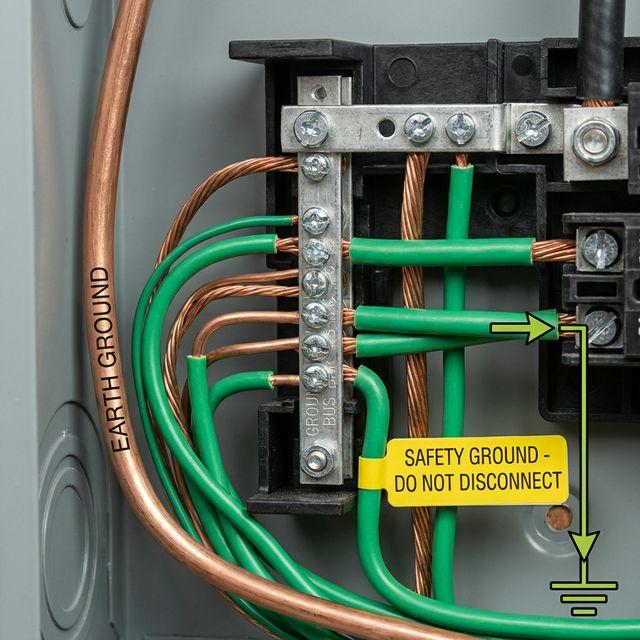
- Reviewing your home's grounding system
- Providing a detailed written estimate
Step 2: Permits and Utility Coordination
We handle all the paperwork and coordination:
- Pulling required permits from your local jurisdiction (Fairfax County, Arlington, Alexandria)
- Coordinating with Dominion Energy if meter changes are needed
- Scheduling the work at a convenient time for you
Step 3: Installation Day
On installation day, here is what typically happens:
- Power Disconnection: We coordinate with the utility to safely disconnect power.
- Old Panel Removal: The existing panel is carefully removed.
- New Panel Installation: The new panel is mounted and connected.
- Circuit Transfer: All existing circuits are transferred to the new panel.
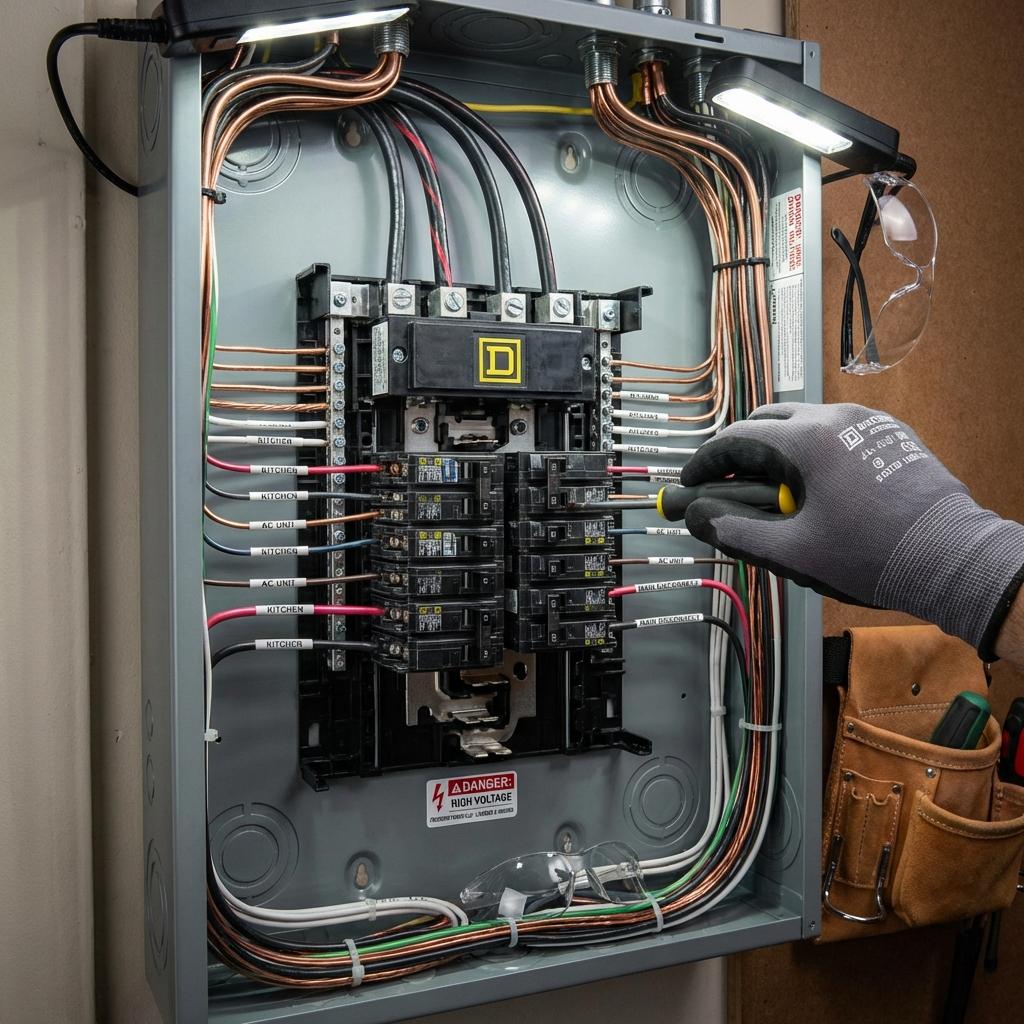
- Labeling: Every circuit is clearly labeled for easy identification.
- Testing: All circuits and safety devices are tested for proper operation.
- Power Restoration: Power is restored and verified throughout the home.
Most residential panel upgrades take 4-8 hours to complete. Plan to be without power for most of this time.
Step 4: Inspection
After installation, a county electrical inspector will verify the work meets all code requirements. We schedule and coordinate this inspection, which typically occurs within 1-3 business days of completion.
Step 5: Final Walkthrough
We provide a complete walkthrough of your new panel, including:
- Explanation of all circuit labels
- Demonstration of GFCI and AFCI reset procedures
- Overview of any maintenance considerations
- Answers to any questions you may have
Frequently Asked Questions
How do I know if I have a Federal Pacific panel?
Look for "Federal Pacific Electric" or "FPE" printed on the panel door or inside the panel. The breakers will say "Stab-Lok" and often have a distinctive red stripe. If you are unsure, send us a photo and we can help identify your panel type.
Can I upgrade my panel myself?
No. Electrical panel work requires a licensed electrician and permits in Virginia. Working on your main electrical panel without proper training is extremely dangerous and illegal. Additionally, DIY electrical work can void your homeowner's insurance and create liability issues when selling your home.
How long does a panel upgrade take?
Most residential panel upgrades take 4-8 hours to complete. Your power will be off for most of this time, so plan accordingly. We recommend scheduling the work on a day when you can be away from home if needed.
Do I need a permit for a panel upgrade in Fairfax County?
Yes, all electrical panel replacements in Fairfax County, Arlington, and Alexandria require permits and inspections. AJ Long Electric handles all permit applications and coordinates inspections as part of our service.
Will my insurance cover a panel upgrade?
Panel upgrades are typically considered improvements rather than covered repairs. However, if you have a known problem panel (like Federal Pacific), your insurance company may require replacement to continue coverage or may offer incentives for upgrading.
How often should electrical panels be replaced?
Electrical panels typically last 25-40 years. However, panels from certain manufacturers (FPE, Zinsco) should be replaced regardless of age. We recommend having your panel professionally inspected every 10 years, especially in homes over 25 years old.
What size panel do I need?
Most modern homes in Northern Virginia benefit from a 200-amp panel. Homes with electric vehicle chargers, pools, hot tubs, or extensive workshop equipment may need 300-400 amp service. We will assess your specific needs during our evaluation.
Can I add circuits during a panel upgrade?
Yes, and this is often the ideal time to do so. Adding circuits for EV chargers, home offices, outdoor lighting, or dedicated appliance circuits is more cost-effective when done during a panel upgrade.
Serving Northern Virginia Communities
AJ Long Electric provides panel upgrade and electrical services throughout Northern Virginia, including:
- Fairfax - Including Fairfax City, Fairfax Station, and surrounding areas
- Arlington - All neighborhoods including Clarendon, Ballston, and Crystal City
- Alexandria - Old Town, Del Ray, and west Alexandria
- Vienna, McLean, and Great Falls
- Ashburn, Leesburg, and Loudoun County
- Springfield, Burke, and Annandale
- Reston, Herndon, and Sterling
Trust AJ Long Electric for Your Panel Upgrade
If you have noticed any of these signs, do not wait. An outdated or failing panel is a safety hazard that puts your home and family at risk. The expert electricians at AJ Long Electric provide comprehensive panel upgrade and replacement services throughout Northern Virginia, ensuring your home's electrical system is safe, reliable, and up to code.
We offer free estimates and honest assessments. If your panel does not need replacement, we will tell you. If it does, we will explain exactly why and provide a clear path forward.
Or call us at 703-997-0026