Your Complete Guide to Winter Electrical Safety in Northern Virginia
Published: January 18, 2025 | Updated: December 4, 2025
As winter arrives in Northern Virginia, increased electrical demand, harsh weather, and holiday festivities create a perfect storm of potential hazards. From Fairfax to Loudoun County, homeowners face unique challenges including ice storms, power outages, and the strain of heating systems running overtime. Proper electrical safety is crucial to ensuring a cozy and secure season for your family.
Northern Virginia winters typically bring temperatures ranging from the 20s to 40s, with occasional ice storms and snow events that can knock out power for hours or even days. This comprehensive guide covers everything you need to know about keeping your home electrically safe throughout the coldest months, from space heater usage to generator safety and emergency preparedness.
Top Winter Electrical Safety Concerns in Northern Virginia
- Space Heater Overloads: A leading cause of winter home fires, responsible for an estimated 1,700 fires annually in the U.S.
- Holiday Lighting Hazards: Damaged or improperly used lights pose fire and shock risks.
- Generator Dangers: Improper use leads to carbon monoxide poisoning, causing approximately 70 deaths per year.
- Weather-Related Damage: Ice, snow, and wind can damage exterior electrical systems and power lines.
- Overloaded Circuits: Winter heating demands strain older electrical panels, especially in homes built before 1990.
- Frozen Pipes and Heat Tape: Improperly installed heat tape can cause fires.
- Electric Blanket and Heating Pad Risks: Old or damaged heating devices can malfunction.
1. Space Heater Safety: Understanding Wattage and Circuit Capacity
Space heaters are one of the most common causes of winter house fires in Virginia. According to the National Fire Protection Association, heating equipment is the second leading cause of home fires and the third leading cause of home fire deaths. Understanding how to use space heaters safely can literally save lives.
Critical Safety Rule:
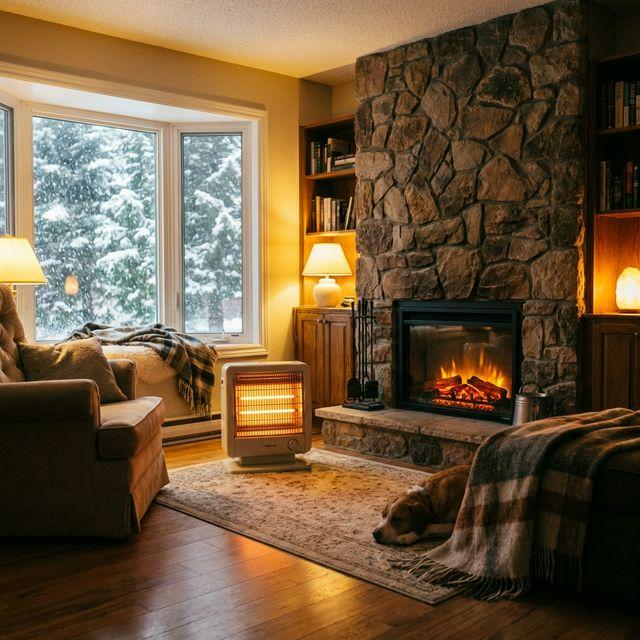
Never plug a space heater into a power strip or extension cord. Always plug it directly into a wall outlet. Extension cords can overheat and ignite, especially with high-wattage appliances.
Understanding Space Heater Wattage
Most portable space heaters operate at 1,500 watts on their highest setting. Here is what that means for your home's electrical system:
- 15-amp circuit: Can safely handle about 1,440 watts (80% of capacity). One 1,500W heater on a 15-amp circuit is already pushing the limit.
- 20-amp circuit: Can safely handle about 1,920 watts. Still, running multiple heaters on the same circuit is dangerous.
- Shared circuits: Remember that outlets in the same room often share a circuit. A space heater plus a lamp plus a TV can easily overload a 15-amp circuit.
Complete Space Heater Safety Checklist
- Keep heaters at least 3 feet from combustible materials including curtains, bedding, furniture, and rugs.
- Ensure the circuit can handle the heater's wattage. If breakers trip frequently, you need a dedicated circuit.
- Turn off heaters when leaving the room or sleeping. Never leave them unattended.
- Choose heaters with automatic shut-off features that activate if tipped over or overheated.
- Place heaters on flat, stable surfaces away from foot traffic.
- Keep children and pets away from space heaters.
- Never use a space heater with a damaged cord, plug, or housing.
- Check that your smoke alarms are working properly on every level of your home.
Pro Tip from AJ Long Electric:
If you frequently rely on space heaters, consider having a licensed electrician install a dedicated circuit with surge protection for safer, more reliable heating. This is especially important in older Northern Virginia homes with outdated wiring.
2. Holiday Lighting Safety: Indoor and Outdoor Guidelines
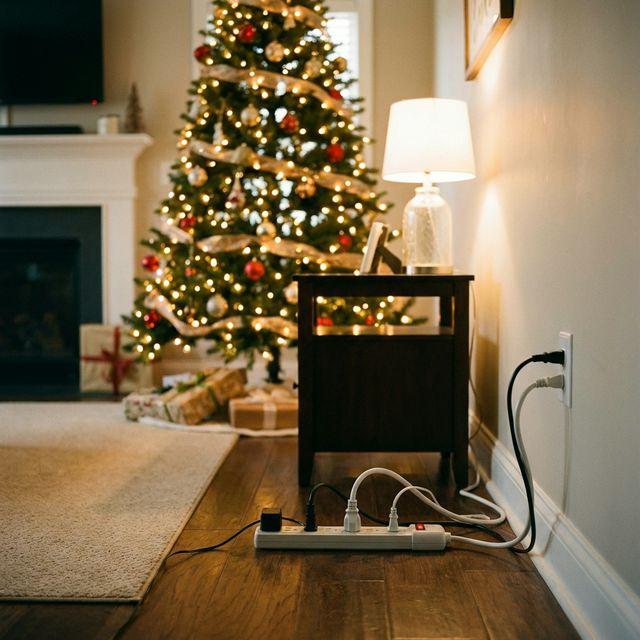
Holiday lights bring cheer to Northern Virginia neighborhoods from Thanksgiving through the New Year. However, improper use of holiday lighting causes an estimated 770 house fires annually in the United States. Here is how to decorate safely.
Outdoor Holiday Lighting Safety
- Use outdoor-rated lights only: Look for the UL listing and check that lights are specifically rated for outdoor use. Indoor lights lack the weatherproofing needed for moisture, ice, and temperature extremes.
- Inspect before installing: Check all light strings for frayed wires, cracked sockets, or broken bulbs. Replace damaged strands entirely, not individual bulbs.
- Use GFCI-protected outlets: All outdoor decorations should be plugged into Ground Fault Circuit Interrupter outlets. If your outdoor outlets lack GFCI protection, consider having them upgraded.
- Secure lights properly: Use insulated hooks or clips designed for holiday lights. Never use nails or staples that can damage wire insulation.
- Keep connections dry: Elevate connections off the ground and cover them with weatherproof covers to prevent moisture infiltration.
- Avoid overloading circuits: Most outdoor circuits are 15 or 20 amps. Calculate total wattage before connecting multiple light strings.
Indoor Holiday Lighting Safety
- Never connect more than three light strings together unless manufacturer specifications allow it.
- Keep lights away from flammable materials, including live Christmas trees that dry out over time.
- Turn off all holiday lights before leaving home or going to bed.
- Consider using timers to automate lighting schedules and prevent forgetting to turn them off.
- Water live trees regularly as dry trees become extreme fire hazards.
LED vs. Incandescent: A Smart Choice for Safety
LED holiday lights offer significant safety advantages over traditional incandescent lights:
- Lower heat output: LEDs run cool to the touch, dramatically reducing fire risk.
- Energy efficiency: LEDs use up to 90% less electricity, reducing circuit load and energy costs.
- Durability: LED bulbs are more resistant to breakage and last 10-25 times longer.
- Longer strings: You can safely connect more LED strings together due to their lower power draw.
3. Generator Safety During Winter Power Outages
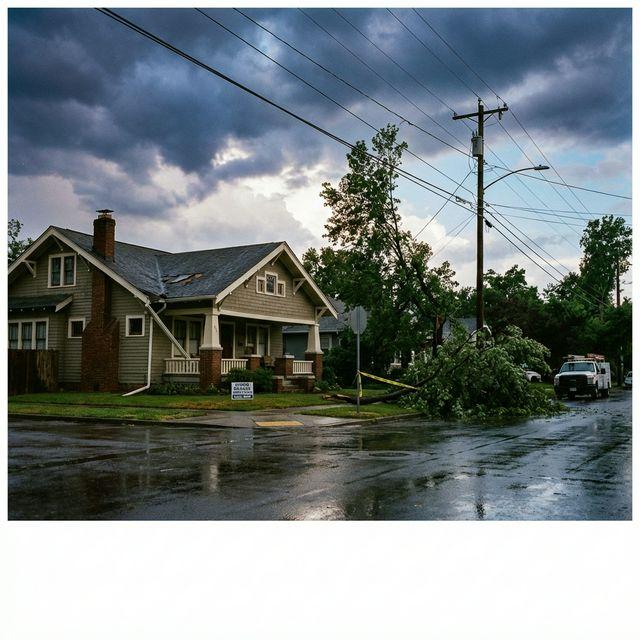
Winter storms in Northern Virginia can knock out power for extended periods. Ice accumulation on power lines is particularly common in our region. While generators provide essential backup power, improper use is responsible for dozens of carbon monoxide deaths each winter.
Carbon Monoxide Warning:
Never operate a generator inside your home, garage, basement, or any enclosed space. Carbon monoxide (CO) is odorless and colorless. Within minutes, dangerous CO levels can accumulate, leading to unconsciousness and death.
Portable Generator Safety Rules
- Position portable generators at least 20 feet from all doors, windows, and vents, with exhaust pointing away from the house.
- Install battery-operated or battery-backup carbon monoxide detectors on every level of your home.
- Never run a generator in rain or snow. Use a canopy or tarp to protect it while ensuring adequate ventilation.
- Let generators cool before refueling. Gasoline spilled on hot components can ignite.
- Store fuel in approved containers away from living areas and heat sources.
- Never connect a generator directly to your home's wiring without a professionally installed transfer switch. This is called "backfeeding" and can electrocute utility workers and neighbors.
The Case for Whole-House Generators
For Northern Virginia homeowners who experience frequent or extended outages, a professionally installed whole-house generator offers significant advantages:
- Automatic operation: Starts within seconds of a power outage without any manual intervention.
- Safe installation: Includes proper transfer switch installation that prevents backfeeding.
- Natural gas or propane powered: No need to store gasoline or refuel during storms.
- Whole-house coverage: Powers all essential systems including HVAC, refrigeration, and sump pumps.
Ready for Reliable Backup Power?
Learn more about our professional generator installation services and how a whole-house generator can protect your family during Northern Virginia winter storms.
4. Carbon Monoxide Risks and Prevention
Carbon monoxide poisoning peaks during winter months, and portable generators are a leading cause. However, they are not the only risk. Here is a comprehensive look at CO dangers and how to protect your family.
Sources of Carbon Monoxide in Winter
- Portable generators: The most common cause of CO poisoning deaths during power outages.
- Gas furnaces and boilers: Can produce CO if not properly maintained or vented.
- Gas water heaters: Similar risks to furnaces when ventilation is compromised.
- Fireplaces and wood stoves: Blocked chimneys or poor ventilation create CO buildup.
- Attached garages: Running vehicles in attached garages can allow CO to seep into living spaces.
- Propane or kerosene heaters: Should only be used in well-ventilated areas.
CO Detector Placement and Maintenance
- Install CO detectors on every level of your home and near all sleeping areas.
- Test detectors monthly and replace batteries at least once per year.
- Replace CO detectors every 5-7 years according to manufacturer guidelines.
- Consider combination smoke and CO detectors for comprehensive protection.
- If your CO alarm sounds, evacuate immediately and call 911 from outside.
Symptoms of Carbon Monoxide Poisoning:
Headache, dizziness, weakness, nausea, vomiting, chest pain, and confusion. If multiple family members experience these symptoms simultaneously, suspect CO poisoning and evacuate immediately.
5. Protecting Outdoor Outlets and Electrical Components from Ice and Snow
Northern Virginia's winter weather includes ice storms, freezing rain, and heavy snow that can damage outdoor electrical systems. Protecting these components extends their life and prevents hazardous conditions.
Outdoor Outlet Protection
- Install weatherproof covers: "In-use" covers protect outlets even when a cord is plugged in. Standard flip covers only work when outlets are not in use.
- Ensure GFCI protection: All outdoor outlets should be GFCI protected to prevent shock hazards from moisture.
- Clear ice carefully: Never chip ice off outlets with metal tools. Use warm water or allow natural thawing.
- Inspect after storms: Check outdoor outlets for signs of water intrusion, corrosion, or damage after major weather events.
- Disconnect outdoor appliances: Unplug pond pumps, outdoor lighting, and other seasonal equipment during severe weather.
Electrical Panel and Meter Protection
- Keep the area around your electrical meter and panel clear of snow and ice accumulation.
- Ensure the meter base and panel weatherhead are properly sealed against moisture.
- Trim tree branches that could fall on service entrance wires during ice storms.
- Know the location of your main breaker in case of emergency shut-off needs.
6. Heat Tape for Pipe Freeze Prevention: Proper Installation and Safety
Heat tape (also called heat cable) is commonly used in Northern Virginia to prevent pipes from freezing in crawl spaces, attics, and along exterior walls. However, improper installation or use of damaged heat tape is a significant fire hazard.
Heat Tape Safety Guidelines
- Use the right type: Choose heat tape designed for your specific application (plastic pipes vs. metal pipes, water supply vs. drain lines).
- Never overlap heat tape: Overlapping can cause dangerous hot spots that may ignite insulation or pipe materials.
- Inspect annually: Check for cracks, bare wires, or burn marks before each winter season.
- Replace old heat tape: Heat tape has a limited lifespan. Replace it according to manufacturer recommendations, typically every 3-5 years.
- Use GFCI outlets: Always plug heat tape into GFCI-protected outlets.
- Follow manufacturer instructions: Improper installation is the leading cause of heat tape fires.
- Consider professional installation: For complex installations, have a licensed electrician or plumber install heat tape correctly.
Heat Tape Warning Signs:
If you notice discoloration, a burning smell, or visible damage to heat tape, disconnect it immediately and have it inspected or replaced. Damaged heat tape is a serious fire risk.
7. Electric Fireplace, Heating Pad, and Electric Blanket Safety
Electric fireplaces, heating pads, and electric blankets provide comfortable warmth during cold Northern Virginia nights. However, these devices require proper care to prevent fires and injuries.
Electric Fireplace Safety
- Plug electric fireplaces directly into wall outlets, never into extension cords or power strips.
- Maintain at least 3 feet of clearance from combustible materials.
- Never leave electric fireplaces unattended or running while sleeping.
- Ensure your circuit can handle the wattage. Most electric fireplaces draw 1,500 watts.
- Keep the air intake and heating elements clean and unobstructed.
- Turn off and unplug when not in use for extended periods.
Heating Pad and Electric Blanket Safety
- Inspect before each use: Check for frayed wires, scorch marks, or damaged controls.
- Replace old units: Electric blankets and heating pads older than 10 years should be replaced.
- Never fold while in use: Folding can damage internal wiring and create hot spots.
- Do not sleep with heating pads: Turn them off before falling asleep to prevent burns.
- Keep dry: Never use heating pads or electric blankets when wet or near water.
- Follow manufacturer guidelines: Do not use electric blankets with adjustable beds unless specifically rated for that use.
8. Pre-Winter Electrical System Check-Up
Your electrical panel works harder in winter than any other season. Between heating systems, holiday lighting, and supplemental heaters, your home's electrical demand can double or triple. A pre-season inspection is a smart investment in safety and peace of mind.
Professional Inspection Checklist
- Schedule a professional inspection of your electrical panel before the heating season begins.
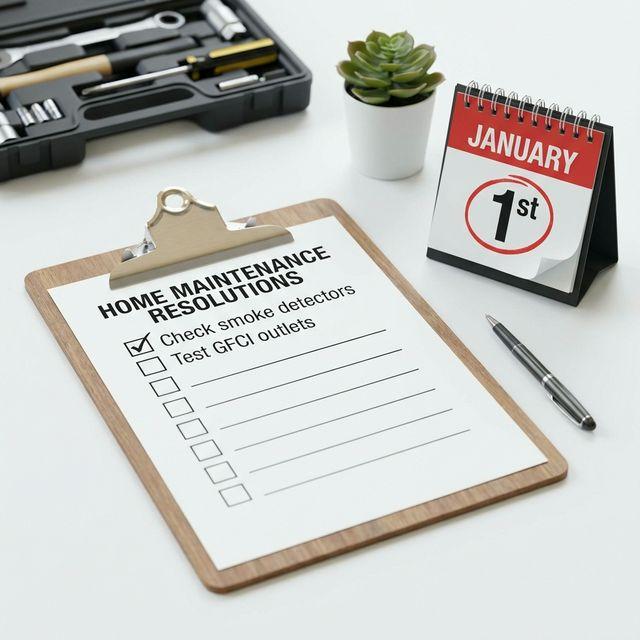
- Test all circuit breakers, including GFCI and AFCI outlets throughout your home.
- Check for signs of corrosion or overheating at the panel, including discolored wires or a burning smell.
- Ensure the area around your panel is clear and accessible for emergency shut-off.
- Verify that all smoke and carbon monoxide detectors are functional with fresh batteries.
- Inspect attic and basement wiring for signs of pest damage or deterioration.
Signs Your Electrical System Needs Attention
- Frequent circuit breaker trips, especially when using heating appliances.
- Flickering or dimming lights when appliances turn on.
- Warm or discolored outlet covers.
- Burning smell from outlets or the electrical panel.
- Sparking when plugging in or unplugging devices.
- Two-prong outlets in older homes (indicating outdated wiring without grounding).
- Fuse box instead of modern circuit breakers.
Protect Your Home from Power Surges:
Winter storms can cause power surges when electricity is restored after outages. Consider installing whole-house surge protection to safeguard your electronics and appliances from damaging voltage spikes.
9. When to Call an Emergency Electrician During Winter
Some electrical situations require immediate professional attention. Knowing when to call for emergency electrical service can prevent property damage, injury, or worse.
Call Immediately If You Experience:
- Burning smell from outlets or panel: This indicates overheating and potential fire. Turn off the circuit if safe and call immediately.
- Sparking outlets: Occasional small sparks can be normal, but repeated or large sparks indicate a serious problem.
- Loss of power to heating system: In freezing temperatures, this constitutes an emergency to prevent frozen pipes and unsafe living conditions.
- Frequent breaker trips: Especially if the same circuit keeps tripping, this indicates an overload or wiring problem.
- Humming or buzzing from panel: Unusual sounds from your electrical panel suggest loose connections or failing components.
- Water near electrical equipment: After flooding, ice dam leaks, or burst pipes near electrical systems.
- Downed power lines on property: Stay at least 35 feet away and call 911 and your utility company immediately.
Electrical Fire Safety:
If you suspect an electrical fire, do NOT use water to extinguish it. Use a Class C fire extinguisher or evacuate and call 911. Water conducts electricity and can cause electrocution.
10. Preparing for Winter Power Outages
Northern Virginia experiences several significant power outages each winter, often lasting hours or even days during major ice storms. Preparation is key to staying safe and comfortable.
Essential Power Outage Kit
- Battery-powered or hand-crank flashlights and lanterns (avoid candles when possible).
- Battery-powered radio for emergency information.
- Extra batteries in various sizes.
- Fully charged portable phone chargers.
- Non-perishable food and manual can opener.
- Bottled water (one gallon per person per day for three days).
- First aid kit with necessary medications.
- Warm blankets and extra clothing layers.
- Cash in small denominations (ATMs may be offline).
Related Reading:
For a complete guide to power outage preparation, see our detailed article: Power Outage Preparation and Electrical Safety for Northern Virginia Homes.
Frequently Asked Questions: Winter Electrical Safety
How many space heaters can I safely run on one circuit?
Most household circuits are 15 or 20 amps. A typical 1,500-watt space heater draws 12.5 amps, which means you should only run ONE space heater per circuit. Running multiple heaters on the same circuit will likely trip the breaker or, worse, cause overheating in the wiring. If you need supplemental heating in multiple rooms, ensure each heater is on a separate circuit.
Can I use an extension cord with my space heater?
No. Space heaters should always be plugged directly into a wall outlet. Extension cords and power strips are not designed to handle the high wattage of space heaters and can overheat, melt, or cause fires. If your outlet is not conveniently located, consider having an electrician install an additional outlet.
How far should a portable generator be from my house?
Portable generators should be positioned at least 20 feet away from your home, with the exhaust pointing away from all doors, windows, and vents. Carbon monoxide from generators is odorless and can be fatal within minutes if it accumulates in enclosed spaces.
What should I do if my outdoor outlets are covered in ice?
Do not chip or force ice off electrical outlets with tools. Wait for natural thawing or use a hair dryer on a low setting from a safe distance. If you suspect water intrusion, have a licensed electrician inspect the outlet before use. Also ensure your outdoor outlets have proper weatherproof "in-use" covers installed.
When should I call an emergency electrician in winter?
Call an emergency electrician immediately if you experience frequent breaker trips, burning smells from outlets or panels, sparking outlets, loss of power to heating systems, or any signs of electrical fire. Do not attempt DIY repairs on these issues. In Northern Virginia's freezing temperatures, loss of heating power is considered an emergency.
Is it safe to run holiday lights 24/7?
While modern LED holiday lights are safer than incandescent lights, it is not recommended to run them 24/7. Use a timer to turn lights off during daytime hours and while sleeping. This reduces energy consumption, extends bulb life, and minimizes fire risk. Never leave holiday lights on when you leave home for extended periods.
How old is too old for an electrical panel?
If your electrical panel is more than 25-30 years old, it may not meet current safety standards or handle modern electrical demands. Panels with fuses instead of breakers, Federal Pacific or Zinsco brand panels, or panels showing signs of corrosion or overheating should be replaced. Many older Northern Virginia homes still have outdated panels that pose safety risks.
Can I install a generator transfer switch myself?
No. Transfer switch installation requires working with your home's main electrical panel and utility service entrance. This is dangerous work that must be performed by a licensed electrician and typically requires an electrical permit and inspection. Improper installation can result in electrocution of utility workers through backfeeding.
Stay Safe and Warm This Winter
Do not let an electrical hazard ruin your winter season. A professional safety inspection can identify and resolve issues before they become emergencies. Serving Fairfax, Loudoun, Prince William, and all of Northern Virginia.