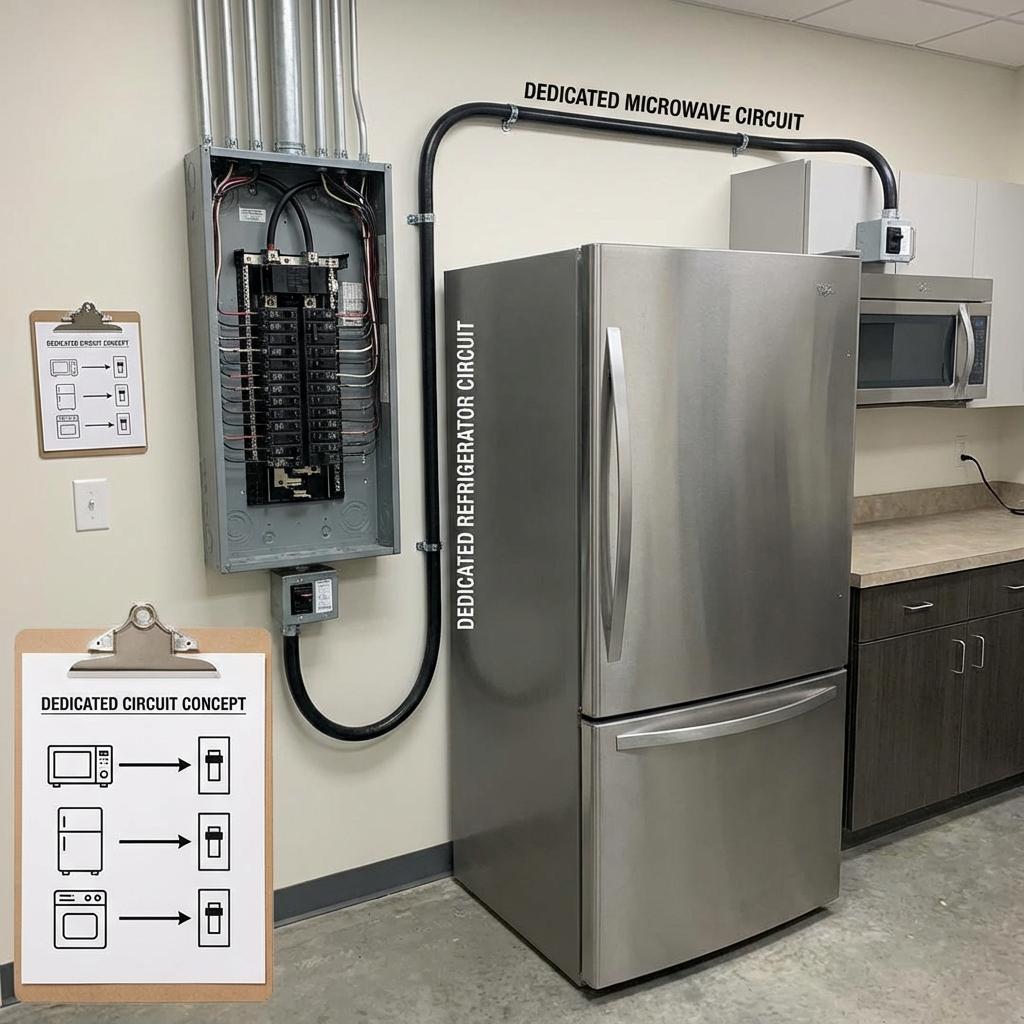
If you've ever experienced flickering lights when your microwave turns on, breakers that trip when running multiple appliances, or outlets that feel warm to the touch, you're likely dealing with circuit overload issues. The solution? Dedicated electrical circuits.

For homeowners across Northern Virginia—from Fairfax and Arlington to Alexandria and Ashburn—understanding when you need dedicated circuits is essential for electrical safety, code compliance, and protecting your valuable appliances and electronics.

At AJ Long Electric, we've installed thousands of dedicated circuits throughout the DMV area since 1996. This comprehensive guide will explain exactly what dedicated circuits are, which appliances require them, how to identify if you need one, and what to expect regarding costs and installation in Virginia.

What Is a Dedicated Electrical Circuit?

A dedicated electrical circuit is a circuit that serves only one appliance or outlet. Unlike standard circuits that power multiple outlets and lights throughout a room, a dedicated circuit runs directly from your electrical panel to a specific device without sharing the load with anything else.

Think of it like having a private highway for one vehicle rather than sharing a congested road with multiple cars. The dedicated circuit ensures your appliance receives consistent, uninterrupted power without interference or competition from other electrical devices.

Key Characteristics of Dedicated Circuits

  • Single purpose: Serves only one appliance or outlet
  • Direct connection: Runs straight from the electrical panel to the appliance
  • Properly sized: Wire gauge and breaker amperage match appliance requirements
  • Code compliant: Meets National Electrical Code (NEC) and local Virginia requirements
  • Safety focused: Prevents overloading and reduces fire risk

Why Dedicated Circuits Matter

Modern homes use significantly more electricity than homes built even 20 years ago. Between smart home devices, high-efficiency appliances, electric vehicles, and countless electronics, the electrical demand has increased dramatically. Dedicated circuits ensure your electrical system can safely handle these loads.

Appliances That Require Dedicated Circuits

Both the National Electrical Code and Virginia electrical codes mandate dedicated circuits for certain appliances. Here's a comprehensive breakdown of what requires dedicated circuits in your Northern Virginia home:

Major Kitchen Appliances

The kitchen is the most electrically demanding room in your home. These appliances require dedicated circuits:

Refrigerator

  • Circuit requirement: 15-20 amp, 120-volt dedicated circuit
  • Why it's needed: Refrigerators cycle on and off throughout the day. If they share a circuit with other appliances, there's risk of tripping the breaker and losing refrigeration, potentially spoiling hundreds of dollars of food
  • Code requirement: While not always explicitly required by older code, modern best practice and most manufacturers require dedicated circuits
  • Pro tip: Never plug a refrigerator into a GFCI outlet, as nuisance tripping can occur

Dishwasher

  • Circuit requirement: 15-20 amp, 120-volt dedicated circuit
  • Why it's needed: Dishwashers draw significant power to heat water and run motors
  • Code requirement: NEC mandates dedicated circuits for dishwashers
  • Additional requirement: Must have GFCI protection per current code. Learn more about GFCI requirements

Garbage Disposal

  • Circuit requirement: 15-20 amp, 120-volt dedicated circuit
  • Why it's needed: Disposals have high startup current draw that can trip shared circuits
  • Code requirement: Required by NEC
  • Installation note: Often hardwired rather than plugged in, and should have a switch at the sink

Built-In Microwave

  • Circuit requirement: 20 amp, 120-volt dedicated circuit
  • Why it's needed: Microwaves draw 1,000-1,500+ watts, which can overload shared circuits
  • Code requirement: Recommended for built-in units; countertop microwaves can use small appliance circuits

Electric Range or Cooktop

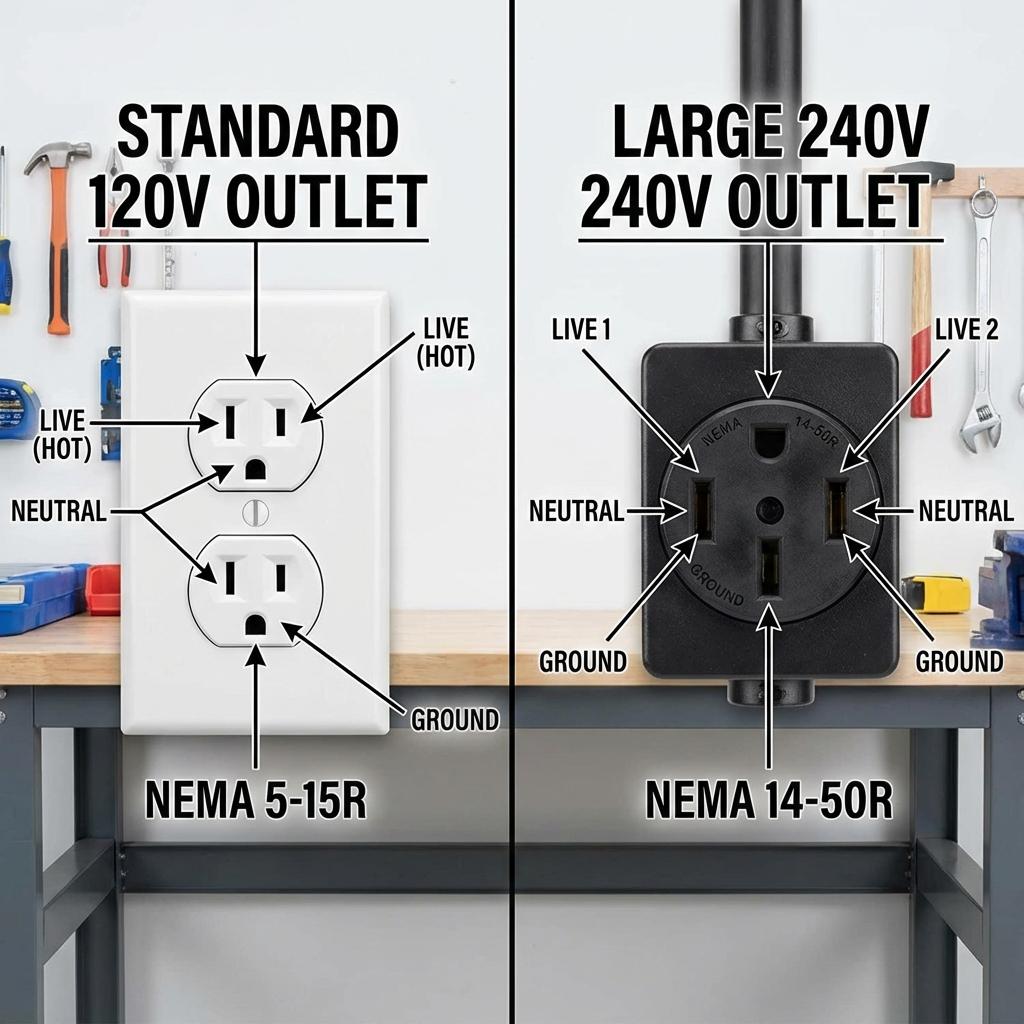
  • Circuit requirement: 40-50 amp, 240-volt dedicated circuit (depends on appliance specifications)
  • Why it's needed: High-wattage heating elements require substantial power
  • Code requirement: Absolutely required by code
  • Special consideration: Induction cooktops may require different amperage—always check manufacturer specs

Electric Wall Oven

  • Circuit requirement: 30-50 amp, 240-volt dedicated circuit
  • Why it's needed: Similar to ranges, wall ovens use high-wattage heating elements
  • Code requirement: Required by code
  • Double ovens: May require even higher amperage circuits

For complete kitchen electrical planning guidance, see our kitchen circuit requirements guide.

Laundry Room Appliances

Washing Machine

  • Circuit requirement: 20 amp, 120-volt dedicated circuit
  • Why it's needed: Modern washing machines, especially front-loaders and those with heating elements, draw significant power
  • Code requirement: Required by NEC for laundry areas
  • GFCI protection: Required if within 6 feet of sink or water source

Electric Dryer

  • Circuit requirement: 30 amp, 240-volt dedicated circuit
  • Why it's needed: Dryers use heating elements that draw substantial continuous power
  • Code requirement: Absolutely required
  • Important note: Older homes may have 3-prong outlets; modern code requires 4-prong outlets for better grounding

HVAC Systems

Central Air Conditioner

  • Circuit requirement: 15-60 amp, 240-volt dedicated circuit (varies by unit size)
  • Why it's needed: AC compressors require high starting current and continuous power
  • Code requirement: Required
  • Installation note: Requires disconnect box within sight of outdoor unit

Electric Furnace or Heat Pump

  • Circuit requirement: 15-60 amp, 240-volt dedicated circuit
  • Why it's needed: Heating elements draw substantial continuous power
  • Code requirement: Required
  • Northern Virginia climate: With our cold winters, heat pumps are increasingly common and require proper electrical support

Water-Related Equipment

Electric Water Heater

  • Circuit requirement: 30 amp minimum, 240-volt dedicated circuit (often 40-50 amp for larger tanks)
  • Why it's needed: Water heaters use high-wattage heating elements continuously
  • Code requirement: Required
  • Tankless heaters: May require even higher amperage—some need two 40-50 amp circuits

Sump Pump

  • Circuit requirement: 15-20 amp, 120-volt dedicated circuit
  • Why it's needed: Critical safety device that must operate reliably during storms
  • Code requirement: While not always explicitly required, strongly recommended for reliability
  • GFCI consideration: GFCI protection can cause nuisance tripping; some jurisdictions allow exceptions for sump pumps

Pool and Spa Equipment

  • Circuit requirement: Varies widely—15-50+ amp, both 120V and 240V circuits typically needed
  • Why it's needed: Pool pumps, heaters, and spa equipment draw substantial power
  • Code requirement: Extensive specific requirements for pool and spa electrical systems
  • Special considerations: Requires GFCI protection, proper bonding, and licensed electrician installation. See our pool electrical guide

Garage and Workshop Equipment

Electric Vehicle Charger

  • Circuit requirement: 40-60 amp, 240-volt dedicated circuit (Level 2 charging)
  • Why it's needed: EV chargers draw continuous high power for hours during charging
  • Code requirement: Required, with specific NEC Article 625 requirements
  • Growing demand: With increasing EV adoption in Northern Virginia, this is one of our most common requests. See our complete EV charger installation guide
  • Cost consideration: Installation ranges from $800-$2,500 depending on panel location and distance

Garage Door Opener

  • Circuit requirement: 15-20 amp, 120-volt dedicated circuit (recommended but not always required)
  • Why it's needed: Prevents interference with lighting and other garage circuits
  • Code requirement: Not always required but best practice
  • Smart openers: Modern Wi-Fi-enabled openers benefit from dedicated circuits for reliability

Workshop Tools and Equipment

  • Circuit requirement: 20-30 amp, 120-240 volt dedicated circuits depending on equipment
  • Why it's needed: Table saws, air compressors, welders, and other power tools draw high current
  • Code requirement: Depends on equipment specifications
  • Best practice: Install multiple 20-amp circuits for workshop areas

Home Office and Technology

Home Office Equipment

  • Circuit requirement: 20 amp, 120-volt dedicated circuit recommended
  • Why it's needed: Computers, monitors, printers, servers, and networking equipment can overload standard circuits
  • Code requirement: Not required but highly recommended for home offices
  • Benefit: Prevents loss of work due to tripped breakers; protects expensive equipment
  • Surge protection: Consider adding whole-home surge protection for sensitive electronics

Server Racks and Networking Equipment

  • Circuit requirement: 20-30 amp dedicated circuit for serious setups
  • Why it's needed: Servers, network switches, and UPS systems draw continuous power
  • Additional consideration: May need cooling/ventilation with associated electrical requirements

Signs You Need a Dedicated Circuit

How do you know if your home needs additional dedicated circuits? Watch for these warning signs:

1. Frequently Tripping Circuit Breakers

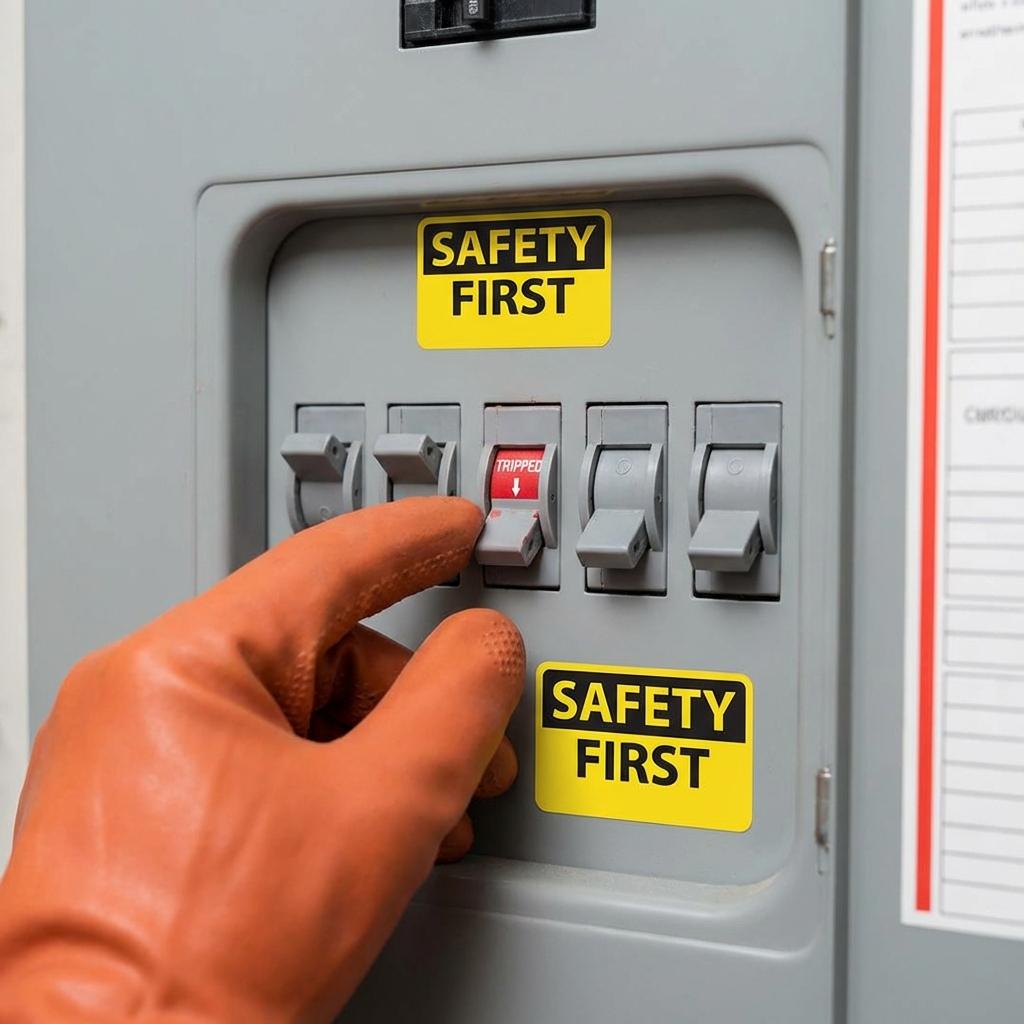
If you find yourself constantly resetting breakers, especially when using specific appliances or combinations of appliances, your circuits are overloaded. This is the most obvious sign you need dedicated circuits.

Safety Warning

Never ignore frequently tripping breakers. While inconvenient, breakers trip to prevent overheating and potential electrical fires. If a breaker trips repeatedly, it's doing its job—but you need to address the underlying overload issue.

2. Dimming or Flickering Lights

When lights dim or flicker as appliances turn on (refrigerator compressor, microwave, hair dryer), this indicates the appliance is drawing significant power from a shared circuit, causing voltage drop. Dedicated circuits eliminate this issue.

3. Warm or Discolored Outlets

Outlets that feel warm to the touch or show discoloration (yellowing or browning) around the faceplate are signs of overheating due to excessive current draw. This is a serious fire hazard requiring immediate attention.

4. Buzzing Sounds from Outlets or Switches

Buzzing, crackling, or humming sounds from outlets or switches indicate loose connections or overloading. This can lead to arcing and fire.

5. Burning Smell from Outlets or Panel

Any burning smell from electrical components is an emergency. Shut off the affected circuit immediately and call a licensed electrician. This indicates overheating that could cause fire.

6. Appliances Not Running at Full Power

If appliances seem to run slower or weaker than they should (slow blender, weak vacuum, dim lights), they may not be receiving adequate voltage due to circuit overload or voltage drop from long wire runs.

7. Unable to Use Multiple Appliances Simultaneously

If you can't run your microwave and toaster at the same time, or your hair dryer trips the breaker when the bathroom lights are on, you need additional circuits or dedicated circuits for major loads.

8. Old or Outdated Electrical Panel

If your Northern Virginia home has a 60 or 100-amp electrical panel, it likely lacks sufficient circuits for modern appliances. Many older homes in areas like Old Town Alexandria and historic Fairfax need panel upgrades to accommodate dedicated circuits.

9. Adding New Appliances

Planning to install any of the major appliances listed above? Don't wait for problems—install dedicated circuits during the appliance installation. This is especially important for:

  • Kitchen remodels adding new appliances
  • EV charger installations
  • Hot tub or pool equipment
  • Home office setups with multiple computers
  • Workshop or garage equipment

10. Code Compliance for Home Sales

If you're selling your Northern Virginia home, electrical code compliance is often required. Missing dedicated circuits for major appliances can delay sales or require price reductions. Getting ahead of this with proper circuit installation protects your home value.

Virginia Electrical Code Requirements for Dedicated Circuits

Virginia adopts the National Electrical Code (NEC) with some local amendments. Understanding these requirements helps ensure your home is safe and compliant:

National Electrical Code (NEC) Requirements

  • Article 210: Specifies branch circuit requirements including load calculations
  • Article 422: Details appliance requirements including which need dedicated circuits
  • Article 625: Covers electric vehicle charging equipment requirements
  • Article 680: Extensive requirements for swimming pool, spa, and hot tub electrical systems

Local Virginia Jurisdiction Requirements

Northern Virginia jurisdictions may have additional requirements:

  • Fairfax County: Strict enforcement of NEC requirements; permits required for circuit additions
  • Arlington County: Additional requirements for historic districts and older homes
  • City of Alexandria: Special provisions for historic properties in Old Town
  • Loudoun County: Growing rapidly with new construction standards
  • Prince William County: Standard NEC adoption with permit requirements

Permit and Inspection Requirements

Adding dedicated circuits in Northern Virginia requires:

  • Electrical permit: Must be obtained before work begins
  • Licensed electrician: Most jurisdictions require work be performed by licensed professionals
  • Inspection: Work must be inspected and approved by local electrical inspector
  • Code compliance: Must meet current NEC and local code requirements

At AJ Long Electric, we handle all permit applications and inspections as part of our service. Learn more about our installation process.

Cost to Add Dedicated Circuits in Northern Virginia

One of the most common questions we receive is: "How much does it cost to add a dedicated circuit?" Costs vary based on several factors:

Cost Factors

  • Circuit type: 120V vs 240V circuits have different material and labor costs
  • Amperage: Higher amperage circuits require heavier wire and larger breakers
  • Distance from panel: Longer wire runs increase material costs
  • Accessibility: Finished walls require more labor than open walls or basements
  • Panel capacity: If your panel is full, costs increase for subpanel or panel upgrade
  • Permit and inspection fees: Typically $50-$200 depending on jurisdiction
  • Additional work: Outlet installation, switch wiring, GFCI requirements

Typical Northern Virginia Pricing

Basic 120V, 15-20 Amp Circuits

  • Short run with easy access: $300-$500
  • Medium run through finished spaces: $500-$800
  • Long run or difficult access: $800-$1,200
  • Examples: Refrigerator, microwave, garbage disposal, bathroom outlets

240V, 30-50 Amp High-Power Circuits

  • Short run with easy access: $500-$800
  • Medium run through finished spaces: $800-$1,200
  • Long run or difficult access: $1,200-$2,000
  • Examples: Electric dryer, electric range, wall oven, water heater

GFCI or Specialty Circuits

  • GFCI-protected circuits: Add $50-$150 for GFCI devices
  • Outdoor circuits: $400-$900 depending on distance and burial requirements
  • Bathroom circuits: $400-$800 including GFCI requirements

EV Charger Circuits

  • Close to panel (under 25 feet): $800-$1,200
  • Medium distance (25-50 feet): $1,200-$1,800
  • Long distance (50+ feet): $1,800-$2,500+
  • Includes: 40-60 amp 240V circuit, proper conduit, dedicated breaker, and code-compliant installation

Panel Upgrades

If your panel lacks capacity for additional circuits:

  • Subpanel installation: $800-$1,500 (provides additional circuit capacity)
  • Panel upgrade (100A to 200A): $2,000-$4,000 (required for many older Northern Virginia homes)
  • Complete service upgrade: $3,000-$6,000+ (includes meter, panel, and service entrance)

For detailed pricing specific to your project, contact AJ Long Electric for a free estimate. See our cost guide for more electrical service pricing throughout Northern Virginia.

DIY vs. Professional Installation: What You Need to Know

While Virginia law allows homeowners to perform electrical work on their primary residence, there are important considerations:

Why Professional Installation Is Recommended

  • Safety: Working with electrical panels and circuits can be deadly without proper knowledge and equipment
  • Code compliance: Professionals understand complex code requirements and local amendments
  • Permit challenges: Most Northern Virginia jurisdictions require licensed electricians to pull permits
  • Inspection issues: DIY work often fails inspection, requiring costly rework
  • Insurance concerns: Homeowners insurance may not cover fires or damage from unpermitted DIY electrical work
  • Resale problems: Unpermitted electrical work must be disclosed and can complicate home sales
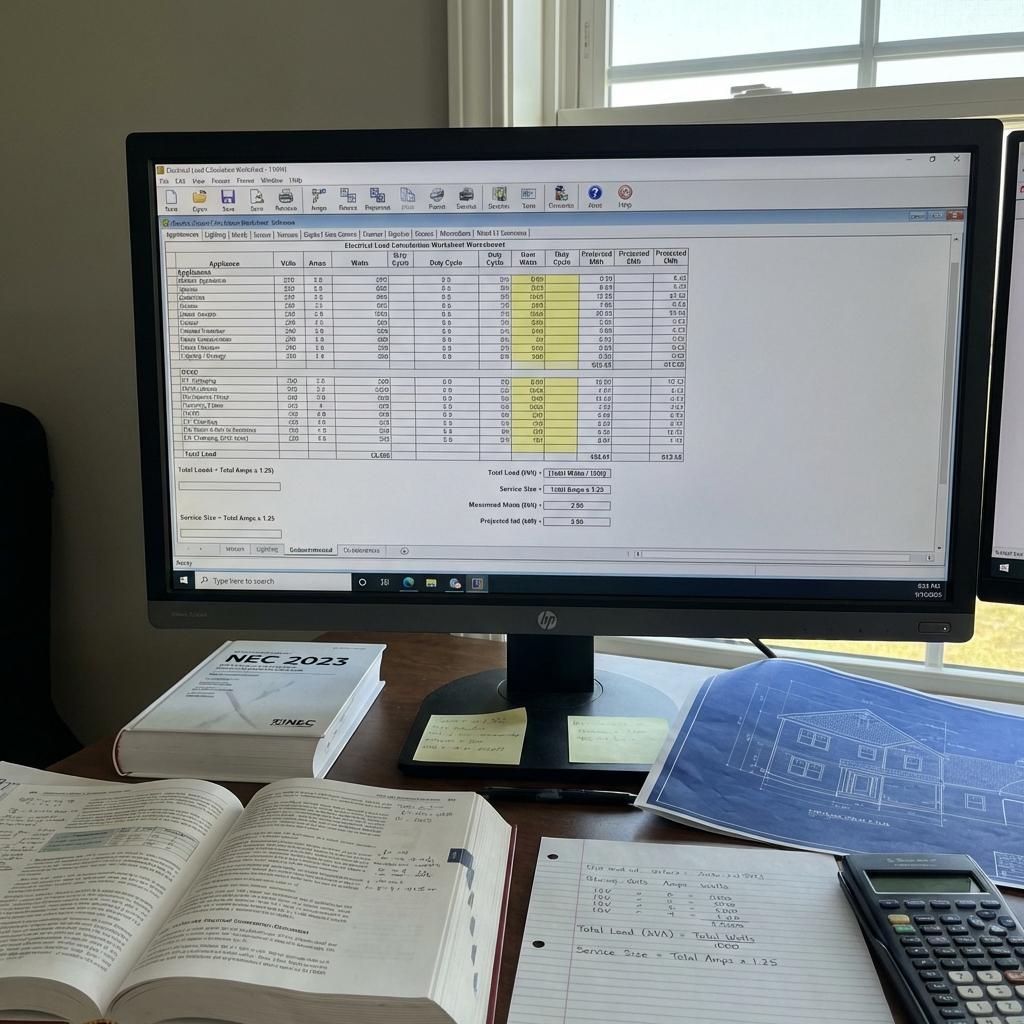
  • Load calculations: Proper circuit sizing requires electrical load calculations most homeowners can't perform
  • Panel capacity: Adding circuits to an already-loaded panel creates serious fire hazards

Safety First

Electrical work causes approximately 51,000 home fires annually in the United States, resulting in nearly 500 deaths, 1,400 injuries, and $1.3 billion in property damage according to NFPA data. Don't risk your family's safety—hire a licensed professional for circuit installations.

When to Definitely Hire a Professional

  • Any work involving your main electrical panel
  • 240V high-voltage circuits
  • Circuits requiring permits and inspections
  • EV charger installations
  • Pool and spa electrical work
  • Work in difficult-to-access areas
  • Homes with aluminum wiring or other safety concerns
  • Older homes that may need knob and tube wiring replacement

The Dedicated Circuit Installation Process

Understanding what to expect makes the process smoother. Here's how AJ Long Electric handles dedicated circuit installations in Northern Virginia:

Step 1: Initial Consultation and Assessment

  • Discuss your needs and which appliances require circuits
  • Assess your current electrical panel capacity
  • Determine circuit routing and accessibility
  • Identify any code compliance issues
  • Provide detailed written estimate

Step 2: Permit Application

  • We handle all permit applications with your local jurisdiction
  • Submit required documentation and plans
  • Pay permit fees (typically included in our estimates)
  • Schedule inspection appointments

Step 3: Material Procurement

  • Select appropriate wire gauge based on circuit requirements
  • Choose correct breaker type and amperage
  • Obtain necessary outlets, boxes, and conduit
  • Ensure all materials meet code requirements

Step 4: Installation Day

  • Power shutoff: We'll temporarily shut off power to work safely on the panel
  • Circuit routing: Run new wire from panel to appliance location
  • Panel work: Install new breaker and make connections
  • Outlet installation: Install outlets, boxes, or hardwired connections
  • Testing: Verify proper voltage, grounding, and functionality
  • Cleanup: Remove debris and restore work areas

Step 5: Inspection

  • Schedule inspection with local electrical inspector
  • Inspector verifies code compliance
  • Address any concerns (rare with professional installation)
  • Obtain approval and signed permit

Step 6: Final Walkthrough

  • Demonstrate proper circuit operation
  • Provide circuit labeling information
  • Answer any questions
  • Provide warranty documentation

Timeline

Most dedicated circuit installations take 1-3 hours for simple circuits, half-day to full day for complex 240V circuits or those requiring extensive routing. Permit approval adds 1-7 days depending on jurisdiction.

Special Considerations for Northern Virginia Homes

Historic Homes

Many Northern Virginia communities feature beautiful historic homes with unique electrical challenges:

  • Limited panel capacity: Many historic homes have 60 or 100-amp service insufficient for modern needs
  • Outdated wiring: May contain knob and tube or cloth-wrapped wiring requiring replacement
  • Difficult access: Plaster walls, limited attic/basement access complicate wire routing
  • Historic preservation requirements: Some districts require special approval for electrical work
  • Federal Pacific panels: Many older Northern Virginia homes have dangerous Federal Pacific panels requiring replacement

Townhomes and Condos

  • HOA approval: May be required for electrical work
  • Shared walls: Limit routing options for new circuits
  • Building capacity: Multi-unit buildings may have electrical capacity limits
  • Panel access: May need to coordinate with building management

Homes with Aluminum Wiring

Many Northern Virginia homes built in the 1960s-1970s have aluminum wiring, which requires special considerations when adding circuits. See our aluminum wiring safety guide for details.

Frequently Asked Questions About Dedicated Circuits

Can multiple outlets share a dedicated circuit?

By definition, a truly dedicated circuit serves only one appliance. However, some circuits may serve multiple outlets in the same room (like small appliance circuits in kitchens) while still meeting code. The key distinction is that circuits for major appliances like ranges, dryers, and dishwashers must serve only that appliance.

How many dedicated circuits does a typical home need?

This varies significantly based on home size and appliances, but a typical Northern Virginia home might need:

  • 5-8 kitchen circuits (including small appliance circuits and major appliances)
  • 2-3 laundry room circuits
  • 1-2 HVAC circuits
  • 1 water heater circuit
  • 1+ bathroom circuits
  • 1-2 garage circuits
  • Specialty circuits as needed (EV charger, pool, home office)

Will adding circuits increase my electric bill?

No. Adding circuits doesn't increase power consumption—it simply distributes your existing electrical usage more safely and efficiently. Your bill reflects actual electricity used by appliances, not the number of circuits.

Can I add a circuit if my panel is full?

Yes, but options depend on your situation:

  • Tandem breakers: Some panels accept tandem (double) breakers that fit two circuits in one slot
  • Subpanel: Additional panel fed from main panel, providing more circuit capacity
  • Panel upgrade: Replace existing panel with larger one if capacity is insufficient

Our electricians will assess your panel and recommend the best solution.

What's the difference between GFCI and AFCI circuits?

GFCI (Ground Fault Circuit Interrupter) circuits protect against ground faults and shock, required in wet locations (kitchens, bathrooms, outdoors). AFCI (Arc Fault Circuit Interrupter) circuits protect against dangerous arcing that can cause fires, required in bedrooms and many other areas by modern code. Some circuits require both protections. Learn more in our GFCI guide.

Do I need dedicated circuits in every room?

Not necessarily. Code requires dedicated circuits for specific high-draw appliances, but general lighting and receptacle circuits can serve multiple rooms. However, home offices, workshops, and media rooms often benefit from dedicated circuits even if not code-required.

Can an electrician add circuits remotely without visiting?

No. Proper circuit installation requires on-site assessment of your panel capacity, wire routing options, and existing electrical system. Beware of companies offering remote estimates without inspection—they can't provide accurate pricing or ensure safe installation without seeing your specific situation.

How long do dedicated circuits last?

Properly installed circuits with quality materials should last 25-40+ years. Copper wiring itself can last 50+ years. The breakers and outlets may need replacement sooner (15-25 years) but the circuits themselves rarely require replacement unless damaged or involved in renovation.

Preventing Future Circuit Problems

Beyond adding dedicated circuits, these practices help prevent electrical issues:

Regular Electrical Maintenance

  • Annual electrical inspections for older homes
  • Test GFCI and AFCI devices monthly
  • Watch for warning signs like warm outlets or flickering lights
  • Have panel inspected if buying or selling a home

Smart Electrical Practices

  • Don't use extension cords for permanent appliances
  • Avoid overloading outlets with multiple adapters
  • Unplug appliances not in regular use
  • Use surge protectors for valuable electronics
  • Install whole-home surge protection for comprehensive equipment protection

Plan for Future Needs

  • When renovating, add extra circuits for future appliances
  • Consider upgrading to 200-amp service if you have 100-amp or less
  • Install conduit for easy future wire additions
  • Plan for electric vehicle charging even if you don't currently have an EV
  • Consider smart home infrastructure during electrical upgrades

Why Choose AJ Long Electric for Dedicated Circuit Installation

When it comes to dedicated circuit installation in Northern Virginia, experience and expertise matter:

  • Licensed & Insured: Fully licensed in Virginia (License #2705031092), Maryland, and DC with comprehensive insurance protection
  • Nearly 30 Years Experience: Serving Northern Virginia since 1996 with thousands of successful circuit installations
  • Code Expertise: Deep knowledge of NEC requirements and local Virginia code amendments
  • Permit Handling: We manage all permits and inspections—no hassle for you
  • Quality Materials: We use only top-quality components for long-lasting reliability
  • Warranty Protection: Comprehensive warranties on all work
  • Customer Satisfaction: Over 1,200 five-star reviews from satisfied Northern Virginia homeowners
  • Transparent Pricing: Detailed written estimates with no hidden fees
  • Clean, Professional Service: Respectful of your home, thorough cleanup after every job
  • Emergency Services: Available when you need urgent electrical assistance

See examples of our electrical work in our , and read what customers throughout Northern Virginia say in our testimonials.

Ready to Add Dedicated Circuits to Your Northern Virginia Home?

Don't wait for electrical problems to compromise your family's safety or damage expensive appliances. Whether you're experiencing overloaded circuits, planning a kitchen remodel, installing an EV charger, or simply want to ensure your home's electrical system meets modern standards, dedicated circuits are the solution.

From Fairfax and Arlington to Alexandria, McLean, Vienna, and throughout Northern Virginia, homeowners trust AJ Long Electric for safe, code-compliant electrical work.

Our licensed electricians will assess your electrical needs, recommend appropriate solutions, handle all permits and inspections, and install dedicated circuits that keep your home safe and your appliances running reliably for decades to come.

Get Your Free Dedicated Circuit Consultation Today!

Or call us at 703-997-0026

Serving All of Northern Virginia

AJ Long Electric provides expert dedicated circuit installation throughout the DMV region, including:

Fairfax, Arlington, Alexandria, Vienna, McLean, Ashburn, Reston, Burke, Springfield, Annandale, Centreville, Chantilly, Herndon, Great Falls, and surrounding communities. We also serve Washington DC and parts of Maryland.

Planning a Renovation? Think Electrical First

Whether you're remodeling your kitchen, finishing your basement, adding a home office, or upgrading appliances, electrical planning should happen before other trades begin work. Adding circuits during renovation is far more cost-effective than retrofitting later. Contact us during the planning phase to ensure your electrical system supports your vision.