What a dedicated circuit costs
A dedicated circuit install in Northern Virginia runs $400 to $2,800 in 2026 depending on amperage, voltage, and the run length from your panel to the appliance location. The work covers: a new breaker in the panel, the dedicated wire run, the receptacle (or hardwired termination), GFCI/AFCI protection per current code, the local jurisdiction permit, and final inspection.
The per-circuit cost is mostly driven by run length and what walls/ceilings the cable has to cross. Open-basement panel-adjacent installs are the cheapest. Long runs through finished walls to upper-floor appliances are the most expensive.
| Appliance / Circuit Type | Amperage | Typical Cost | Receptacle |
|---|---|---|---|
| Kitchen countertop (small-appliance) | 20A 120V | $400 – $700 | NEMA 5-20R |
| Microwave (OTR or countertop) | 20A 120V | $400 – $700 | NEMA 5-20R |
| Washer | 20A 120V | $400 – $700 | NEMA 5-20R GFCI |
| Electric dryer (4-wire) | 30A 240V | $500 – $900 | NEMA 14-30R |
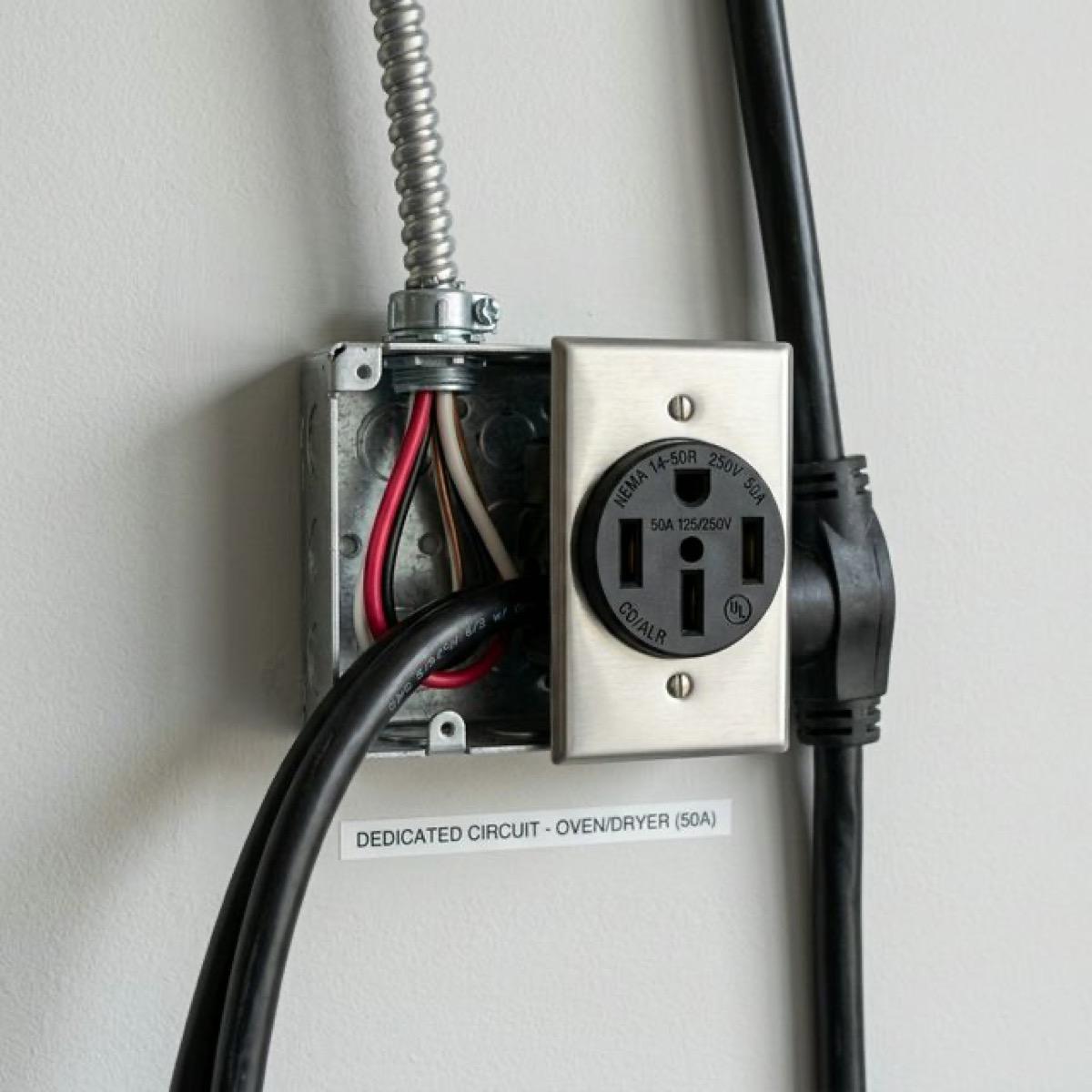
| Electric range | 50A 240V | $700 – $1,200 | NEMA 14-50R |
| Sump pump (with GFCI) | 15A 120V | $450 – $850 | NEMA 5-15R GFCI |
| Garbage disposal | 15A 120V | $400 – $600 | NEMA 5-15R |
| Hot tub / spa | 50A 240V GFCI | $1,200 – $2,800 | Hardwired |
| Portable-generator hookup | Sized to approved loads | $900–$2,500 | Inlet plus listed transfer/interlock; generator separate |
When to use a sub-panel instead
When a project requires several new circuits in one area, the electrician can compare individual home runs with a listed subpanel design. A subpanel does not increase service capacity by itself, and open spaces alone do not establish capacity.
Subpanel work is quoted per project after the service and feeder capacity, load calculation, panel listing, circuit routes, working clearances, grounding and bonding, permit, inspection, equipment, and access are reviewed. Do not use a separate invented public band or assume one approach is universally cheaper.
NEC requirements driving the spec
Different appliances have different code requirements:
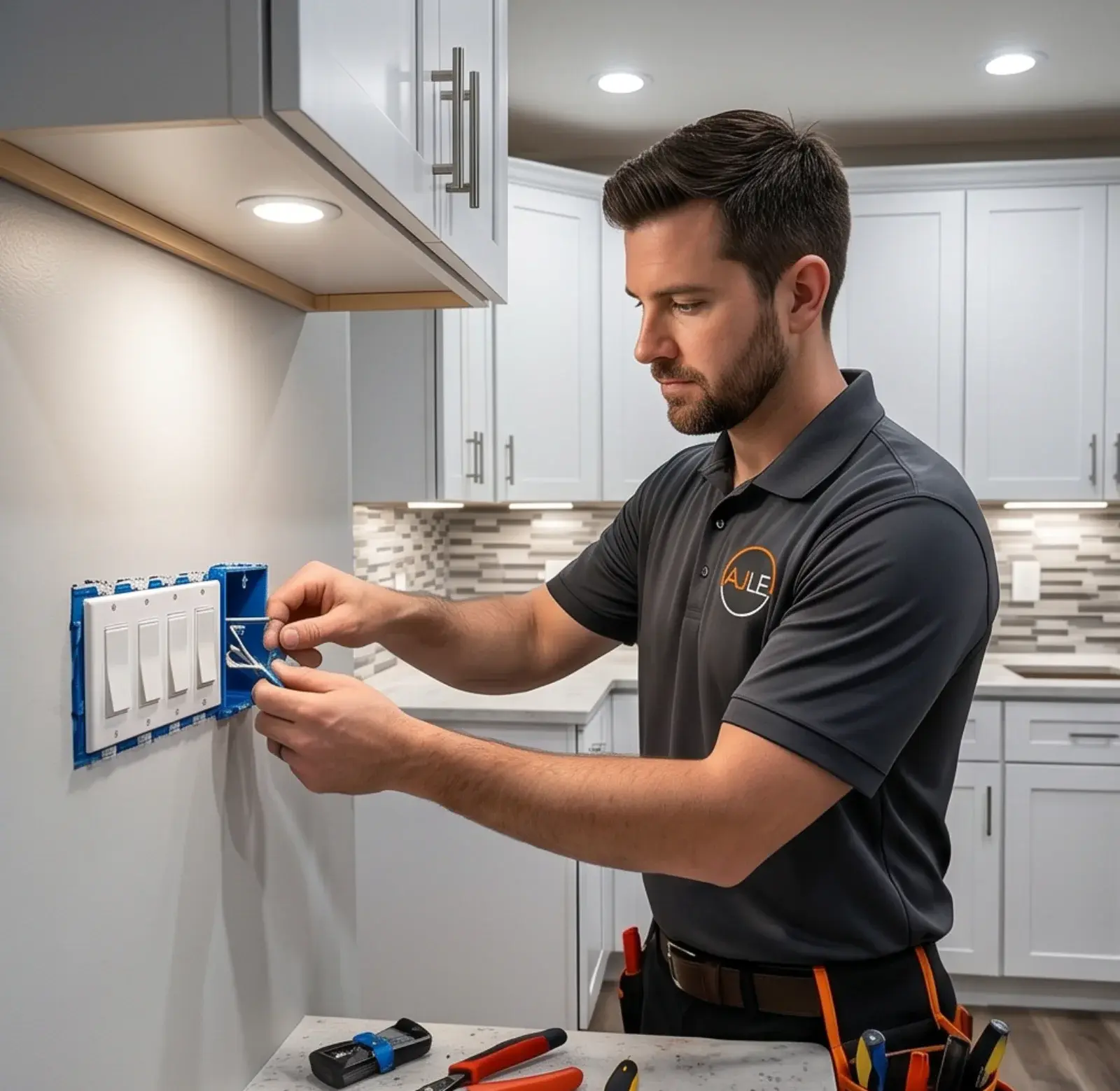
• Kitchen small-appliance circuits (NEC 210.52(B)): Two 20A circuits minimum for countertop outlets. Required by NEC for any new kitchen build.
• Refrigerator: Best practice is dedicated 15A or 20A. NEC doesn't strictly require it but the manufacturer install manuals do, and per NEC 110.3(B) you must follow them.
• Microwave (OTR): Dedicated 20A required by virtually all OTR microwave manufacturer manuals. Code-enforced per NEC 110.3(B).
• Dishwasher + garbage disposal: Each on its own dedicated circuit per modern code. Older kitchens often share; we split during any kitchen work.
• Electric dryer: NEC 250.140 requires 4-wire termination (NEMA 14-30R). Old 3-wire NEMA 10-30R is grandfathered but cannot be installed new.
• Hot tub / spa: NEC Article 680. GFCI at panel (not receptacle), disconnect within sight but 5+ ft away, equipotential bonding of metal parts, overhead conductor clearance.
• Sump pump: NEC 210.8(A)(5) requires GFCI in unfinished basements.
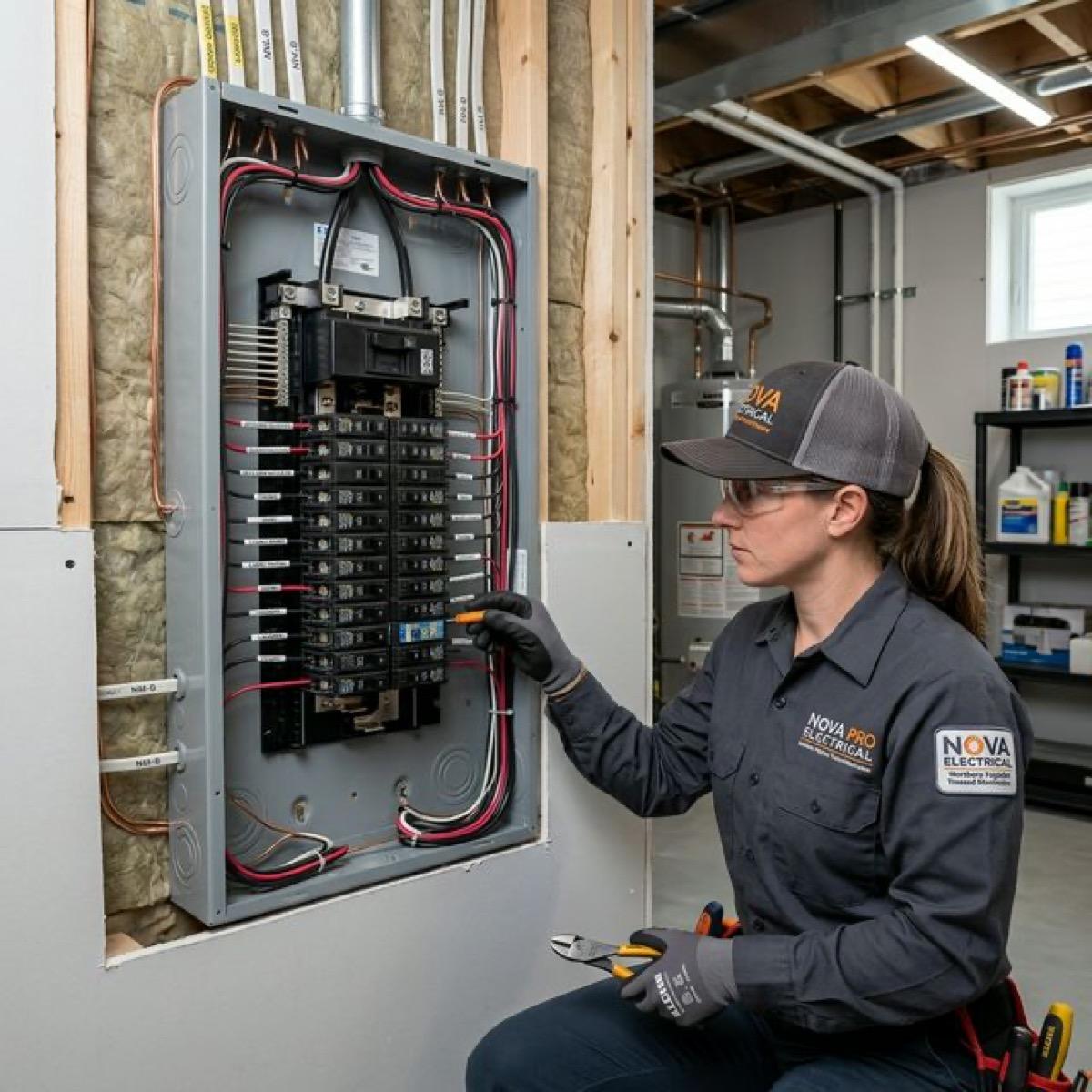
Will your panel support the new circuits?
Adding 3–4 small dedicated circuits to an existing 200A panel is almost always fine — the existing load + small new circuits typically fits within the 200A capacity per NEC 220 calc.
The issues come up when:
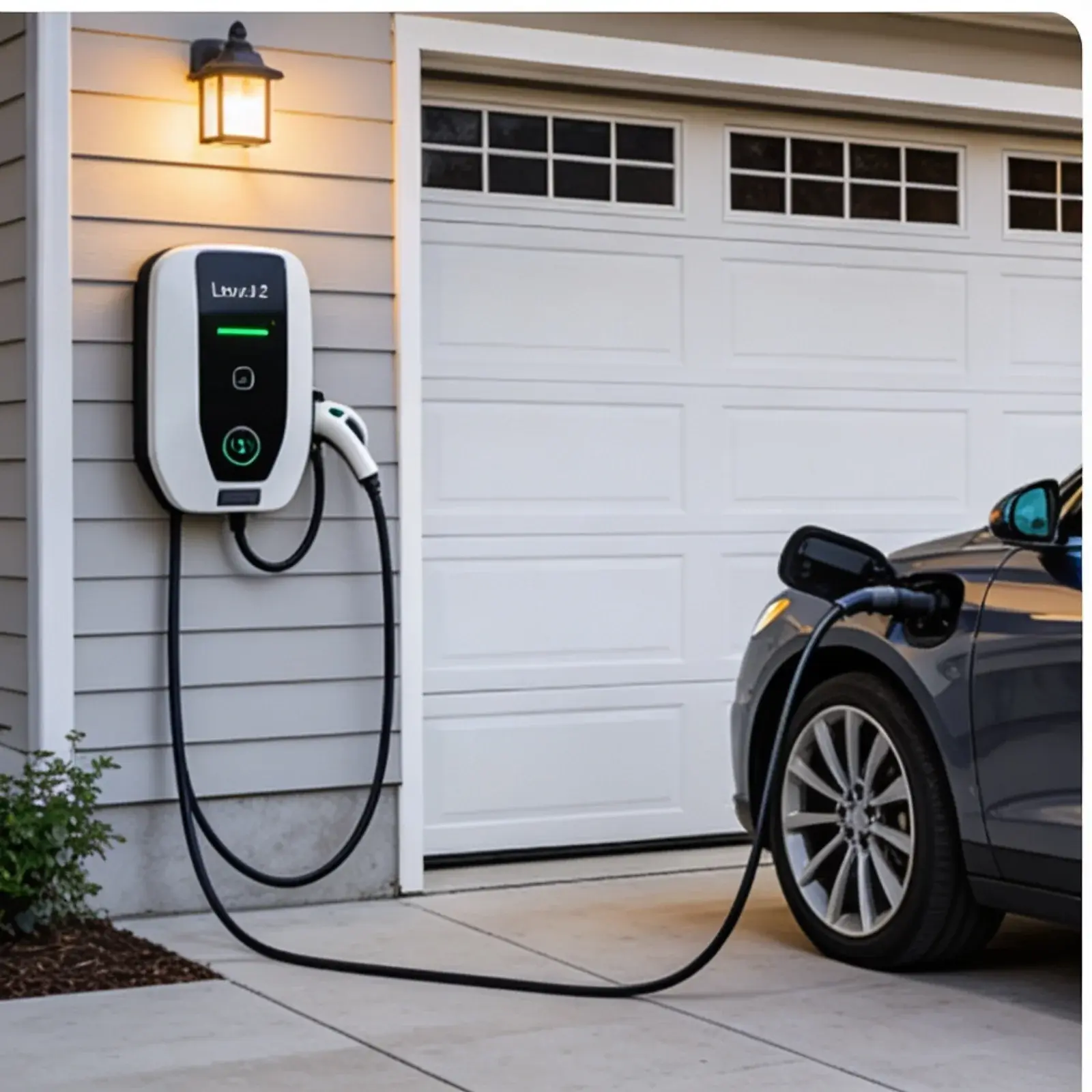
• You're adding a high-draw 240V circuit (range, EV charger, hot tub) to a panel that's already running near capacity.
• The panel is 100A or 150A — increasingly common in 1960s–80s Northern Virginia homes — and is already at or near its capacity.
• The panel has no spare breaker slots, regardless of capacity (you have to remove an existing circuit or add a sub-panel).
We run the NEC 220 load calculation as part of every multi-circuit assessment so you don't have to guess.
Northern Virginia Considerations
Code Requirements
NEC 210.52(B) kitchen circuits; NEC 250.140 4-wire dryer; NEC 680 hot tub; NEC 210.8 GFCI; NEC 210.12 AFCI.
Permit Information
Permit required for new circuits in all Northern Virginia jurisdictions. Pulled under master license.
Typical Costs
Quoted per project after circuit, route, panel, load, permit, inspection, equipment, and access review
Local Tips
Older Fairfax/Arlington homes from 1960s-80s often need panel upgrades before adding multiple high-draw circuits.
Frequently Asked Questions (5)
Why does each appliance need its own circuit?
High-draw appliances (refrigerator, dishwasher, microwave, range, dryer) draw enough current that sharing a circuit causes nuisance breaker trips. Code-mandated dedicated circuits eliminate the trip risk and make troubleshooting easier when something fails.
Can I add circuits without upgrading my panel?
Usually yes if you have a 200A panel with spare slots. 100A panels often can't accommodate additional load without an upgrade. The NEC 220 load calc gives the firm answer.
Do dedicated circuits need GFCI/AFCI?
Depends on location and use. Kitchens, bathrooms, garages, outdoor, and basements need GFCI per NEC 210.8. Bedroom + living-area circuits need AFCI per NEC 210.12. Most modern circuits use a combo AFCI/GFCI breaker at the panel.
What's the cost difference between adding 1 circuit vs. 4?
Each additional circuit added during the same visit drops the per-circuit cost by ~$100–$150 because the setup, permit, and panel work is amortized. 4 circuits in one visit typically runs $1,400–$2,200 total vs. $2,000+ if done as separate visits.
Do I need permits for dedicated circuits?
Yes in all Northern Virginia jurisdictions for new circuit installation. We pull the permit under our master license; no homeowner paperwork.
Authoritative Sources
- NFPA 70: National Electrical Code (NEC)The NEC is the foundational safety standard for electrical wiring and installation in the U.S.
- Electrical Safety Foundation International (ESFI)Nonprofit dedicated to promoting electrical safety in the home and workplace.
- ENERGY STAREPA program identifying energy-efficient products and practices.