
Moderate$75 - $25030 minutes - 1 hour
Light Switch Making Buzzing or Humming Sound
Dimmer switches can buzz slightly when used with certain LED bulbs - this is often a compatibility issue. However, buzzing from standard switches or loud buzzing indicates a problem requiring attention.
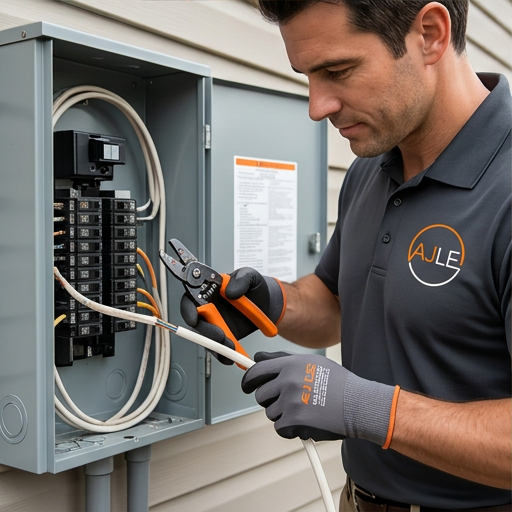
Need Help With This Problem?
Our licensed electricians can diagnose and fix this issue quickly and safely.
(571) 444-688624/7 Emergency Service Available
Common Symptoms
- Audible buzzing or humming from the switch
- Sound is louder when lights are dimmed
- Buzzing accompanied by warm switch plate
- Sound changes with the dim level
- Buzzing from standard (non-dimmer) switches
Common Causes
- Incompatible LED bulbs with dimmer switch
- Low-quality or failing dimmer switch
- Loose wiring connections inside the switch box
- Overloaded switch controlling too many lights
- Failing switch components
Safe DIY Checks
These checks are safe for homeowners to perform before calling an electrician:
- Try different LED bulbs rated for dimmers
- Check if buzzing changes at different dim levels
- Feel if the switch plate is warm
- Count the wattage of all connected bulbs
- Try incandescent bulbs to test compatibility
When to Call an Electrician
Call a licensed electrician immediately if:
- Buzzing from a standard (non-dimmer) switch
- Switch plate is warm or hot
- Buzzing accompanied by burning smell
- New switch buzzes with the same bulbs
- Unable to resolve with bulb changes
Understanding This Problem
Light switch buzzing is one of the most common electrical complaints, and the cause is usually related to dimmer switches and LED bulb compatibility.
Dimmer switches work by rapidly turning power on and off to reduce the average voltage reaching the bulb. This rapid switching can cause vibration in the switch components or the bulb itself, creating an audible hum or buzz.
With LED bulbs, compatibility matters greatly. Not all LED bulbs work well with all dimmers. The internal electronics in LED bulbs can interact poorly with certain dimmer types, causing pronounced buzzing. The solution is often as simple as trying a different brand of LED bulb or installing an LED-compatible dimmer switch.
Standard (non-dimmer) switches should never buzz. If a regular on/off switch makes noise, this indicates a problem - usually loose connections, a failing switch, or an overloaded circuit. Buzzing from standard switches requires professional attention.
Loud buzzing from any switch, especially when accompanied by warmth or smell, indicates a serious problem. The buzzing in these cases is typically from arcing - electricity jumping across gaps due to loose connections. Arcing generates intense heat and can cause fires.
Lutron Caseta dimmers are known for excellent LED compatibility and minimal buzzing. When upgrading dimmers, quality matters for both performance and noise reduction.
Prevention Tips
Use LED bulbs specifically rated for dimmers
Install quality, name-brand dimmer switches
Match dimmer type to bulb type (LED, CFL, incandescent)
Don't exceed the dimmer's wattage rating
Replace old dimmers with modern LED-compatible ones
Frequently Asked Questions
Why does my dimmer switch buzz?
Dimmer buzzing is usually caused by LED bulb incompatibility. The dimmer and bulb electronics can interact to create vibration and noise. Using dimmer-rated LED bulbs or upgrading to LED-compatible dimmers typically solves this.
Is a buzzing switch dangerous?
Slight buzzing from a dimmer with LED bulbs is usually a compatibility issue, not dangerous. However, loud buzzing, buzzing from standard switches, or buzzing with heat/smell indicates potential problems that need professional attention.
How do I stop my dimmer from buzzing?
Try LED bulbs specifically rated for dimmer use, preferably the same brand. If that doesn't work, upgrade to a quality LED-compatible dimmer like Lutron Caseta. Sometimes different bulb brands work better with different dimmers.
Why would a regular switch buzz?
Standard on/off switches should not buzz. Buzzing from a regular switch indicates loose connections, switch failure, or circuit problems. Have an electrician inspect and repair it promptly.
Can I replace a buzzing switch myself?
Switch replacement involves working with live electrical components and should be done by a licensed electrician for safety. DIY electrical work can also void insurance and violate local codes.
Related Services
Electrical Troubleshooting
Diagnostic service for power loss, flickering, dead outlets, repeated tripping, heat, noise, and other residential electrical symptoms.
Learn MoreSmart Home
Integration for smart switches, thermostats, and video doorbells.
Learn MoreRecessed Lighting
Recessed lighting planned around the room, ceiling access, fixture ratings and compatible dimming. Request a free estimate for a defined installation scope.
Learn MoreRepair vs. Replace Decision
Buzzing-switch diagnosis matrix. A faint dimmer hum with LEDs is usually a compatibility issue; a buzz from a standard switch or any warmth means a loose connection — repair to NEC 110.14 torque spec before it arcs.
| Buzz Pattern | Likely Cause | Action | Typical Cost |
|---|---|---|---|
| Faint hum, dimmer + LED bulbs | LED / dimmer incompatibility | Swap to dimmer-rated LEDs or a Lutron Caseta dimmer | $25 – $200 |
| Hum that changes with the dim level | Bulb load near the dimmer's wattage limit | Reduce load or upgrade to a higher-rated dimmer | $65 – $200 |
| Buzz from a standard (non-dimmer) switch | Loose terminal or failing switch — never normal | Replace switch, torque connections to NEC 110.14 | $165 – $300 |
| Buzz + warm faceplate | Loose connection arcing inside the box | Replace switch; inspect box for heat damage | $185 – $400 |
| Buzz + burning smell | Active arcing — fire risk | Cut power at the breaker, call an electrician same day | $250 – $600 |
| One switch buzzes for several fixtures | Switch overloaded beyond its amp rating | Add a relay/contactor or split the load | $300 – $700 |
Related Problems
Moderate
Flickering Lights
Occasional light flickering when large appliances start is normal. However, persistent flickering or flickering accompanied by other symptoms indicates electrical problems that should be investigated.
Learn More UrgentHot Outlet
An outlet that feels warm or hot to the touch indicates electrical resistance and overheating. While dimmer switches can feel slightly warm normally, standard outlets should always be cool to the touch.
Learn More UrgentTripping Breakers
A circuit breaker that keeps tripping is doing its job protecting you from overloads or faults. However, repeated tripping indicates an underlying problem that needs to be identified and resolved.
Learn MoreGuides
Related Guides
Expert electrical guides to help you make informed decisions.
Beginner
Home Electrical Safety Inspection Checklist
A comprehensive room-by-room electrical safety checklist every homeowner should review regularly to identify potential hazards.
10 min read
Read GuideIntermediate
Planning Your Home Electrical Renovation
Plan your home electrical renovation successfully with this comprehensive guide covering budgeting, timelines, and contractor coordination.
14 min read
Read GuideCode & Safety References
All repairs are performed to the National Electrical Code (NFPA 70) adopted by your local Northern Virginia jurisdiction. For independent, authoritative guidance on the hazards behind this problem, see:
Let Us Fix This Problem for You
Our licensed electricians have the expertise to diagnose and repair buzzing switch problems quickly and safely.