Loading services…

Residential project planning
Electrical Inspections in Burke, VA
A focused electrical inspection documents the condition of accessible components within an agreed scope. It can include panel examination, device testing, and written findings for a buyer, seller, or homeowner reviewing a specific safety concern.
- Licensed & insured
- Family-owned since 1996
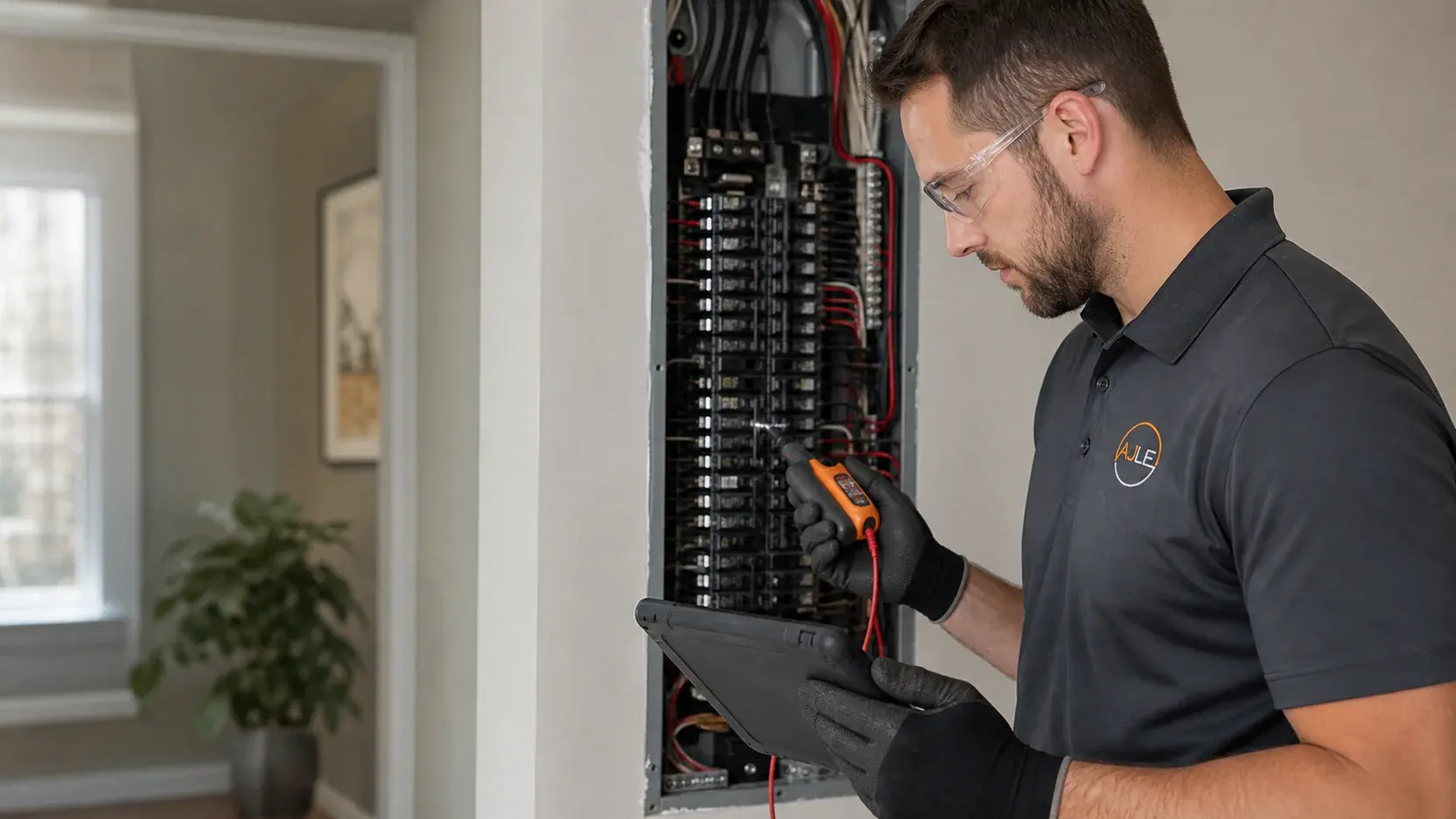
Field briefing / Burke, VA
Project briefing
Jurisdiction confirmed by property address
- Project
- Electrical Inspections
- Define the electrical questions, access, report detail, and whether targeted thermal imaging would be useful before the inspection begins.
- Permit path
- Fairfax County Land Development Services
- Final jurisdiction is confirmed from the property address.
- Local condition
- Burke
- For a Burke Centre, Lakewood Hills, or Rolling Valley property, a report flag or neighborhood label is a starting question rather than proof of condition. We compare the home's documented age and known alterations with the condition of accessible panel equipment, visible wiring methods, agreed devices, and relevant circuits. The requested report depth is set in advance; optional thermal imaging can add context for a specific accessible load or connection but does not replace testing. Written findings separate what was observed from limitations and possible next steps.
Planning your project in Burke
Prioritize the rooms that have changed use
A Burke basement converted from storage to an office or exercise room may have different electrical demands. An inspection can review accessible outlets, panel labeling and equipment serving that new use, then explain any further testing needed. The goal is a documented scope of concerns, not a prediction based only on the home's age or neighborhood.
Before your estimate
List new uses and equipment, and collect previous inspection or renovation paperwork. Make the panel and agreed rooms accessible for the visit.
Burke is part of Fairfax County's area planning. For property within a homeowners association, review that property's exterior standards alongside the physical layout; an interior room update and a deck-lighting change can require different coordination.
Scope first
What this project involves
Inspection scope
Choose a buyer, seller, or safety-focused review and identify the systems or concerns to include.
Report depth and imaging
Decide how detailed the written findings should be and whether optional thermal imaging fits the question being investigated.
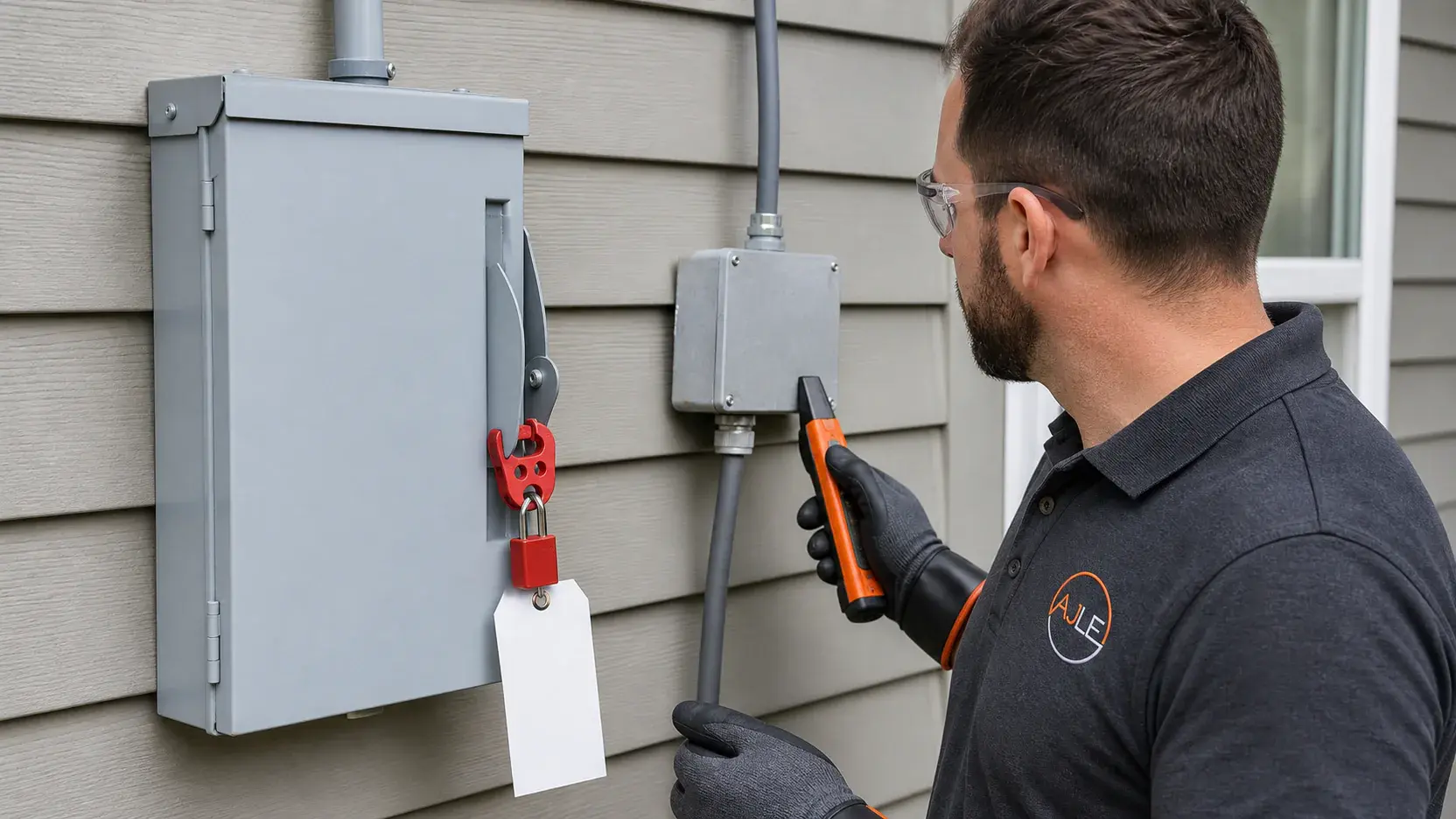
Field view / Electrical Inspections
Representative field view for Electrical Inspections; final scope is confirmed at the property.Address-specific planning
What matters in Burke
A Burke electrical inspection can support a buyer following up on a home report, a seller documenting electrical questions before listing, or a homeowner investigating a safety concern. It is a focused electrical review, not a whole-home inspection.
For a Burke Centre, Lakewood Hills, or Rolling Valley property, a report flag or neighborhood label is a starting question rather than proof of condition. We compare the home's documented age and known alterations with the condition of accessible panel equipment, visible wiring methods, agreed devices, and relevant circuits. The requested report depth is set in advance; optional thermal imaging can add context for a specific accessible load or connection but does not replace testing. Written findings separate what was observed from limitations and possible next steps.
Explore the Burke service areaProject fit / review at the property
- Buyer-focused electrical follow-up on specific items in a third-party home report
- Seller-requested documentation of accessible electrical conditions before listing
- Homeowner safety review of an accessible panel, device group, or problem circuit
Quote inputs
Scope and cost drivers
Included in the defined scope
- Define the buyer, seller, or safety-focused inspection scope before testing
- Examine accessible panel components and visible electrical conditions
- Test agreed outlets, devices, or circuits relevant to the scope
- Provide written findings with observed conditions and practical next steps
What can change scope and cost
- Size and depth of the agreed inspection scope
- Number of panels, circuits, and devices to examine
- Access to electrical equipment and tested areas
- Optional thermal imaging and reporting detail
Work sequence
From assessment to completion
- 01
Set the scope
Clarify the reason for the inspection and the accessible systems to review.
- 02
Examine
Inspect the panel and visible electrical conditions included in the scope.
- 03
Test
Check the agreed devices and circuits and use thermal imaging when selected and useful.
- 04
Document
Provide written findings that distinguish observed conditions from recommended next steps.
Property-specific answers
Local questions
Does a Burke electrical inspection replace a whole-home inspection?
No. The scope is limited to agreed electrical concerns and accessible panels, devices, or circuits. It does not evaluate the home's non-electrical systems, and concealed conditions remain outside the findings unless separate access is authorized.
How are Burke inspection findings presented?
The written findings identify observed electrical conditions, the areas and methods reviewed, and access limitations. Recommended next steps are listed separately so a buyer, seller, or homeowner can distinguish an observation from further evaluation or corrective work.
Related Services
Related Services in Burke
Guides
Electrical Inspections Planning Guides
Expert electrical guides to help you make informed decisions.
Beginner
Home Electrical Safety Inspection Checklist
A comprehensive room-by-room electrical safety checklist every homeowner should review regularly to identify potential hazards.
10 min read
Read GuideIntermediate
Understanding Electrical Permits in Northern Virginia
Navigate the electrical permit process in Northern Virginia with confidence. Learn requirements for Fairfax County, Arlington, Alexandria, and surrounding areas.
12 min read
Read GuideNearby Electrical Inspections Service Areas
We also provide expert electrical services in these communities.
Next step / property-specific quote
Request a quote for Electrical Inspections in Burke
Share the property address and project goal so the scope can be reviewed for your home.