
Serving Arlington, VA
Recessed Lighting in Arlington, VA
Transform your home's ambiance with energy-efficient LED recessed lighting. Trusted by homeowners throughout Arlington County since 1996.
Licensed & Insured
30 Years in Business
5-Star Rated
Professional Recessed Lighting Services in Arlington
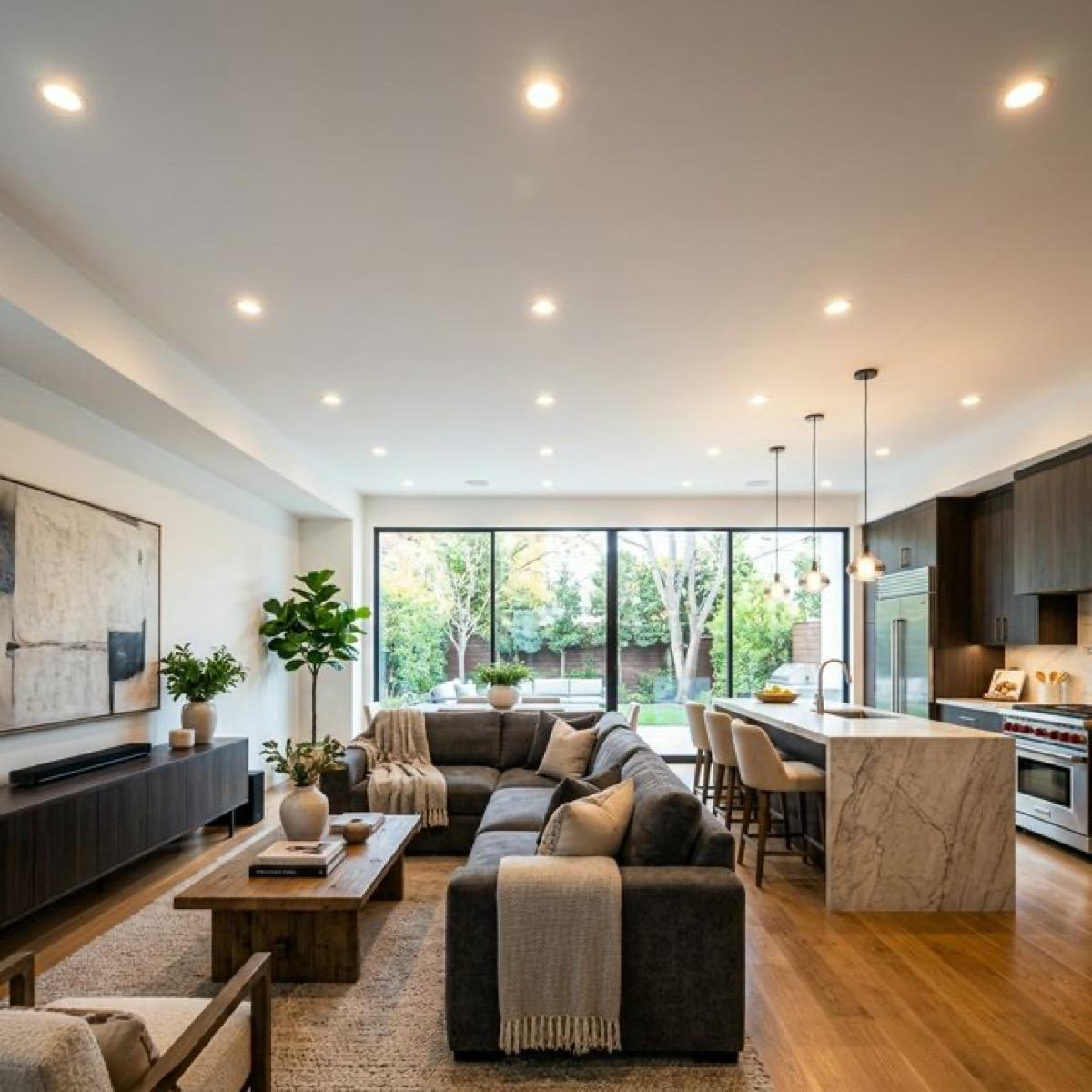
Transform your Arlington home with professionally installed recessed lighting that creates clean, modern aesthetics while dramatically improving energy efficiency. LED recessed fixtures use up to 85% less energy than traditional incandescent bulbs and last 25,000-50,000 hours -- meaning you will not change a bulb for 15-25 years of typical use. Our lighting designers create custom layout plans for every room in your Arlington County home, calculating optimal spacing, selecting the right fixture size (4-inch or 6-inch), choosing the perfect color temperature (warm 2700K for living spaces, bright 3500K for kitchens), and pairing fixtures with compatible LED dimmers for flicker-free dimming at every level.
From kitchen renovations in Clarendon to basement finishing projects near The Pentagon, our lighting designers create custom layouts that maximize illumination while minimizing energy costs. We specialize in retrofit installations that require no major construction -- our remodel-style housings install through small ceiling cutouts with minimal drywall dust. For Arlington homes with insulation above the ceiling, we use IC-rated fixtures that safely contact insulation per NEC requirements. We also integrate recessed lighting with smart home systems like Lutron Caseta for voice control and automated scenes.
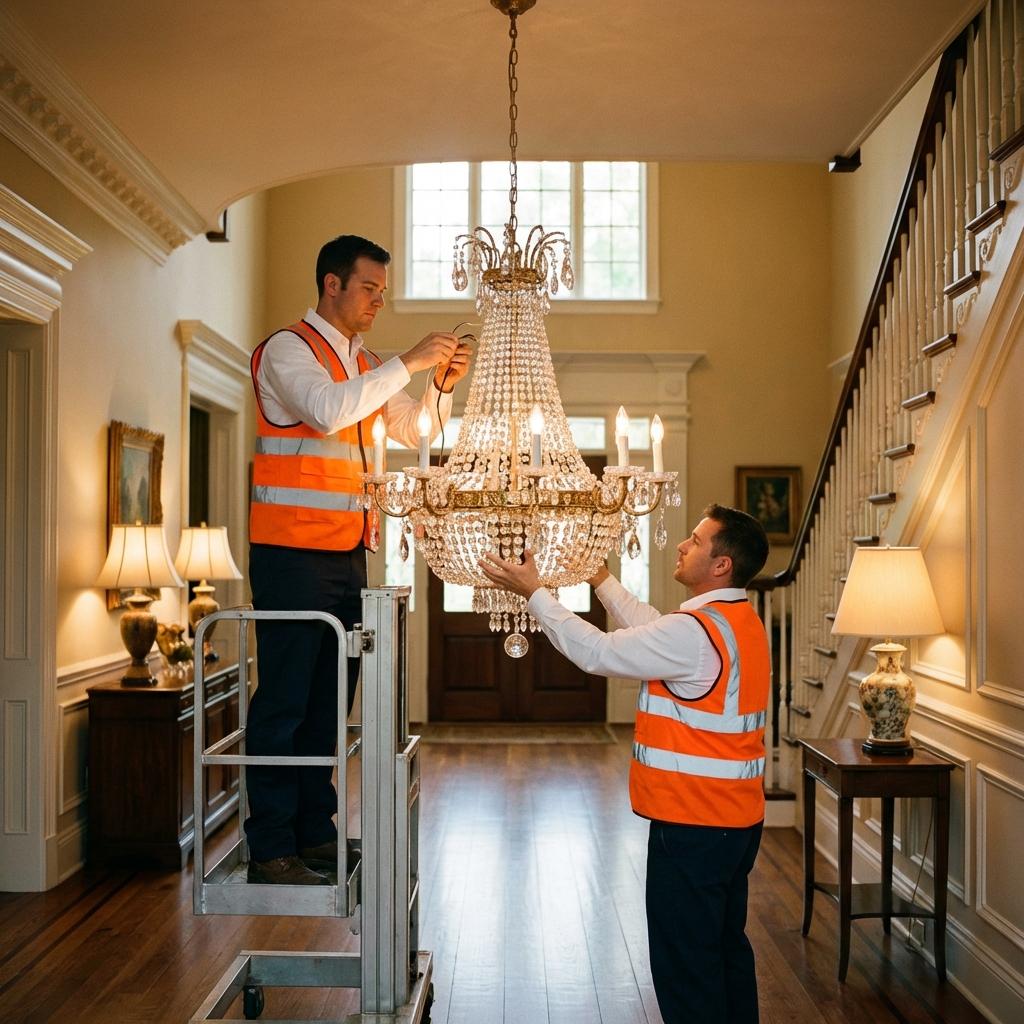
Our licensed electricians serving Arlington County
Why Arlington Homeowners Choose AJ Long Electric
For recessed lighting in Arlington, choose an electrician who is also a lighting designer. AJ Long Electric does not just cut holes and wire fixtures -- we design custom lighting layouts based on your room dimensions, ceiling height, and how you use each space. Our team has illuminated hundreds of homes across Arlington County, from open-concept kitchens to finished basements and home offices. We use premium fixtures from Halo, WAC Lighting, and Lithonia paired with Lutron dimmers for smooth, flicker-free dimming. Our familiarity with Arlington home construction means we know how to work efficiently with different ceiling types and insulation configurations found near The Pentagon, Arlington National Cemetery, Reagan National Airport.
Licensed & Insured
Since 1996
5-Star Rated
Modern Aesthetic
Sleek, unobtrusive look that makes ceilings feel higher.
Energy Efficiency
LED fixtures use up to 85% less energy than traditional bulbs.
Versatile Control
Fully dimmable options to set the perfect mood for any occasion.
Increased Home Value
Recessed lighting is a top-requested feature by home buyers and adds measurable resale value to any property.
Long Lifespan
LED recessed fixtures last 25,000-50,000 hours, meaning 15-25 years of reliable use with virtually no maintenance.
What to Expect from Our Recessed Lighting Service
Our recessed lighting service covers everything from initial design consultation through final dimmer adjustment. We assess your ceiling construction (drywall, plaster, or suspended), determine IC rating requirements based on insulation contact, and select the appropriate housing style (new construction or retrofit). For Arlington homes, we typically recommend 6-inch LED fixtures for general illumination and 4-inch fixtures for accent and task lighting. Each installation includes precise cutout placement, proper wiring with dedicated circuits where needed, AFCI-protected breakers for living spaces, and compatible LED dimmer switches. We complete most single-room installations in 4-8 hours and clean up thoroughly, leaving your home looking better than we found it.
Signs You Need Recessed Lighting in Arlington
Your rooms feel dark or have shadows in corners
You want to update dated fixtures or track lighting
You're renovating a kitchen or finishing a basement
You want better task lighting for cooking or reading
Your ceiling fixtures are outdated or make the ceiling feel lower
You are converting a room and need a new lighting layout
Our Recessed Lighting Process in Arlington
1
Lighting Design Consultation
We discuss your lighting goals, assess ceiling construction, and create a custom layout plan with proper spacing.
2
Fixture Selection
We help you choose between trim styles, color temperatures, and features like adjustable/gimbal options for artwork lighting.
3
Written Estimate
You receive a detailed quote covering fixtures, installation, dimmer switches, and any electrical modifications needed.
4
Ceiling Prep & Cutouts
We mark and cut precise openings for each fixture location, protecting your floors and furniture throughout.
5
Wiring & Installation
Our electricians run new circuits as needed, install housings, and connect all fixtures to switches.
6
Dimmer Setup & Testing
We install compatible dimmer switches, test all lights, and adjust any directional trims.
7
Cleanup & Walkthrough
We clean up completely and demonstrate your new lighting controls and dimming features.
Recessed Lighting Questions from Arlington Homeowners
How many recessed lights do I need per room?
A general rule is one recessed light per 4-6 square feet of ceiling space for ambient lighting. A 12x12 kitchen might need 6-9 lights, while a living room may need fewer for accent lighting. We create a custom layout during our consultation based on your room size, ceiling height, and lighting goals.
What size recessed lights should I choose?
The most popular sizes are 4-inch and 6-inch. 4-inch fixtures work well for accent lighting and smaller spaces, while 6-inch fixtures provide more general illumination and are ideal for kitchens and living areas. We typically recommend 6-inch for most residential applications in Northern Virginia homes.
Can you install recessed lights in an existing ceiling without major construction?
Yes, we specialize in retrofit installations that require no major construction. We use remodel-style housings that install through small ceiling cutouts. The process is clean with minimal drywall dust, and we can typically complete a room in a few hours.
Should I get IC-rated or non-IC recessed lights?
IC-rated (Insulation Contact) fixtures are required whenever insulation will touch the housing, which is common in ceilings below attics. Non-IC fixtures need clearance from insulation. We always assess your ceiling structure and use the appropriate rating for safety and code compliance.
Can recessed lights be dimmed?
Yes, all LED recessed lights we install are compatible with dimmer switches. We install LED-compatible dimmers that provide smooth dimming without flickering. Dimming extends bulb life and allows you to set the perfect ambiance for any activity.
How much does recessed lighting cost in Arlington, VA?
Recessed Lighting costs in Arlington typically range from $150-$300 per light installed depending on scope and complexity. AJ Long Electric provides free written estimates for all recessed lighting projects in Arlington County. Call (703) 997-0026 for an accurate quote specific to your home.
Do I need a permit for recessed lighting in Arlington County?
Most recessed lighting projects in Arlington County require an electrical permit from the Arlington County building department. AJ Long Electric handles all permit applications and scheduling of required inspections as part of our service, ensuring your project meets all Virginia electrical codes.
How long does recessed lighting take in Arlington?
Recessed Lighting projects in Arlington typically take 4-8 hours per room to complete. Timelines can vary based on the scope of work, permit approval speed in Arlington County, and any unforeseen conditions found in your home's existing electrical system.
Why choose AJ Long Electric for recessed lighting in Arlington?
AJ Long Electric has served Arlington and Arlington County since 1996. We are licensed master electricians with 25+ years of experience, 4.9-star ratings from over 1,400 reviews, and deep familiarity with the homes and building codes in Arlington. We offer upfront pricing, a 5-year warranty, and same-day service availability.
Can you provide same-day recessed lighting service in Arlington?
Yes, AJ Long Electric offers same-day and next-day scheduling for recessed lighting in Arlington and throughout Arlington County, subject to availability. For emergencies, we prioritize rapid response. Call (703) 997-0026 to check today's availability.
What Affects Recessed Lighting Cost in Arlington?
Number of recessed lights being installed
New installation vs converting existing fixtures
Ceiling type (drywall, plaster, suspended)
Accessibility above the ceiling (attic access)
Distance from power source to first light
Type of fixtures (standard vs adjustable/gimbal)
Dimmer switch upgrades
Second-floor or cathedral ceiling installations
Typical Price Range: $150-$300 per light installed
Contact us for a free estimate tailored to your Arlington home.
Warranty & Guarantee
All recessed lighting installations include a 1-year workmanship warranty covering our labor, wiring, and fixture mounting. LED fixtures carry manufacturer warranties of up to 5 years from brands like Halo, WAC Lighting, and Lithonia. Dimmer switches are warranted separately by the manufacturer.
Brands & Certifications
Halo by HubbellWAC LightingLithonia LightingLutron DimmersENERGY STAR Certified FixturesIC-Rated Housing
Maintenance Tips for Arlington Homeowners
Dust recessed light trims and lenses annually with a soft cloth or compressed air to maintain light output
Check dimmer switches periodically for flickering, which may indicate an incompatible LED bulb or aging dimmer
When replacing LED modules, match the same color temperature (Kelvin rating) as the existing fixtures for consistent appearance
Ensure no insulation has shifted to cover non-IC-rated fixtures, which creates a fire hazard
Test the full dimming range of each fixture periodically to confirm smooth operation from 1% to 100%
Safety Warnings
•Non-IC-rated housings in contact with insulation are a serious fire hazard -- always verify the correct rating for your ceiling
•Only use LED drivers and modules rated for the specific fixture housing to prevent overheating and electrical failure
•Improper wiring of recessed light circuits creates shock and fire risk -- always hire a licensed electrician
•Always de-energize circuits at the breaker before changing bulbs or modules in wet or damp locations like bathrooms
Code Requirements
•IC-rated fixtures are required whenever insulation will contact the housing per NEC and Virginia building code
•NEC requires proper junction box connections for all recessed light wiring -- no open splices allowed
•AFCI protection is required for recessed lighting circuits in living spaces including bedrooms, living rooms, and dens
•Recessed fixtures must include integral thermal protection to shut off if overheating occurs
Arlington Neighborhoods We Serve
ClarendonBallstonRosslynCrystal CityPentagon CityCherrydaleLyon VillageAshton HeightsWestoverBluemont
Ready to Get Started?
Brighten your Arlington home with professional recessed lighting. Call AJ Long Electric at (703) 997-0026 to schedule your free lighting design consultation. We will visit your home, discuss your lighting goals, and provide a detailed estimate. Serving all of Arlington County including Clarendon, Ballston, Rosslyn, Crystal City, Pentagon City.
Need Help Now?
Our licensed electricians are ready to assist you in Arlington.
Response within 24 hours
Service Area Information
Location:Arlington, VA
County:Arlington County
Population:238,643
ZIP Codes Served:
222012220222203222042220522206
Other Services in Arlington
Real Projects
Recessed Lighting in Arlington Case Studies
See how we have helped homeowners across Northern Virginia with their recessed lighting in arlington needs.
Whole-Home Recessed Lighting Conversion
estateEstate home in Great Falls, Arlington County
Challenge
A luxury estate with 14 rooms still had the original builder-grade boob lights and dated chandeliers installed in 2003. The homeowners wanted every room converted to recessed lighting with smart control, but the plaster ceilings and second-floor installations added complexity.
Solution
AJ Long Electric completed a phased whole-home conversion over three days, installing 68 recessed lights across 14 rooms. We used remodel housings designed for plaster ceilings, ran new dedicated circuits where needed, and installed Lutron RadioRA smart dimmers throughout for whole-home scene control.
Result
The entire home now operates on a unified smart lighting system with preset scenes for morning, daytime, evening, and entertaining. The homeowners eliminated 14 outdated fixtures and gained modern, fully controllable lighting in every room.
Kitchen Modernization with Layered Recessed Lighting
colonialColonial home in McLean, Fairfax County
Challenge
The homeowners had a large eat-in kitchen with a single ceiling fixture that left countertops in shadow and created an uninviting atmosphere for their frequent dinner parties. The 1980s-era fluorescent box light was buzzing and the kitchen felt dated despite recent cabinet and countertop upgrades.
Solution
AJ Long Electric designed a layered lighting plan with twelve 6-inch LED recessed lights on two separate dimmer circuits -- one zone over the countertops and island for task lighting at 4000K, and a second zone around the perimeter at 2700K for ambient dining. We ran new circuits from the panel through accessible attic space above.
Result
The kitchen went from the darkest room in the house to the family's favorite gathering space. The dual-zone dimming allows bright task lighting for cooking and warm, low-level ambiance for entertaining.
Finished Basement Home Theater Lighting
townhomeTownhome in Ashburn, Loudoun County
Challenge
A young couple finishing their basement wanted dedicated home theater lighting with the ability to dim to near-zero for movies, but also needed full brightness for the kids' play area in the same open space. The low 7.5-foot ceilings ruled out any hanging fixtures.
Solution
We installed eight slim-profile LED recessed lights requiring only 2 inches of clearance, split across three dimmer zones: theater seating, play area, and a walkway accent row. All fixtures were paired with Lutron Caseta smart dimmers for scene control via app and voice.
Result
The family now switches between bright playroom mode, a dim movie-watching scene, and a soft pathway-only mode with a single tap on their phone. The slim-profile fixtures preserved every inch of headroom.
Split-Level Living Room and Stairway Lighting Upgrade
split-levelSplit-level in Springfield, Prince William County
Challenge
The homeowner's 1970s split-level had outdated track lighting in the living room and a single bare bulb in the stairway between levels. The track lighting created harsh shadows and the stairway was dangerously dark, especially at night.
Solution
We removed the track lighting and installed six 6-inch recessed lights in the living room with a single dimmer. For the stairway, we added three 4-inch adjustable gimbal recessed lights angled to illuminate each landing. All fixtures were LED at 3000K warm white.
Result
The living room feels twice as large with even, shadow-free illumination, and the stairway is now safely lit at all hours. The homeowner reported the upgrade was the single best improvement they made to the home.
Permits & Compliance
Permit & Jurisdiction Guide
Permit requirements for recessed lighting in arlington county vary by county. We handle the entire permitting process for you.
Arlington County
Permit RequiredPermit Process
Arlington County requires electrical permits for new circuits. Permits processed through the Inspection Services Division. Faster turnaround than larger counties, typically 1-3 business days for inspection.
Inspection Notes
Arlington inspectors are thorough on AFCI compliance, proper fixture ratings, and energy code adherence for new installations.
Special Requirements
Energy code compliance may require LED fixtures meeting minimum efficacy standards
AFCI protection required for all habitable room circuits
Fairfax County
Permit RequiredPermit Process
Electrical permits required for new circuit installations. Homeowner or licensed contractor pulls permit through Fairfax County Land Development Services. Inspections typically scheduled within 3-5 business days.
Inspection Notes
Inspector verifies IC ratings, junction box connections, AFCI protection on bedroom circuits, and proper circuit loading.
Special Requirements
AFCI protection required on all bedroom lighting circuits
IC-rated fixtures mandatory where insulation is present
Loudoun County
Permit RequiredPermit Process
Electrical permits filed through Loudoun County Building and Development. Online permit applications accepted. Inspections available within 2-4 business days of request.
Inspection Notes
Loudoun inspectors check fixture ratings, wire gauge, breaker sizing, and AFCI compliance for habitable room circuits.
Special Requirements
Permit required for any new circuit work
Existing circuit additions may not require permit if no new breaker is added
Prince William County
Permit RequiredPermit Process
Electrical permits obtained through Prince William County Development Services. Standard residential permits processed within 1-2 business days. Inspection scheduling available online.
Inspection Notes
Inspectors verify NEC compliance including proper box fill, wire connections, AFCI protection, and fixture thermal ratings.
Special Requirements
All recessed lighting in insulated ceilings must use IC-rated housings
New circuits require permit and inspection
Pricing Options
Recessed Lighting in Arlington Pricing Tiers
Transparent pricing with options to fit your budget and project scope. Every tier includes our quality guarantee.
Standard
$150-$250 per light
Quality LED recessed lighting installation with builder-grade fixtures and basic toggle dimmer.
- IC-rated LED recessed fixture (6-inch)
- Standard trim in white finish
- Single color temperature (3000K)
- Basic toggle dimmer switch
Most Popular
Premium
$250-$400 per light
Upgraded fixtures with selectable color temperature, premium trims, and Lutron dimmer for smooth control.
- Premium LED fixture with selectable color temperature (2700K-5000K)
- Decorative trim options (brushed nickel, black, oil-rubbed bronze)
- Lutron Diva or Maestro dimmer with LED optimization
- Adjustable gimbal option for accent lighting
- Dedicated circuit if needed
Complete
$400-$600 per light
Top-tier installation with smart dimmer control, premium fixtures, and whole-room design consultation.
- WAC Lighting or Halo premium fixtures
- Lutron Caseta or RadioRA smart dimmer with app and voice control
- Custom lighting layout design with spacing optimization
- Multiple dimming zones per room
- Smart home integration setup (Alexa, Google, HomeKit)
- Architectural-grade trim finishes
Prices may vary based on the specific requirements of your project, the condition of existing electrical systems, and your home's unique characteristics. Contact us for a free, no-obligation estimate tailored to your needs.
By Home Type
Recessed Lighting in Arlington by Housing Type
Different home styles have unique electrical characteristics. Select your housing type to see specific considerations.
Colonial Homes
Common Issues
Plaster and lath ceilings require specialized cutting techniques
Limited attic access over first-floor rooms due to second-story flooring
Older wiring may require circuit upgrades to support new lighting loads
Multiple small rooms typical of colonials need individual lighting plans
Special Considerations
Colonial homes in Northern Virginia often have plaster ceilings on the first floor and drywall on the second. We use oscillating multi-tools for clean plaster cuts and fish wiring through wall cavities when attic access is limited. Room-by-room lighting plans account for the smaller, compartmentalized layouts typical of colonial floor plans.
Recessed Lighting in Nearby Areas
We also provide professional recessed lighting services in these nearby communities.
Trusted Since 1996
Get Recessed Lighting in Arlington Today
Join thousands of satisfied homeowners in Arlington County who trust AJ Long Electric for their electrical needs. Contact us today for a free estimate.