
Urgent$285 - $4,5002-12 hours
Lost Power After a Storm
Storm-related power loss in Northern Virginia is usually one of three things: a Dominion Energy grid event (out of your control, fixed by the utility); damage to your service entrance (the wires + mast + meter base, which we coordinate with Dominion to repair); or surge damage to your panel and downstream devices (which we repair without utility involvement). The first step is to check the Dominion outage map; the second is to call us if there's visible damage at your home.
Need Help With This Problem?
Our licensed electricians can diagnose and fix this issue quickly and safely.
(571) 444-688624/7 Emergency Service Available
Common Symptoms
- Power went out during or right after a thunderstorm, snowstorm, or windstorm
- Power is out at your home but you can see lights on at neighbors' houses
- Power flickered repeatedly during the storm before going fully out
- Power came back partial (some outlets work, others don't)
- You see a downed wire, sparking transformer, or damaged service mast
Common Causes
- Dominion Energy grid-side outage — wind damage to overhead lines, transformer fault, or proactive shutdown for crew safety
- Drop-wire damage from a fallen branch (the wires running from the pole to your meter)
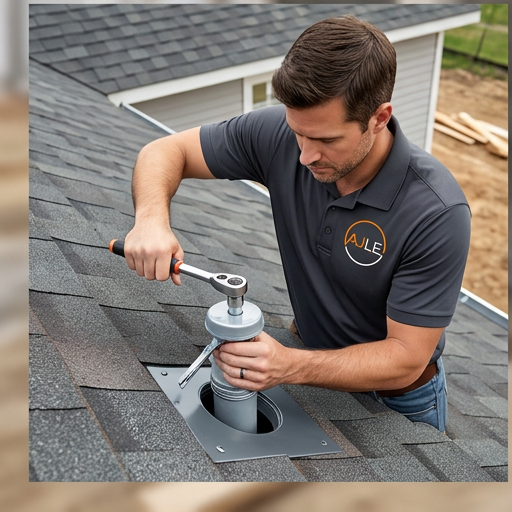
- Service-mast damage on your roof (the conduit that protects the drop wires where they enter the house)
- Meter base damage — typically requires the utility to disconnect before any repair
- Surge damage to the main panel, breakers, or downstream devices from a lightning hit
- Tree limb on the service entrance pulling the mast partly away from the house
Safe DIY Checks
These checks are safe for homeowners to perform before calling an electrician:
- Check Dominion Energy's outage map at outagemap.dominionenergy.com — if there's a reported outage in your area, the utility is working on it
- Look outside (safely, from a window or door — never walk near downed wires) for visible damage to the service entrance
- Note whether neighbors have power. If they do and you don't, the problem is likely at your home's service entrance
- Do NOT touch any downed wire — even a wire that looks dead can be re-energized when crews restore power
- If you see a fallen branch on the drop wires or a damaged service mast, call Dominion Energy first (888-667-3000), then call us
- After power is restored, walk through the house and check for burnt smell from outlets, flickering lights, or devices that won't turn on — surge damage often shows up here
When to Call an Electrician
Call a licensed electrician immediately if:
- Immediately if you see a damaged service mast, meter base, or drop wires hanging from the pole
- Immediately if you smell burning or see smoke anywhere in the house, even after a brief outage
- After Dominion restores power, if any 240V appliance (dryer, range, HVAC) doesn't run at full power — possible broken-neutral damage from the storm
- Same-day for a post-storm electrical inspection if your home took a direct or near lightning strike, even if everything seems to work
Understanding This Problem
Storm-related power loss in Northern Virginia is more common than people realize. Dominion Energy's grid is generally reliable but the overhead-line architecture in most Northern Virginia neighborhoods is vulnerable to tree damage during wind events. Every fall and winter we run a wave of post-storm calls, and they fall into three categories.
First category: utility-side outage. The grid took damage somewhere — a transformer popped, a feeder line dropped, a substation breaker tripped. You'll see this on Dominion's outage map (outagemap.dominionenergy.com), and your neighbors will be out too. There's nothing for an electrician to fix; you wait for the utility to restore. Average restoration in Northern Virginia is 4–12 hours; major storms can stretch to days.
Second category: service-entrance damage. A tree limb falls and either snaps the drop wires (the cables running from the pole to your meter) or damages the service mast (the conduit that protects those cables where they enter your roof). Your power is out but your neighbors aren't. This is the most expensive scenario and requires both Dominion and an electrician: Dominion disconnects at the pole; we repair or replace the mast and reconnect at the meter; Dominion reconnects at the pole. The whole sequence usually takes 4–48 hours depending on coordination and weather.
Third category: surge damage. A nearby lightning strike or a transformer fault sent a voltage surge into your home through the service wires. The main breaker tripped (or didn't), but downstream devices took the hit. After power is restored, you may notice the HVAC won't start, the refrigerator is making odd noises, the well pump won't run, smart devices are bricked. Each affected device needs to be tested individually; sometimes a single damaged breaker is the culprit, sometimes the panel itself needs replacement. A post-storm inspection catches this before it cascades into more failures.
The specific Northern Virginia gotcha: Dominion Energy is responsible for the line from the pole to your meter. Everything past the meter is yours. This boundary matters because if the drop wires are damaged, Dominion fixes it for free; if the mast or meter base is damaged, you pay for the repair (and Dominion has to coordinate the disconnect/reconnect with your electrician). Knowing which side is damaged determines who you call first.
Prevention Tips
Install whole-house surge protection at the main panel — single best investment to protect everything downstream from storm-induced surges
Trim tree branches that overhang the service entrance every 2–3 years — drop-wire damage from limbs is the #1 cause of post-storm outages in Northern Virginia
Schedule a service-mast inspection if your home is 25+ years old; aging masts loosen and rust at the roof flashing and tend to fail during the next major windstorm
Consider a portable generator hookup or a battery backup power station — a transfer switch or interlock lets you safely power critical circuits during an outage
Frequently Asked Questions
Should I call Dominion Energy or an electrician first?
If you see visible damage at your home (mast, drop wires, meter base), call Dominion Energy first (888-667-3000) to report the outage and request a service disconnect at the pole. They'll usually dispatch a crew to assess. Then call us to coordinate the repair. If there's no visible damage and your neighbors are also without power, just check the Dominion outage map — there's nothing for an electrician to do until the utility restores.
Is downed wire dangerous if I can see it's not sparking?
Yes. A wire that looks dead can be re-energized at any moment when Dominion's crew restores power, and the energy can travel through the ground for several feet around the wire. Stay at least 30 feet away from any downed wire and call Dominion (888-667-3000) and 911 immediately. Do not let anyone — especially children or pets — approach.
My power came back but things aren't working right. What do I do?
Most post-storm 'partial restoration' problems are surge damage. The two most likely scenarios: (1) a damaged breaker tripped silently and won't reset; (2) sensitive electronics (HVAC control boards, smart-home hubs, refrigerator boards) took a hit and need to be repaired or replaced. We can diagnose both with a service call — if it's a breaker problem we fix in an hour; if it's downstream device damage, you may need to work with your appliance/HVAC contractors plus your homeowner's insurance.
How can I prevent storm damage in the future?
Three things, in priority order: (1) install whole-house surge protection at the main panel — this is the single best investment to protect every electronic in the house from grid surges, and runs around $500–$900 installed; (2) trim trees that overhang your service entrance every 2–3 years — drop-wire damage from limbs is the #1 cause we see; (3) if outages are common in your neighborhood or you have a well, electric medical equipment, or work-from-home dependencies, add a portable generator hookup (a manual transfer switch or interlock kit so you can safely connect a portable generator outdoors) or a battery backup power station for silent, fuel-free runtime.
Does homeowner's insurance cover storm electrical damage?
Usually yes, with a few caveats. Damage to the service mast, meter base, and downstream wiring from a tree or wind event is generally covered. Damage to specific appliances from a power surge may or may not be covered depending on your policy — check for 'electrical surge' or 'power surge' coverage in your declarations. We can provide an itemized repair quote for your insurance adjuster.
Related Services
Emergency Electrician
Need an emergency electrician now? Our 24/7 line is answered live at (571) 444-6886 for sparking panels, burning smells, and storm damage across Northern Virginia.
Learn MoreElectrical Service Upgrades
Upgrade your home's electrical service from the utility meter to the main panel.
Learn MoreSurge Protection
Panel-mounted surge protective device installation with equipment compatibility, conductor path, grounding, bonding, and status-indicator review.
Learn MorePortable Generators & Battery Backup
Electrical hookups for customer-owned or dealer-supplied portable generators and battery equipment, including compatible transfer equipment and inlet connections.
Learn MoreRepair vs. Replace Decision
Post-storm power-loss matrix. The first question is which side of the meter is damaged: Dominion owns everything up to the meter, you own everything past it. Never approach a downed wire — stay 30+ ft back and call 911.
| Symptom | Likely Cause | Who Fixes It | Typical Cost |
|---|---|---|---|
| Neighbors also dark, outage on the map | Dominion grid-side outage | Utility — wait for restoration | $0 (utility) |
| You're dark, neighbors have power | Service-entrance damage (drop wire, mast, meter base) | Dominion disconnects; we repair the mast/meter, then they reconnect | $285 – $4,500 |
| Drop wires down / on the ground | Storm severed the line from pole to meter | Call Dominion 888-667-3000 first, then us | $0 utility-side / repair if mast |
| Power restored but 240V loads weak | Storm-induced broken neutral | Electrician — shut off main, call same day | $285 – $1,200 |
| Devices dead/odd after a nearby strike | Surge damage to panel, breakers, or electronics | Electrician diagnoses panel; you/insurer handle appliances | $285 – $2,500 |
| Service mast pulled away from the roof | Tree limb torqued the mast loose | We rebuild the mast; Dominion coordinates disconnect | $1,200 – $4,500 |
Related Problems
Urgent
Partial Power Loss
Partial power loss — some outlets dead, or 240V loads weak — usually means a broken neutral, a hidden breaker trip, or a single-leg service failure. A broken neutral in particular is dangerous: it lets line voltage swing far above or below 120V, damaging every electronic device in the affected part of the home within seconds.
Learn More EmergencyBurning Smell from Outlet
A burning smell from an electrical outlet is a serious warning sign that requires immediate attention. This odor typically indicates overheating due to loose connections, overloaded circuits, or failing components.
Learn More ModerateFlickering Lights
Occasional light flickering when large appliances start is normal. However, persistent flickering or flickering accompanied by other symptoms indicates electrical problems that should be investigated.
Learn MoreGuides
Related Guides
Expert electrical guides to help you make informed decisions.
Beginner
Home Electrical Safety Inspection Checklist
A comprehensive room-by-room electrical safety checklist every homeowner should review regularly to identify potential hazards.
10 min read
Read GuideAdvanced
Complete Guide to Electrical Panel Upgrades
A comprehensive guide to electrical panel upgrades covering signs you need an upgrade, the process, costs, and what to expect.
15 min read
Read GuideIntermediate
Understanding Electrical Permits in Northern Virginia
Navigate the electrical permit process in Northern Virginia with confidence. Learn requirements for Fairfax County, Arlington, Alexandria, and surrounding areas.
12 min read
Read GuideCode & Safety References
All repairs are performed to the National Electrical Code (NFPA 70) adopted by your local Northern Virginia jurisdiction. For independent, authoritative guidance on the hazards behind this problem, see:
Let Us Fix This Problem for You
Our licensed electricians have the expertise to diagnose and repair storm power loss problems quickly and safely.