What is an Electrical Panel?
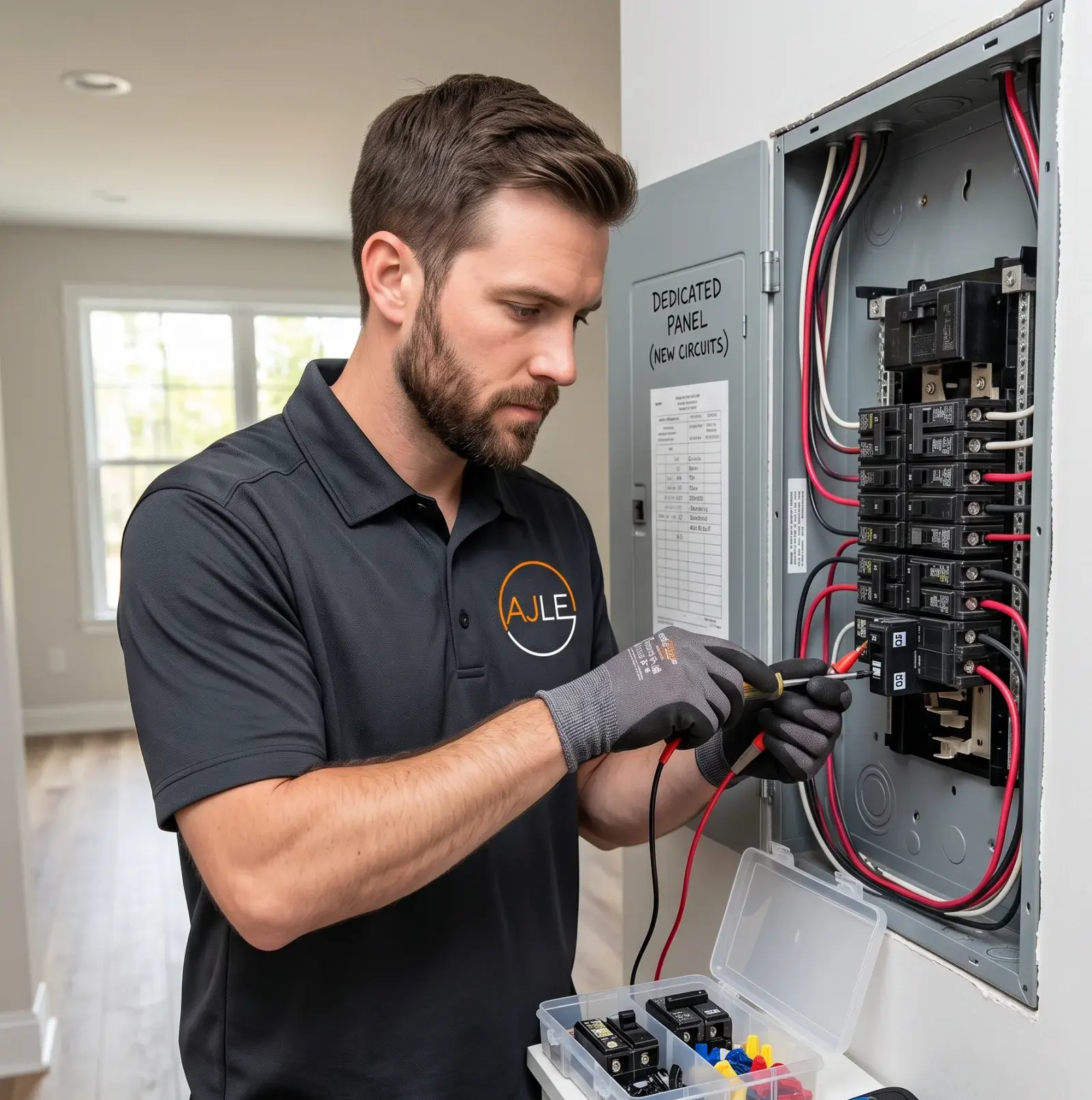
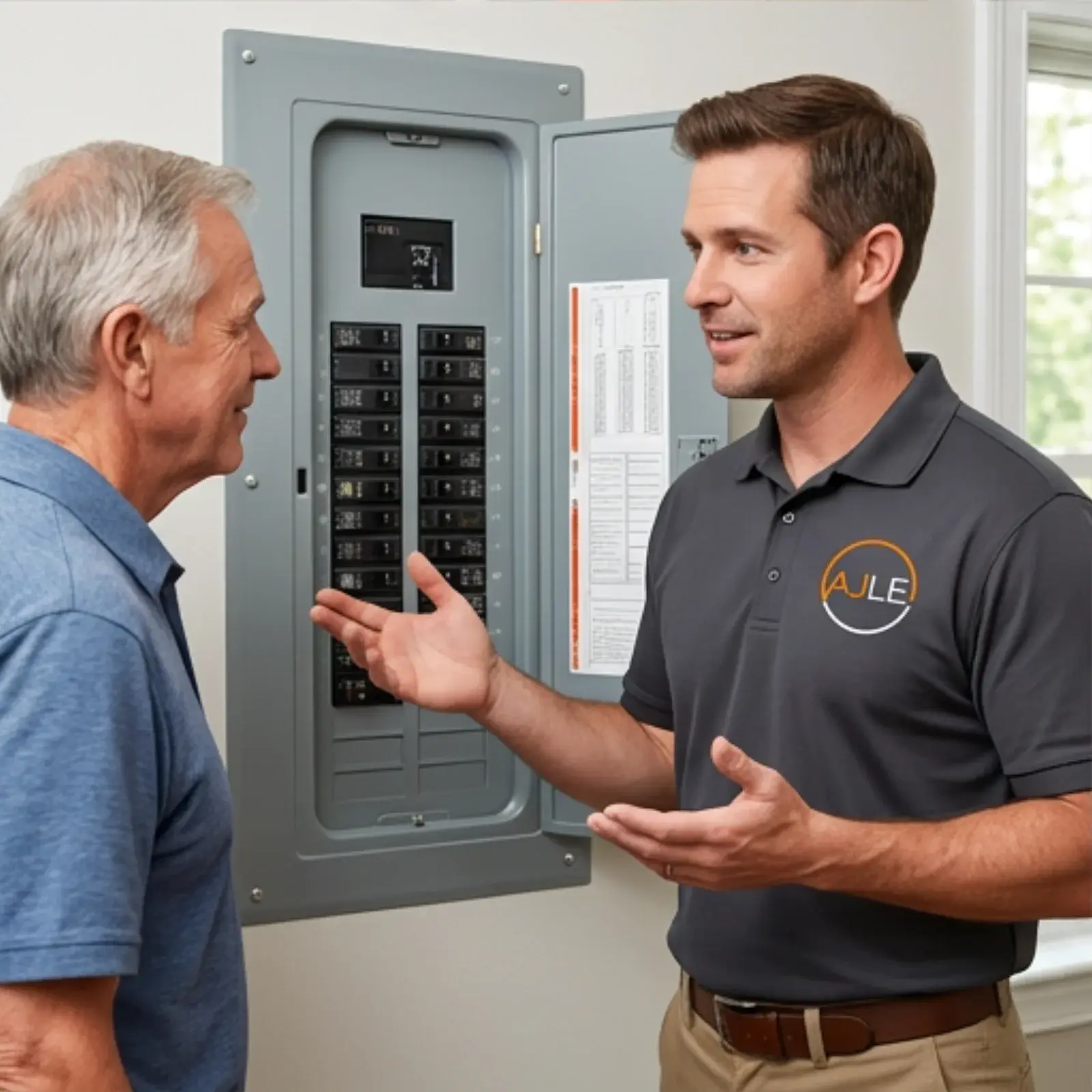
Your electrical panel, also known as a breaker box, load center, or service panel, is the central distribution point for electricity in your home. It receives power from the utility company and distributes it to individual circuits throughout your home. The panel contains circuit breakers that protect each circuit from overloads by automatically shutting off power when problems occur.
Signs You Need a Panel Upgrade
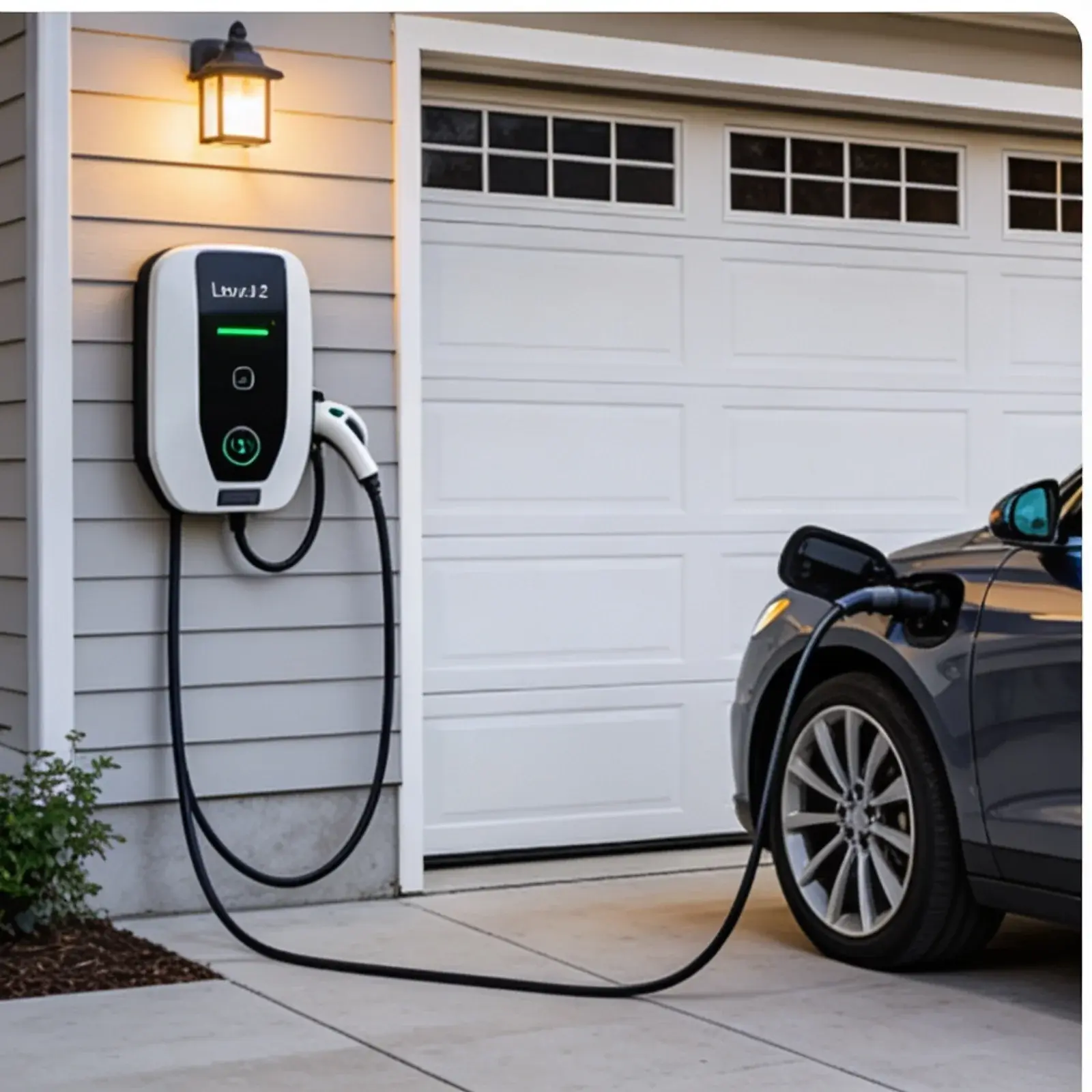
Several warning signs indicate your panel needs attention: frequent circuit breaker trips, flickering or dimming lights when appliances run, burning smell or discoloration around the panel, buzzing or crackling sounds, breakers that won't reset, an old fuse box instead of circuit breakers, or a known problematic brand like Federal Pacific Electric or Zinsco. If you're planning to add major appliances, an EV charger, or a home addition, a panel upgrade may be necessary.
Understanding Panel Capacity
Panel capacity is measured in amps. Most homes built before 1960 have 60-amp service, 1960s-1980s homes typically have 100-amp service, and modern homes usually have 200-amp service. Today's electrical demands often exceed what older panels can safely provide. A 200-amp panel is now the standard for most single-family homes and is required for features like EV chargers or multiple high-draw appliances.
| Home Era | Original Service | Typical Use Case | Upgrade Cost |
|---|---|---|---|
| Pre-1960 | 60-amp | Lights + a few outlets; no central HVAC | $3,500–$7,500 (full service replacement) |
| 1960s – 1980s | 100-amp | Central HVAC + electric range + dryer | $3,500–$7,500 (200A upgrade) |
| 1990s – 2000s | 150 – 200-amp | Modern household + maybe 1 EV charger | $3,500–$7,500 if a 200A upgrade is required; other work quoted by scope |
| 2010s – 2026 | 200 – 400-amp | Heat pump + multi-EV + induction range | Existing capacity is evaluated; 400A service quoted per project |
The Panel Upgrade Process
A panel upgrade involves several steps: initial assessment and load calculation, permit application, coordination with the utility company, installation of the new panel and breakers, reconnection of circuits, inspection by the authority having jurisdiction, and utility reconnection. Field-work and outage windows are set after site access, service condition, equipment, utility availability, weather, and the current permit and inspection processes are reviewed.
Cost Factors for Panel Upgrades
Panel upgrades in Northern Virginia use the public $3,500–$7,500 band for a standard 200A replacement. Factors affecting scope include panel condition, meter-base needs, distance from meter to panel, permits, inspections, wire sizing, and code updates required for existing wiring.
Step-by-Step Guide
0Estimated Time: Project-specific after site, utility, permit, inspection, and access review
Schedule a Professional Assessment
Contact a licensed electrician to evaluate your current panel, perform a load calculation, and determine if an upgrade is necessary.
Tips:
- • Ask about experience with your specific panel type
- • Get a detailed written estimate
Obtain Necessary Permits
Your electrician will apply for required electrical permits from your local jurisdiction.
Tips:
- • Permit costs are included when stated in the written scope
- • Confirm the jurisdiction's current review queue when the permit is filed
Coordinate with Utility Company
The utility company must disconnect power for the upgrade and may need to upgrade the meter base or service line.
Tips:
- • Utility scheduling depends on the service configuration and current availability
- • Plan for the documented power-outage window during installation
Complete the Field Work
The electrician installs the new panel, transfers all circuits, and connects to the service entrance.
Tips:
- • Use the address-specific field-work and outage windows in the written proposal
- • Confirm utility, inspection, access, and equipment dependencies before work begins
Warnings:
- • Keep refrigerators closed during the documented outage
- • Make independent arrangements for any load that cannot tolerate an outage
Inspection and Reconnection
Local inspector verifies work meets code, then utility company reconnects power.
Tips:
- • Your electrician will request the inspection
- • Inspection and reconnection timing depend on the jurisdiction and utility
Northern Virginia Considerations
Code Requirements
Virginia electrical code requires specific panel clearances, grounding, and bonding. AFCI protection is required for bedroom circuits in most upgrade scenarios.
Permit Information
All Northern Virginia jurisdictions require electrical permits for panel upgrades. Fairfax County, Arlington, and Alexandria have specific inspection requirements that must be scheduled after installation.
Typical Costs
$3,500–$7,500 for standard 100-to-200 amp upgrade
Local Tips
Many older Northern Virginia homes built in the 1950s-1970s have panels that need upgrading. Federal Pacific and Zinsco panels are particularly common in this region.
Frequently Asked Questions (15)
How much does an electrical panel upgrade cost?
In Northern Virginia, a standard 100-to-200-amp panel upgrade typically costs $3,500–$7,500 including permits and inspections. Complex upgrades or those requiring service entrance work may cost more.
How long does a panel upgrade take?
Field-work, outage, inspection, and reconnection timing depends on access, existing service condition, equipment, weather, utility scheduling, permit review, and inspection availability. The written proposal identifies the assumptions and dependencies for the address.
Will I be without power during the upgrade?
Panel and service work requires a planned outage, but the window depends on the approved sequence and the utility, inspection, equipment, access, weather, and site conditions. Use the address-specific outage plan in the written proposal. For medical equipment, confirm any temporary-power arrangement with the device manufacturer and maintain the emergency plan recommended by the care team; an optional backup source does not guarantee uninterrupted operation.
Do I need a permit for a panel upgrade?
Yes, electrical panel upgrades require permits in all Northern Virginia jurisdictions. Working without permits can void insurance, create liability issues, and cause problems when selling your home.
What panel brands are considered unsafe?
Federal Pacific Electric (FPE) Stab-Lok panels and Zinsco panels have documented safety issues and should be replaced. These panels may fail to trip during overloads, creating fire hazards.
Can I upgrade my panel myself?
No. Electrical panel work requires permits, licensed professionals, and utility coordination. DIY panel work is illegal in Virginia and extremely dangerous.
What is the difference between 100 and 200 amp service?
200-amp service provides twice the electrical capacity of 100-amp service. Modern homes with central AC, electric appliances, home offices, and EV chargers typically require 200 amps or more.
Will a panel upgrade increase my home value?
A completed upgrade documents electrical condition and available capacity, but market value, buyer response, lender treatment, and insurance outcomes depend on the property and third parties. Keep the permit, inspection record, invoice, photos, and equipment information; no resale or premium outcome is guaranteed.
How do I know if I have a Federal Pacific panel?
Look for "Federal Pacific Electric," "FPE," or "Stab-Lok" on the panel door or breakers. These panels were installed in millions of homes from the 1950s through 1980s.
What is a heavy-up?
A "heavy-up" refers to increasing your electrical service capacity, typically from 100 to 200 amps. It may involve upgrading the panel, meter base, and service entrance cables.
Do I need to upgrade my panel for solar?
Solar installations may require panel upgrades depending on current capacity and the size of the solar system. A solar-ready upgrade ensures your panel can handle both current loads and solar production.
What is the lifespan of an electrical panel?
Quality electrical panels typically last 25-40 years. However, panels should be evaluated by a professional if showing any warning signs, regardless of age.
Will my homeowners insurance change after an upgrade?
Many insurance companies offer lower premiums for homes with modern electrical panels, especially when replacing known problematic brands. Some insurers require panel replacement for coverage.
What happens if I dont upgrade an undersized panel?
An undersized panel can lead to frequent breaker trips, potential fire hazards from overloaded circuits, inability to add new appliances or circuits, and damage to sensitive electronics from power fluctuations.
Can I add a subpanel instead of upgrading?
Sometimes. A subpanel can add circuit capacity if your main panel has sufficient amperage but lacks breaker slots. However, if your service amperage is insufficient, a full upgrade is necessary.
Authoritative Sources
- NFPA 70: National Electrical Code (NEC)The NEC is the foundational safety standard for electrical wiring and installation in the U.S.
- Electrical Safety Foundation International (ESFI)Nonprofit dedicated to promoting electrical safety in the home and workplace.
- Fairfax County: Residential Electrical PermitsCounty electrical permit guidance for single-family homes and townhouses; verify the authority from the project address.