Best Portable Generators and Battery Power Stations for Northern Virginia (2026 Guide)
Northern Virginia homeowners face unique power reliability challenges — from summer derecho storms to winter ice...
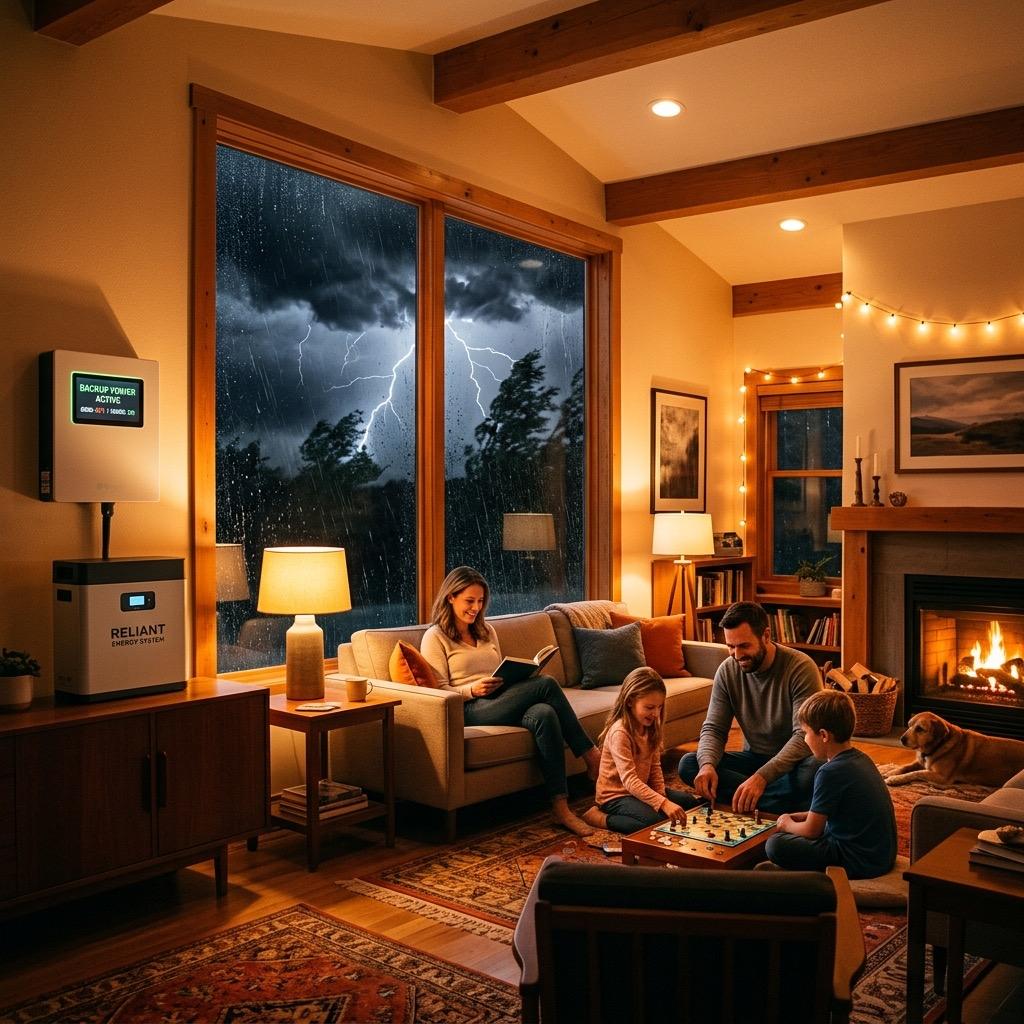

Power outages can strike at any time -- from summer storms and ice events to grid failures that leave Northern Virginia neighborhoods in the dark for days. AJ Long Electric helps homeowners ride out those outages two ways. First, we install the electrical infrastructure that lets you safely power your home from a portable generator: a manual transfer switch, a generator interlock kit, and an exterior generator inlet box. During an outage you run a portable inverter generator outdoors, plug it into the inlet, and flip the transfer switch or interlock -- which prevents dangerous backfeed onto the utility lines that protect line crews and your own equipment. Second, we supply and install battery backup power stations from EcoFlow (Delta Pro and Delta Pro Ultra), Bluetti (AC500 and the EP900 home-integration system), and Anker SOLIX. Battery power stations are silent, fuel-free, and safe to keep indoors -- larger units hardwire to your panel through a transfer switch or smart home panel, such as the EcoFlow Smart Home Panel, to automatically power selected circuits and recharge from the grid or solar. We size every solution to the circuits that matter to you, pull the electrical permit, and inspect the work to NEC 702 standards so your backup power is code-compliant and ready before the next storm. No gas lines, no concrete pad, no weekly engine test cycle to babysit.
A transfer switch or interlock kit lets you power your home from a portable generator without dangerous backfeed onto utility lines.
Battery power stations run with zero noise, zero fumes, and no fuel -- safe to use and store indoors.
We wire your inlet or battery to the circuits you choose -- refrigerator, sump pump, internet, medical equipment, lights.
Never worry about spoiled food or freezing pipes during storms, whether you choose a portable hookup or battery backup.
Battery power stations recharge from a wall outlet or rooftop solar and let you monitor charge and runtime from a phone app.
Serving Fairfax, Arlington, Alexandria, Loudoun, and Prince William Counties.
Fairfax, Arlington, Alexandria, Loudoun & Prince William Counties
Northern Virginia's location along the Mid-Atlantic coast exposes it to a combination of severe weather events that make backup power particularly valuable. Summer thunderstorms and occasional derecho-strength wind events frequently down trees onto power lines in the region's heavily wooded neighborhoods, while winter ice storms coat overhead lines and cause widespread outages lasting days. The 2012 derecho left over a million Dominion Energy customers without power for up to a week, and similar events continue to strike the area regularly. Much of the region's residential power distribution relies on overhead lines running through mature tree canopy, making outages virtually inevitable. The high concentration of remote workers and government contractors who need reliable internet and computing power has driven strong demand for backup solutions. Many Northern Virginia homeowners already own a portable inverter generator and simply need a safe, code-compliant way to connect it -- a transfer switch or interlock kit with an exterior inlet box. Others, especially in townhome and condo communities with HOA rules and close neighbors, prefer a silent, fuel-free battery power station that can run indoors. Both approaches fall under NEC Article 702 as optional standby systems and require only an electrical permit, with no gas line, tank, or mechanical permit involved.
See how we have helped homeowners across Northern Virginia with their portable generators & battery backup needs.
Challenge
After the 2024 summer derecho left their neighborhood without power for five days, the homeowners wanted a safe way to use the portable inverter generator they already owned. They had been running extension cords through a basement window -- a tripping and backfeed hazard -- to keep the refrigerator and a CPAP machine running.
Solution
AJ Long Electric installed a weatherproof generator inlet box on the exterior wall and a generator interlock kit on the main panel, so the homeowners can power chosen circuits from their portable generator without any risk of backfeed onto the utility line. We labeled the backup circuits and pulled the electrical permit; no gas work was involved.
Result
During the next storm the homeowners ran the generator safely outdoors, plugged into the inlet, and powered the refrigerator, sump pump, internet, and the CPAP through the interlock. No more cords through the window, and the inspection passed on the first visit.
Challenge
A software engineer working from home needed reliable backup for his home office, internet equipment, and refrigerator, but the townhome's compact lot and HOA rules ruled out any fuel-burning equipment, and noise would have disturbed neighbors on a shared wall.
Solution
We supplied and installed an EcoFlow Delta Pro battery power station with an expansion battery, hardwired to the panel through a small transfer switch so it powers the home office, network closet, and kitchen refrigerator circuit. The battery recharges from the grid between storms and can top up from portable solar, all monitored from the EcoFlow app.
Result
The setup is completely silent and lives in the utility closet, so the HOA had no objection. The homeowner has worked through three subsequent outages without interruption, watching remaining runtime on his phone.
Challenge
The homeowners experienced four extended outages in two years. Their well pump requires electricity, so any outage left them without running water, and they wanted backup that would not require refueling or running an engine overnight.
Solution
AJ Long Electric installed a Bluetti AC500 power station with stacked expansion batteries, hardwired through a transfer switch to power the well pump circuit, refrigerator, and essential lighting. We sized the storage in kWh to carry the well pump's intermittent draw through an extended outage and set up grid and solar recharging.
Result
The battery carries the family's water, refrigeration, and lighting through typical outages silently and fume-free. With solar recharging available, runtime extends across multi-day events, and there is nothing to refuel during a storm.
Challenge
A large estate with a home office wing, wine cellar with climate control, and a home theater wanted automatic, silent backup for selected circuits -- without the noise, fumes, or maintenance of any fuel-burning equipment on the property.
Solution
We designed a whole-home battery integration around an EcoFlow Smart Home Panel paired with Delta Pro Ultra units, hardwired to automatically power chosen circuits the instant the grid drops. We added a generator inlet box so a portable generator can recharge the battery bank during a rare multi-day outage, and configured the smart panel to prioritize the wine cellar and office circuits.
Result
When the grid goes down, the selected circuits switch to battery power automatically and silently. During a 48-hour outage the wine cellar climate control and office wing never lost power, and the homeowner topped the batteries back up from a portable generator without any backfeed risk.
Permit requirements for portable generators & battery backup vary by county. We handle the entire permitting process for you.
Permit Process
Fairfax County requires an electrical permit for the transfer switch, interlock kit, inlet box, or hardwired battery integration. Applications are submitted through Land Development Services and typically take a few business days. Because no gas line is involved, no mechanical or gas permit is required.
Inspection Notes
Fairfax requires an electrical inspection. The inspector verifies the transfer switch or interlock installation, backfeed prevention, the inlet box rating, and proper grounding and bonding for any battery hardwiring.
Special Requirements
Permit Process
Loudoun County requires an electrical permit for transfer switch, interlock kit, inlet box, and battery panel work. The Department of Building and Development processes applications in a few business days. No gas permit is needed since these systems use no fuel line.
Inspection Notes
Loudoun inspectors verify the transfer switch or interlock operation, backfeed prevention, inlet box installation, and -- for battery systems -- proper conductor sizing and grounding. A final functional test is often required.
Special Requirements
Permit Process
Prince William County processes electrical permits for backup-power work through Development Services. An electrical permit covers the transfer switch, interlock kit, inlet box, and battery hardwiring; no gas permit is required. Applications are typically reviewed within a few business days.
Inspection Notes
Prince William inspectors check the transfer switch or interlock installation, inlet box rating, proper grounding, and -- for battery systems -- conductor sizing and overcurrent protection. They may require a functional test of circuit switching.
Special Requirements
Permit Process
Arlington County processes electrical permits through the Inspections Services Division, typically within a few business days. An electrical permit covers the transfer switch, interlock kit, inlet box, or battery integration; no gas permit is required for these fuel-free systems.
Inspection Notes
Arlington inspectors verify backfeed prevention on the transfer switch or interlock, the inlet box installation, and proper grounding and conductor sizing for battery hardwiring. Given the county's urban density, clean labeling and code compliance are scrutinized.
Special Requirements
Transparent pricing with options to fit your budget and project scope. Every tier includes our quality guarantee.
$900-$2,500
Safely power chosen circuits from a portable generator you run outdoors, with no backfeed risk.
$2,500-$6,000
A silent, fuel-free battery power station, supplied and installed to keep your essentials running indoors.
$6,000-$15,000+
Automatic, silent whole-home backup that powers selected circuits the instant the grid drops.
Prices may vary based on the specific requirements of your project, the condition of existing electrical systems, and your home's unique characteristics. Contact us for a free, no-obligation estimate tailored to your needs.
Different home styles have unique electrical characteristics. Select your housing type to see specific considerations.
Colonial homes in Vienna, McLean, and Fairfax usually have plenty of room to run a portable generator safely outdoors, well away from windows. The panel is often in the basement, so we route the inlet-box or transfer-switch wiring through the foundation wall with proper waterproof penetrations. A battery power station fits neatly in a utility room or basement near the panel.
We follow a proven process to ensure your project is completed safely, on time, and to your complete satisfaction.
We help you list the circuits and appliances you need during an outage and decide whether a portable-generator hookup, a battery power station, or both fit your goals and budget.
We inspect your electrical panel and choose the inlet box location and the wiring path for the transfer switch, interlock kit, or battery integration.
Based on your needs and budget we recommend the right hookup hardware and, for battery backup, an EcoFlow, Bluetti, or Anker SOLIX power station sized in kWh capacity and watt output.
You receive a complete written estimate covering hardware, wiring, the electrical permit, and -- for battery systems -- the power station and any smart home panel integration.
We pull the electrical permit with your local jurisdiction. Because no gas line is involved, no gas or mechanical permit is required.
We mount the inlet box, install the transfer switch or interlock kit, and -- for battery backup -- set the power station and hardwire it to your panel through a transfer switch or smart home panel.
We test the complete system, walk you through safe generator startup and carbon-monoxide rules or battery app monitoring, and register any product warranty.
Get answers to common questions about our portable generators & battery backup services.
All three are part of connecting a portable generator safely. The generator inlet box is the weatherproof outdoor receptacle you plug your generator cord into. A manual transfer switch is a small subpanel that lets you move selected circuits between utility power and generator power. A generator interlock kit is a more economical device that bolts onto your existing main panel and mechanically prevents the main breaker and the generator breaker from being on at the same time. All three exist to stop backfeed -- generator power flowing back onto the utility line. We recommend the right combination based on your panel and the circuits you want to back up.
Battery power stations are rated two ways: capacity in kilowatt-hours (kWh), which is how much energy is stored, and continuous output in watts, which is how much you can run at once. A single EcoFlow Delta Pro or Bluetti AC500 stores a few kWh and runs essentials like a refrigerator, internet, lights, and a CPAP for several hours. Stacking expansion batteries or choosing the EcoFlow Delta Pro Ultra extends runtime to a day or more. For whole-home coverage we integrate a system like the EcoFlow Smart Home Panel or Bluetti EP900 to hardwire selected circuits. We help you list your must-run loads and match the capacity and output to them.
Yes. Unlike any fuel-burning generator, battery power stations produce no exhaust and no carbon monoxide, so they are safe to operate and store indoors -- in a basement, utility closet, or living space. They also run silently, which makes them practical for apartments, townhomes, and homes with close neighbors. Portable gas generators, by contrast, must always run outdoors, well away from windows, doors, and vents.
Yes. EcoFlow, Bluetti, and Anker SOLIX power stations all accept solar input alongside standard grid charging. You can recharge from a wall outlet between storms, top up from portable solar panels or a rooftop array during an outage, and monitor charge level and remaining runtime from the manufacturer's phone app. This makes a battery a good fit for extended outages where refueling a generator would be a problem.
Any hardwired work needs an electrical permit -- that includes installing a manual transfer switch, an interlock kit, a generator inlet box, or hardwiring a battery system to your panel through a transfer switch or smart home panel. Because these systems do not involve a gas line, no gas or mechanical permit is required. Some HOAs ask for approval of an exterior inlet box. We handle the electrical permit and inspection as part of every installation.
Back-feeding a generator into a regular outlet -- sometimes called a suicide cord -- is illegal and extremely dangerous. It can push power back onto the utility line and electrocute line workers, and it bypasses your home's overcurrent protection. Extension cords run through a window leave the door cracked and create a tripping and fire hazard. A code-compliant transfer switch, interlock kit, and inlet box are the only safe way to connect a portable generator to your home's wiring.
Typical pricing in Northern Virginia runs about $900-$2,500 for a manual transfer switch or interlock kit installation, and roughly $500-$1,200 for adding a generator inlet box. The exact figure depends on your panel, how many circuits you want to control, and the wiring run to the exterior inlet location. These are typical estimates, not guarantees -- we provide a written quote after assessing your panel.
A portable battery power station with professional setup -- for example an EcoFlow Delta Pro or Bluetti AC500 wired to an inlet or transfer switch -- typically runs $2,500-$6,000 installed. A whole-home integration using the EcoFlow Smart Home Panel or Bluetti EP900 to automatically power selected circuits typically runs $6,000-$15,000 or more, depending on storage capacity and the number of circuits. These are typical estimates; we quote your specific setup after a site evaluation.
Runtime depends on the battery's stored capacity in kWh and what you are powering. A single power station running only essentials -- refrigerator, internet, phone charging, a few lights, a CPAP -- can last most of a day; adding expansion batteries or recharging from solar extends that indefinitely. High-draw loads like central air conditioning or electric heat drain a battery far faster, so we focus the design on the circuits you most need to keep running.
A portable generator hookup is the lower-cost entry point and can run high loads as long as you have fuel, but it requires manual setup, refueling, and outdoor operation because of carbon monoxide. A battery power station costs more up front but is silent, fuel-free, safe indoors, and starts powering your home automatically when integrated with a smart home panel. Many Northern Virginia homeowners pair the two -- a battery for quiet everyday backup and an inlet box so a portable generator can recharge the battery during a multi-day outage. We help you weigh budget, runtime needs, and where the equipment will live.
Yes. Larger battery power stations hardwire to your panel through a transfer switch or a manufacturer smart home panel such as the EcoFlow Smart Home Panel or Bluetti EP900. When the grid goes down, the system switches selected circuits to battery power automatically -- no plugging in, no flipping a switch. This whole-home integration is the closest thing to set-and-forget backup we offer, and all of it falls under NEC Article 702 as an optional standby system.
Every home is different. Here are the factors that influence pricing for portable generators & battery backup services.
Same day to 1 day
$900-$2,500 portable hookup; $2,500-$15,000+ battery backup
Our installation work carries a workmanship warranty covering the transfer switch, interlock kit, inlet box, and any battery hardwiring we perform. Battery power stations from EcoFlow, Bluetti, and Anker SOLIX carry their own manufacturer warranties on the unit and battery cells, which vary by model -- we register your equipment and provide the documentation so you can claim coverage directly with the manufacturer if needed.
Explore other electrical services that complement portable generators & battery backup.
Upgrade your home's electrical capacity with safe, modern panel installations.
Whole-home protection against damaging power spikes.
Integration for smart switches, thermostats, and video doorbells.
Expert diagnosis and repair for flickering lights, dead outlets, and more. Diagnostic visit fee waived if you move forward with the repair.
AJ Long Electric installs portable-generator hookups and battery backup systems across every corner of Northern Virginia, from compact townhomes in Reston to estate properties in Great Falls, and we understand the challenges each property type presents. Our licensed master electricians handle the whole job from consultation through final inspection -- choosing the right interlock kit, manual transfer switch, or inlet box for your panel, or sizing and installing an EcoFlow, Bluetti, or Anker SOLIX battery power station in kWh capacity and watt output for the circuits you most need to keep running. We pull the electrical permit and coordinate the inspection in every local jurisdiction; because these systems use no fuel line, there is no gas permit, concrete pad, or fuel tank to worry about. We register any product warranty and walk you through safe operation -- carbon-monoxide rules for a portable generator, or app monitoring for a battery. Our pricing is transparent, with the hookup or battery system, wiring, and permit spelled out in a written estimate before any work begins.
Virginia Licensed Electricians
Fully Bonded & Insured
Serving Northern Virginia
On All Workmanship
We proudly provide portable generators & battery backup services across Northern Virginia, Washington DC, and Maryland. Click on your area to learn more.
Learn about common electrical issues and when to call a professional.
Expert electrical guides to help you make informed decisions.
Everything Northern Virginia homeowners need to know about backup power: safely connecting a portable generator with a transfer switch or interlock kit, or installing a silent, fuel-free battery power station.
Navigate the electrical permit process in Northern Virginia with confidence. Learn requirements for Fairfax County, Arlington, Alexandria, and surrounding areas.
Guides our licensed electricians point portable generators & battery backup customers to most often.

Northern Virginia homeowners face unique power reliability challenges — from summer derecho storms to winter ice...

Backup power is a meaningful investment. These 5 diagnostic questions help Northern Virginia homeowners decide whether...
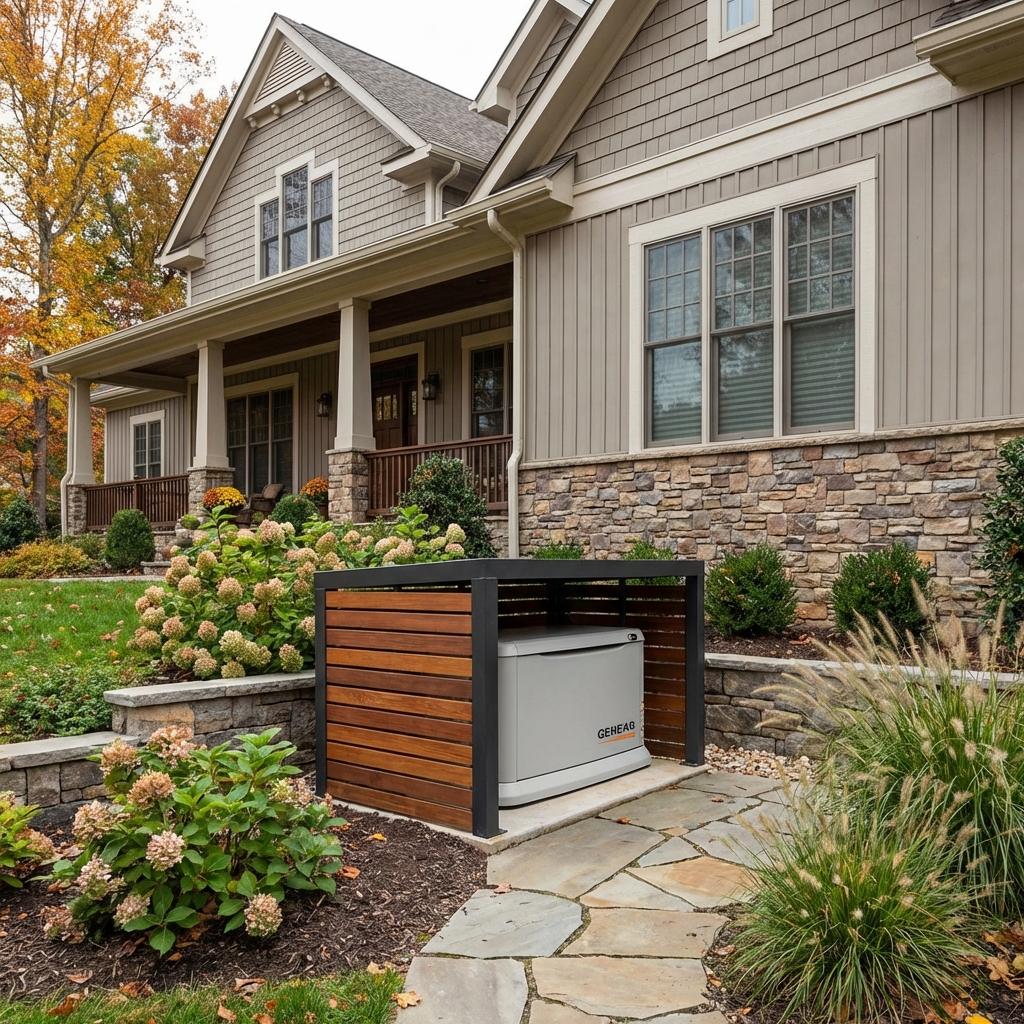
A comprehensive guide to home backup power in Northern Virginia using portable generator hookups (transfer switches,...

Transfer switch and generator inlet installs run $500-$2,500 in Virginia; battery power station supply and install runs...

Learn how transfer switches and battery smart home panels work, why they are essential for connecting a portable...
Explore our other professional electrical services.