
Routine$150 - $300 per outlet2-4 hours for typical installation
Not Enough Electrical Outlets in Room
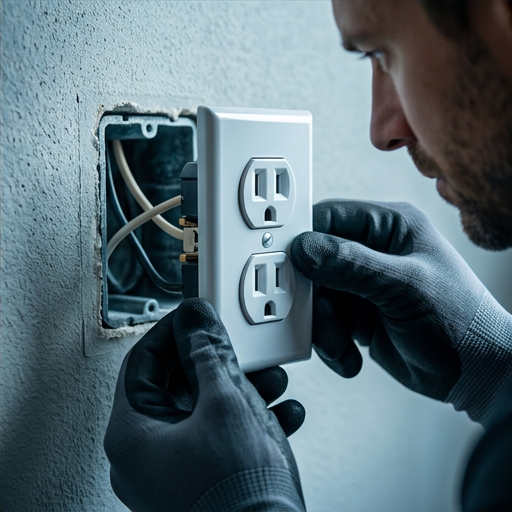
Older homes often have fewer outlets than modern needs require. Adding outlets improves convenience and safety by eliminating the need for extension cords and overloaded power strips.
Need Help With This Problem?
Our licensed electricians can diagnose and fix this issue quickly and safely.
(571) 444-688624/7 Emergency Service Available
Common Symptoms
- Extension cords running across rooms
- Power strips daisy-chained together
- Unplugging devices to use others
- Outlets hidden behind furniture
- Overloaded outlets with multiple adapters
Common Causes
- Older home built before modern electrical demands
- Rooms designed for different purposes
- Increased electronics and devices over time
- Poor outlet placement in original construction
- Home additions without adequate outlets
Safe DIY Checks
These checks are safe for homeowners to perform before calling an electrician:
- Count existing outlets and note locations
- Identify where additional outlets would help most
- Check if existing circuits have capacity
- Note if dedicated circuits are needed for appliances
- Consider both walls and floor outlet options
When to Call an Electrician
Call a licensed electrician immediately if:
- When ready to add professional outlet installations
- Before relying on extension cords permanently
- When planning room renovations or additions
- For dedicated circuits for major appliances
- To assess panel capacity for additional circuits
Understanding This Problem
Many homes, especially those built before the 1980s, simply don't have enough electrical outlets for modern life. Back then, a typical room might have one or two outlets because people had fewer electrical devices. Today, a single bedroom might need outlets for phone chargers, laptops, TVs, gaming consoles, lamps, and more.
Using extension cords as a permanent solution is not safe. Extension cords are designed for temporary use and can overheat when used continuously, especially if undersized for the load. Running cords under rugs or through doorways creates fire and tripping hazards.
Daisy-chaining power strips - plugging one power strip into another - is particularly dangerous. Each connection adds resistance and heat, and the original circuit can easily become overloaded.
The solution is adding outlets where you need them. This involves running new wiring from your electrical panel or extending existing circuits if they have capacity. A licensed electrician can assess your needs and install outlets safely and to code.
When adding outlets, think ahead. Install more than you think you need, in locations that make sense for current and future use. Include USB outlets in bedrooms and offices. Consider floor outlets in large living rooms. The cost of adding one more outlet during a project is minimal compared to doing it later.
Prevention Tips
Install adequate outlets during any renovation
Plan for future needs when adding outlets
Include USB outlets in convenient locations
Consider floor outlets in large rooms
Install outlets in kitchen islands during remodels
Frequently Asked Questions
How much does it cost to add an electrical outlet?
Adding an outlet typically costs $150-$300 including parts and labor. Costs vary based on accessibility, distance from power source, and whether new circuits are needed.
Can I just use extension cords instead of adding outlets?
Extension cords are for temporary use only. Permanent use creates fire hazards and violates electrical codes. If you need more outlets, have them properly installed.
Is it expensive to add multiple outlets at once?
Adding multiple outlets in one visit is more cost-effective than separate trips. Once an electrician is on site, additional outlets on the same circuit cost less than the first one.
Do I need a permit to add an outlet?
Most jurisdictions require permits for new circuit installation. Your electrician will handle permitting. Work without permits can create insurance and resale issues.
Can my electrical panel handle more outlets?
It depends on current capacity and usage. An electrician can assess your panel and determine if new circuits are possible or if a panel upgrade is needed.
Related Services
Kitchen Electrical
Specialized wiring for kitchen remodels, appliances, and lighting.
Learn MoreCommercial Services
Honest light-commercial electrical for Northern Virginia businesses: offices, retail, restaurants, and tenant fit-outs. Request a commercial estimate.
Learn MoreElectrical Troubleshooting
Diagnostic service for power loss, flickering, dead outlets, repeated tripping, heat, noise, and other residential electrical symptoms.
Learn MoreRepair vs. Replace Decision
Adding-outlets decision matrix: extend an existing circuit vs. run a new one. NEC 210.52 already requires an outlet within 6 ft of any point along a wall, so most rooms are below code — adding outlets brings them up to it.
| Situation | Extend Existing Circuit | Add New Circuit / Panel Work | Typical Cost |
|---|---|---|---|
| One extra outlet, circuit has spare capacity | Tap the nearest box and add a receptacle | Not needed | $150 – $300 |
| Several outlets on a lightly used circuit | Daisy-chain on screw terminals | Only if the circuit nears its load limit | $300 – $700 |
| Room fails NEC 210.52 6-ft spacing rule | Add receptacles to satisfy spacing | If existing circuit is full | $300 – $900 |
| Kitchen counter outlets | Not allowed — kitchen counters need dedicated circuits | Add 20A small-appliance circuit per NEC 210.52(B) | $400 – $900 |
| High-draw appliance (window AC, space heater, EV) | Not safe to share | Run a dedicated circuit from the panel | $400 – $1,200 |
| Panel already full / no open slots | Not possible | Add a subpanel or upgrade the service | $1,500 – $4,500 |
Related Problems
Urgent
Tripping Breakers
A circuit breaker that keeps tripping is doing its job protecting you from overloads or faults. However, repeated tripping indicates an underlying problem that needs to be identified and resolved.
Learn More UrgentHot Outlet
An outlet that feels warm or hot to the touch indicates electrical resistance and overheating. While dimmer switches can feel slightly warm normally, standard outlets should always be cool to the touch.
Learn MoreGuides
Related Guides
Expert electrical guides to help you make informed decisions.
Beginner
Dedicated Circuits Cost Guide — Northern Virginia 2026
Per-appliance dedicated-circuit cost ranges, NEC requirements that drive the spec, and when a sub-panel addition is the cleaner path than multiple individual circuits.
8 min read
Read GuideBeginner
Recessed Lighting Cost & Planning Guide — Northern Virginia 2026
Per-fixture install costs by ceiling type, layout planning for kitchen + basement + living room installs, dimmer compatibility, and the cost-driving factors in a typical Northern Virginia home.
9 min read
Read GuideIntermediate
Planning Your Home Electrical Renovation
Plan your home electrical renovation successfully with this comprehensive guide covering budgeting, timelines, and contractor coordination.
14 min read
Read GuideCode & Safety References
All repairs are performed to the National Electrical Code (NFPA 70) adopted by your local Northern Virginia jurisdiction. For independent, authoritative guidance on the hazards behind this problem, see:
Let Us Fix This Problem for You
Our licensed electricians have the expertise to diagnose and repair need more outlets problems quickly and safely.