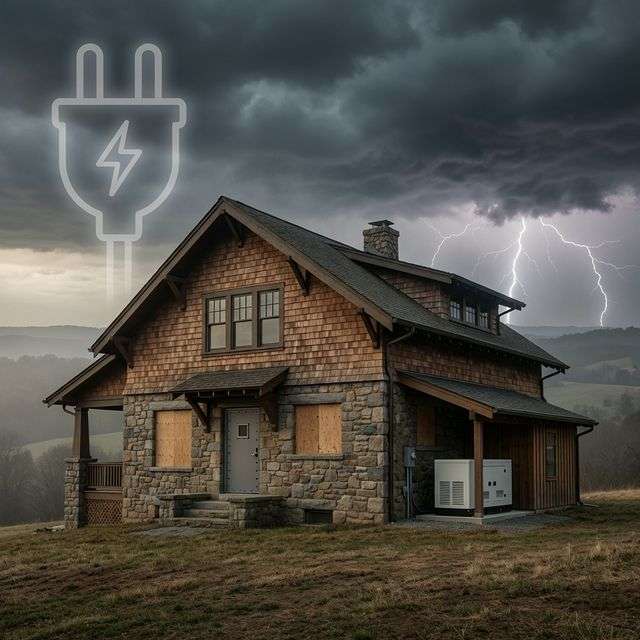

Northern Virginia experiences its share of severe weather—from summer thunderstorms and tropical remnants to winter ice storms and nor'easters. Each storm season brings the potential for power outages, dangerous surges, and electrical system damage. Proper preparation protects your home, your family, and your valuable electronics.
Key Takeaways
- Whole-home surge protection is essential during storm season to protect electronics and HVAC systems from lightning-induced surges.
- A properly installed transfer switch allows safe generator connection without risking backfeed to utility lines.
- Keep an emergency electrical kit: flashlights, fresh batteries, portable phone chargers, and a battery-powered radio.
- After any storm, check for damage to the electrical meter, service entrance, and outdoor wiring before restoring power.
Understanding Storm-Related Electrical Hazards
Severe weather threatens your electrical system in multiple ways:
Planning Backup Power for Your Home?
Plan for the next outage with a listed portable-generator hookup or a compatible battery-backup installation. We evaluate the panel, selected loads, equipment, and transfer method before quoting the electrical scope. Call (571) 444-6886 to request an in-home assessment.
- Power surges: Lightning strikes and grid fluctuations cause voltage spikes that damage electronics
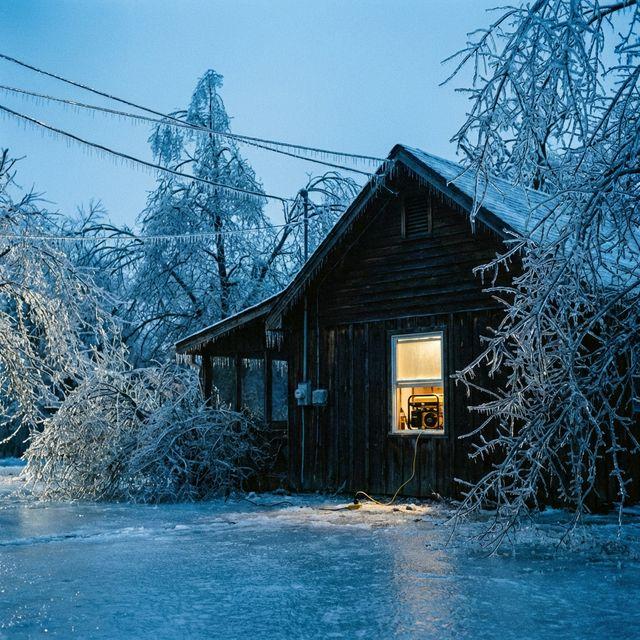
- Power outages: High winds, falling trees, and ice accumulation bring down power lines
- Flooding: Water intrusion damages electrical components and creates shock hazards
- Wind damage: Flying debris can damage outdoor electrical equipment
- Downed lines: Fallen power lines present extreme electrocution danger
Surge Protection Strategies
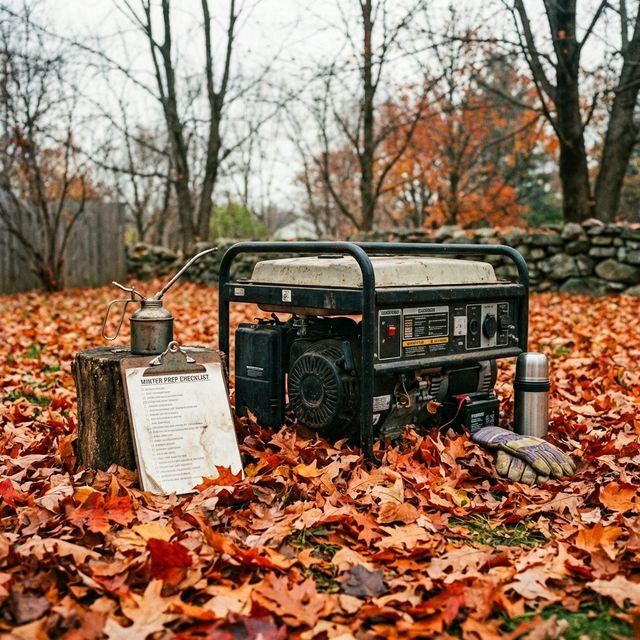
Storm Season Checklist: Install surge protection, test your generator, assemble emergency supplies, and know where your main breaker is so you can shut off power quickly if flooding threatens.
Lightning and power fluctuations destroy billions of dollars in electronics annually. Protect your investment with layered surge protection:
Whole-Home Surge Protection
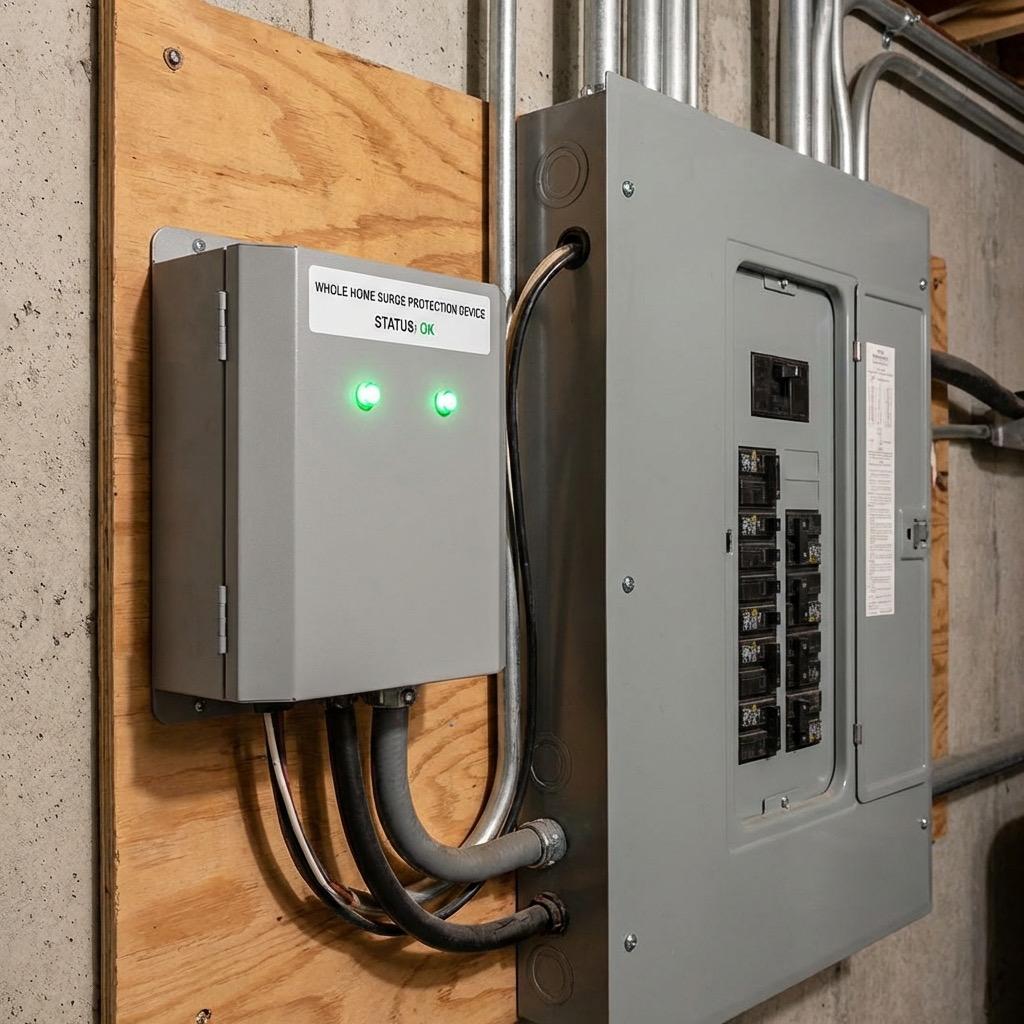
A whole-home surge protector, installed at your electrical panel, provides the first line of defense:
- Diverts large surges away from your entire electrical system
- Protects hardwired appliances like HVAC systems and water heaters
- Typically rated for 40,000-80,000 amps
- Requires professional installation
- Should be replaced after major surge events
Point-of-Use Protection
Add secondary protection at sensitive equipment:
- Use quality surge-protecting power strips for computers and entertainment systems
- Replace surge protectors every 3-5 years or after surge events
- Look for protectors with joule ratings of 1000 or higher
- Choose units with indicator lights showing protection status
Backup Power Options
Portable Generators
Portable generators provide temporary power during outages:
- Size the generator's watt output to match your critical load needs
- Never operate indoors or in enclosed spaces—carbon monoxide is deadly
- Keep at least 20 feet from windows and doors with exhaust pointed away
- Use heavy-duty extension cords rated for generator use
- Never connect directly to house wiring without a transfer switch or interlock kit
- An exterior generator inlet box lets you connect with one rated cord and keep doors and windows closed against carbon monoxide
Battery Power Stations
Battery power stations store electricity without a combustion engine or exhaust. Compare listed equipment by usable kWh, running and starting output, operating sound, recharge path, supported loads, and placement instructions:
- No combustion exhaust; placement, clearances, ventilation, temperature, charging, and unattended operation still follow the exact listing and manufacturer instructions
- Recharge from the grid or from solar panels
- Compatible listed transfer or load-management equipment follows its documented operating sequence; transfer time, load shedding, and supported circuits depend on the exact design
- Sized in kilowatt-hours (kWh) of capacity and watts of output
- App monitoring of charge level, output, and runtime
- Compatible larger units may connect through listed transfer or load-management equipment to support documented circuits according to the approved design
Pre-Storm Preparation Checklist
When severe weather threatens, take these steps:
- Unplug sensitive electronics, including computers and entertainment systems
- Charge all phones, tablets, and battery packs
- Fill vehicles with gas while pumps are operational
- Locate flashlights and install fresh batteries
- Know how to manually operate your garage door
- If you have a generator, test it and check fuel level
- Raise items in basement if flooding is possible
During the Storm
Stay safe while weather is severe:
- Stay away from windows and electrical equipment
- Don't use corded phones or touch plumbing during lightning
- If power flickers, unplug additional devices
- Keep refrigerator and freezer doors closed to preserve cold
- Never use candles near combustible materials
After the Storm
Power Outage Response
- Report outages to your utility company
- Turn off or unplug major appliances to prevent surge damage when power returns
- Leave one light on so you know when power is restored
- Check on neighbors, especially elderly or vulnerable individuals
Electrical Safety After Storms
- Downed power lines: Assume all downed lines are energized and deadly. Stay far away and report immediately.
- Flooding: Never enter a flooded basement if water may contact electrical equipment
- Damage inspection: Look for damage to your electrical meter, mast, and outdoor equipment
- GFCI trips: Water intrusion may trip GFCI outlets—identify and address the cause before resetting
Professional Storm Preparation Services
AJ Long Electric provides comprehensive storm preparation services:
- Whole-home surge protector installation
- Transfer switch, interlock kit, and generator inlet box installation for portable generators
- Compatible listed battery equipment included in an approved scope, or connection of customer-selected listed equipment, with exact equipment, circuit integration, and responsibility boundaries documented in the written proposal
- Electrical system inspections
- Storm damage repair
Don't wait until severe weather threatens. Contact us today to protect your home and family from storm-related electrical hazards.