
Severe storms -- whether thunderstorms, hurricanes, or winter ice storms -- create significant electrical hazards. Lightning, downed power lines, flooding, and power outages all present risks that homeowners need to understand and prepare for. This guide covers essential electrical safety measures for before, during, and after severe weather events.
Key Takeaways
- Install whole-home surge protection and unplug sensitive electronics before storms arrive.
- Never touch electrical equipment while standing in water -- if flooding threatens your panel, call the utility company.
- Assume ALL downed power lines are energized and stay at least 35 feet away.
- Never run a portable generator indoors or connect it directly to home wiring without a transfer switch.
Before the Storm: Preparation
Surge Protection
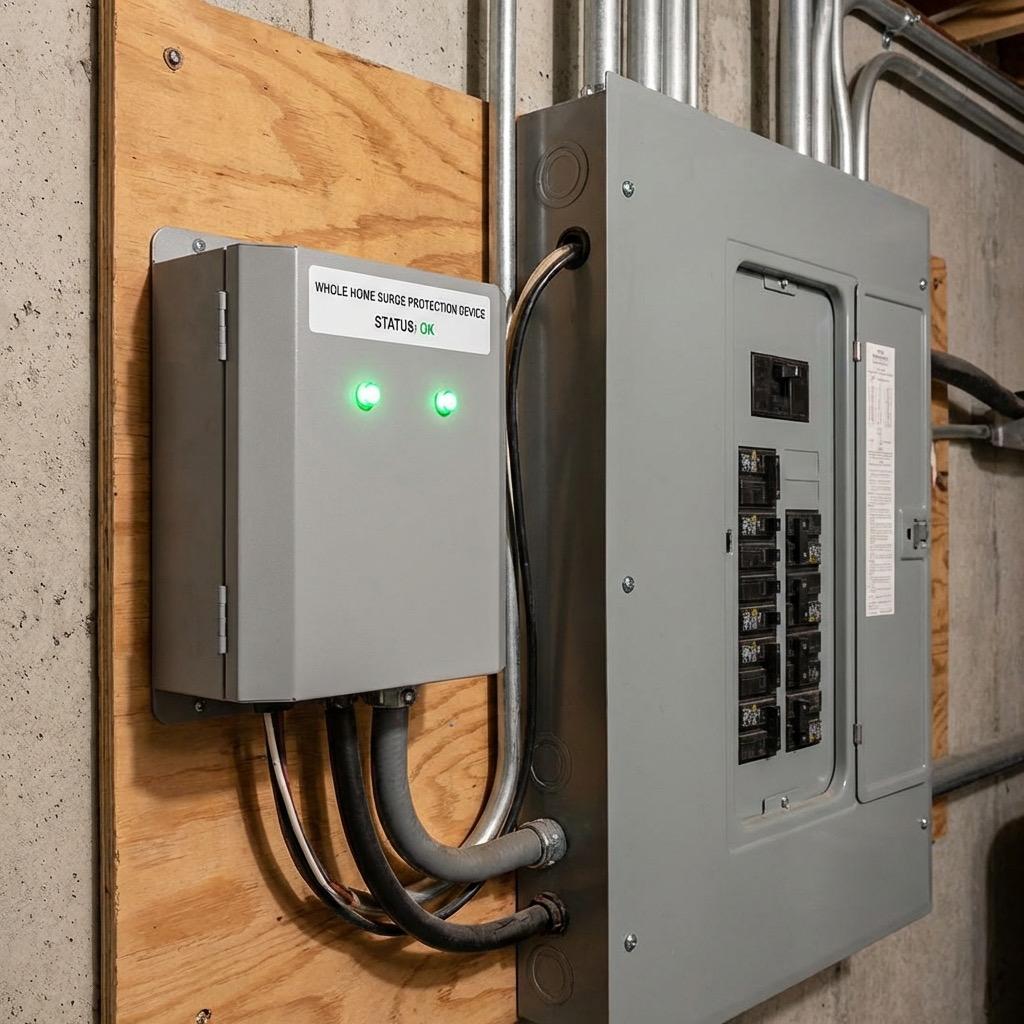
Lightning strikes and power grid disturbances during storms cause damaging power surges. Before storm season:
Planning Backup Power for Your Home?
Plan for the next outage with a listed portable-generator hookup or a compatible battery-backup installation. We evaluate the panel, selected loads, equipment, and transfer method before quoting the electrical scope. Call (571) 444-6886 to request an in-home assessment.
- Install whole-home surge protection at your electrical panel
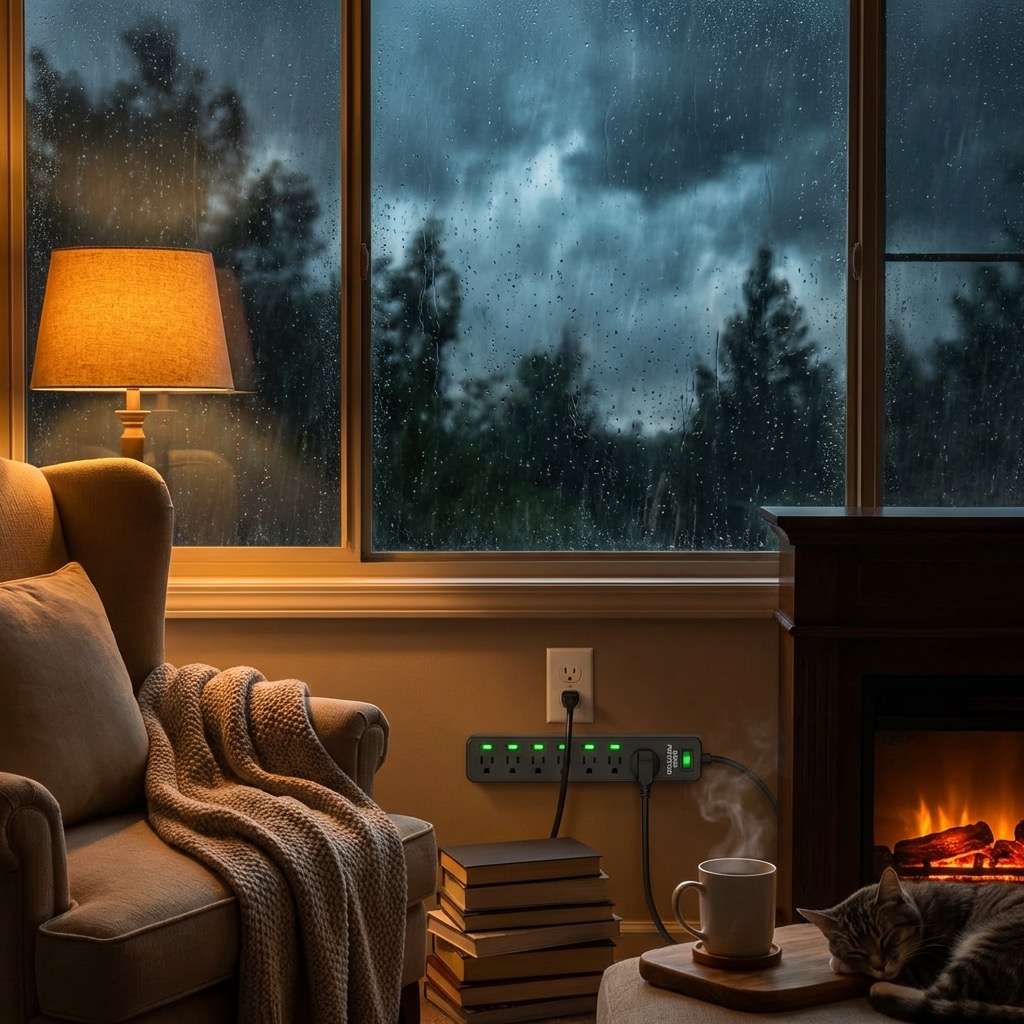
- Use point-of-use surge protectors for sensitive electronics
- Consider surge protection for cable, phone, and internet lines
Backup Power Planning
Extended outages are common during severe storms. Consider your options:
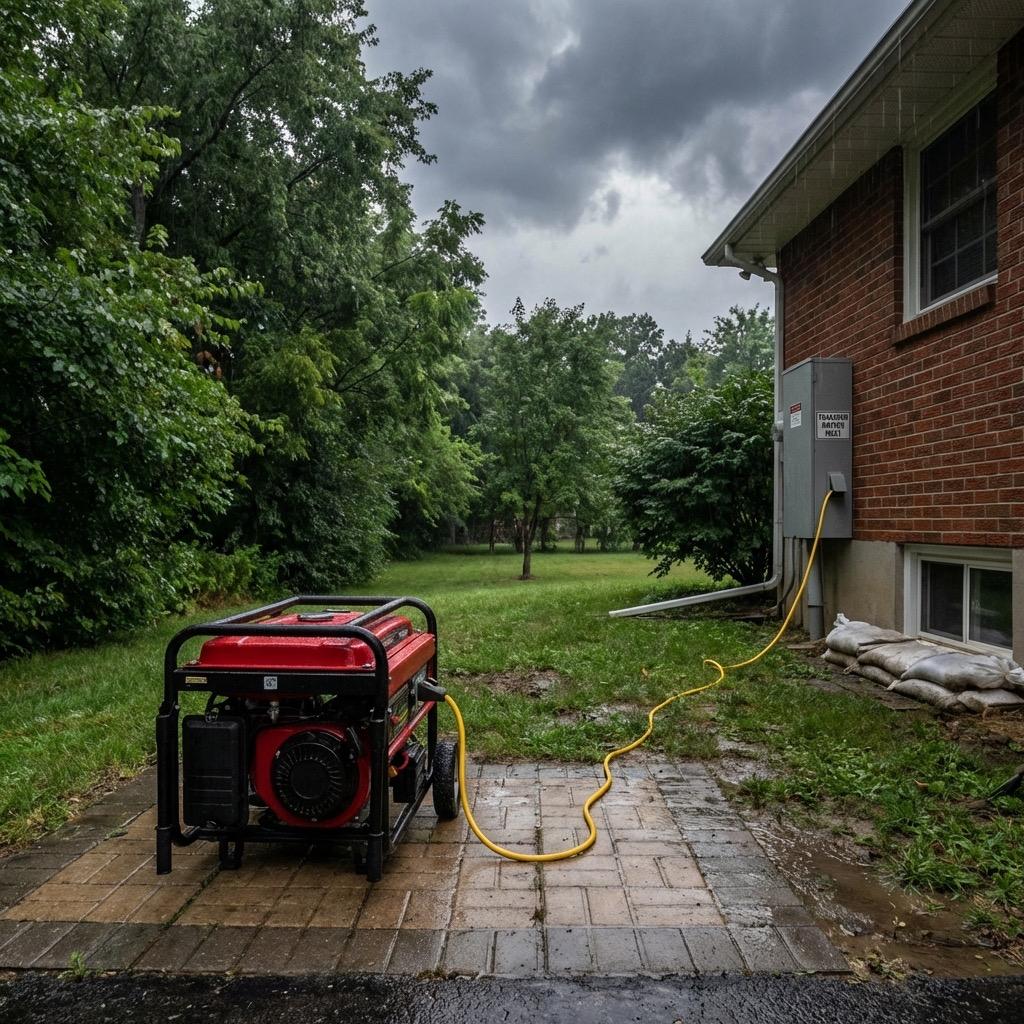
- Portable generators: Affordable but require careful, safe operation outdoors and a transfer switch or interlock kit to power home circuits
- Battery power stations: Listed equipment with no combustion exhaust; placement, clearance, operating conditions, transfer behavior, and supported loads follow the exact listing and approved design. Medical equipment requires device-manufacturer compatibility and an emergency plan.
- Whole-home battery integration: Larger battery systems hardwire to your panel through a transfer switch or smart home panel to automatically power selected circuits
Emergency Kit Preparation
Assemble electrical-related emergency supplies:
- Flashlights with fresh batteries (avoid candles - fire risk)
- Battery-powered or hand-crank radio
- Portable phone chargers (fully charged)
- Extra batteries in various sizes
During the Storm: Immediate Safety
Lightning Safety
When thunderstorms approach:
- Stay away from electrical equipment and appliances
- Avoid contact with plumbing - pipes can conduct lightning strikes
- Unplug sensitive electronics before the storm arrives (if safe to do so)
- Avoid corded phones - use cell phones instead
- Stay away from windows and doors, especially those with metal frames
If Power Goes Out
- Turn off and unplug major appliances to prevent surge damage when power returns
- Leave one light on so you know when power is restored
- Keep refrigerator and freezer doors closed
- Use flashlights, not candles
- If using a generator, never operate it indoors or in an enclosed space
Storm Prep Checklist: Before storm season, install whole-home surge protection, test your generator and transfer switch, assemble emergency supplies (flashlights, batteries, phone chargers), and review safe generator operation with your family.
Flooding Concerns
Water and electricity are a deadly combination:
- If flooding threatens your electrical panel or outlets, turn off the main breaker if you can do so safely without standing in water
- Never touch electrical equipment while standing in water
- If you could not shut off power before flooding, call the utility company to disconnect
- Evacuate if your electrical system is flooded
After the Storm: Recovery Safety
Downed Power Lines
Downed power lines are extremely dangerous:
- Assume ALL downed lines are energized - even if they are not sparking
- Stay at least 35 feet away from downed lines
- If a line is across your car, stay inside unless the vehicle is on fire
- Report downed lines to your utility company immediately
- Keep others away and warn approaching pedestrians or drivers
Before Restoring Power
Do not just flip the main breaker back on. First:
- Check for standing water near the electrical panel
- Look for visible damage to wiring, outlets, or the panel itself
- Smell for burning odors
- Check outside for damage to the meter base or service entrance
If you notice any damage or flooding, have an electrician inspect before restoring power.
Flood-Damaged Electrical Systems
If any part of your electrical system was submerged:
- Do not restore power until a licensed electrician inspects the system
- Submerged outlets, switches, and wiring may need replacement
- The electrical panel may require complete replacement
- Appliances that were submerged should not be used until inspected
- Document all damage for insurance purposes
Generator Safety After Storms
If using a portable generator during extended outages:
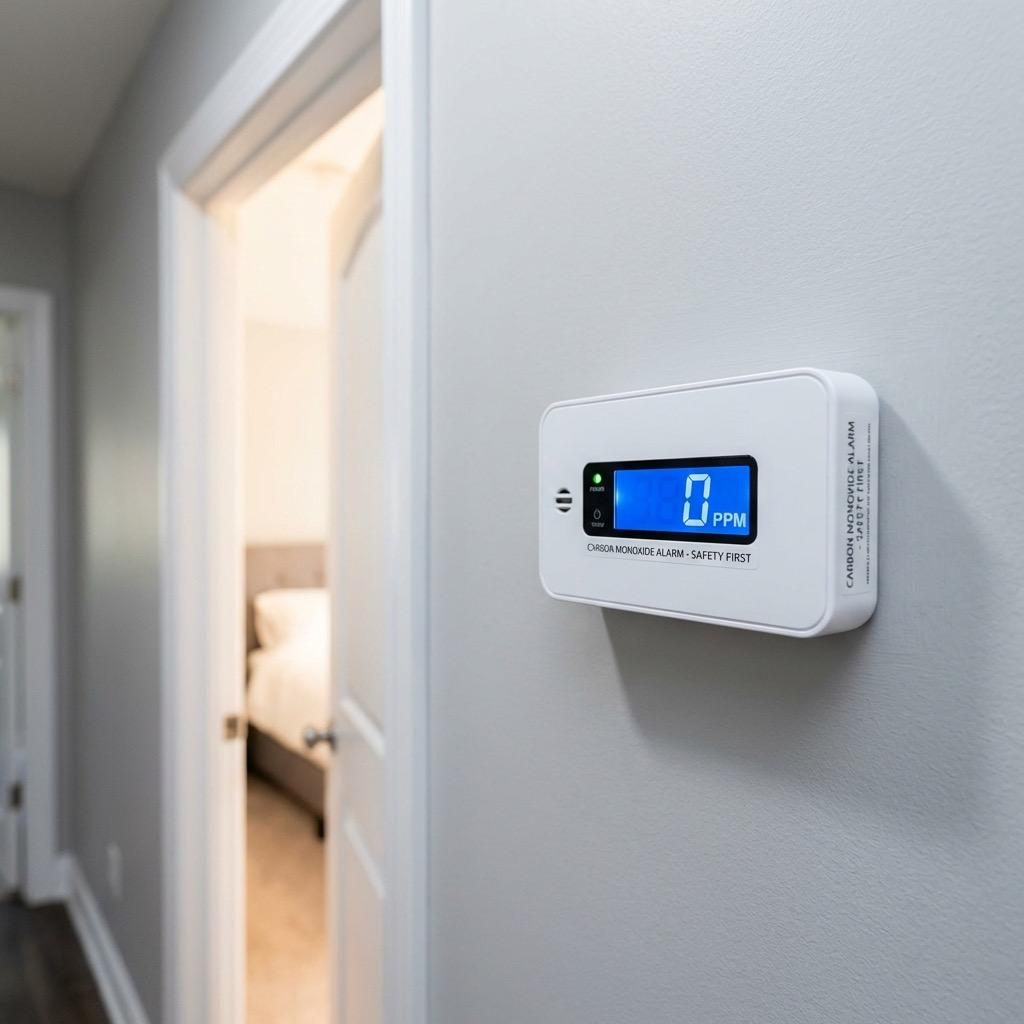
- Never run generators indoors, in garages, or in enclosed spaces - carbon monoxide is deadly
- Place generators at least 20 feet from the home with exhaust pointing away
- Never connect generators directly to home wiring without a transfer switch
- Let generators cool before refueling
- Use heavy-duty, outdoor-rated extension cords
When to Call an Electrician
Contact a licensed electrician after a storm if:
- Your electrical system was flooded or exposed to significant moisture
- You see visible damage to wiring, outlets, or your panel
- You smell burning or notice scorch marks
- Breakers trip immediately when you try to restore power
- Your home was struck by lightning
- You notice flickering, buzzing, or other unusual behavior after power is restored
Long-Term Storm Preparedness
Consider these improvements for better storm resilience:
- Whole-home surge protection: Essential for lightning-prone areas
- Battery power station: Silent, fuel-free backup that can hardwire to your panel for automatic critical-circuit power
- Transfer switch or interlock kit: The safe, code-compliant way to power circuits from a portable generator
- Panel upgrade: Modern panels with better protection features
- Smart home monitoring: Alerts you to power issues even when away
AJ Long Electric helps Northern Virginia homeowners prepare for severe weather with surge protection installation, transfer switch and inlet box installation, battery power station systems, and electrical system upgrades. We are also available for post-storm inspections and repairs.
Critical Safety Rule: Never connect a portable generator directly to a wall outlet (backfeeding). This can electrocute utility workers repairing lines and damage your electrical system. Always use a properly installed transfer switch.
Contact us today to discuss storm preparedness for your home.