Backup power keeps your family safe during an outage, but a portable generator can be deadly if operated or connected improperly. Each year, improper generator use causes dozens of deaths from carbon monoxide poisoning and electrocution. Understanding proper safety practices -- and knowing when a fuel-free battery power station is the better choice -- is essential for anyone planning home backup power.
Key Takeaways
- Carbon monoxide poisoning is the leading cause of portable-generator deaths -- NEVER run a portable generator indoors, in a garage, or in any enclosed space.
- Place portable generators at least 20 feet from the house with exhaust pointing away from doors and windows.
- Never connect a portable generator directly to home wiring (backfeeding) -- a transfer switch or interlock kit installed by a licensed electrician prevents dangerous backfeed.
- Battery equipment has no combustion exhaust, but placement, clearance, operating conditions, transfer behavior, and supported loads follow the exact listing, manufacturer instructions, and approved design.
Carbon Monoxide: The Silent Killer
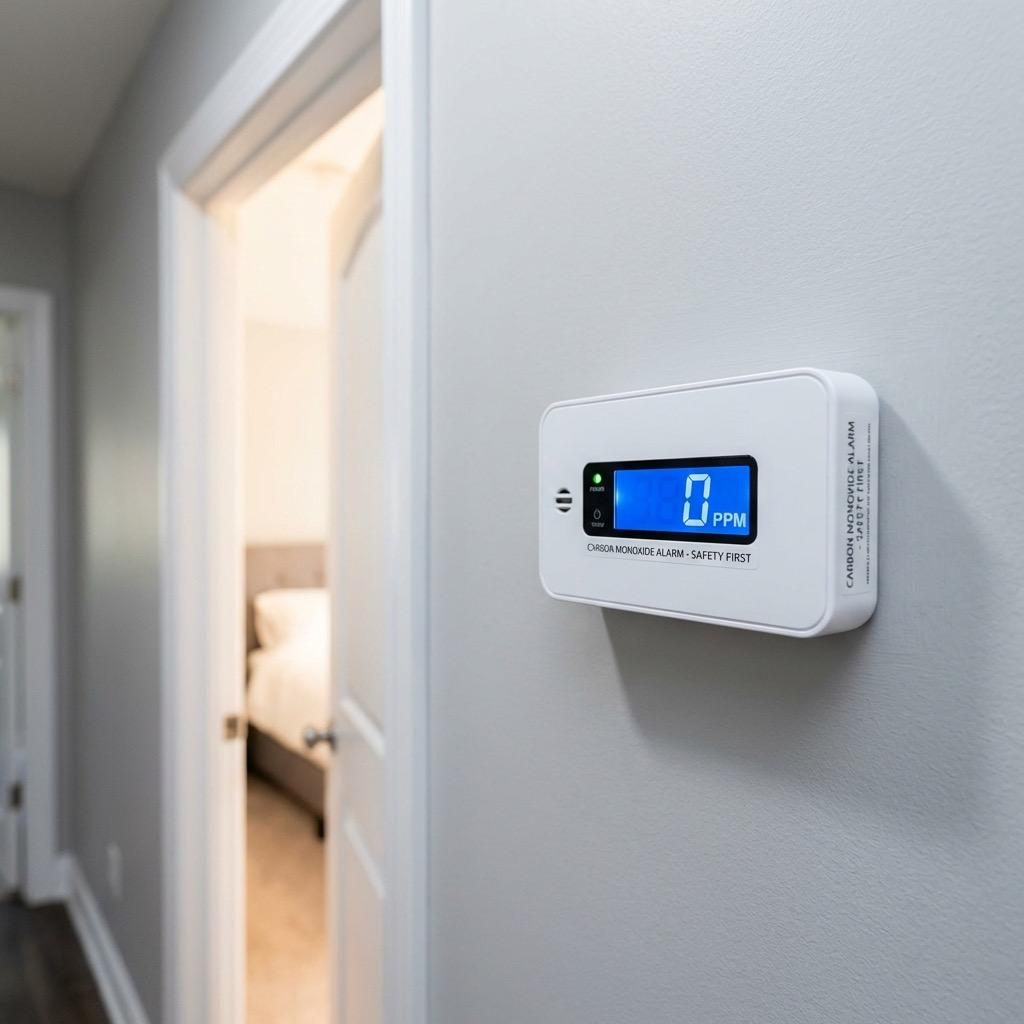
Carbon monoxide (CO) poisoning is the leading cause of generator-related deaths. Generators produce significant amounts of CO - a colorless, odorless gas that can kill within minutes in enclosed spaces.
Planning Backup Power for Your Home?
Plan for the next outage with a listed portable-generator hookup or a compatible battery-backup installation. We evaluate the panel, selected loads, equipment, and transfer method before quoting the electrical scope. Call (571) 444-6886 to request an in-home assessment.
Critical Rules
- NEVER run a generator indoors - including garages, basements, or enclosed porches
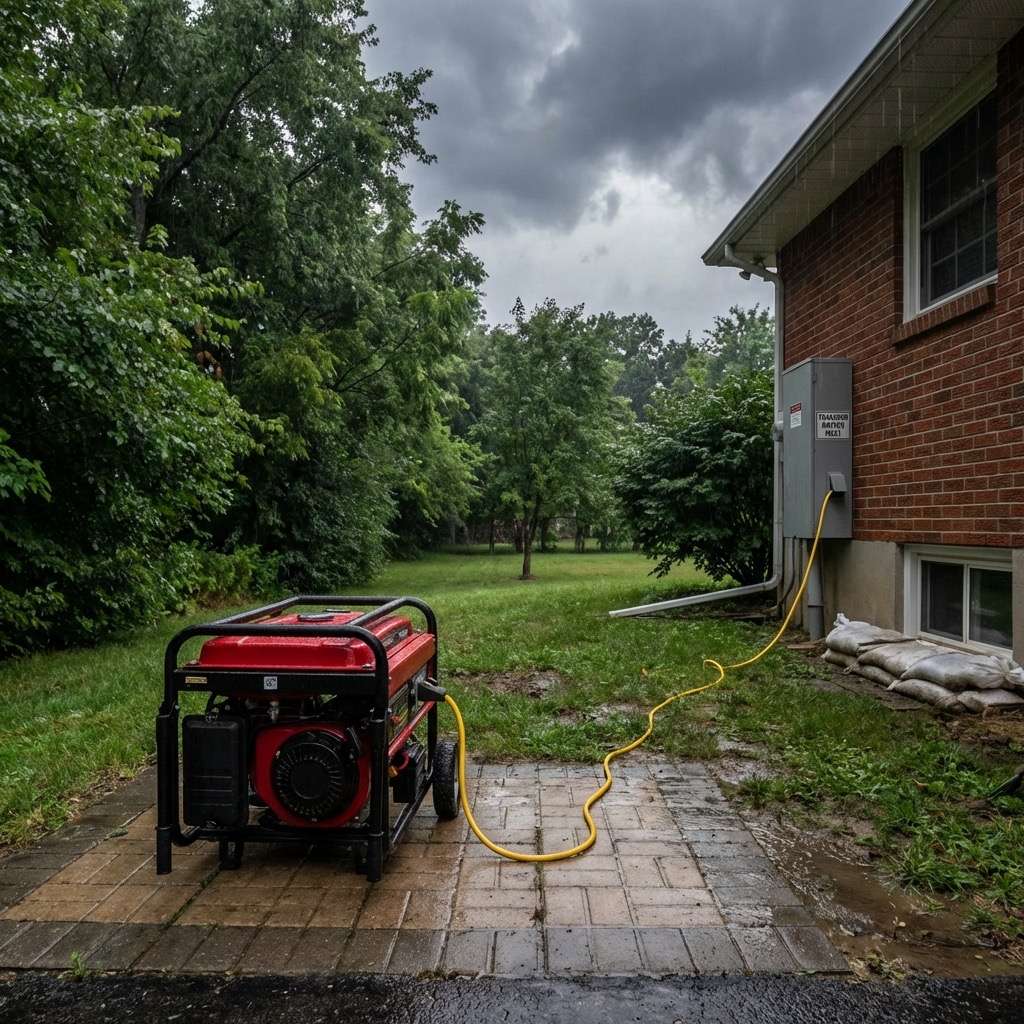
- Place generators at least 20 feet from the house
- Point exhaust away from doors, windows, and vents
- Never run in enclosed structures of any kind
- CO can seep into homes from generators placed too close
Additional Protection
- Install CO detectors in your home (required by law in many states)
- Consider generators with CO shutdown features
- If anyone experiences CO symptoms (headache, dizziness, nausea), get to fresh air immediately and call 911
Portable Generator Safety
Placement Requirements
- Minimum 20 feet from any structure
- On a dry, level surface
- Protected from rain but not enclosed
- Exhaust pointed away from living spaces
Fuel Safety
- Allow generator to cool before refueling
- Store fuel in approved containers outside the home
- Never store fuel near the generator while running
- Use fresh fuel - gasoline degrades and can damage the generator
- Never spill fuel on a hot generator
Electrical Connections
Never connect a portable generator directly to your home wiring by plugging it into an outlet - this is called backfeeding and is extremely dangerous:
- Electrocution risk to utility workers working on lines
- Electrocution risk to neighbors
- Damage to your electrical system when power returns
- Fire risk from overloaded circuits
- Illegal in most jurisdictions
Safe Connection Options
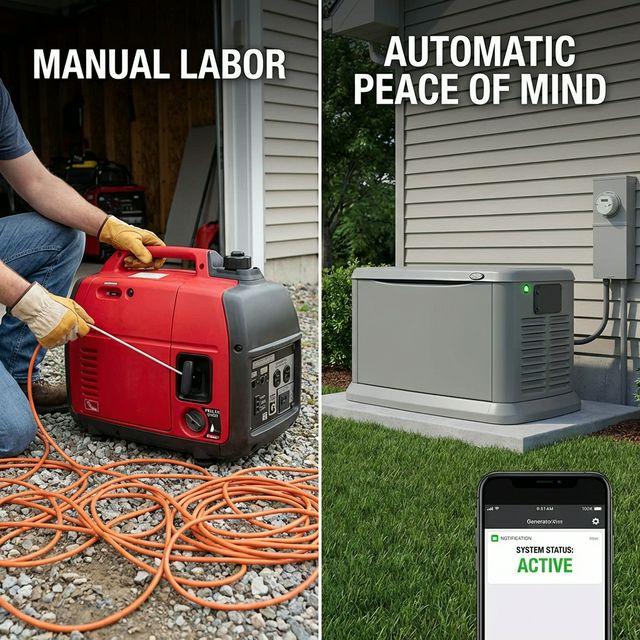
- Extension cords: Plug appliances directly into the generator using heavy-duty, outdoor-rated extension cords
- Transfer switch: Have a licensed electrician install a manual transfer switch that safely connects the generator to selected circuits
- Interlock kit: A generator interlock kit on your panel mechanically prevents the main breaker and the generator breaker from being on at the same time, blocking backfeed
- Generator inlet box: An exterior power inlet (inlet box) lets you connect the generator to the transfer switch or interlock with a single rated cord instead of running multiple extension cords through a window
Critical Safety Rule: Backfeeding -- plugging a generator into a wall outlet -- is extremely dangerous and illegal in most jurisdictions. It sends power back through your home's wiring to the utility lines, risking electrocution of workers repairing downed power lines. A transfer switch or interlock kit is the only code-compliant way to power your home circuits from a portable generator.
Transfer Switches, Interlocks, and Inlet Boxes
To power hard-wired circuits like your furnace, well pump, or refrigerator from a portable generator, AJ Long Electric installs the electrical infrastructure that makes the connection safe and legal under NEC 702 (optional standby systems).
Manual Transfer Switch
- Lets you switch selected circuits from utility power to generator power by hand
- Physically prevents power from feeding back to the utility lines
- Ideal for running essential circuits without a tangle of extension cords
- The complete hookup, including the inlet plus listed transfer/interlock equipment, is $900–$2,500; generator separate
Generator Interlock Kit
- A code-recognized sliding plate on your existing panel
- Makes it physically impossible to energize the generator breaker while the main is on
- Often the most economical way to back-feed an entire panel safely
- Requires a licensed electrician to verify it is listed for your specific panel
Generator Inlet Box (Power Inlet)
- A weatherproof exterior receptacle the generator plugs into with one heavy-duty cord
- Keeps doors and windows closed so carbon monoxide stays outside
- Pairs with a transfer switch or interlock kit
- Included in the $900–$2,500 complete hookup range
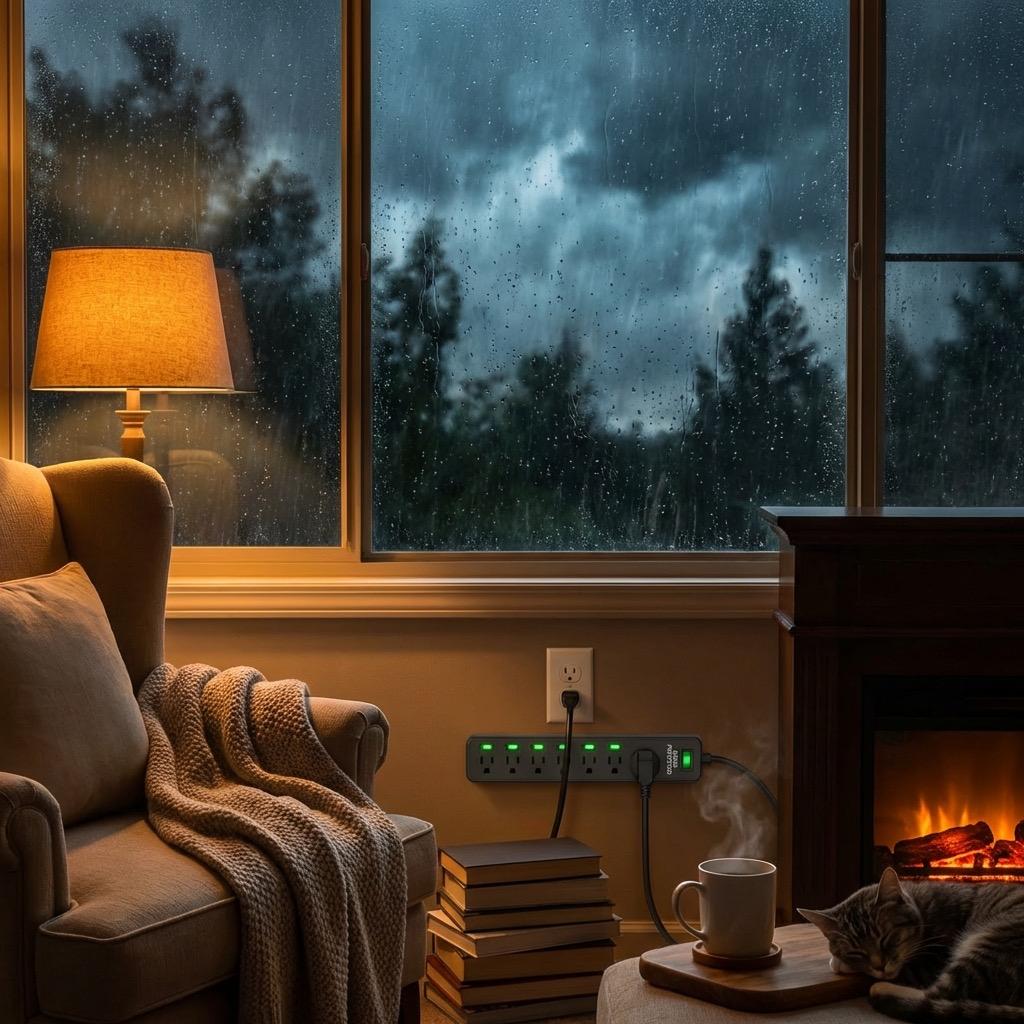
Battery Power Stations: Silent, Fuel-Free Backup
For homeowners considering battery backup, product families to compare include EcoFlow Delta, Bluetti AC and EP, and Anker SOLIX equipment. AJ Long Electric can include compatible listed battery equipment in an approved scope or connect customer-selected listed equipment; the written proposal identifies the exact equipment and responsibility boundaries. Storage capacity is measured in kilowatt-hours (kWh), output in watts, and location requirements follow the listing and manufacturer instructions. Brand examples do not imply certification or a product relationship.
- No combustion exhaust: Battery equipment does not burn fuel, but its permitted location, clearance, ventilation, and operating conditions follow the exact listing and manufacturer instructions
- Silent operation: No engine noise during an outage
- App monitoring: Track charge level, output, and runtime from your phone
- Recharge from grid or solar: Top off from a wall outlet or pair with solar panels
- Whole-home integration: Larger systems hardwire to your panel through a transfer switch or smart home panel (EcoFlow Smart Home Panel, Bluetti EP900) to automatically power selected circuits
Battery and transfer-switch work needs an electrical permit, but because there is no fuel involved, there is no gas permit and no carbon monoxide risk. A portable-unit setup typically runs about $2,500-$6,000 installed; whole-home battery integration runs about $6,000-$15,000+ depending on capacity and the number of circuits.
Load Management and Sizing
Sizing Your Backup Power
Proper sizing prevents overload:
- List all loads you want to power
- Add starting watts for motors (typically 2-3 times running watts)
- Include safety margin (typically 25%)
- For a portable generator, match the watt output to your essential circuits
- For a battery station, check both the continuous watt output and the total kWh capacity for the runtime you need
Avoid Overloading
- Know your generator or battery capacity
- Stagger startup of large loads
- Never exceed rated capacity
- Overloading a generator causes overheating; a battery station will simply shut off the load to protect itself
Maintenance Requirements
Portable Generators
- Run monthly for 30 minutes under load
- Check oil level before each use
- Change oil per manufacturer schedule
- Use fuel stabilizer for stored fuel
- Inspect cords and connections regularly
Battery Power Stations
- Keep the unit charged and stored within its rated temperature range
- Top off the battery periodically if it sits unused for months
- Update firmware through the manufacturer app
- Verify the transfer switch or smart home panel connection during an annual electrical check
- No oil, filters, fuel, or exhaust to service
Emergency Preparedness
Before Storm Season
- Test your generator, transfer switch, or interlock kit
- For a portable generator, check fuel supply and freshness; for a battery station, confirm it is fully charged
- Verify maintenance is current
- Review safe operation procedures with family
- Locate the rated cord and inlet box (for portable generators)
During an Outage
- Follow all safety procedures
- Monitor generator or battery performance through the app or gauges
- Do not overload circuits
- For a portable generator, check fuel level regularly and keep it at least 20 feet from the house
- Keep CO detectors active whenever a fuel-burning generator is running
Professional Installation Services
AJ Long Electric provides complete backup-power installation services throughout Northern Virginia:
- Load analysis to determine proper generator or battery size
- Manual transfer switch and generator interlock kit installation
- Generator inlet box (power inlet) installation
- Compatible listed battery equipment included in an approved scope, or connection of customer-selected listed equipment, with exact equipment, circuit integration, and responsibility boundaries documented in the written proposal
- Permit acquisition and inspection coordination
Whether you want a transfer switch and inlet box for your portable generator or a silent, fuel-free battery power station, we ensure your installation is safe, code-compliant, and reliable.
Before Storm Season: Test your transfer switch or interlock, confirm your portable generator has fresh fuel or your battery station is fully charged, verify maintenance is current, review safe operation procedures with your family, and locate the rated cord and inlet box for a portable generator.
Contact us today to discuss backup power solutions for your home.