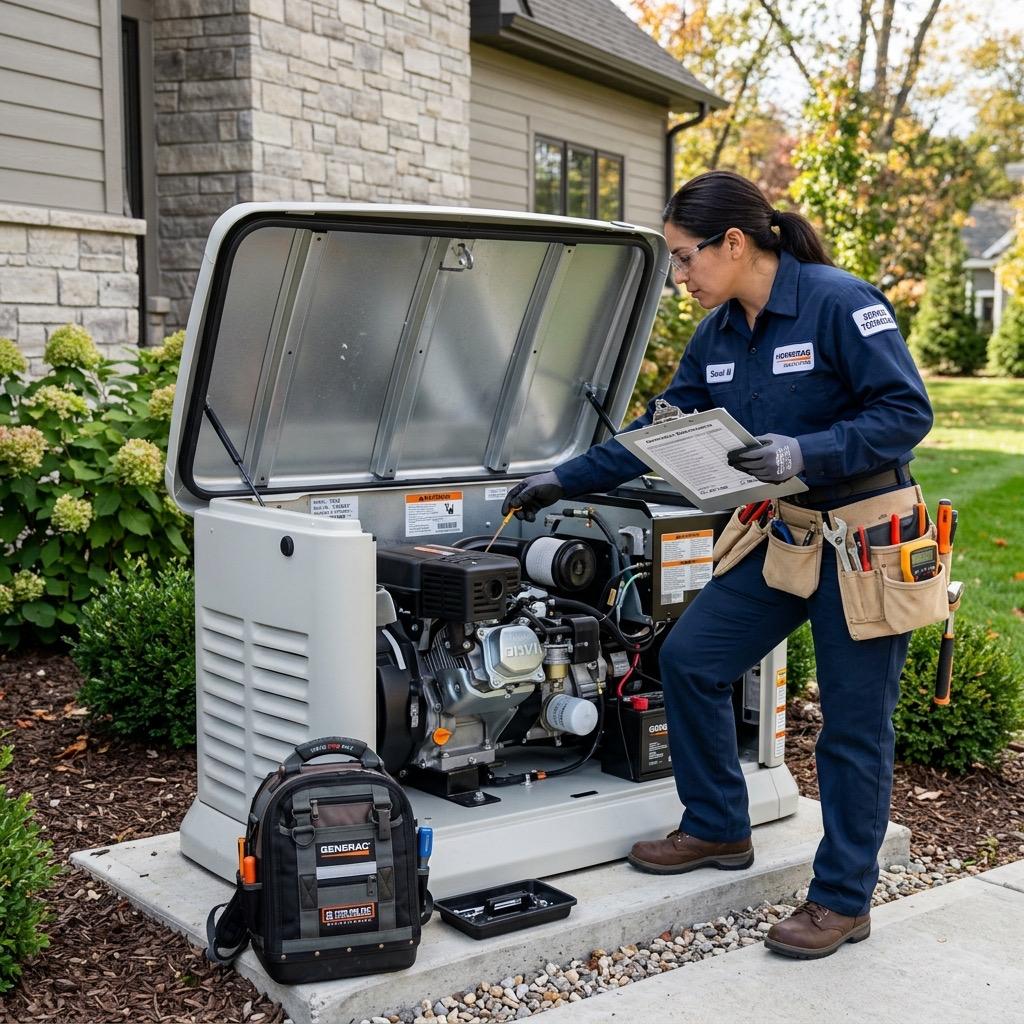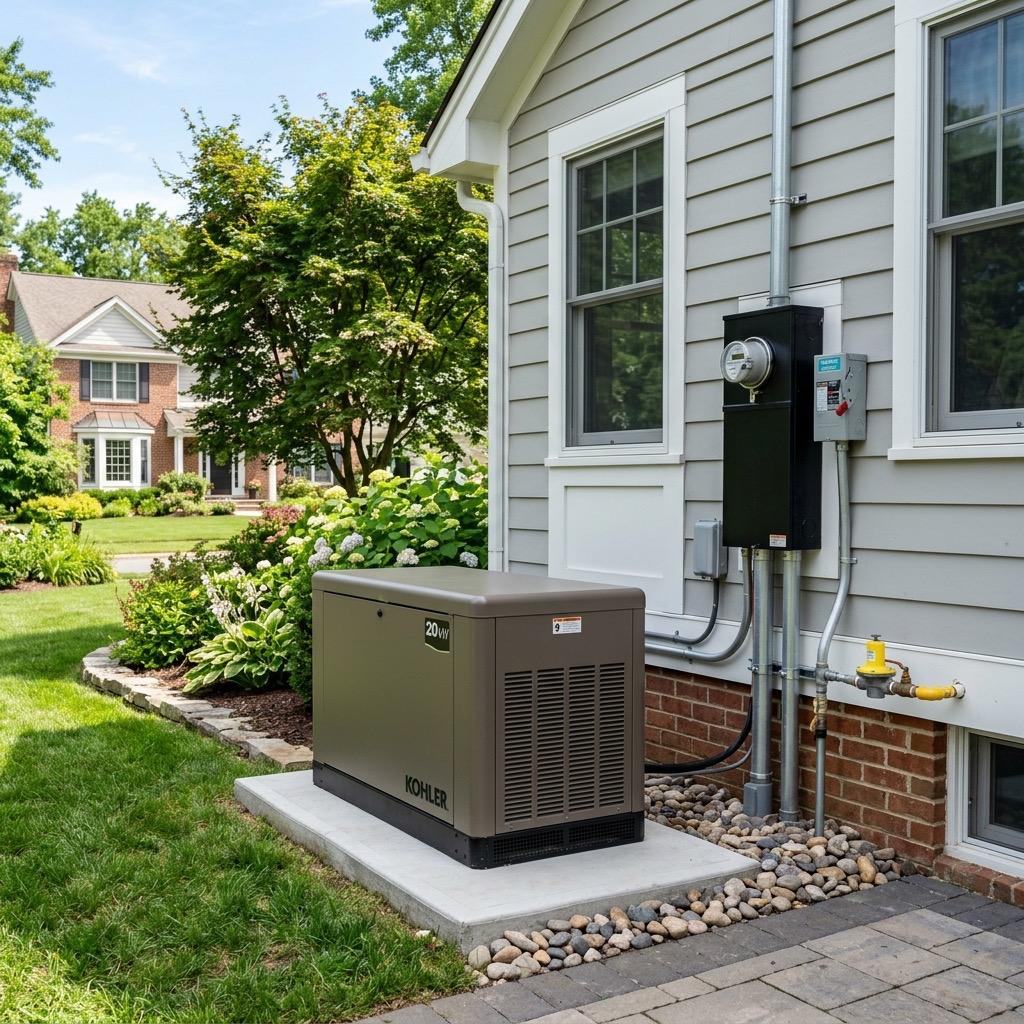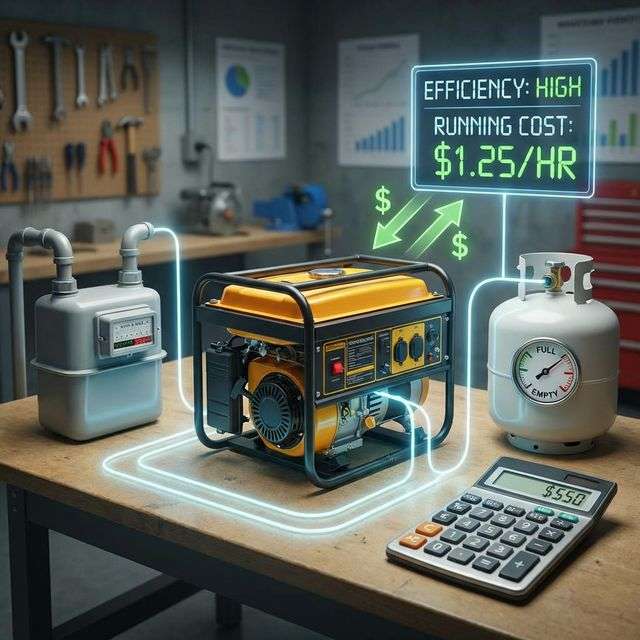

When evaluating backup power, include both operating inputs and equipment costs. A portable generator burns fuel and needs engine maintenance. Battery recharge cost depends on usable capacity, conversion losses, utility rate, and recharge source. Onsite solar may reduce grid-energy purchases, but the generation and storage equipment, installation, maintenance, and losses are not free.
Key Takeaways
- A portable generator's running cost is the fuel it burns, which depends on the exact unit, load, runtime, and fuel price.
- Battery recharge cost depends on usable capacity, conversion losses, utility rate, and recharge source.
- Onsite solar may reduce incremental grid-energy purchases, but array, inverter, storage, installation, maintenance, and conversion losses still carry costs.
- Load management and right-sizing can reduce fuel or recharge demand; actual results depend on equipment and use.
The Big Picture: No universal operating-cost winner applies. Compare current fuel price, manufacturer fuel-consumption data, load and runtime for a generator with usable battery capacity, conversion losses, utility rate, recharge source, operating mode, maintenance, capacity loss, and replacement planning for a battery.
Portable Generator: Gasoline Cost
A portable inverter generator's running cost is the fuel it burns. Consumption depends on the unit's size and how heavily you load it.
Planning Backup Power for Your Home?
Plan for the next outage with a listed portable-generator hookup or a compatible battery-backup installation. We evaluate the panel, selected loads, equipment, and transfer method before quoting the electrical scope. Call (571) 444-6886 to request an in-home assessment.
Use the Exact Generator Data
Start with the selected generator's manufacturer fuel-consumption table at the expected load and operating mode. Multiply documented consumption by planned runtime and a current local fuel price. Add oil, filters, stabilizer, storage, permitted fuel handling, and manufacturer-required service. Do not apply a generic gallons-per-hour or daily-cost figure to every unit.
What Affects Generator Fuel Use
- Load: the biggest factor - a generator at 50% load uses far less than at full load
- Inverter vs. conventional: inverter generators throttle to the load and sip less fuel at light load
- Eco/idle mode: many inverter units have a mode that reduces engine speed when demand is low
Battery Power Station: Recharge Cost
A battery has no generator fuel input, but recharge energy is only one operating input. Include usable capacity, charging and inverter losses, the current utility rate or other recharge source, reserve settings, temperature, battery condition, inspection, firmware, maintenance, and eventual capacity loss.
Calculate Recharge Cost from Current Inputs
Use the exact equipment's documented usable capacity and charging efficiency with the customer's current utility tariff or documented recharge source. Compatible onsite solar may contribute energy when generation is available, but array, inverter, storage, installation, maintenance, degradation, and conversion losses still carry costs.
How Far a Charge Goes
Start with usable stored kWh divided by measured or documented load, then account for conversion losses, duty cycle, surge, temperature, battery condition, reserve settings, and manufacturer limits. Expansion or recharge can contribute only when supported by the exact listed equipment and approved design. A product capacity does not by itself establish supported duration.
Build a Project-Specific Outage Comparison
List the exact supported loads and hours of operation. For a generator, apply manufacturer consumption, current fuel price, duty limits, service intervals, storage, and operating conditions. For a battery, apply usable capacity, losses, reserve, utility tariff or recharge source, battery condition, temperature, maintenance, and available recharge inputs. Keep equipment purchase and installation costs separate from variable operating inputs.
Reducing Running Costs
During Outages
- Turn off non-essential loads
- Raise the AC thermostat a few degrees
- Delay running the dryer or oven if possible
- Use LED lighting
System Design
- Right-size a portable generator (an oversized unit at light load is less efficient)
- Use load management to stretch a battery's kWh and run a smaller generator more efficiently
- Add compatible solar input when the design supports it; available generation and conversion losses determine recharge contribution
Total Operating Cost Summary
Operating cost varies with equipment, supported loads, outage duration, fuel or utility rates, recharge source, efficiency, maintenance, capacity loss, and replacement planning. Compare current manufacturer documentation and customer-specific inputs rather than assuming a battery or generator will always cost less to operate.
Plan Your Backup Power Budget
At AJ Long Electric, we help you understand the full cost of backup power - including running costs - based on your specific equipment and your home's power needs.
Contact us for a complete cost analysis as part of your backup power evaluation. We provide honest, detailed estimates so there are no surprises.