
Portable generator or battery power station? Compare them by supported loads, desired duration, fuel or stored capacity, exact listed-equipment placement, transfer behavior, noise, maintenance, duty limits, and operating conditions.
Key Takeaways
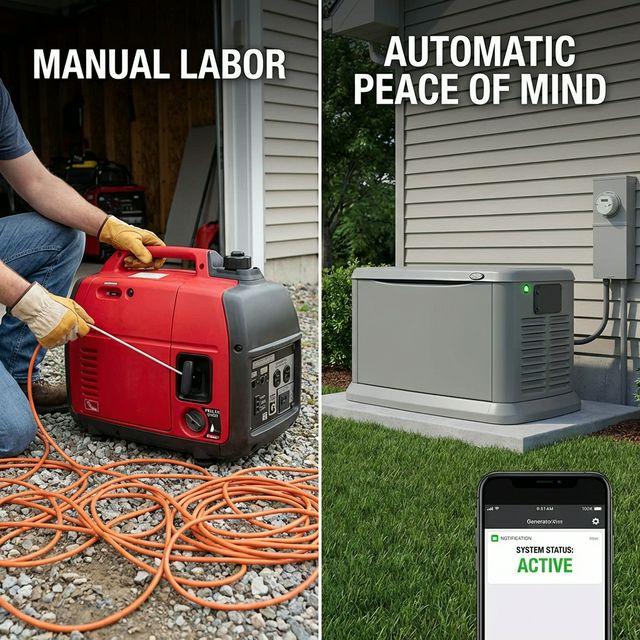
- A customer-provided portable generator can provide fuel-based coverage through an inlet plus listed transfer equipment; runtime depends on fuel, duty limits, maintenance, load, and conditions.
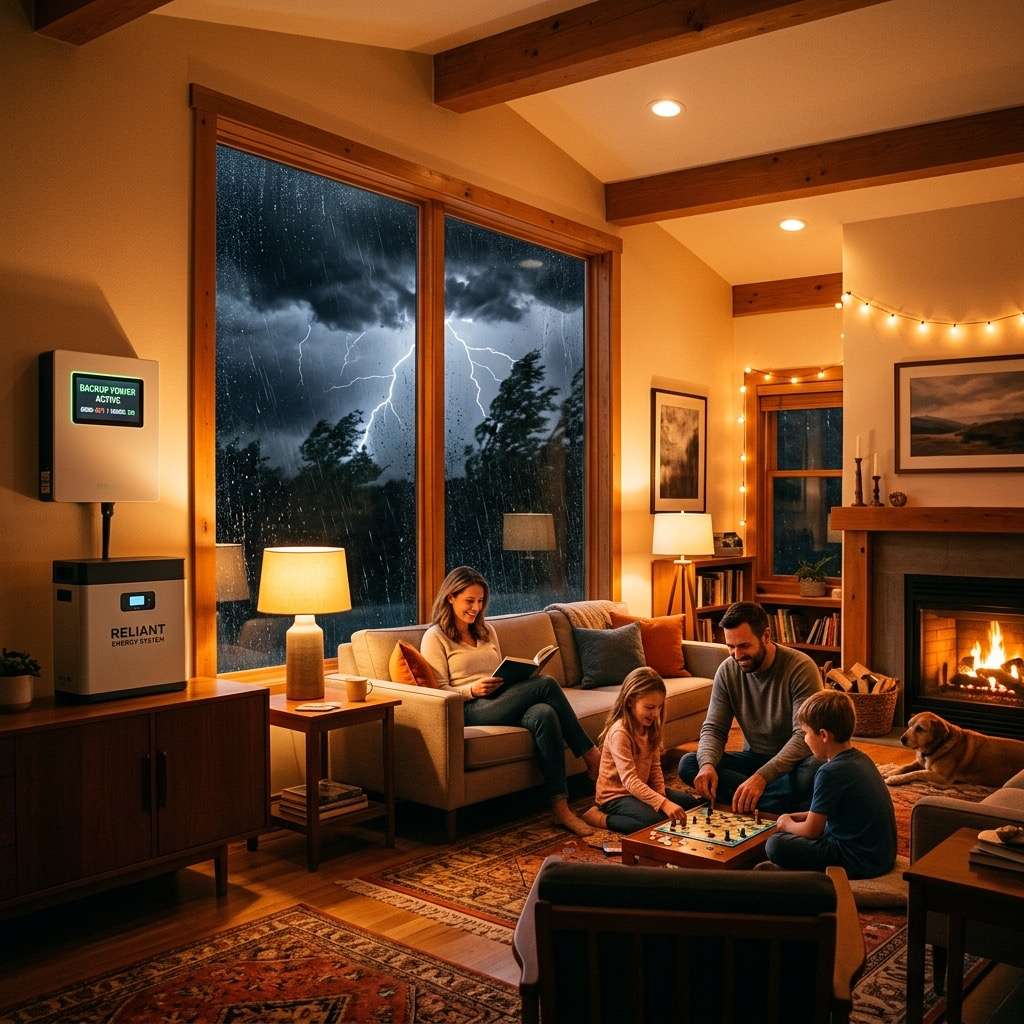
- Battery equipment has no combustion exhaust, but placement, clearance, operating conditions, transfer behavior, sound, and supported loads follow the exact listing and approved design.
- Both hardwired paths need compatible transfer equipment and an electrical permit.
- Medical equipment requires device-manufacturer compatibility, device-specific backup, and an emergency plan; a “pure sine wave” label alone is not enough.
- AJ Long Electric installs portable-generator hookups and can include compatible listed battery equipment in an approved scope or connect customer-selected listed equipment, with responsibilities documented in writing.
Fairfax VA Residential Backup Power: Your Two Real Options
Residential backup power in Fairfax, VA can use a customer-provided portable generator connected through an inlet plus listed transfer or interlock equipment ($900–$2,500, generator separate), or compatible listed battery equipment ($2,500–$6,000 for a portable setup; $6,000–$15,000+ for whole-home integration). AJ Long Electric installs the portable-generator hookup. For battery projects, we can include compatible listed equipment in an approved scope or connect customer-selected listed equipment, with exact equipment and responsibility boundaries documented in writing.
Planning Backup Power for Your Home?
Plan for the next outage with a listed portable-generator hookup or a compatible battery-backup installation. We evaluate the panel, selected loads, equipment, and transfer method before quoting the electrical scope. Call (571) 444-6886 to request an in-home assessment.
Price Comparison: What You'll Actually Pay in Fairfax County
Installed pricing in Northern Virginia in 2026 reflects equipment plus local labor and permitting. A portable generator hookup — an inlet plus listed transfer or interlock equipment — runs $900–$2,500 installed, with the portable generator itself a separate homeowner purchase. A battery power station with installation runs $2,500–$6,000 for a portable-unit setup, or $6,000–$15,000+ for whole-home integration, depending on kWh capacity and circuits.
The exact connection method, equipment, exterior work, address, and approved scope determine permit types, reviews, inspections, and current fees. This AJ Long Electric offer includes no permanent fuel-line work. The AHJ controls permit classification and charges, and the written proposal identifies known responsibilities and exclusions.
Upfront vs. Running Cost: A portable generator hookup has separate generator, fuel, and engine-maintenance costs. A battery has equipment, installation, recharge, inspection, storage, maintenance, and eventual capacity-loss considerations. Compare total cost against the exact supported loads and duration.
Runtime and Capacity: Where the Generator Differentiates
A portable generator uses stored fuel and may support higher wattage, while a battery delivers a fixed amount of usable stored energy before it must recharge. Generator runtime and supported loads depend on fuel supply, duty limits, maintenance, load, and operating conditions. Battery duration depends on usable kWh, conversion losses, temperature, battery condition, reserve settings, load profile, and recharge inputs.
For longer outages, plan fuel, duty limits, maintenance intervals, recharge inputs, and load reduction. Sizing a battery means matching continuous and surge output plus usable kWh to documented loads and duration, with conversion losses and reserve. Generator-to-battery recharging must be supported by the exact manufacturer instructions and approved design.
Noise in Residential Neighborhoods
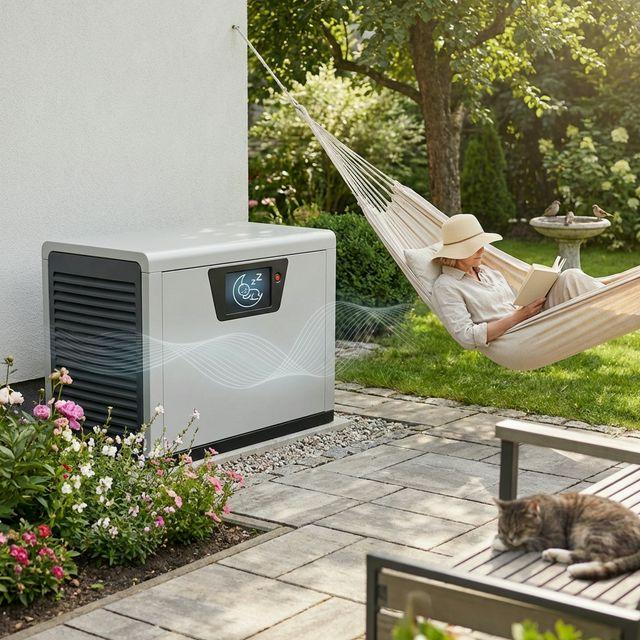
Neighborhood courtesy and HOA rules can constrain generator operation. A battery has no combustion engine, but fans, relays, and power electronics may still be audible depending on model, load, temperature, and operating state. Compare manufacturer sound data and local rules for the exact equipment.
Placement Matters: Run a portable generator outdoors only, well away from windows, doors, and vents, with clear airflow and the exhaust directed away from occupied areas. Battery equipment has no combustion exhaust, but its placement, clearance, ventilation, temperature, and protection requirements follow the exact listing and manufacturer instructions.
Safety: A Key Differentiator
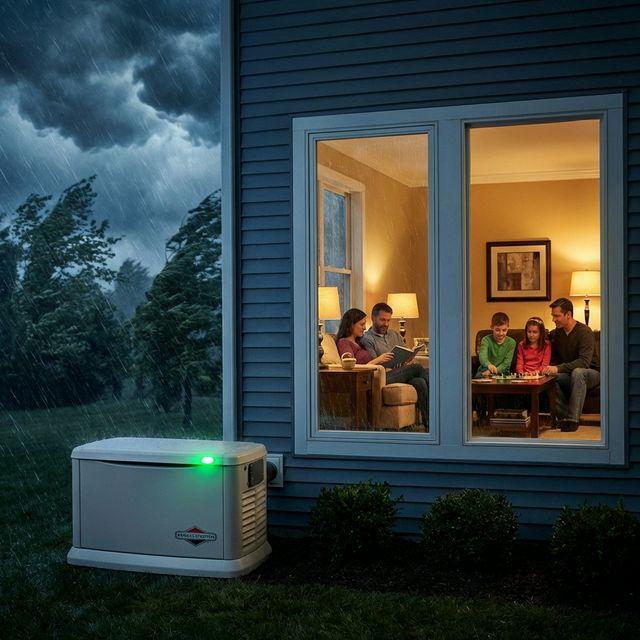
A portable generator's exhaust is lethal and it must run outdoors, never in a garage or near openings, with a working CO alarm in the home. Battery equipment has no combustion exhaust, but permitted placement and operating conditions follow its exact listing. Both hardwired paths use compatible listed transfer equipment to prevent backfeed; never plug a generator into a wall outlet.
Power Quality and Switchover
Waveform, voltage, frequency, grounding, transfer timing, and connected-load restart behavior vary by equipment and design. A portable-generator hookup is manual unless the approved equipment states otherwise. For medical equipment, verify compatibility and transfer tolerance with the device manufacturer, maintain device-specific backup, and keep a separate emergency plan; no source promises uninterrupted power.
Maintenance and Warranty
Maintenance and warranty terms vary by exact equipment. A portable generator adds fuel and engine service. Battery equipment has no combustion engine, but charging, storage, firmware, inspection, connections, transfer equipment, ventilation, capacity checks, and warranty exclusions still follow the product documents and installed design.
Maintenance Follows the Equipment: Portable-generator exercise, fuel storage, oil, air-filter, spark-plug, inspection, and service requirements come from the exact manual and operating conditions. Battery equipment avoids combustion-engine fuel care but still has model-specific charging, storage, firmware, inspection, connection, transfer-testing, ventilation, capacity, and warranty requirements.
Which Should Fairfax Homeowners Choose?
Choose based on documented loads, desired duration, fuel or stored capacity, placement, transfer behavior, noise, maintenance, duty limits, and operating conditions. Medical equipment also requires device-manufacturer compatibility, device-specific backup, and an emergency plan. A compatible design may combine battery storage with a customer-provided portable generator.
Both approaches can support selected loads during an outage, but the electrical scope depends on the panel, transfer method, equipment, runtime goals, and installation location. AJ Long Electric installs listed portable-generator hookups and compatible battery-backup equipment without claiming brand certification. Call (571) 444-6886 to request a site assessment in Fairfax County.