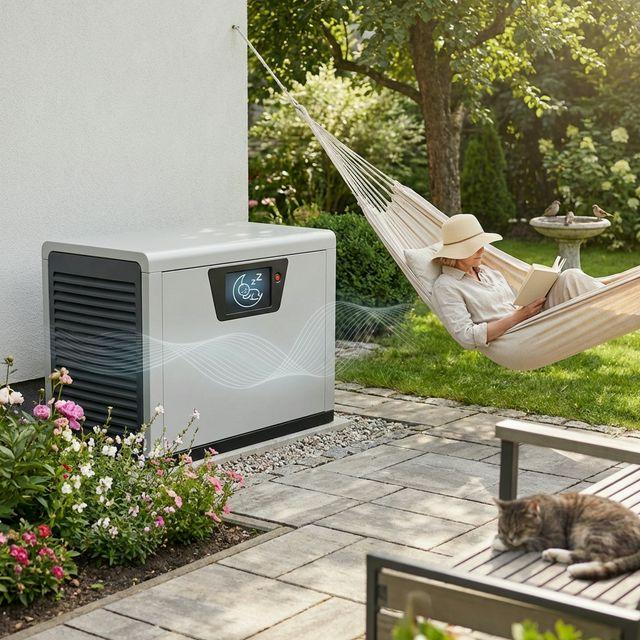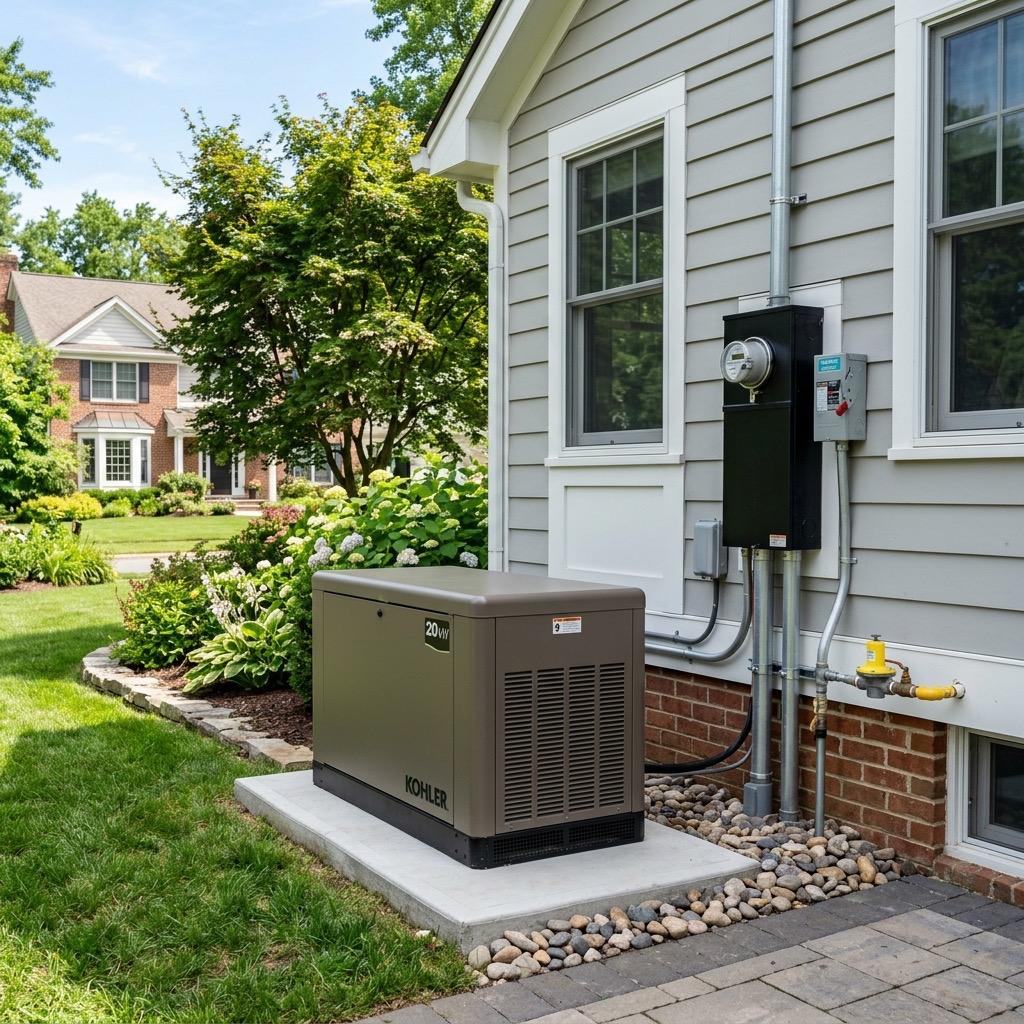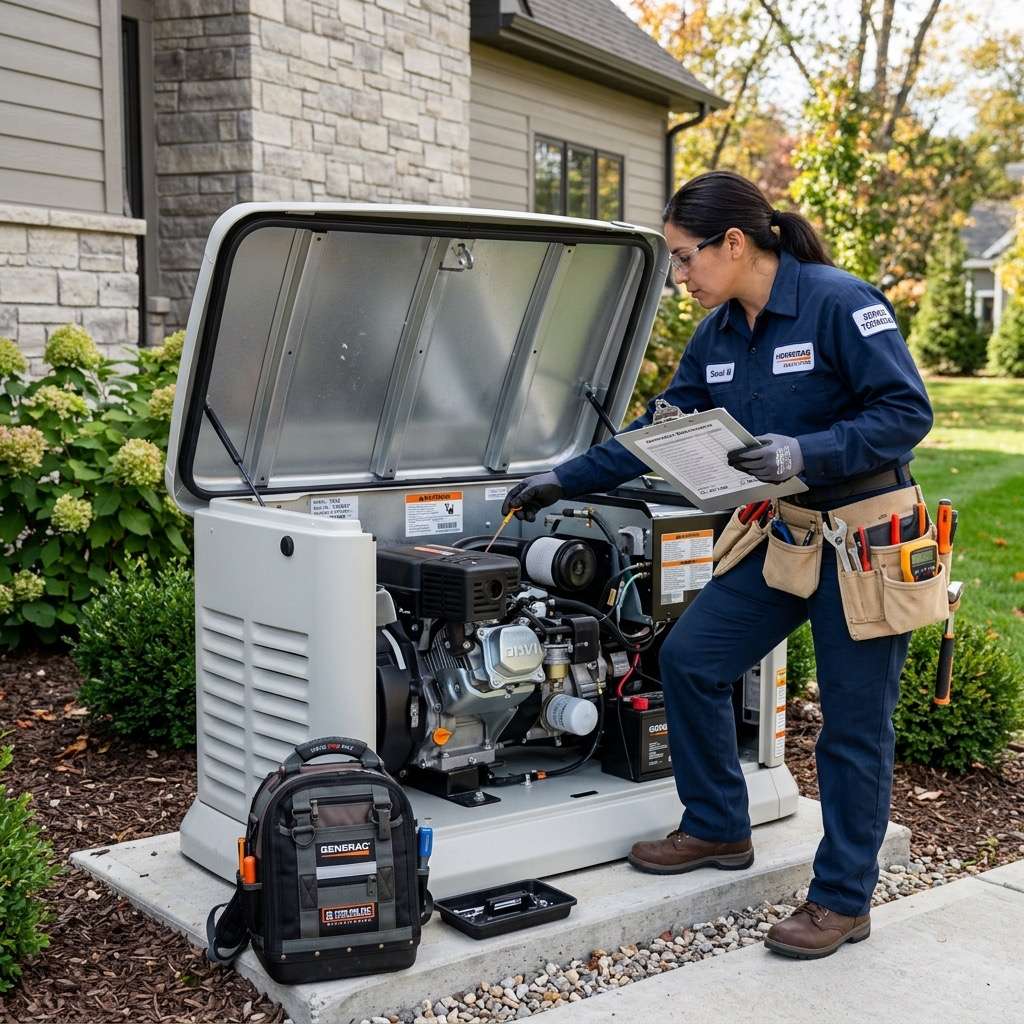

Backup equipment must be inspected, stored, tested, charged, and maintained according to the exact manuals and installed design. A portable generator adds fuel and engine service. Battery equipment has no combustion engine, but charging state, storage temperature, firmware, connections, transfer equipment, ventilation, capacity checks, and service intervals still require attention.
Key Takeaways
- Follow the portable generator's exact fuel, oil, filter, storage, service, and test procedures.
- Follow the battery and transfer equipment requirements for charging, storage, firmware, inspection, connections, ventilation, capacity checks, and testing.
- Test the commissioned system at the intervals specified by the manufacturers and approved operating plan.
- Keep records of service, firmware, inspections, test results, and corrections.
- Run a portable generator outdoors only, following manufacturer and public-safety separation guidance, because of carbon-monoxide risk.
Portable Generator: Fuel Care (the #1 Issue)
The single most common reason a portable generator won't start is fuel that sat too long. Gasoline older than about 30 days degrades and can gum up the carburetor. To prevent it: use fresh gasoline, add fuel stabilizer if you'll store fuel for the season, and either run the carburetor dry before long storage or run the unit periodically so fuel circulates. Store gasoline safely in approved containers, away from living spaces.
Planning Backup Power for Your Home?
Plan for the next outage with a listed portable-generator hookup or a compatible battery-backup installation. We evaluate the panel, selected loads, equipment, and transfer method before quoting the electrical scope. Call (571) 444-6886 to request an in-home assessment.
Test-Run Monthly: Start a portable generator every month or two so the fuel circulates and you know it runs. Confirm it runs smoothly under a small load, and verify it connects properly through your transfer switch or interlock and inlet box. Finding a problem during a calm test is far better than discovering it during an outage.
Portable Generator: Oil, Filter, and Spark Plug
Treat the engine like any small engine. Check the oil before each use and change it per the manual - often after the first 20–30 hours of operation, then by hour count or annually. Inspect and clean or replace the air filter, and check the spark plug, replacing it periodically. In Northern Virginia's humid summers, insects sometimes nest in stored generators, so check the air intake before a run.
Don't Run Low on Oil: A generator running low on oil will trigger a low-oil shutdown - meaning it turns off mid-outage. Check the oil level before extended runs and top off or change it as needed. If you notice oil dropping faster than expected, have the unit looked at; it's an early sign of wear that's cheaper to address early.
Battery Power Station Maintenance Is Equipment-Specific
A battery power station has no combustion engine, but the exact product and installed integration determine the required upkeep:
- Keep it charged: top it off from the grid or solar so it's ready; don't leave it fully empty for long periods
- Storage temperature: keep it within the manufacturer's recommended range - Northern Virginia's summer heat and winter cold both matter for battery life
- Firmware updates: apply app updates occasionally for performance and new features
- Periodic check: confirm the unit and any smart home panel report a healthy state of charge in the app
Some hardwired systems support grid charging or automatic transfer when configured for the exact equipment. Charging behavior, transfer timing, restart behavior, selected circuits, testing, inspection, and maintenance must be commissioned and periodically verified under the manufacturer instructions and approved design.
Spring and Fall: Pre-Storm Preparation
Northern Virginia's storm risk concentrates in two periods - late spring/summer derecho season (May–September) and winter ice-storm season (December–February). Prepare ahead of each.
For a portable generator: before storm season, change the oil if due, refresh the fuel and stabilizer, check the air filter, and do a full test run through the transfer switch. Clear any vegetation or debris from where you'll operate it.
For a battery power station: confirm it's fully charged, the smart home panel transfers your selected circuits correctly, and the app reports a healthy state of charge. If you have solar input, verify it's working so you can recharge during a long outage.
Post-Outage Check: After Any Extended Run
After an outage, follow the exact portable-generator manual for shutdown, cooling, oil, filter, fuel, inspection, and post-use service based on elapsed operation and conditions. For a battery system, follow the model-specific recharge target, storage state, temperature, inspection, connection, transfer-test, firmware, and capacity-check instructions.
Maintenance Schedule Summary
| Interval | Portable Generator | Battery Power Station |
|---|---|---|
| Monthly | Brief test run; check oil and fuel | Confirm charge level in the app |
| Each storm season | Fresh fuel/stabilizer; oil if due; full hookup test | Top off charge; verify smart panel transfer |
| Annually | Oil change, air filter, spark plug check | Apply firmware updates |
| Long term | Carburetor service as needed | Usable life and capacity retention follow the exact model, operating conditions, and warranty terms |
Carbon-Monoxide Safety Reminder
A portable generator must always run outdoors, well away from windows, doors, and vents - never in a garage, shed, or basement, even with a door open. Generator exhaust contains carbon monoxide, which is colorless, odorless, and lethal. Keep a working CO alarm in the home. Battery equipment has no combustion exhaust, but its permitted placement, clearance, ventilation, temperature range, charging, and operation follow the exact listing and manufacturer instructions.
AJ Long Electric serves Fairfax County, Loudoun County, Arlington, Alexandria, and Prince William County for backup-power electrical work. We install and service transfer switches, listed interlock kits, and inlet boxes for customer-provided portable generators. For battery projects, we can include compatible listed equipment in an approved scope or connect customer-selected listed equipment, with exact equipment and responsibility boundaries documented in the written proposal. Brand examples do not imply certification or a product relationship. Call us at (571) 444-6886 to request a transfer-equipment check or a battery-project assessment.