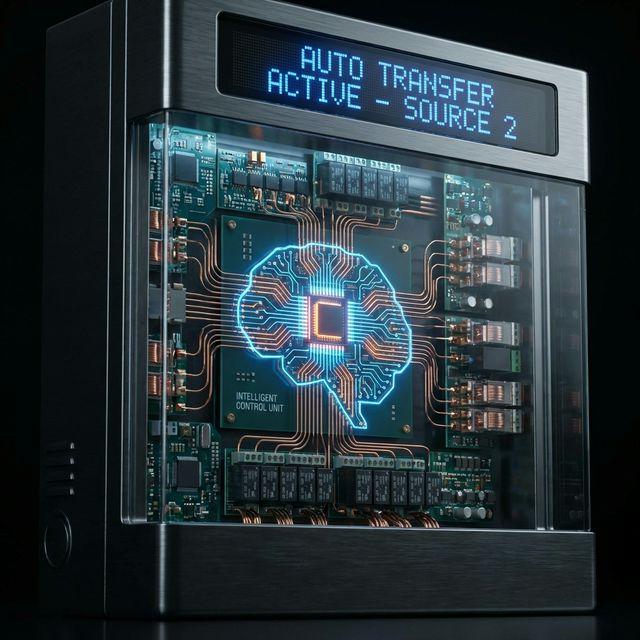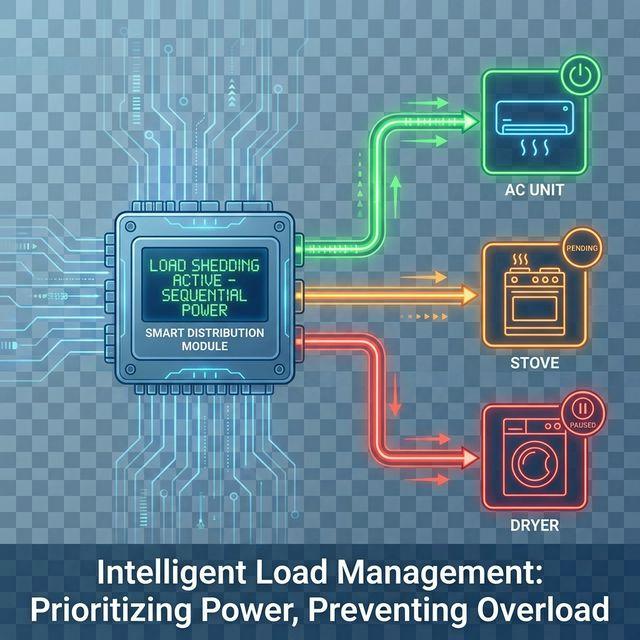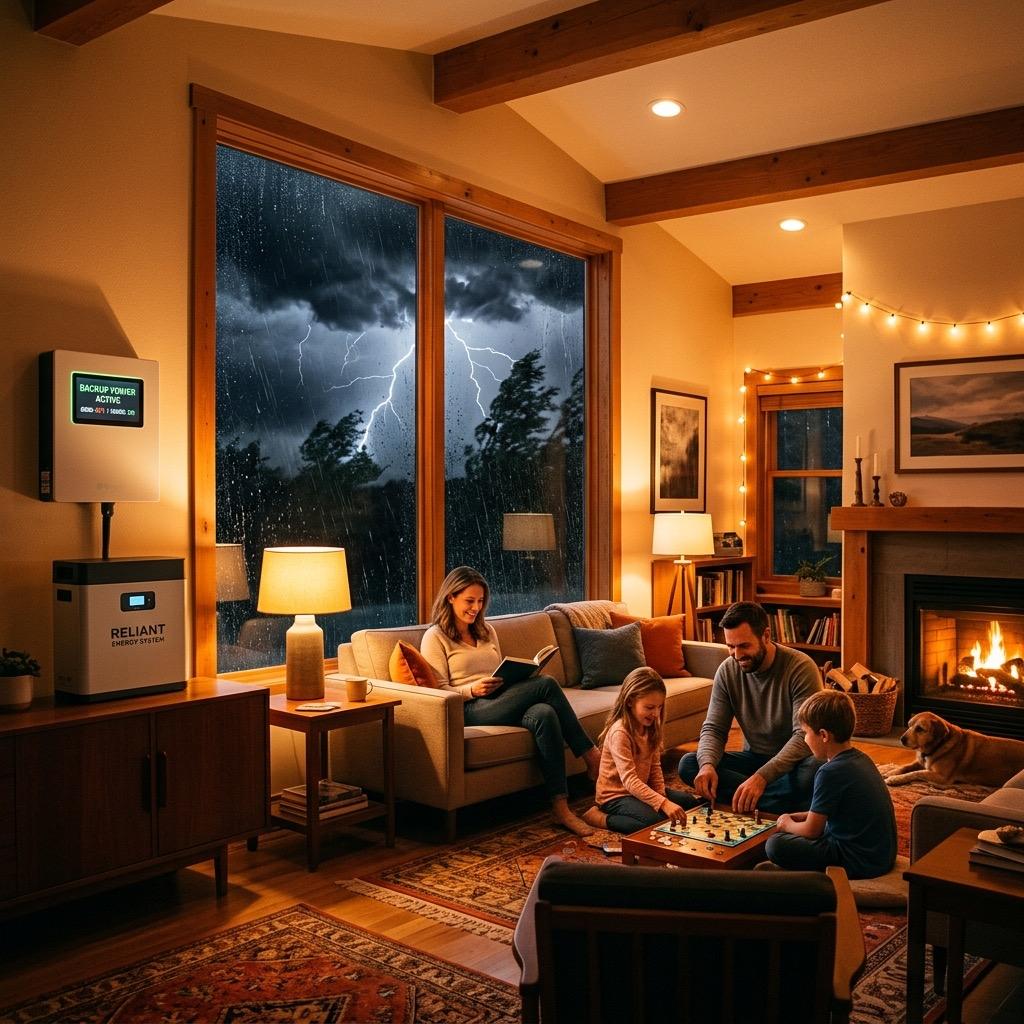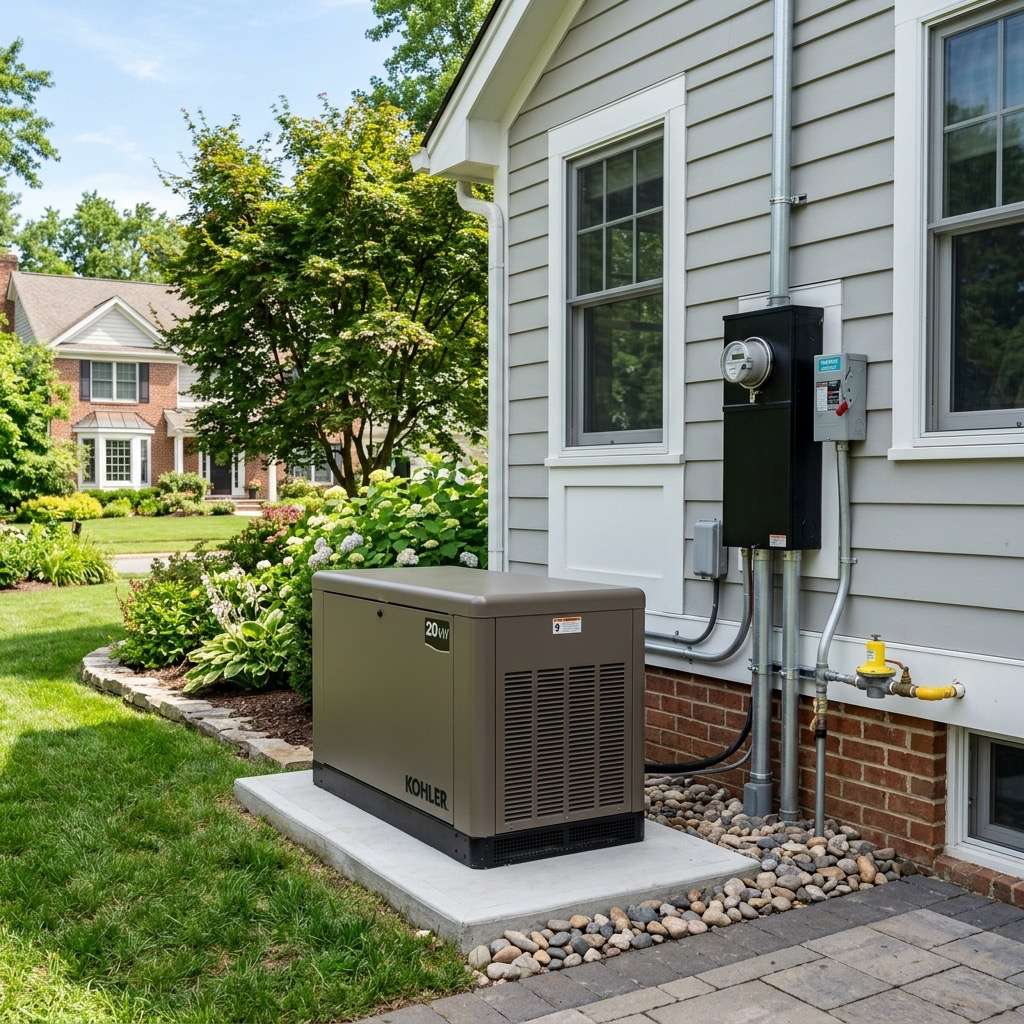

Northern Virginia outages can disrupt refrigeration, communications, pumps, and other selected loads. This guide compares portable generators and battery power stations by supported loads, duration, placement, transfer method, maintenance, and project scope.
Key Takeaways
- Battery systems have no combustion exhaust, but permitted placement, clearance, operating conditions, transfer behavior, sound, and supported loads follow the exact listed equipment and approved design.
- A customer-provided portable generator can add fuel-based coverage through an inlet plus listed transfer equipment; runtime depends on fuel supply, duty limits, maintenance, load, and operating conditions.
- A compatible design may combine battery storage with outdoor generator operation and manufacturer-supported recharging.
- Budget roughly $2,500–$6,000 for a battery power station install, $6,000–$15,000+ for whole-home battery integration, and $900–$2,500 for a portable generator hookup (generator purchased separately).
- Hardwired transfer-switch and smart-panel work needs an electrical permit (NEC 702) — no gas permit.
Why Backup Power Makes Sense in Northern Virginia
The Northern Virginia grid faces specific stressors that make backup power a practical investment, not a luxury. The I-66 and I-95 corridors carry dense overhead distribution lines susceptible to tree contact during derecho-season storms (June through September). Fairfax County's urban forest canopy — one of the densest in the mid-Atlantic — is beautiful but routinely brings down lines. Winter ice storms like the January 2022 event left 150,000 Dominion customers without power for up to five days.
Planning Backup Power for Your Home?
Plan for the next outage with a listed portable-generator hookup or a compatible battery-backup installation. We evaluate the panel, selected loads, equipment, and transfer method before quoting the electrical scope. Call (571) 444-6886 to request an in-home assessment.
Battery transfer timing, restart behavior, sound, placement, and supported loads vary by the exact listed equipment and approved design. Portable-generator runtime depends on fuel supply, duty limits, maintenance, load, and operating conditions. Medical equipment requires device-manufacturer compatibility, device-specific backup, and a separate emergency plan; no source promises uninterrupted power. Section 25D does not apply to systems installed after December 31, 2025; see IRS guidance. AJ Long Electric does not provide tax advice.
Evaluate Your Own Outage Costs: Compare documented outage history and household-specific consequences such as food loss, temporary lodging, missed work, or water damage against the quoted project cost. Financial value varies by property, load plan, outage duration, equipment life, maintenance, and operating costs; no payback period is guaranteed.
Best Battery Power Stations for Northern Virginia Homes in 2026
Battery projects start with the loads, runtime goals, location, service capacity, and transfer method. AJ Long Electric can include compatible listed battery equipment in an approved scope or connect customer-selected listed equipment; the written proposal identifies the exact equipment and responsibility boundaries. The product examples below are educational comparisons and do not imply certification or a product relationship.
Best Overall: EcoFlow Delta Pro
The EcoFlow Delta Pro is the right fit for most Northern Virginia homes that want to back up essential circuits. It offers 3.6 kWh of capacity per unit (expandable by stacking) and 3,600 watts of output (4,500 W surge), recharges from the grid or solar, and pairs with the EcoFlow Smart Home Panel for automatic whole-circuit integration. App monitoring shows state of charge and runtime in real time. Installed cost: about $2,500–$6,000 for a portable-unit setup.
Best for Whole-Home Integration: EcoFlow Delta Pro Ultra + Smart Home Panel
Some listed battery systems permit expanded capacity and compatible smart-panel integration. Allowed stacking, output, usable capacity, transfer behavior, selected circuits, load management, recharge inputs, placement, and maintenance must be verified for the exact product and approved design. Whole-home integration remains within the published $6,000–$15,000+ range and is quoted from the documented scope.
Best High-Output: Bluetti AC500 / B300S
The Bluetti AC500 delivers a strong 5,000 watts of output and pairs with expandable battery modules. Its inverter output can support heavier momentary loads when the approved design and equipment ratings allow, and compatible integration equipment can serve selected home circuits. A portable battery setup uses the $2,500–$6,000 range; whole-home integration uses $6,000–$15,000+.
Best for Essentials and Devices: Anker SOLIX
Anker SOLIX is one educational example for essential-load planning. Output, usable capacity, fan or inverter noise, permitted placement, clearance, temperature range, and supported loads depend on the exact model and manufacturer instructions; the example does not imply certification or a product relationship.
Sizing a Battery: Size continuous and surge output plus usable kWh capacity from the documented loads and desired duration. Compatible solar input may contribute recharge energy when generation is available, but equipment cost and conversion losses remain part of the design.
Best Portable Generators for Northern Virginia Homes in 2026
A customer-provided portable inverter generator connected through listed transfer equipment can support higher wattage for longer outages. Runtime depends on fuel supply, duty limits, maintenance, load, and operating conditions. AJ Long Electric installs the hookup; the generator is purchased separately.
For Essential Circuits
A 3,500–5,000 watt portable inverter generator covers a refrigerator, sump pump, furnace blower, and lighting. Inverter models run quieter and produce cleaner power than older conventional generators, and they sip less fuel at light load.
For Larger Loads
A 7,500–9,000 watt portable inverter generator can handle central AC plus essentials if you manage which large loads run at once. Connect it through a manual transfer switch (or interlock kit) and an exterior inlet box so it powers your circuits safely without backfeeding the utility lines.
Carbon-Monoxide Safety Is Non-Negotiable: A portable generator must ALWAYS run outdoors, well away from windows, doors, and vents — never in a garage, shed, or basement, even with the door open. Generator exhaust contains carbon monoxide, which is colorless, odorless, and lethal. Keep a working CO alarm in the home. This is the single most important rule of portable-generator use.
Battery, Generator, or Both?
The choice depends on supported loads, desired duration, placement, transfer behavior, fuel or stored capacity, maintenance, and operating conditions. A compatible design may combine a battery system with a customer-provided portable generator, but recharging and load-management behavior must be supported by the exact listed equipment and approved design.
Installation Requirements in Fairfax and Loudoun Counties
Hardwiring a transfer switch, interlock kit, or battery smart home panel generally requires an electrical permit under the adopted code. This scope has no permanent fuel line, so the proposal does not include fuel work. The AHJ controls permit review, corrections, inspection availability, and approval timing; any required utility or HOA coordination also affects elapsed time.
Battery placement, clearance, ventilation, temperature, and protection requirements follow the exact listing, manufacturer instructions, and local code. A generator inlet box mounts on an exterior wall, while the generator itself operates outdoors at the required distance from openings. HOA review may apply to visible exterior equipment; the written scope identifies permitting and any agreed HOA-submission responsibilities.
Total Cost of Ownership: 10-Year Perspective
Total ownership cost depends on equipment, installation, capacity loss, inspection and maintenance requirements, recharge source, conversion losses, utility rates, fuel, load, and runtime. Compatible onsite solar may reduce incremental grid-energy purchases, but generation and storage equipment are not free. Section 25D does not apply to systems installed after December 31, 2025; see IRS guidance. AJ Long Electric does not provide tax advice.
Resale value varies by buyer, equipment age, documentation, capacity, and market conditions. Preserve permits, inspection records, manufacturer documentation, and the written scope for future owners.
Ready to Choose the Right Backup Power for Your Northern Virginia Home?
AJ Long Electric installs transfer switches, listed interlock kits, and inlet boxes for customer-provided portable generators throughout Fairfax County, Loudoun County, Arlington, Alexandria, and Prince William County. For battery projects, we can include compatible listed equipment in an approved scope or connect customer-selected listed equipment; the written proposal identifies exact equipment and responsibility boundaries. Brand examples do not imply certification or a product relationship. We document the load analysis, battery sizing, permit scope, integration method, and startup requirements that apply to the approved design. Call us at (571) 444-6886 to request an on-site assessment and written estimate. Estimates are free. The $99 dispatch fee applies only when we arrive prepared to complete a project, provide the price on site, and you decline the work. It covers travel and preparation. It is waived when you accept the on-site quote and for active members. It is not charged for a scheduled estimate visit. proposal timing depends on scope verification.