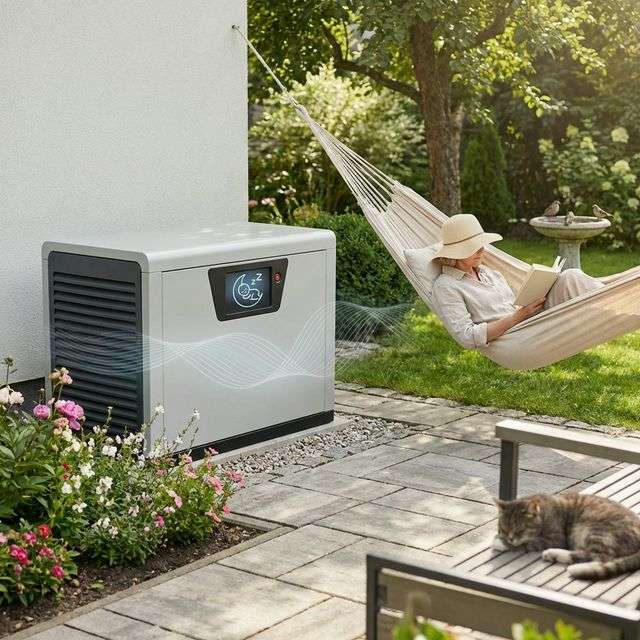

A common concern about backup power is noise. Will it disturb your sleep? Annoy the neighbors? Violate HOA rules? A portable generator is an engine and does make noise, but there are effective ways to reduce it. Battery systems avoid combustion-engine noise, although fans, relays, and power electronics can still be audible depending on the exact equipment and operating state.
Key Takeaways
- Battery systems avoid combustion-engine noise, but model-specific fans, relays, and electronics may be audible.
- A portable inverter generator typically runs around 55-70 decibels; inverter models are notably quieter than older conventional generators.
- Distance is the most effective noise-reduction tactic for a generator: every doubling of distance drops sound about 6 dB.
- Run a portable generator outdoors only, away from windows and doors - this is a carbon-monoxide safety rule, not just a noise tip.
The Lower-Noise Option: Battery Power Stations
Battery power stations have no combustion engine or exhaust, which removes the primary noise source of a portable generator. Fans, relays, and power electronics may still be audible, so compare the exact model's specifications and operating modes. Placement, clearance, and permitted operating location must follow the listing and manufacturer instructions.
Planning Backup Power for Your Home?
Plan for the next outage with a listed portable-generator hookup or a compatible battery-backup installation. We evaluate the panel, selected loads, equipment, and transfer method before quoting the electrical scope. Call (571) 444-6886 to request an in-home assessment.
Good Neighbor Tip: If you run a portable generator, position it as far from neighboring homes as practical. Every doubling of distance reduces noise by about 6 decibels. Sound barriers like fences or landscaping can further reduce perceived noise.
How Loud Is a Portable Generator?
Noise is measured in decibels (dB). For perspective:
- Normal conversation: 60 dB
- Vacuum cleaner: 70 dB
- Lawn mower: 90 dB
- Motorcycle: 95 dB
Typical Portable Generator Noise Levels
- Portable inverter generators: roughly 55-65 dB at moderate load - much quieter than older open-frame units
- Conventional portable generators: 65-75+ dB
- At partial load: a few dB quieter than full load
- At 25 feet distance: approximately 10 dB lower than right at the unit
Factors Affecting Generator Noise
Generator Type
- Inverter generators: throttle the engine to the load, so they run quieter, especially at light load
- Conventional generators: run the engine at a constant speed and are louder
Load Level
Generators are loudest at full load. Running well within capacity keeps them quieter.
Strategic Placement (Portable Generator)
Distance from Living Areas
Sound decreases with distance. Every doubling of distance reduces sound by about 6 dB:
- At 10 feet: louder
- At 20 feet: ~6 dB quieter
- At 40 feet: ~12 dB quieter
Always keep the generator outdoors and well away from windows, doors, and vents - this is a carbon-monoxide safety requirement first, and a noise benefit second.
Building Shielding
Position the generator so the house or garage wall blocks sound from reaching neighbors' homes and your own bedroom windows - while still keeping it outdoors with clear airflow.
Direction Matters
Point the exhaust side away from your home and your neighbor's windows.
Sound Barriers and Landscaping
Fencing
A solid fence between the generator and sensitive areas can reduce noise:
- 6-foot solid wood fence: 5-10 dB reduction
- Masonry wall: 10-15 dB reduction
- Gap-free construction is essential
- Never enclose the generator so tightly that airflow or exhaust is restricted
Landscaping
- Dense evergreen hedges provide modest noise reduction
- Mostly a visual screen - they block the sight line
- Keep plants well clear of the generator for airflow
Generator Pads and Mats
- A rubber anti-vibration mat under a portable generator reduces transmitted noise
- A level, stable surface keeps the engine from rattling
HOA Noise Compliance
Many HOAs have noise restrictions. To comply:
- Review HOA rules before adding backup power
- Consider a battery system without combustion-engine noise, subject to the model's specifications and HOA rules
- Choose a quieter inverter generator if you go that route
- Use strategic placement and barriers
Noise During Extended Outages
During actual emergencies, generator noise may be less of a concern, and wind or rain can mask some sound. A compatible battery system can avoid engine noise overnight, while a portable generator operated outdoors may recharge it during the day. Actual sound and charging behavior depend on the exact equipment and operating conditions.
Professional Consultation
At AJ Long Electric, we consider noise in every backup-power recommendation:
- Whether a lower-noise battery system is the right fit for your situation
- Best placement for a portable generator hookup
- HOA compliance guidance
- Transfer switch and inlet box installation
Contact us to discuss your concerns about backup-power noise. We'll help you find a solution that keeps the lights on while keeping the peace with family and neighbors.