
A utility bill shows total energy use, but it does not necessarily show when or where loads operated. Home energy monitors collect whole-home or circuit-level measurements that can help a homeowner compare patterns over time. The data may point to loads worth investigating, but a monitor does not guarantee device identification, diagnose equipment faults, or produce a specific bill reduction.
Key Takeaways
- Whole-home energy monitors install inside your electrical panel using CT clamps and typically require professional installation by a licensed electrician.
- Sense uses machine learning to estimate some appliance classifications, while Emporia Vue can report aggregate measurements for instrumented circuits.
- Monitoring provides usage data and alerts for review; device identification, fault diagnosis, and savings require verification and are not guaranteed.
- Compatible production-versus-consumption monitoring can provide data for comparing solar output with household demand.
- Compatible smart-home integrations may use measured thresholds for notifications or approved control routines.
How Home Energy Monitors Work
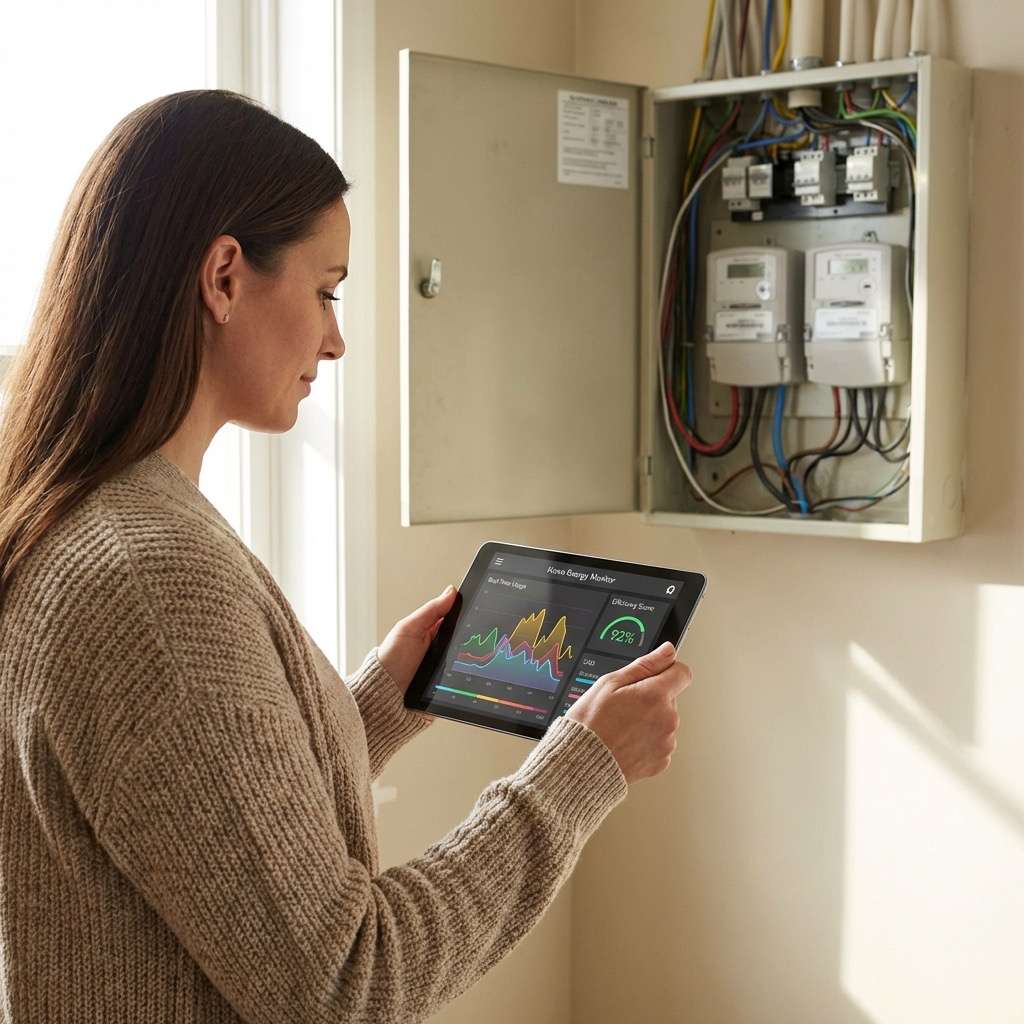
Home energy monitors measure the electrical current flowing through your home's main feed wires or individual circuit breakers. They use current transformers, commonly called CT clamps, which are donut-shaped sensors that clip around a wire without making direct electrical contact. The CT clamp measures the magnetic field generated by current flow and converts it to a data signal that the monitor processes and sends to your phone or web dashboard.
Request an Estimate from AJ Long Electric
Whether it is a simple repair or a major electrical project, our licensed team is ready to help. Serving all of Northern Virginia with transparent pricing and expert workmanship. Call (571) 444-6886 today.
Installation Inside the Electrical Panel
Most energy monitors install inside your main electrical panel, where CT clamps attach around the main service entrance wires. This provides whole-home energy measurement. More advanced setups add smaller CT clamps to individual circuit breakers, allowing you to see how much power each circuit consumes. Because this work involves opening your electrical panel and working near live conductors, professional installation by a licensed electrician is strongly recommended. In fact, many manufacturers require professional installation to maintain their warranty.
Comparing Popular Energy Monitors
The energy monitoring market has matured significantly, and several products stand out for Northern Virginia homeowners.
Sense Energy Monitor
The Sense monitor installs CT clamps on the main service feeds and uses machine-learning models to classify some device signatures over time. Classification coverage and accuracy vary by home, load pattern, and device, so app labels should be treated as estimates and checked against actual equipment operation.
The learning process can take time, and some devices may remain unidentified or be grouped incorrectly. Its always-on estimate provides a baseline for investigation rather than a device-by-device diagnosis.
Emporia Vue Energy Monitor
The Emporia Vue takes a circuit-level approach. The base unit monitors the main feeds, while expansion modules add CT clamps to individual branch circuits. A configured circuit channel reports the aggregate current attributed to that conductor; measurement accuracy depends on compatible equipment, correct sensor orientation and placement, configuration, and the product specifications.
Circuit-level reporting does not require machine learning to label the measured circuit, but a circuit serving multiple outlets, lights, or appliances still shows combined usage rather than individual-device consumption.
Smart Electrical Panels
The newest development in energy monitoring is the smart electrical panel. Products like the Span panel and Leviton Smart Load Center replace your traditional breaker panel with one that has built-in monitoring, individual circuit control, and integration with solar and battery storage systems. These are premium products that make the most sense during a panel upgrade or new construction.
Service and Rate Review: Monitor compatibility depends on the exact service, panel configuration, conductor access, equipment listing, and manufacturer instructions. If you use a time-varying rate, compare measured timestamps with the utility's current published rate periods; monitoring itself does not change the rate or guarantee savings.
What Energy Monitoring Can Measure
Monitoring can show whole-home or circuit-level demand and trends. Interpretation requires checking the measurement against actual equipment operation, utility-bill data, and, when a fault is suspected, qualified service evaluation.
HVAC Load Patterns
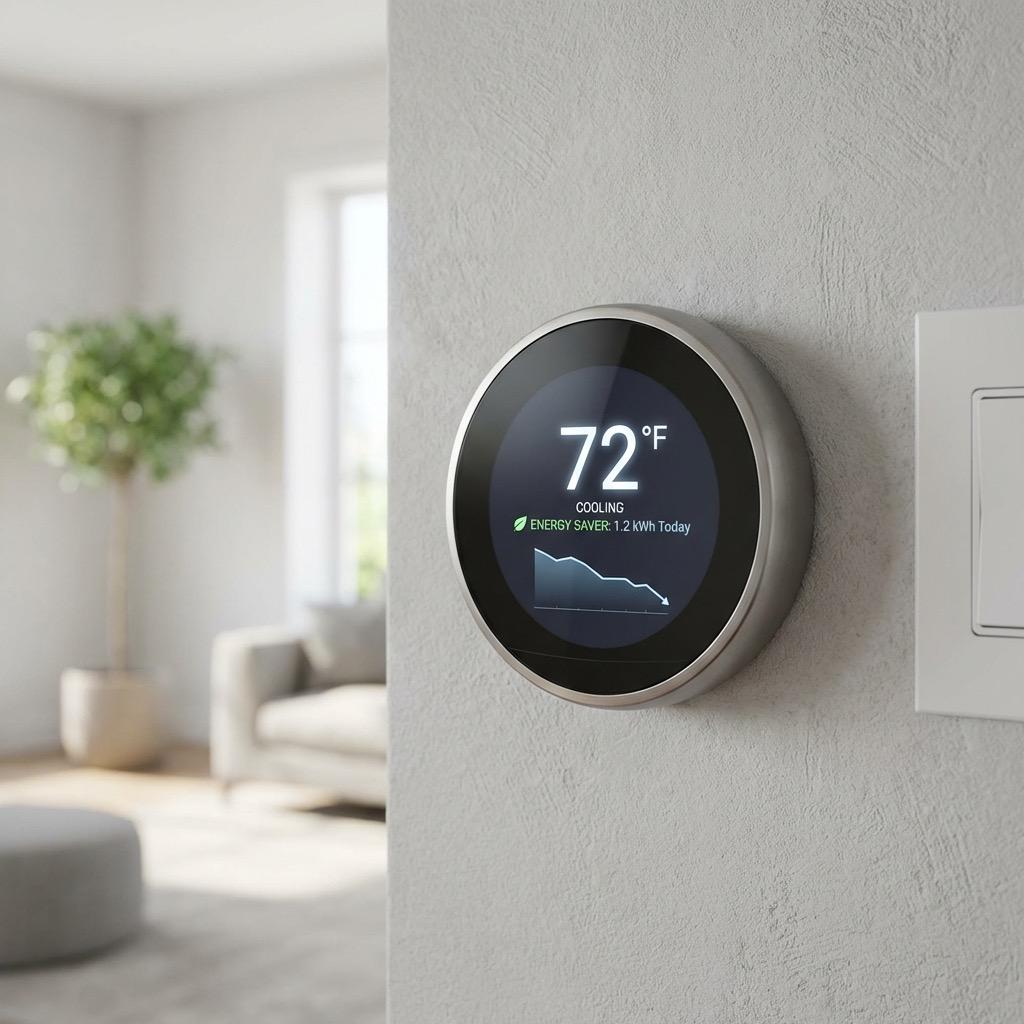
Heating and cooling can be a large electrical load, but its share varies with equipment type, fuel, weather, insulation, setpoints, occupancy, and the home itself. A monitor can show cycling and demand patterns. Unusual readings are a reason to investigate controls, equipment, ductwork, or the building envelope; they are not a diagnosis by themselves.
Vampire Loads
Some electronics draw power while idle. A monitor can estimate an always-on baseline or measure a dedicated circuit, but the devices and cost behind that load vary by home and rate. Confirm candidate loads directly before changing controls, and use smart plugs only within their ratings and the connected equipment's instructions.
Changes Worth Investigating
A change in runtime or measured demand can prompt inspection of an appliance, controls, usage, or surrounding conditions. Higher consumption has many possible causes, so monitoring data should be verified against actual operation and evaluated by a qualified appliance or HVAC technician before concluding that equipment is failing.
Pro Tip: Collect a representative baseline before changing controls or schedules. Then change one variable at a time and compare similar weather, occupancy, and billing periods. This helps distinguish a measured change from normal variation without promising a particular savings result.
Solar Energy Monitoring
For Northern Virginia homeowners with solar panels, energy monitoring provides critical insight into the relationship between solar production and household consumption. You can see when your panels are producing more than you are consuming (sending excess to the grid) and when household demand exceeds solar output (drawing from the grid).
Optimizing Solar Usage
Production and consumption timestamps can inform decisions about when compatible loads operate. Any scheduling benefit depends on weather, system output, export rules, utility rates, equipment controls, and household needs. Compatible automation may use the data, but results should be measured rather than assumed.
EV Charging Monitoring
Electric vehicle charging can be a significant household load. A dedicated circuit monitor can record charging demand and duration separately from other consumption. Compare those readings with the charger's settings, vehicle data, and current utility rate periods; the monitor does not by itself verify charger efficiency or guarantee lower charging cost.
Integration With Smart Home Systems
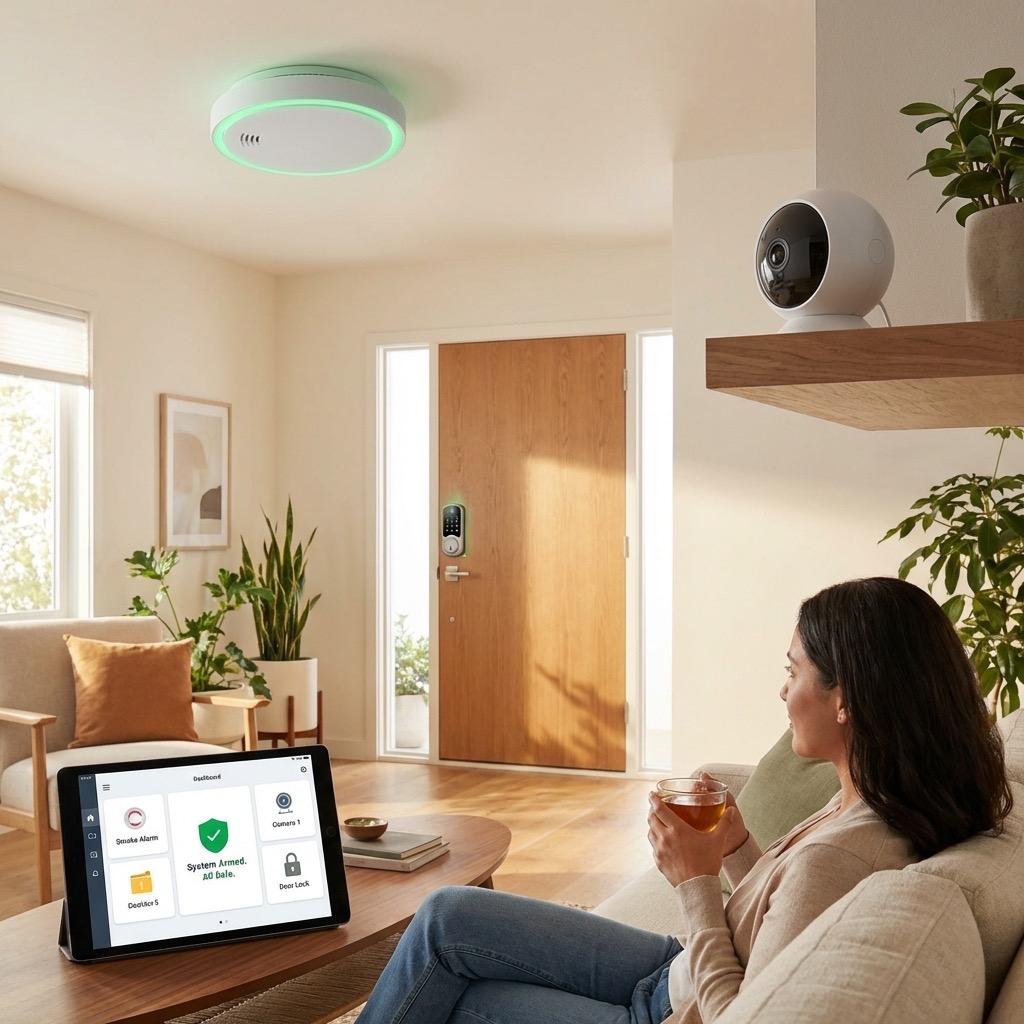
Compatible monitors and smart-home platforms may use measured thresholds to trigger notifications or approved control routines. Available actions depend on device compatibility, ratings, settings, network availability, and user configuration. Treat alerts as prompts to review the data, not as automatic fault diagnoses.
Want better usage data? AJ Long Electric installs compatible whole-home and circuit-level energy monitors in Northern Virginia under a documented electrical scope. Monitoring provides measurements for review; it does not guarantee device identification, fault diagnosis, or savings. Call us to request an energy-monitor installation assessment.