
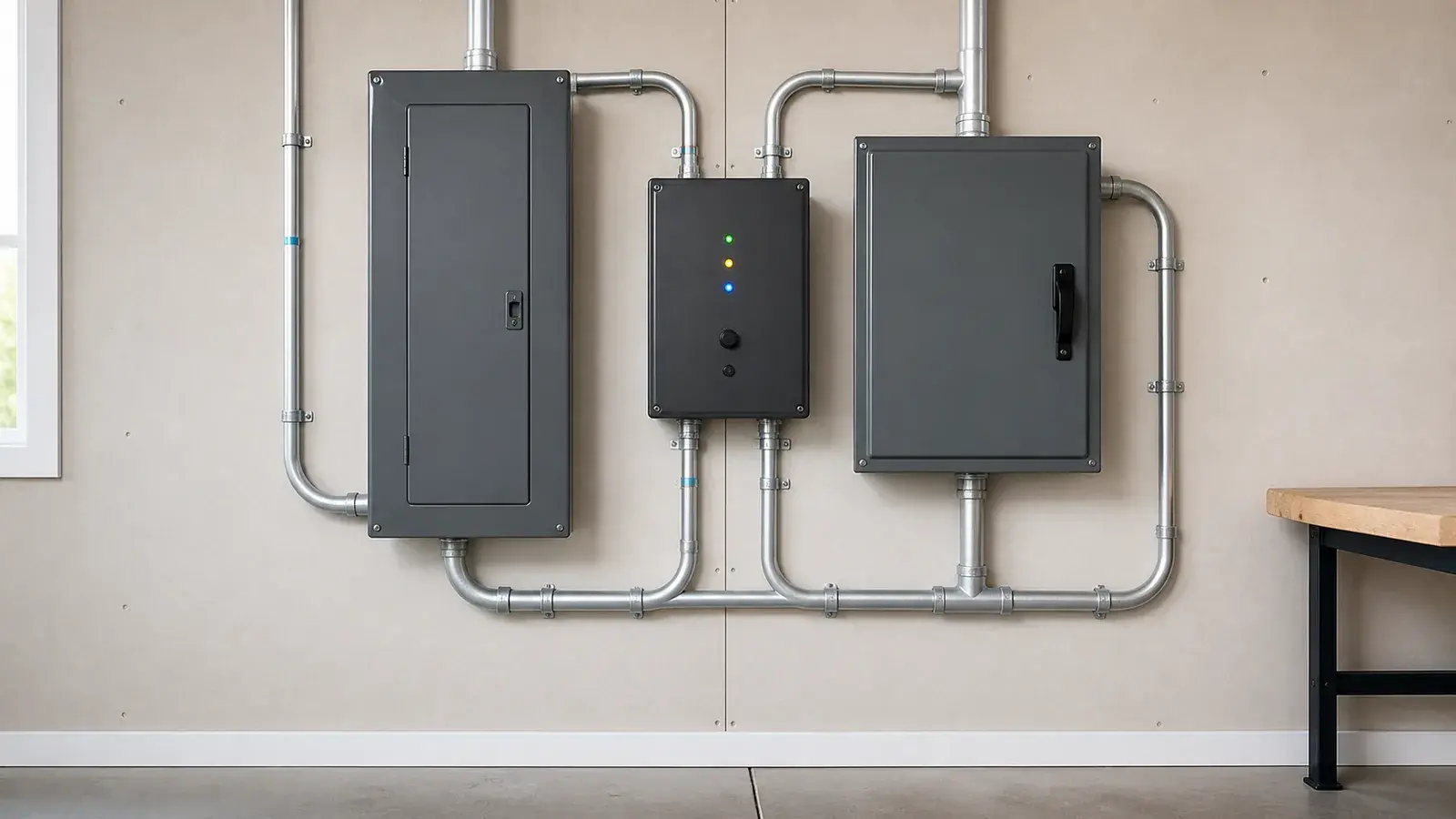
100-Amp Panel + EV Charger + Future Solar: What Actually Fits
Can a 100-amp service support EV charging and future solar? Compare charging time, lower output, load management,...
4 min read
Read 
Premium Electrical Service
Last Updated: October 2026
Home Level 2 EV charger installation with panel-capacity review, circuit planning, equipment connection, testing, and permit coordination for the defined scope.
AJ Long Electric provides free estimates for home Level 2 EV charger installations, including panel-capacity review, circuit routing, compatible equipment connection, testing, and permit coordination for the defined scope. Charger hardware and additional panel or route work are identified separately. Our quoted electrical installations include a five-year workmanship warranty from completion. Parts and equipment carry their manufacturer warranties.
Overview
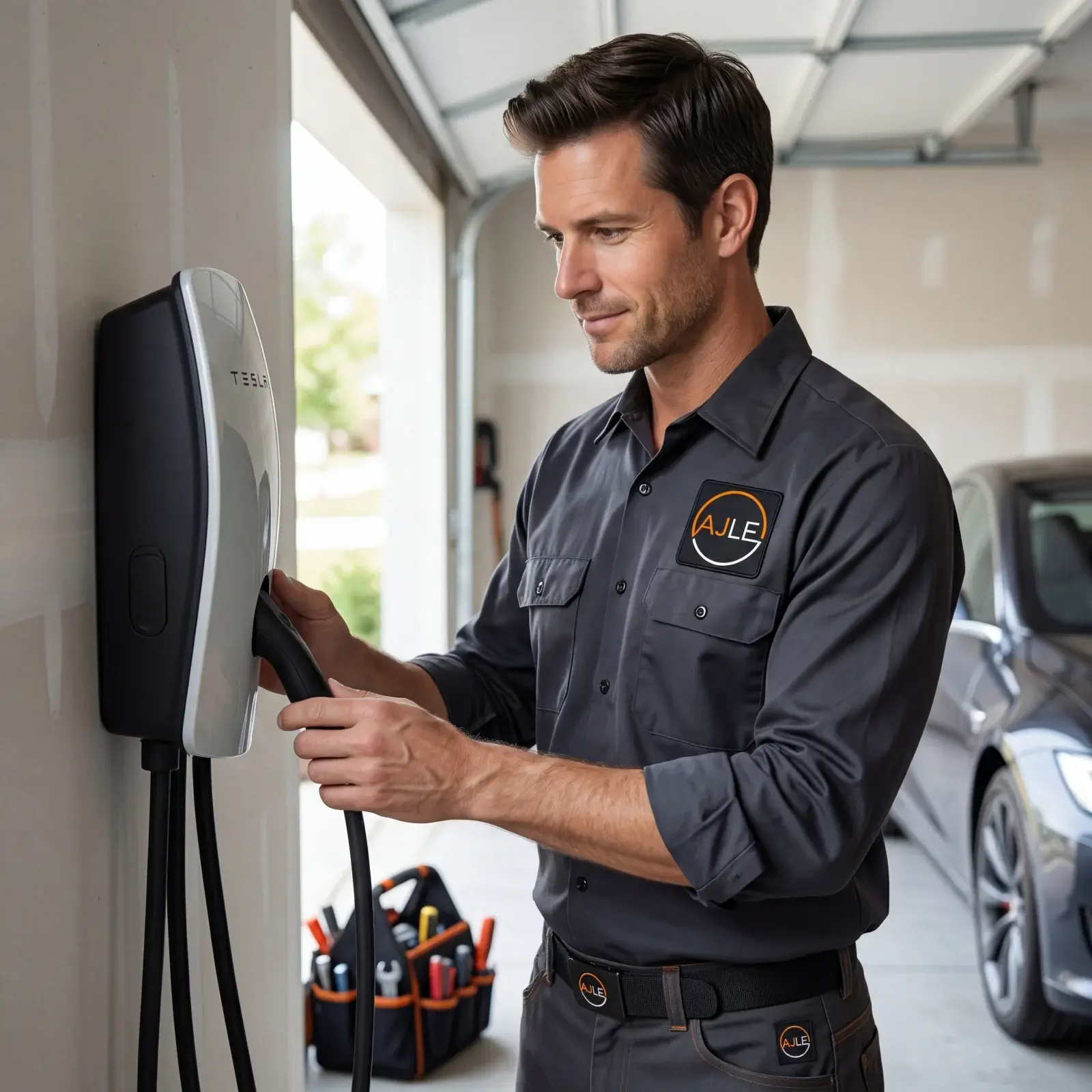
Plan home charging around where you park, how much energy the vehicle needs, and when it must be ready. AJ Long Electric reviews the selected charger, the existing electrical service, panel condition, and the route to the parking space. We explain suitable hardwired or receptacle-based options and whether a lower configured output, compatible load management, or panel work should be considered. The free written estimate separates the charging circuit and connection from charger hardware, additional capacity work, trenching, and finish repairs. Before installation, the defined scope includes the applicable protection, mounting, permits, inspection coordination, and equipment setup. Output depends on the vehicle and the approved installation; two chargers require their own coordination and capacity review.
The proposed charging load is evaluated against the home's existing electrical demand.
Circuit and equipment choices account for the vehicle, connector, parking position, and daily charging needs.
The estimate identifies routing, mounting, protection, panel work, and permit coordination that apply to the property.
A dedicated, professionally installed circuit avoids improvised extension-cord charging arrangements.
The completed connection is labeled, tested, and reviewed with the homeowner.
Send the project details for staff review. We will discuss the scope and next step before confirming a visit.
Request QuoteServing Fairfax, Vienna, McLean, Oakton, Burke, Annandale, Falls Church, Arlington & Alexandria.
Scope and pricing depend on the equipment, access, and conditions documented for the property.
How project costs are evaluatedLocal Expertise
Fairfax, Arlington, Alexandria, Loudoun & Prince William Counties
Northern Virginia, Maryland, and DC homes present very different charging layouts, including attached garages, detached parking, shared walls, exterior driveways, long circuit routes, and panels with limited spare capacity. The correct design follows the property rather than a one-size-fits-all charger package.
How It Works
The documented process moves from assessment and scope definition through authorized work, testing, and closeout. Timing and coordination are confirmed for the property and approved scope.
We confirm the vehicle, selected EVSE, parking location, and daily charging needs.
A licensed electrician evaluates panel capacity, existing demand, breaker space, and the proposed circuit route.
We explain compatible output, hardwired or receptacle-based choices, routing, and any capacity work.
The applicable permit and inspection requirements are confirmed for the property and scope.
The approved circuit, protection, mounting, and equipment connection are completed to the defined scope.
We test the installation, label the circuit, and review normal operation with the homeowner.
FAQs
Get answers to common questions about our ev charger installation services.
Charging output varies by vehicle, EVSE setting, circuit capacity, temperature, and battery conditions. We use the vehicle and charger specifications to plan a compatible circuit rather than promise one universal miles-per-hour figure.
Not necessarily. We review service size, existing demand, breaker space, and the proposed charging load. When capacity is constrained, the options may include a lower EVSE setting, listed load-management equipment, targeted panel work, or a service upgrade.
We connect customer-selected EVSE equipment when it is compatible with the vehicle, electrical system, mounting location, and manufacturer instructions. Equipment selection and availability are confirmed for the individual project.
An outdoor installation may be feasible when the selected equipment and wiring method are rated for the location. We evaluate mounting, weather exposure, cable reach, physical protection, and the route back to the panel.
The IRS states that Section 30C is unavailable for property placed in service after June 30, 2026. See the current IRS guidance at https://www.irs.gov/credits-deductions/alternative-fuel-vehicle-refueling-property-credit and consult a qualified tax professional; AJ Long Electric does not provide tax advice or determine eligibility.
Requirements depend on the address and defined electrical scope. We confirm the local permit and inspection path before work begins and identify the coordination included in the written proposal.
That depends on how much energy you need between trips and how long the vehicle is parked. A suitable Level 1 setup can meet some driving routines; Level 2 can provide more charging power when the vehicle and installation support it. Compare your actual charging window and vehicle needs before choosing an output.
Use the connection method supported by the selected EVSE and the electrical design. Hardwiring avoids a plug-and-receptacle connection; a receptacle-based setup needs a suitable device, circuit, protection, and equipment listing. A 14-50 outlet is not automatically suitable for any RV, welder, or charger, and neither approach avoids a capacity review.
A typical Level 2 circuit and hookup is $1,200–$3,500. The $1,200–$4,500 total band applies only when a documented long, detached, outdoor, trenched, or otherwise complex route expands the scope. EVSE hardware is separate unless the written quote includes it. Panel changes, controls, and other work are identified separately.
Yes. Share both vehicles' energy needs, arrival and departure times, and parking positions. We can compare using one charger in turn, compatible coordinated equipment, or independent circuits where the electrical design supports them. Two connectors do not automatically mean twice the available charging power.
Send your address, vehicle and charger models if selected, parking photos, the proposed route, and photos of the closed panel and accessible labels. Include usual arrival and departure times and other planned electrical loads. Do not remove panel covers for photos.
Describe who controls the parking space and any common areas, how power would reach it, and who pays for the electricity. Association or owner approvals, metering, trenching, shared walls, and access can change the scope. Confirm the route and permissions before buying equipment.
No. Staff review your request, discuss any missing details, and confirm the next step with you. Installation timing depends on the agreed scope, equipment, permits, access, and any necessary utility work.
Estimates are free for every service. Scheduled estimate visits and written project prices are free. Diagnostic and repair work is a separately priced service. Our quoted electrical installations include a five-year workmanship warranty from completion. Parts and equipment carry their manufacturer warranties.
Pricing
Every home is different. Here are the factors that influence pricing for ev charger installation services.
Project-specific after panel, route, equipment, and permit review
$1,200-$3,500 typical; long or detached runs up to $4,500
Our quoted electrical installations include a five-year workmanship warranty from completion. Parts and equipment carry their manufacturer warranties.
At a Glance
Review the documented pricing, timeline, and project requirements for ev charger installation in Northern Virginia.
| Detail | Specification |
|---|---|
| Typical price range | $1,200-$3,500 typical; long or detached runs up to $4,500 |
| Typical timeline | Project-specific after panel, route, equipment, and permit review |
| Permits & code | Performed to applicable code requirements: EV supply equipment is governed by the electrical rules applicable to the installed equipment and configured load; Circuit sizing and protection must match the EVSE instructions, configured output, and continuous-load requirements; Permit and inspection requirements are confirmed with the authority serving the property |
| Warranty | Our quoted electrical installations include a five-year workmanship warranty from completion. Parts and equipment carry their manufacturer warranties. |
Related Services
Explore other electrical services that complement ev charger installation.
Property-specific electrical panel replacement and service-capacity planning, with load calculations, utility coordination, labeling, and permit-path confirmation.
Property-specific branch-circuit installation for appliances, workshops, offices, and specialty equipment, sized to the connected load and existing panel.
Upgrade your home's electrical service from the utility meter to the main panel.
Panel-mounted surge protective device installation with equipment compatibility, conductor path, grounding, bonding, and status-indicator review.
Project Approach
AJ Long Electric starts with electrical capacity and site conditions, then defines a charger connection that fits the vehicle and property. Homeowners receive a written scope that distinguishes the EV circuit from any optional panel, routing, trenching, or restoration work. Permit and inspection coordination is described only after the address and project scope are confirmed.
Company credentials
Regional service history
Defined work and exclusions
Quoted electrical installations
Service Areas
We proudly provide ev charger installation services across Northern Virginia, Washington DC, and Maryland. Click on your area to learn more.
By Manufacturer
Manufacturer-specific planning information for listed EV charging equipment, with final circuit and connection details based on the vehicle, charger, panel capacity, and route.
Plan a listed hardwired connection, compatible circuit rating, load-management settings where applicable, route, protection, and required local coordination.
Learn moreListed Emporia Level 2 equipment on the same dedicated-circuit and panel-capacity process as any other charger.
Learn moreListed ChargePoint home EVSE with the same Level 2 circuit, permit path, and panel review.
Learn moreGuides
Expert electrical guides to help you make informed decisions.
Everything you need to know to prepare your home for a Level 2 EV charger installation, from panel assessment to choosing the perfect charging location.
Compare popular home EV chargers and learn which features matter most for your electric vehicle charging needs.
A solar-ready panel is documented busbar capacity, backfeed space, and grounding — not modules on the roof. Plan it with EV and battery loads so you do not replace the panel twice.
Expert Resources
Explore practical guides for planning ev charger installation and understanding the available options.
Can a 100-amp service support EV charging and future solar? Compare charging time, lower output, load management,...
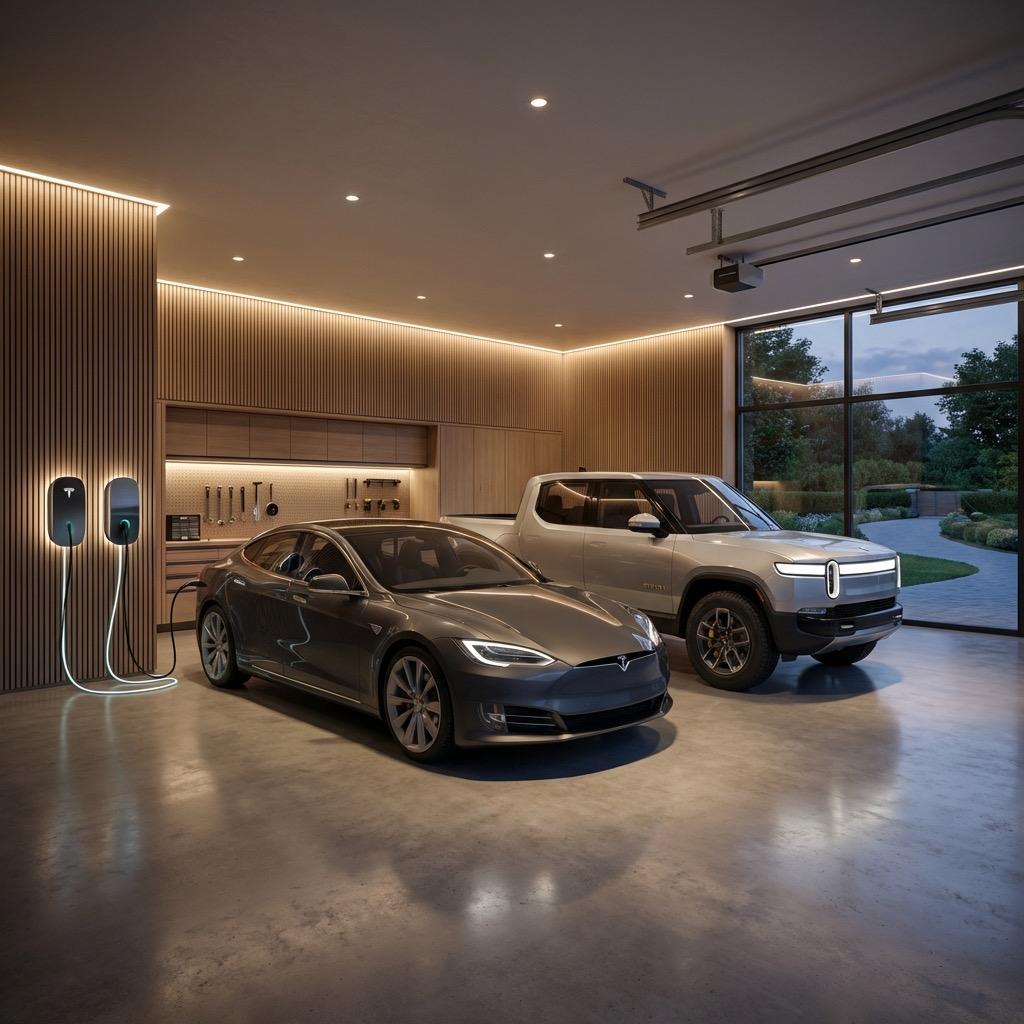
Plan two EVs on one home electrical service: alternating use, coordinated chargers, independent circuits, energy needs,...
Compare EV load management with a service upgrade: charging needs, panel condition, available spaces, complete...
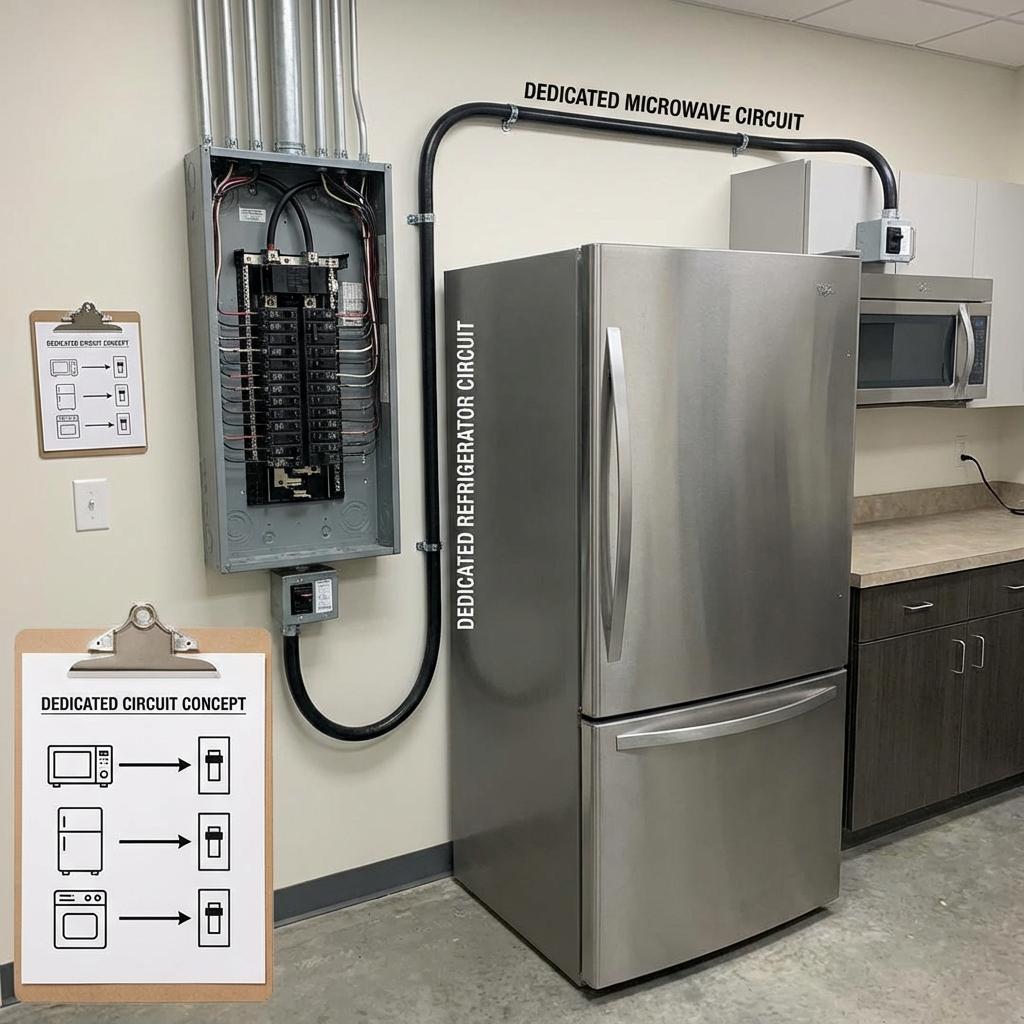
Learn when an appliance needs an individual circuit, how laundry and kitchen circuits differ, and what an electrician...