You're sitting in your living room in Fairfax, Arlington, or Alexandria when you notice your lights flickering. Is it just a loose bulb, or could it be something more serious? Flickering lights are one of the most common electrical concerns Northern Virginia homeowners face, and understanding the cause is crucial for both your safety and peace of mind.
While occasional flickering might be harmless, persistent or widespread flickering can signal dangerous electrical problems that require immediate attention. From incompatible dimmer switches to loose wiring connections and overloaded circuits, the causes of flickering lights range from simple DIY fixes to serious issues that demand professional electrical expertise.
At AJ Long Electric, we've diagnosed and resolved thousands of flickering light issues throughout Northern Virginia since 1996. This comprehensive guide will help you understand why your lights are flickering, when you can troubleshoot it yourself, when to call an electrician immediately, and how much repairs typically cost in the Northern Virginia area.
Understanding Why Lights Flicker: The Basics
Before diving into specific causes, it's important to understand what's happening when your lights flicker. Light flickering occurs when the flow of electricity to your light fixture is interrupted or fluctuates. This interruption can happen at various points in your electrical system:
- At the bulb: Poor contact between the bulb and socket
- At the switch: Faulty or incompatible dimmer switches
- At the fixture: Loose connections or aging components
- In the circuit: Loose wiring, overloaded circuits, or voltage fluctuations
- At the panel: Issues with your electrical panel or main service connection
- From the utility: Power supply issues from Dominion Energy or NOVEC
The location and severity of the electrical disruption determines both the seriousness of the problem and the appropriate solution.
Common Causes of Flickering Lights in Northern Virginia Homes
Let's explore the most common reasons lights flicker, from minor issues you can fix yourself to serious problems requiring professional electrical service:
1. Loose Light Bulbs (DIY Fix)
What it is: The most common and easily fixable cause of flickering lights. When a bulb isn't screwed in tightly, the electrical contact between the bulb's base and the socket is intermittent, causing flickering.
How to identify it: Flickering affects only one specific light fixture, and the flickering is usually subtle and intermittent.
DIY solution: Turn off the light switch, allow the bulb to cool completely, then gently tighten the bulb by turning it clockwise. Don't over-tighten as this can damage the socket or bulb base.
When to worry: If tightening doesn't resolve the issue, or if bulbs frequently loosen on their own, the socket may be worn or damaged.
2. Incompatible Dimmer Switches (Common with LEDs)
What it is: One of the most frequent causes of LED light flickering in Northern Virginia homes. Traditional dimmer switches were designed for incandescent bulbs and use different technology than LED-compatible dimmers. When you use non-dimmable LED bulbs with a dimmer, or use old dimmers with LED bulbs, flickering is almost guaranteed.
How to identify it:
- Flickering occurs only with dimmed lights, not at full brightness
- Multiple LED bulbs on the same dimmer switch all flicker
- Flickering is rapid and consistent, like a strobe effect
- Your dimmer switch is more than 10 years old and you're using LED bulbs
Solution: Replace your old dimmer switches with LED-compatible dimmers. Modern LED dimmers are specifically designed for the lower wattage and different electrical characteristics of LED bulbs. Popular LED dimmer brands include Lutron, Leviton, and Legrand. Learn more in our dimmer switch installation guide.
Cost to fix: $200-$500 for professional dimmer switch replacement, including the LED-compatible dimmer and installation labor.
3. Voltage Fluctuations
What it is: Voltage fluctuations occur when the electrical pressure (voltage) in your home's circuits rises or falls outside the normal range. Standard household voltage in the US is 120 volts, but it can safely fluctuate between 114-126 volts. Fluctuations outside this range cause flickering.
How to identify it:
- Lights dim briefly when large appliances like air conditioners, electric ovens, or washers start up
- Multiple lights throughout your home flicker simultaneously
- Flickering is more noticeable during peak electricity usage times
- Electronic devices occasionally behave erratically or reset
Causes of voltage fluctuations:
- Undersized electrical panel: Many older Northern Virginia homes in Old Town Alexandria, historic Arlington, and older Fairfax neighborhoods have 100-amp or smaller panels that struggle with modern electrical demands
- Overloaded circuits: Too many devices drawing power from a single circuit
- Large appliances starting: Major electrical draws temporarily reduce available voltage for lights
- Utility supply issues: Problems with Dominion Energy's or NOVEC's power delivery to your home
Solution: If voltage fluctuations are limited to your home, you may need a panel upgrade to handle your electrical load. If your entire neighborhood experiences flickering, contact your utility company to report power quality issues.
Cost to fix: $2,000-$4,000 for an electrical panel upgrade from 100 amps to 200 amps in Northern Virginia.
4. Loose Wiring Connections (Call an Electrician)
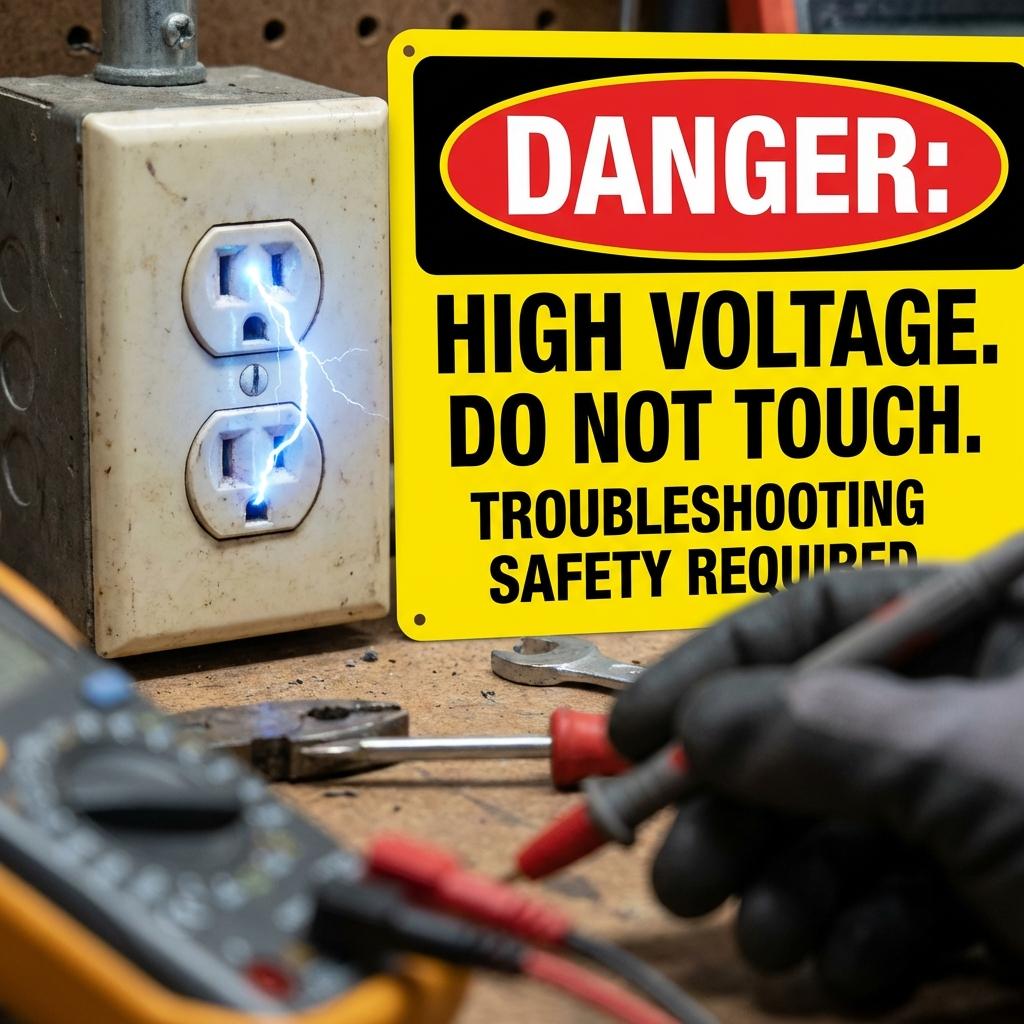
What it is: One of the most dangerous causes of flickering lights. Loose wiring connections create resistance at connection points, causing heat buildup, electrical arcing, and flickering. Over time, loose connections can lead to electrical fires.
How to identify it:
- Flickering affects multiple lights on the same circuit
- You notice buzzing or crackling sounds near switches or outlets
- Switches or outlets feel warm to the touch
- You smell burning plastic or see discoloration around outlets or switches
- Flickering is accompanied by occasional complete loss of power to certain areas
Where loose connections occur:
- At light fixtures
- Inside switch boxes
- In junction boxes in attics or crawl spaces
- At circuit breakers in the electrical panel
- At the main service connection (weatherhead or meter base)
Solution: Loose wiring must be diagnosed and repaired by a licensed electrician. Never attempt to tighten electrical connections yourself unless you're qualified and the power is completely shut off. At AJ Long Electric, we use thermal imaging cameras to detect hot spots caused by loose connections before they become fire hazards.
Cost to fix: $150-$400 for identifying and repairing loose connections in typical residential situations.
5. Overloaded Electrical Circuits
What it is: When you draw more power through a circuit than it's designed to handle, voltage drops occur, causing lights on that circuit to flicker or dim. Circuit overloading is particularly common in older Northern Virginia homes that weren't wired for today's electrical demands.
How to identify it:
- Lights flicker when you turn on specific appliances or devices
- Multiple high-draw devices are plugged into outlets on the same circuit
- Circuit breakers trip frequently
- Outlets feel warm or have a slight burning smell
Common scenarios in Northern Virginia homes:
- Kitchen lights flickering when microwave, toaster, and coffee maker run simultaneously
- Bathroom lights dimming when hair dryer is used
- Bedroom lights flickering when space heater is running
- Living room lights dimming when home office equipment and entertainment system are both on
Solution: The proper solution depends on the severity:
- Short-term: Redistribute high-draw devices to different circuits
- Long-term: Install additional dedicated circuits for major appliances and heavy-use areas
- Comprehensive: Upgrade your electrical panel to provide more circuits and capacity
Cost to fix: $300-$800 per new circuit installation, or $2,000-$4,000 for complete panel upgrade.
6. Old or Faulty Light Fixtures
What it is: Light fixtures wear out over time. Internal wiring connections loosen, sockets degrade, and components corrode, especially in high-humidity areas like bathrooms or outdoor fixtures exposed to Northern Virginia's weather extremes.
How to identify it:
- Only one specific fixture flickers, regardless of bulb replacement
- The fixture is more than 15-20 years old
- You see corrosion or rust on the fixture
- The fixture has been exposed to moisture (bathroom or outdoor locations)
- Moving or touching the fixture causes flickering to change
Solution: Replace the aging fixture with a new one. This is an opportunity to upgrade to modern, energy-efficient LED fixtures. See our lighting services for fixture installation options including recessed lighting, ceiling fans, and outdoor lighting.
Cost to fix: $150-$400 for fixture replacement, depending on fixture type and installation complexity.
7. Utility Power Issues (Dominion Energy & NOVEC)
What it is: Sometimes flickering lights are caused by problems with your utility company's power supply to your neighborhood, not issues within your home. This is especially common during severe weather, high-demand periods, or when utility equipment malfunctions.
How to identify it:
- All lights in your entire home flicker simultaneously
- Neighbors also experience flickering at the same time
- Flickering coincides with severe weather, high winds, or ice storms
- Flickering occurs during peak usage times (hot summer afternoons when AC runs heavily)
- Your neighbors report similar issues
Solution: Contact your utility company to report power quality issues:
- Dominion Energy: 1-866-DOM-HELP (1-866-366-4357)
- NOVEC: 1-888-335-0500
The utility company will investigate issues with transformers, power lines, and service connections. However, it's wise to also have an electrician verify that your home's electrical system is properly protected with whole-home surge protection to safeguard against utility voltage spikes.
8. Poor Quality or Incompatible LED Bulbs
What it is: Not all LED bulbs are created equal. Cheap, low-quality LED bulbs often have inadequate internal drivers (the components that regulate power to the LED) causing flickering. Additionally, using non-dimmable LEDs with dimmer switches always causes problems.
How to identify it:
- Flickering began immediately after installing new LED bulbs
- You purchased bargain-basement LED bulbs from unfamiliar brands
- LED bulbs flicker on dimmer switches but the package doesn't say "dimmable"
- Different bulbs in the same fixture behave differently
Solution: Replace with high-quality LED bulbs from reputable manufacturers (Philips, GE, Cree, Feit Electric). If using dimmers, ensure bulbs are specifically labeled "dimmable" and are compatible with your dimmer switch type. We recommend spending a bit more on quality LED bulbs - they last longer, produce better light quality, and are far less likely to flicker.
Cost to fix: $50-$150 for quality replacement LED bulbs, depending on number and type needed.
Why LED Lights Flicker More Than Incandescent Bulbs
Many Northern Virginia homeowners notice that LED lights seem to flicker more than the incandescent bulbs they replaced. Here's why:
LED vs. Incandescent Electrical Characteristics:
- Voltage sensitivity: LED bulbs are much more sensitive to voltage fluctuations. Small variations that incandescent bulbs barely noticed cause noticeable LED flickering
- Instant response: LEDs turn on instantly (unlike incandescent bulbs that take time to heat up), making them immediately responsive to any voltage fluctuation
- No thermal buffer: Incandescent bulbs have a hot filament that stays warm even during brief power interruptions, smoothing out minor voltage variations. LEDs have no such buffer
- Electronic drivers: Every LED bulb contains electronic components (drivers) that regulate power. Poor-quality drivers or incompatible dimmers cause flickering
- Low power draw: LEDs draw so little power that some older electrical components and switches don't maintain stable connections with them
Solutions for LED flickering:
- Use only dimmable LED bulbs with dimmer switches
- Replace old incandescent-style dimmers with LED-compatible dimmers
- Purchase quality LED bulbs from reputable manufacturers
- Ensure compatibility between your LED bulbs and dimmer switch brand/model
- Consider installing whole-home surge protection to stabilize voltage throughout your home
Properly installed LED lighting with compatible dimmers eliminates flickering issues in Northern Virginia homes.
DIY Troubleshooting Steps for Flickering Lights
Before calling an electrician, you can safely perform these troubleshooting steps to identify and potentially resolve simple flickering issues:
Step 1: Identify the Pattern
Understanding the pattern of flickering helps diagnose the cause:
- Single light flickering: Likely a bulb, socket, or fixture issue
- Multiple lights on one circuit: Possible loose connection in that circuit
- Whole house flickering: Panel issue, main service connection problem, or utility issue
- Flickering when appliance starts: Voltage drop from overloaded circuit or undersized panel
Step 2: Check and Tighten Bulbs
Always start with the simplest solution:
- Turn off the light switch
- Allow bulbs to cool completely (at least 10 minutes)
- Gently tighten each bulb by turning clockwise
- Ensure bulbs are fully seated in sockets
- Turn the light back on and observe
Step 3: Test with Different Bulbs
Eliminate the bulb as the cause:
- Replace the flickering bulb with a known good bulb from another fixture
- If flickering stops, the original bulb was faulty - replace it
- If flickering continues, the problem is with the fixture, switch, or wiring
Step 4: Check Dimmer Switch Compatibility
Verify dimmer and bulb compatibility:
- Check if LED bulbs are marked as "dimmable"
- Look at your dimmer switch to see if it's LED-compatible (usually marked on the switch or manual)
- Test bulbs at full brightness - if flickering stops when not dimmed, you need an LED-compatible dimmer
- Consider replacing old dimmer switches with modern LED-compatible models
Step 5: Monitor for Patterns
Pay attention to when flickering occurs:
- Does flickering happen when the dishwasher starts?
- Do lights dim when the air conditioner compressor kicks on?
- Does flickering occur at specific times of day?
- Do other electrical devices also act strangely?
This information is invaluable when explaining the issue to your electrician.
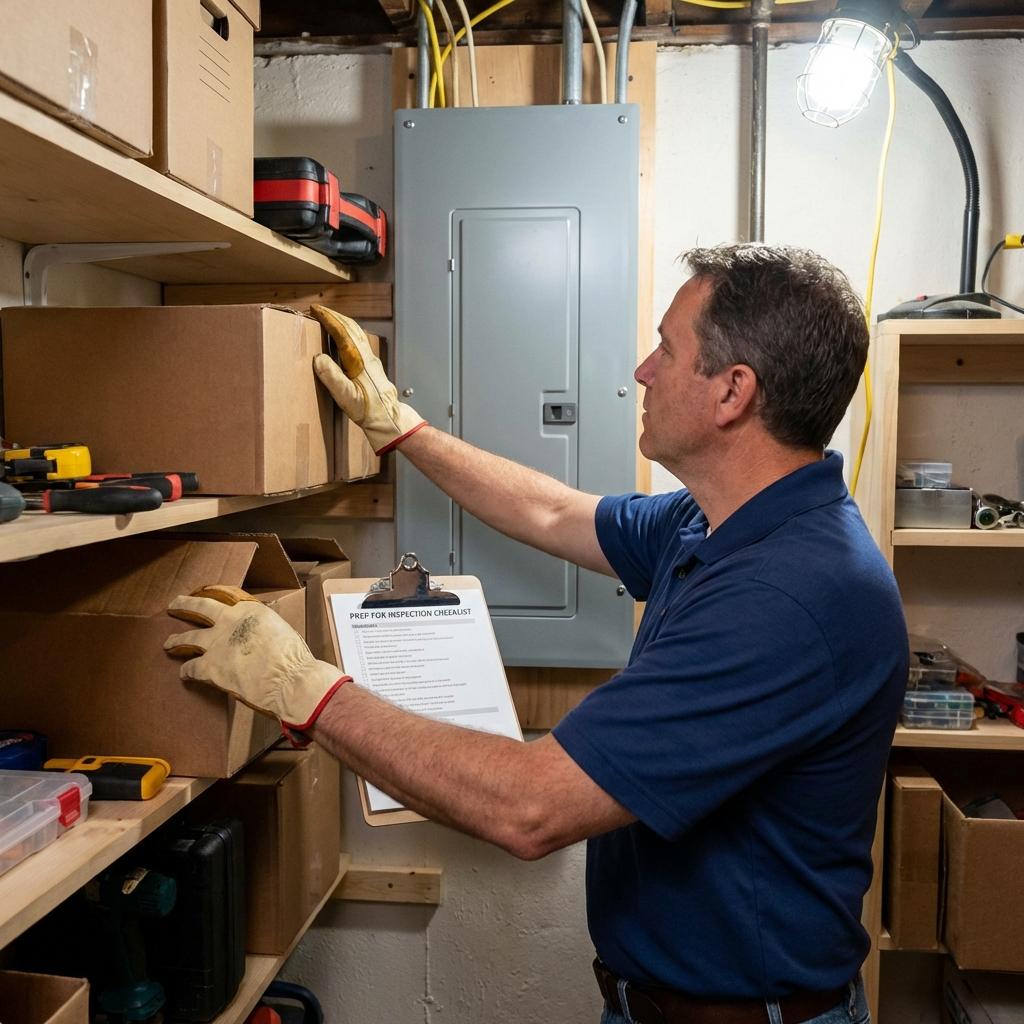
Step 6: Check Your Circuit Breaker Panel
Visual inspection only (do NOT open or touch anything inside the panel):
- Look for any tripped breakers (handles in the middle position)
- Note any burning smells near the panel
- Check if the panel is hot to the touch (it should be at room temperature)
- Look for signs of rust, corrosion, or scorching
If you notice any warning signs, contact an electrician immediately. Learn more about dangerous electrical panels.
When to Call an Electrician Immediately
While some flickering issues are minor, others indicate dangerous electrical problems. Contact a licensed electrician immediately if you experience any of these warning signs:
Critical Warning Signs:
- Flickering throughout your entire home: Indicates a serious problem with your main electrical panel, service connection, or utility feed
- Burning smell: Any burning odor near outlets, switches, or fixtures indicates dangerous heat buildup from poor connections or overloaded circuits
- Buzzing or crackling sounds: These sounds indicate electrical arcing, which can cause fires
- Warm or hot outlets/switches: Normal electrical devices should never feel warm. Heat indicates dangerous resistance at connections
- Visible sparking: Any visible sparks from outlets, switches, or fixtures require immediate professional attention
- Frequent circuit breaker trips: Breakers that trip repeatedly are protecting you from overloaded or short-circuited wiring
- Lights dimming with major appliances: While normal for a split second, sustained dimming suggests your electrical system is undersized for your needs
- Discoloration around outlets or switches: Black or brown marks indicate heat damage from arcing or poor connections
- Flickering after electrical work: If flickering began immediately after any electrical work, the work may have been done incorrectly
Why You Shouldn't Delay:
Electrical problems don't fix themselves - they only get worse. Loose connections generate heat, which causes further degradation of wiring and connections, increasing fire risk. According to the National Fire Protection Association (NFPA), electrical failures or malfunctions cause an estimated 47,700 home fires per year in the United States, resulting in hundreds of deaths, thousands of injuries, and over $1.4 billion in property damage.
The good news? Most electrical fires are preventable with proper maintenance and timely repairs. At AJ Long Electric, we've prevented countless potential fire hazards by identifying and repairing dangerous electrical issues before they become catastrophic.
Upgrading to a modern electrical panel can resolve persistent flickering issues and improve electrical safety.
Cost to Fix Flickering Lights in Northern Virginia
Repair costs vary significantly based on the underlying cause. Here are typical price ranges for flickering light repairs in the Northern Virginia area:
Simple Fixes (DIY or Minimal Service Call)
- Tightening loose bulbs: Free (DIY)
- Replacing bulbs: $5-$25 per quality LED bulb
- Basic electrical service call: $75-$150 for diagnosis
Moderate Repairs (Professional Service Required)
- Replacing standard switch: $50-$150 (parts and labor)
- Installing LED-compatible dimmer switch: $200-$500 per switch, depending on dimmer quality and installation complexity
- Repairing loose connections: $150-$400 for typical residential repairs
- Replacing light fixture: $150-$400, depending on fixture type and location
- Tightening panel connections: $200-$400
Major Repairs (Significant Electrical Work)
- Installing new dedicated circuit: $300-$800 per circuit
- Fixing overloaded circuits: $300-$800 for circuit splitting and load redistribution
- Repairing service panel issues: $500-$1,500, depending on problem severity
- Main service connection repair: $500-$2,000 (may involve utility company coordination)
- Complete rewiring of circuit: $800-$2,500, depending on circuit length and accessibility
Comprehensive Upgrades
- Electrical panel upgrade (100A to 200A): $2,000-$4,000
- Whole-home surge protection installation: $300-$600
- Multiple circuit additions with panel upgrade: $3,000-$6,000
Keep in mind that these are general ranges for Northern Virginia. Actual costs depend on factors like:
- Specific diagnosis and root cause
- Accessibility of wiring and electrical components
- Age and type of home
- Whether permits are required
- Material costs and quality
For an accurate estimate specific to your flickering light issue, contact AJ Long Electric for a comprehensive electrical assessment. Check our cost guide for more electrical service pricing information.
Preventing Future Flickering Issues
Once you've resolved your current flickering issues, follow these best practices to prevent future problems:
1. Use Quality LED Bulbs
Invest in quality LED bulbs from reputable manufacturers. While they cost more upfront, quality LEDs last longer, produce better light, and are far less likely to flicker. Look for:
- ENERGY STAR certification
- Brands like Philips, GE, Cree, or Feit Electric
- Clear "dimmable" marking if using with dimmers
- Compatibility listing with your specific dimmer switch model
2. Upgrade to LED-Compatible Dimmers
If you have dimmer switches installed before 2010, they're almost certainly not LED-compatible. Replace them with modern LED dimmers from manufacturers like:
- Lutron (Diva, Caseta, RadioRA models)
- Leviton (Decora models)
- Legrand (radiant Collection)
These dimmers are specifically engineered for LED bulbs' unique electrical characteristics.
3. Schedule Regular Electrical Inspections
Just like your HVAC system or water heater, your electrical system needs periodic professional inspection, especially in homes older than 20 years. We recommend:
- Electrical inspection every 3-5 years for homes under 40 years old
- Electrical inspection every 1-2 years for homes over 40 years old
- Inspection whenever you experience unusual electrical behavior
- Inspection before and after major renovations
4. Don't Overload Circuits
Distribute high-draw appliances and devices across multiple circuits. Avoid:
- Running multiple heat-generating appliances (space heaters, hair dryers, etc.) on the same circuit
- Plugging too many devices into a single outlet using power strips
- Using extension cords for permanent installations
If you regularly trip breakers or experience flickering when running normal appliances, you need additional circuits or a panel upgrade.
5. Upgrade Outdated Electrical Systems
If your Northern Virginia home has any of these outdated features, consider proactive upgrades:
- Federal Pacific or Zinsco panels (known fire hazards)
- Knob and tube wiring (common in pre-1950 homes)
- Aluminum wiring (common in 1960s-70s homes)
- 100-amp or smaller electrical panels
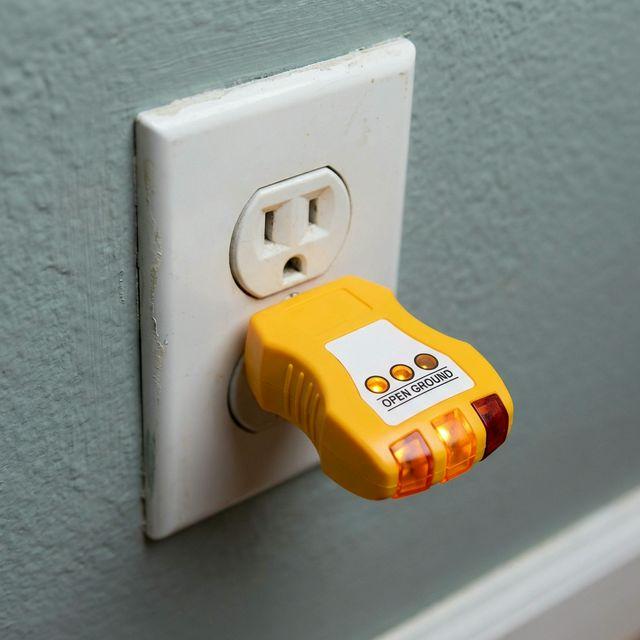
- Ungrounded electrical systems (2-prong outlets throughout the home)
6. Install Whole-Home Surge Protection
Northern Virginia experiences frequent thunderstorms, especially in summer months. Protect your entire electrical system with whole-home surge protection installed at your electrical panel. This protects against:
- Lightning strikes
- Utility power surges
- Voltage spikes from major appliances cycling on and off
Special Considerations for Northern Virginia Homes
Older Historic Homes
Northern Virginia is home to many historic properties, particularly in Old Town Alexandria, Arlington, and historic Fairfax. These beautiful homes often have unique electrical challenges:
- Original knob and tube wiring from the 1920s-1950s
- Undersized electrical panels (60 or 100 amps)
- Limited circuits for modern electrical demands
- Plaster walls and ceilings that make upgrades more complex
- Historical preservation requirements affecting visible modifications
At AJ Long Electric, we specialize in upgrading historic homes while respecting their architectural integrity. We can run new wiring through existing walls, upgrade panels in discreet locations, and ensure your historic home meets modern safety standards.
Dominion Energy and NOVEC Service Territory Differences
Northern Virginia is served by two main utility companies:
Dominion Energy Virginia serves most of Northern Virginia, including Fairfax County, Arlington, Alexandria, and Prince William County. If you experience utility-related flickering in Dominion territory:
- Report power quality issues: 1-866-DOM-HELP (1-866-366-4357)
- Use their outage map to see if others are affected: dominionenergy.com
NOVEC (Northern Virginia Electric Cooperative) serves parts of Loudoun, Fairfax, Prince William, and Fauquier counties, including areas around Ashburn, Herndon, and Great Falls. If you're in NOVEC territory:
- Report power issues: 1-888-335-0500
- Check their outage map: novec.com
HOA and Condo Considerations
If you live in a Northern Virginia townhome or condo community, electrical work may require:
- HOA architectural review committee approval
- Coordination with building management for panel access
- Compliance with master insurance policies
- Use of HOA-approved contractors (AJ Long Electric works with many HOAs throughout Northern Virginia)
Frequently Asked Questions About Flickering Lights
Are flickering lights always dangerous?
Not always, but they shouldn't be ignored. A single loose bulb causing flickering isn't dangerous. However, flickering from loose wiring, overloaded circuits, or panel issues can lead to electrical fires. When in doubt, have a licensed electrician inspect your system. See our electrical safety guidelines.
Why do my lights flicker only during storms or high winds?
This usually indicates issues with overhead power lines or the connection between utility lines and your home's weather head. High winds can cause power lines to sway and momentarily touch or separate, causing voltage fluctuations. This is typically a utility company issue, but you should also ensure your home's weather head connection is secure.
Can flickering lights damage my electronics?
Yes. Frequent voltage fluctuations can damage sensitive electronics like computers, televisions, and smart home devices. If you're experiencing regular flickering, install whole-home surge protection to safeguard your electronics.
Is it normal for lights to flicker briefly when the AC starts?
A very brief, barely noticeable flicker when a large appliance starts is normal - the appliance draws a surge of power when starting. However, if lights noticeably dim and stay dim while the appliance runs, your electrical system is likely undersized and should be evaluated by an electrician.
Should I replace all my dimmer switches if I switch to LED bulbs?
Not necessarily all of them, but you should replace any dimmer that's more than 10 years old or that causes LED flickering. Modern LED-compatible dimmers work with both LED and traditional bulbs, making them a smart investment.
How do I know if the problem is with my home or the utility company?
Check with your neighbors. If they're also experiencing flickering at the same time, it's likely a utility issue. If only your home is affected, the problem is within your electrical system. Either way, an electrician can help determine the exact cause.
Why Choose AJ Long Electric for Flickering Light Repairs in Northern Virginia?
When your lights are flickering, you need a trusted electrician who can quickly diagnose the issue and provide safe, lasting solutions:
- 29 Years of Experience: Serving Northern Virginia homeowners since 1996
- Licensed & Insured: Fully licensed in Virginia, Maryland, and DC with comprehensive insurance
- Diagnostic Expertise: We use advanced tools like thermal imaging cameras to identify electrical problems before they become emergencies
- Comprehensive Solutions: From simple bulb replacements to complete panel upgrades, we handle all electrical issues
- Upfront Pricing: No surprise charges - we provide detailed estimates before beginning work
- Same-Day Service Available: We understand electrical safety concerns and offer priority service for urgent issues
- 1,200+ Five-Star Reviews: Our satisfied customers throughout Northern Virginia speak to our quality workmanship
- Code Compliance Guaranteed: All work meets or exceeds Virginia electrical codes and passes inspection
- Warranty Protection: We stand behind our work with comprehensive warranties
See what customers say in our testimonials, and view examples of our electrical work in our .
Get Your Flickering Lights Fixed Today
Don't ignore flickering lights in your Northern Virginia home. While the cause might be as simple as a loose bulb, it could also indicate a dangerous electrical problem that threatens your family's safety and your property.
Whether you're in Fairfax, Arlington, Alexandria, Vienna, McLean, Ashburn, or anywhere else in Northern Virginia, AJ Long Electric is ready to help diagnose and resolve your flickering light issues quickly and safely.
Schedule Your Flickering Light Diagnosis Today!
Or call us now at 703-997-0026
Serving All of Northern Virginia
AJ Long Electric provides expert flickering light diagnosis and repair services throughout the region, including:
Fairfax, Arlington, Alexandria, Vienna, McLean, Ashburn, Reston, Burke, Springfield, Annandale, Herndon, Great Falls, Falls Church, and surrounding communities. We also serve Washington DC and parts of Maryland.