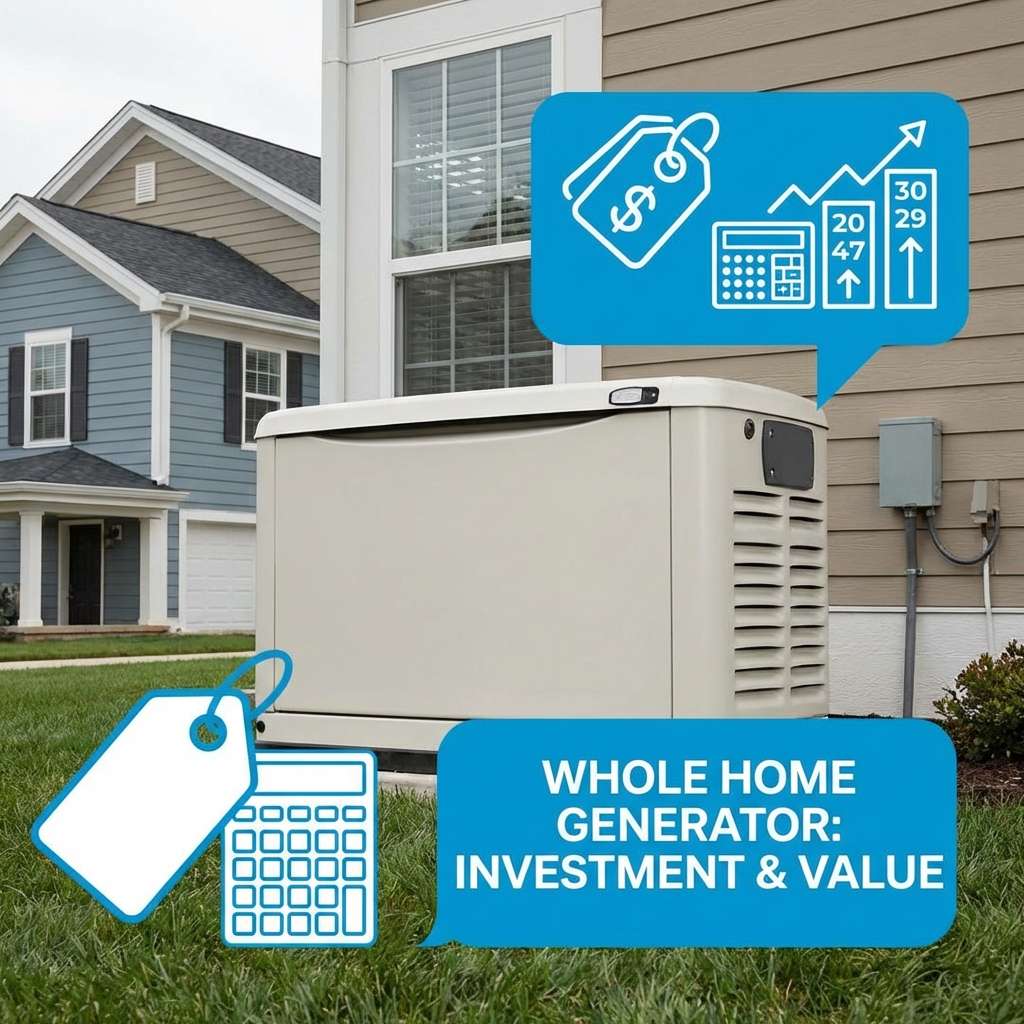

There are two practical electrical paths for residential backup power: a portable-generator hookup or a compatible battery system. A portable hookup is $900–$2,500 for the inlet plus listed transfer or interlock equipment, with the generator purchased separately. A portable battery setup is $2,500–$6,000; whole-home battery integration is $6,000–$15,000+.
Key Takeaways
- A complete code-compliant portable-generator hookup is $900–$2,500, including the inlet plus listed transfer or interlock equipment; the generator itself is separate
- A portable battery setup is $2,500–$6,000; whole-home battery integration is $6,000–$15,000+
- Transfer switches and interlock kits prevent dangerous backfeed onto utility lines and are required for any code-compliant generator connection
- Battery stations have no combustion exhaust, but placement, clearance, operating conditions, transfer behavior, and supported loads follow the exact listing and design; portable generators must run outdoors because of carbon-monoxide risk
Backup Power Options and Pricing
The right choice depends on outage duration, supported loads, listed placement, compatible transfer or load-management equipment, recharge path, and whether you can safely operate and refuel a portable generator. Both approaches are governed by NEC 702 (optional standby systems), and hardwired transfer-switch or smart-panel work requires an electrical permit.
Planning Backup Power for Your Home?
Plan for the next outage with a listed portable-generator hookup or a compatible battery-backup installation. We evaluate the panel, selected loads, equipment, and transfer method before quoting the electrical scope. Call (571) 444-6886 to request an in-home assessment.
- Complete portable-generator hookup: $900–$2,500 installed -- Includes the exterior inlet plus listed transfer switch or interlock equipment. The portable generator is purchased separately.
- Battery power station (portable-unit setup): $2,500–$6,000 supplied and installed -- A compatible listed unit set up to power defined essential loads.
- Whole-home battery integration: $6,000–$15,000+ supplied and installed -- A compatible listed system integrated through approved transfer or energy-management equipment, depending on capacity and circuit count.
Portable-Generator Hookup Cost Breakdown
Inlet Plus Transfer Switch or Interlock ($900–$2,500 complete)
A manual transfer switch isolates a chosen set of circuits so they draw from the portable generator instead of the utility. A listed generator interlock mechanically prevents the main breaker and the generator breaker from being on at the same time. Either approach prevents backfeed — energizing the utility lines from your generator — which can electrocute line workers and destroy equipment. The complete hookup range includes the inlet and approved transfer/interlock equipment; the generator is purchased separately.
Generator Inlet Box (Included in the Complete Hookup)
The inlet box is the weatherproof exterior power inlet your portable generator connects to with a heavy-duty cord. It is mounted on an exterior wall in a convenient, well-ventilated location and wired back to the transfer switch or interlocked breaker. Placement matters for carbon monoxide safety: the generator itself must sit well away from the house while the cord reaches the inlet.
Electrical Permit (Included in the Complete Hookup Scope)
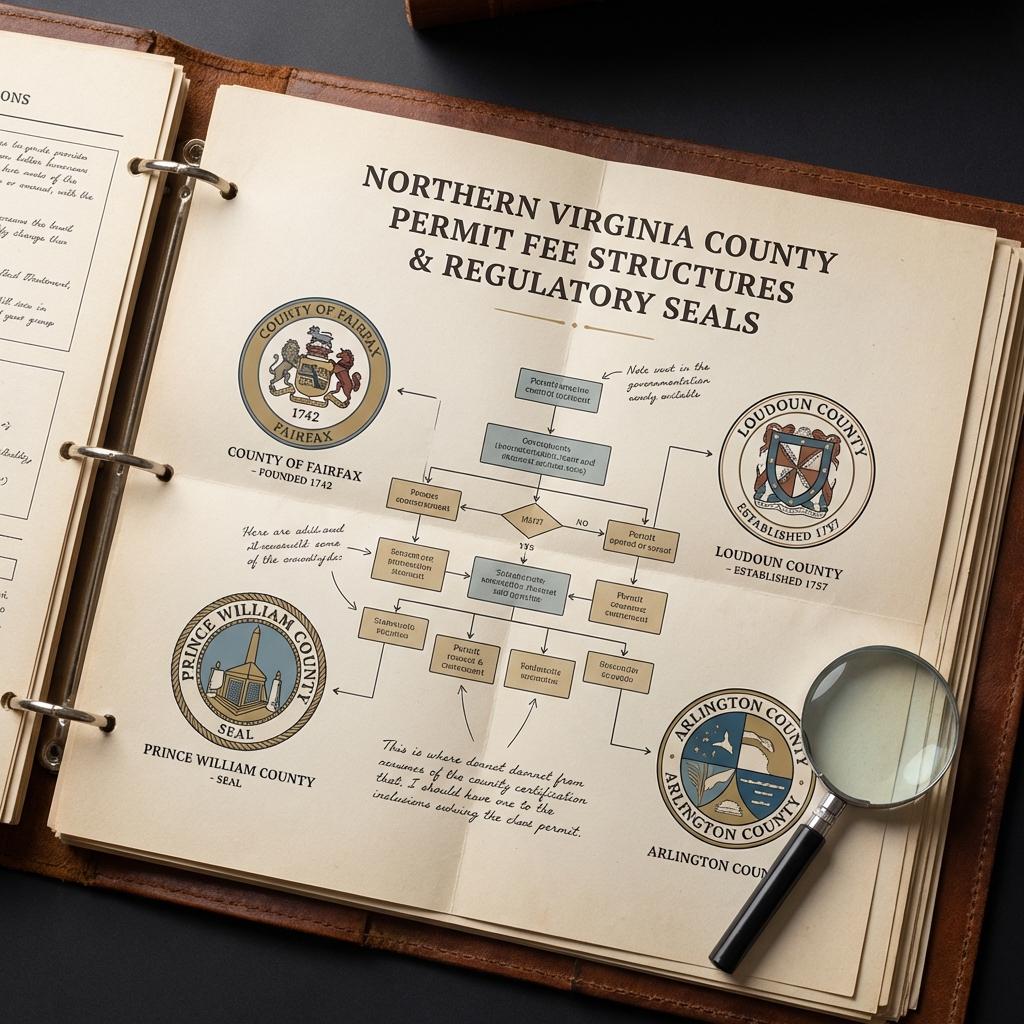
Hardwired transfer-switch and interlock work requires an electrical permit in all Northern Virginia jurisdictions. Fairfax County, Arlington County, Loudoun County, and Prince William County each have their own permit fees and inspection scheduling. There is no gas permit — a portable-generator hookup involves no fuel lines or tanks.
Carbon monoxide safety: Never run a portable generator indoors, in a garage (even with the door open), in a basement, or near open windows or doors. Portable generators emit carbon monoxide that can be fatal within minutes. Operate the generator outdoors according to its manufacturer instructions, with exhaust pointed away from windows, doors, and vents. Battery power stations have no combustion exhaust, but placement and operation still follow the exact listing and manufacturer instructions.
Battery Power Station Cost Breakdown
Portable-Unit Setup ($2,500–$6,000 supplied and installed)
For homeowners who want a quiet, fuel-free option, AJ Long Electric can include compatible listed battery equipment in the approved scope or connect customer-selected listed equipment. Capacity is documented in kilowatt-hours (kWh), while running and starting output are documented in watts. The written design identifies the selected loads, recharge path, monitoring features, equipment responsibility, and placement requirements.
Whole-Home Battery Integration ($6,000–$15,000+ supplied and installed)
Larger listed systems can connect to selected circuits through compatible transfer or load-management equipment. The final cost depends on usable capacity, running and starting loads, circuit count, equipment location, conductor route, and any expansion equipment. Hardwired transfer or load-management work typically requires an electrical permit; the address and written scope determine the actual permit path.
Good to Know: Battery power stations have no combustion engine or exhaust, although inverters, contactors, and cooling fans may make operating noise. Placement must follow the equipment listing, manufacturer instructions, and applicable code. Runtime depends on usable kWh, available recharge energy, settings, temperature, and the loads in use.
Portable Generator vs. Battery Power Station
Portable Generator Hookups
A portable inverter generator paired with a transfer switch or interlock kit is often the lowest-cost path to backup power. Runtime depends on safe fuel supply, the generator's duty limits, maintenance, load, weather, and other operating conditions. The unit must always run outdoors because of carbon-monoxide risk. This option can fit homeowners who already own or plan to buy a compatible portable generator and want a code-compliant way to connect it.
Battery Power Stations
Battery power stations provide fuel-free backup without generator exhaust or refueling. Placement, transfer behavior, recharge sources, supported loads, and monitoring depend on the selected listing and design. Runtime is finite and depends on usable capacity, the actual running load, starting current, equipment settings, temperature, and recharge conditions.
The Installation Process
Site Assessment
The process begins with an evaluation of your electrical panel, the circuits you want to keep powered, and the best location for an inlet box or battery unit. For a portable hookup, your electrician confirms whether a transfer switch or an interlock kit suits your panel. For a battery system, they perform a load review to match kWh capacity and watt output to your essential circuits.
Permitting and Scheduling
After you approve the proposal, your contractor pulls the electrical permit and orders the documented equipment. Scheduling depends on equipment availability, site access, and the jurisdiction's current permit and inspection queues.
Installation Day
A portable-generator hookup includes mounting the listed transfer switch or interlock equipment at the panel, installing the exterior inlet, and labeling circuits. A battery setup includes the documented placement, compatible transfer or load-management connection, monitoring configuration, and commissioning checks. On-site time depends on panel condition, equipment, route, circuit count, access, permit review, and inspection availability; the proposal identifies the project assumptions.
Inspection and Commissioning
The electrical inspection must pass before the permit closes. Once approved, your electrician walks you through operation: for a portable hookup, how to safely start the generator outdoors and switch circuits over; for a battery system, how to read the app, monitor charge level, and test the documented transfer sequence, load shedding, and supported circuits.
Ongoing Maintenance Costs
Battery equipment has no engine oil, fuel filter, or spark plug, but inspection, firmware, charging, storage, capacity checks, and service follow the exact manufacturer instructions. Transfer and load-management equipment may also need periodic testing. The portable generator and its hookup follow their respective manufacturer and electrical-maintenance requirements. AJ Long Electric is available for electrical safety checks and panel or wiring updates.
Get Your Backup Power Quote
Whether you want a safe, code-compliant way to connect a portable generator or a battery power station for defined essential circuits, AJ Long Electric can help. Contact us at (571) 444-6886 to request a site assessment and project-specific quote. We serve homeowners throughout Fairfax, Arlington, Loudoun, and Prince William counties with backup-power work backed by our workmanship warranty.