
All Articles
Category
Electrical Cost & Pricing Guides for Homeowners
Electrical pricing guides with typical cost ranges for panel upgrades, EV chargers, rewiring, and common repairs.
What This Category Covers
Electrical pricing depends on scope, permits, and your panel’s condition, but knowing typical ranges helps you budget and spot fair quotes. These guides break down real-world cost ranges for the most common Northern Virginia electrical projects.
Looking for the bigger picture? Explore our Request an estimate, or read the authoritative reference from U.S. DOE Energy Saver: home electrical guidance.
Typical Electrical Cost Ranges
- Panel Upgrade (200A)
- $3,500–$7,500, including the standard permit, fireman's disconnect, basic surge protection, and Dominion coordination.
- Level 2 EV Charger
- $1,200–$3,500 for a typical circuit and hookup; long, detached, or outdoor runs can reach $4,500.
- Backup Power
- A portable generator hookup runs $900–$2,500; battery equipment and installation runs $2,500–$6,000 portable or $6,000–$15,000+ whole-home.
Common Questions
How much does it cost to upgrade an electrical panel?
A 200-amp residential panel upgrade in Northern Virginia typically runs $3,500–$7,500, including the standard permit, fireman's disconnect, basic surge protection, and Dominion coordination. Final cost depends on panel location, wire condition, and whether the mast or meter needs work.
Why do electrical quotes vary so much?
Quotes differ based on scope, permit fees, panel capacity, and whether existing wiring is up to code. A detailed written estimate from a licensed electrician is the only way to compare fairly.
Does AJ Long Electric charge for on-site estimates?
Estimates are free for every service. Scheduled estimate visits and written project prices are free. Diagnostic and repair work is a separately priced service. The $99 dispatch fee applies only when we arrive prepared to complete a project, provide the price on site, and you decline the work. It covers travel and preparation. It is waived when you accept the on-site quote and for active members. It is not charged for a scheduled estimate visit. Diagnostics and repairs cost $195 for the first 30 minutes, then $60 for each additional 15 minutes.
Cost & Pricing Articles
21 articles in this category
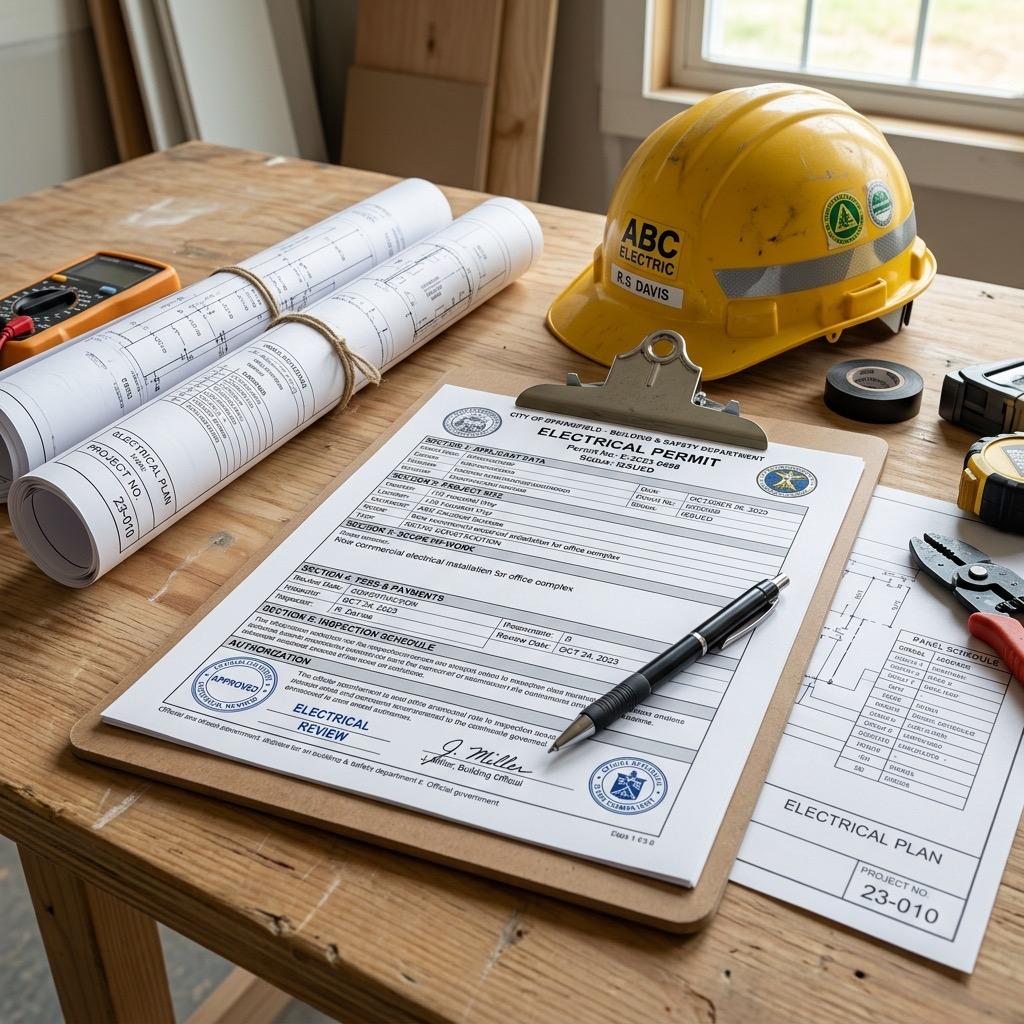
Electrical Permit Costs by County: Fairfax, Loudoun, Prince William, Arlington
Exact electrical permit fees for every major Northern Virginia county, how the fee structures work, what triggers a permit, and what to expect during the inspection process in 2026.
8 min read
Read 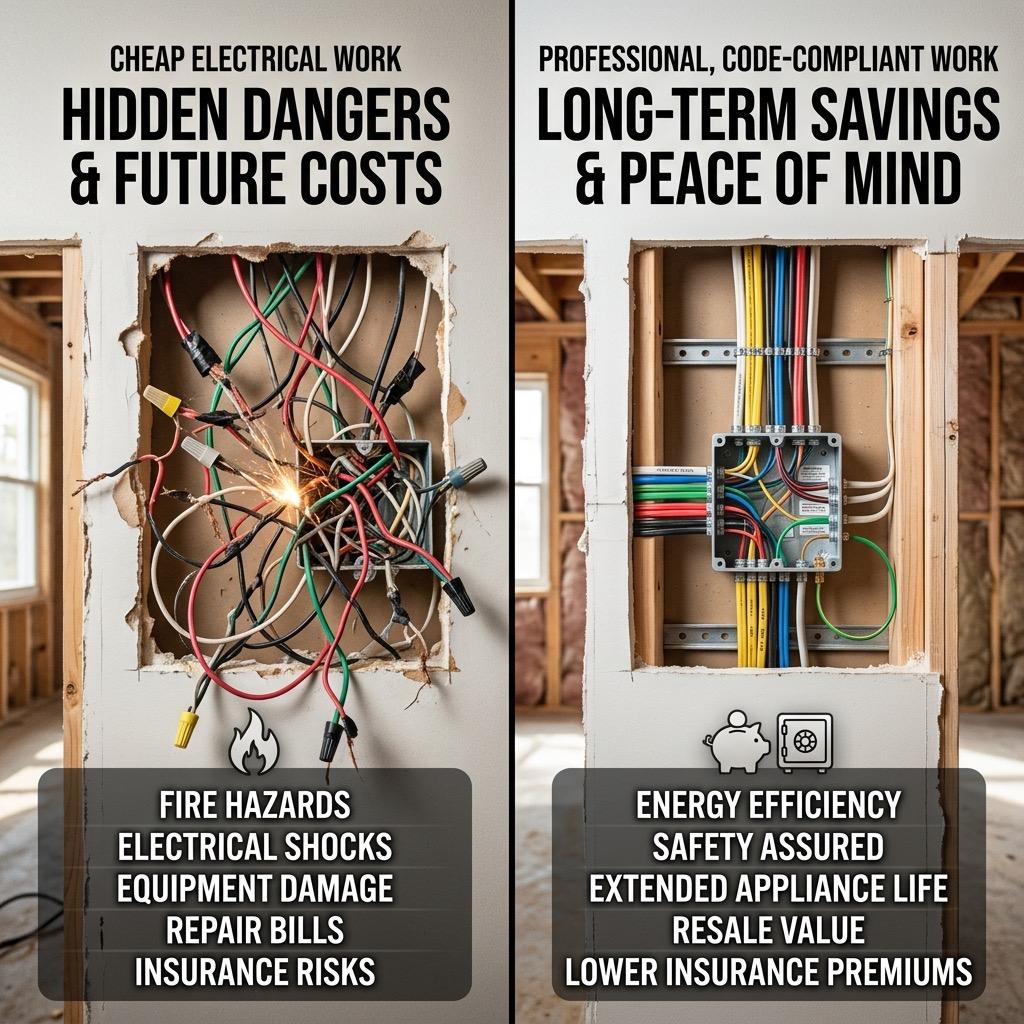
Hidden Costs of Electrical Work: What Northern Virginia Homeowners Should Know
The quoted price is rarely the final price for electrical work. Learn the 12 most common hidden costs in Northern Virginia electrical projects and how to protect yourself before signing any contract.
8 min read
Read 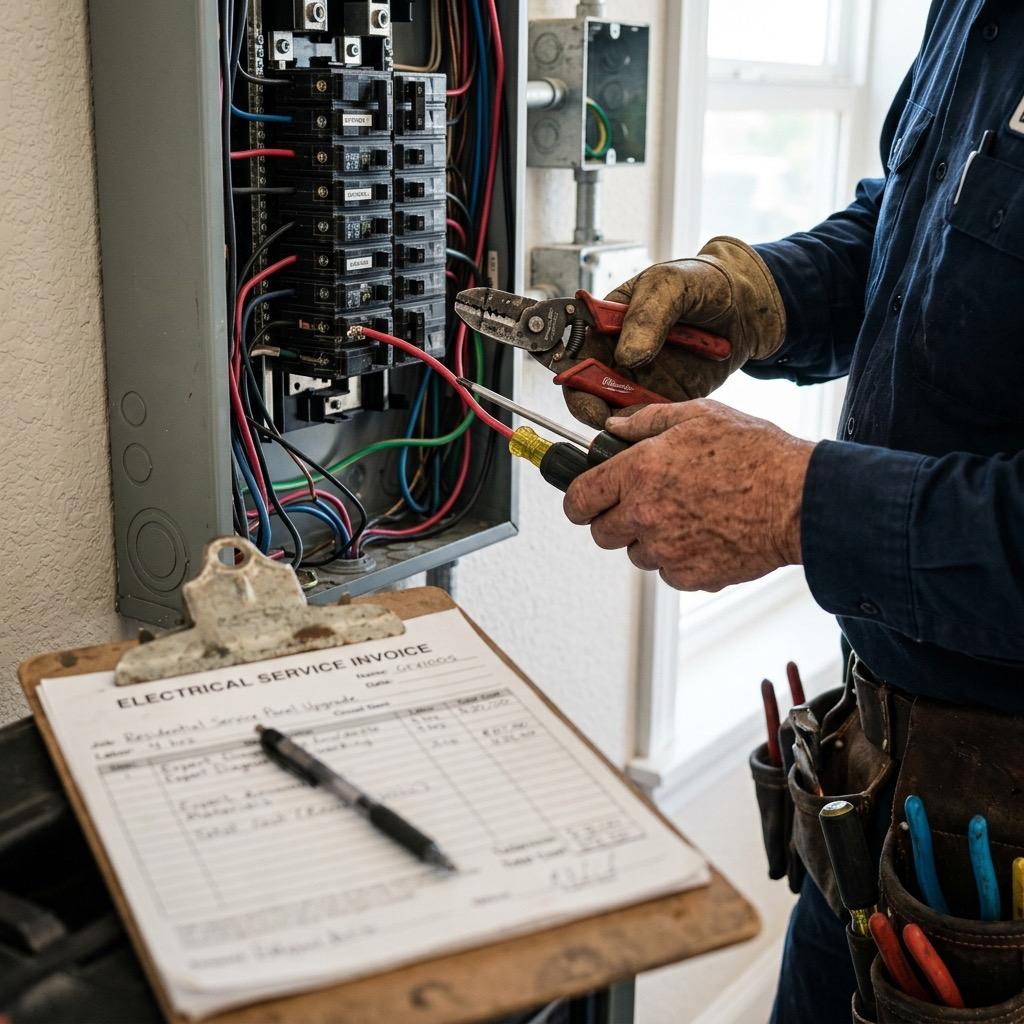
Electrician Hourly Rates in Virginia: How to Compare the Full Cost
Compare minimum charges, diagnostic time, project scope and warranty terms. Includes AJ Long Electric’s published rates and free-estimate policy.
4 min read
Read 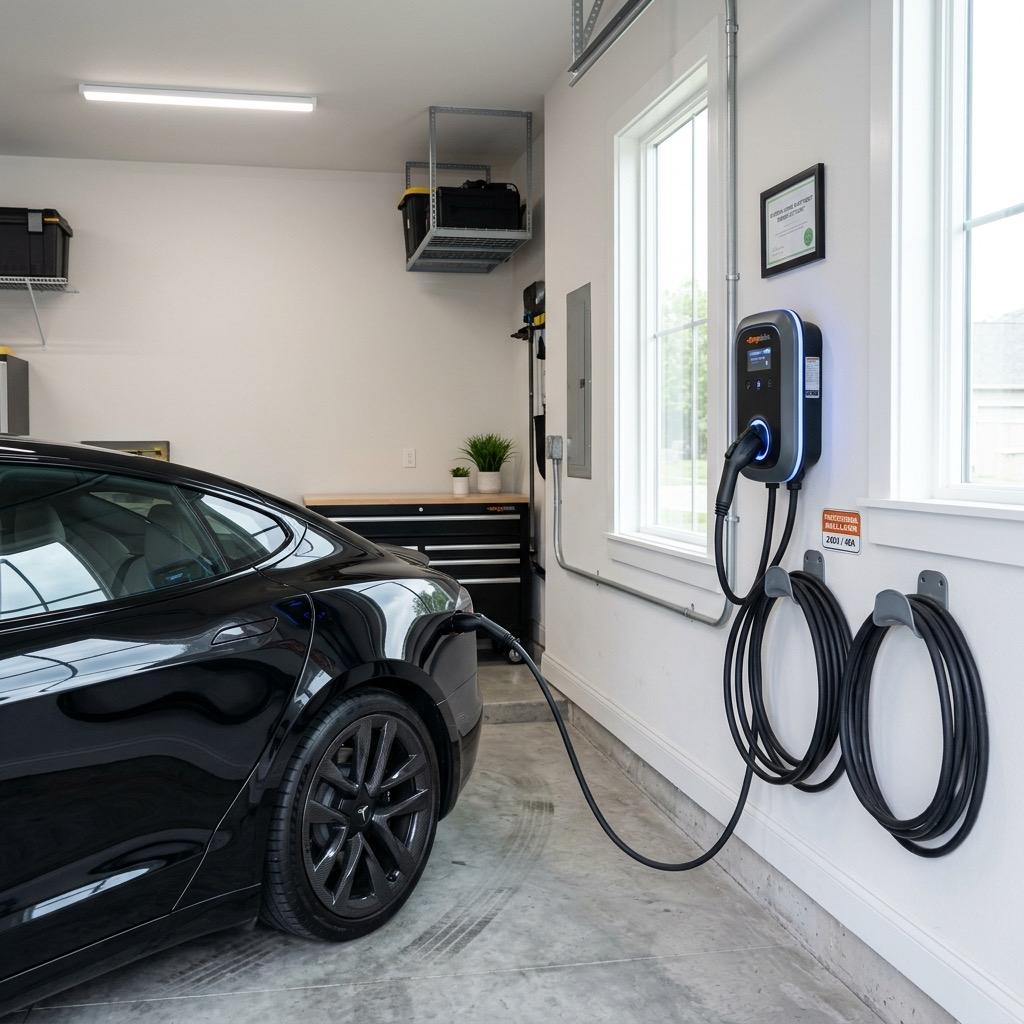
EV Charger Installation Cost in Northern Virginia: Level 1 vs Level 2 vs Level 3
Residential Level 2 pricing, panel-capacity decisions, equipment responsibility, and the current Section 30C status for Northern Virginia homeowners.
8 min read
Read 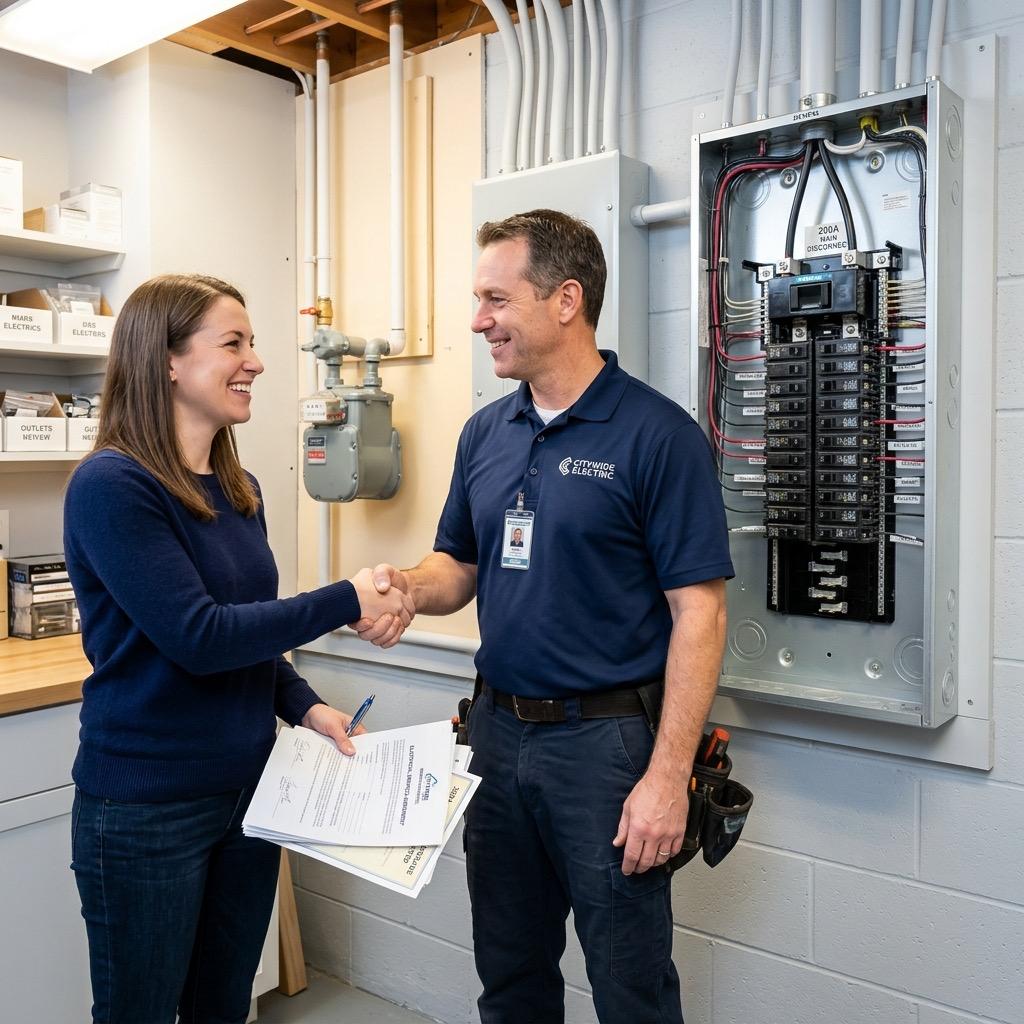
Panel Upgrade Cost in Fairfax, Arlington & Loudoun: Planning Guide
Plan a Northern Virginia 200-amp panel upgrade within the published $3,500–$7,500 range and learn which site, utility, permit, and access details determine the written scope.
8 min read
Read 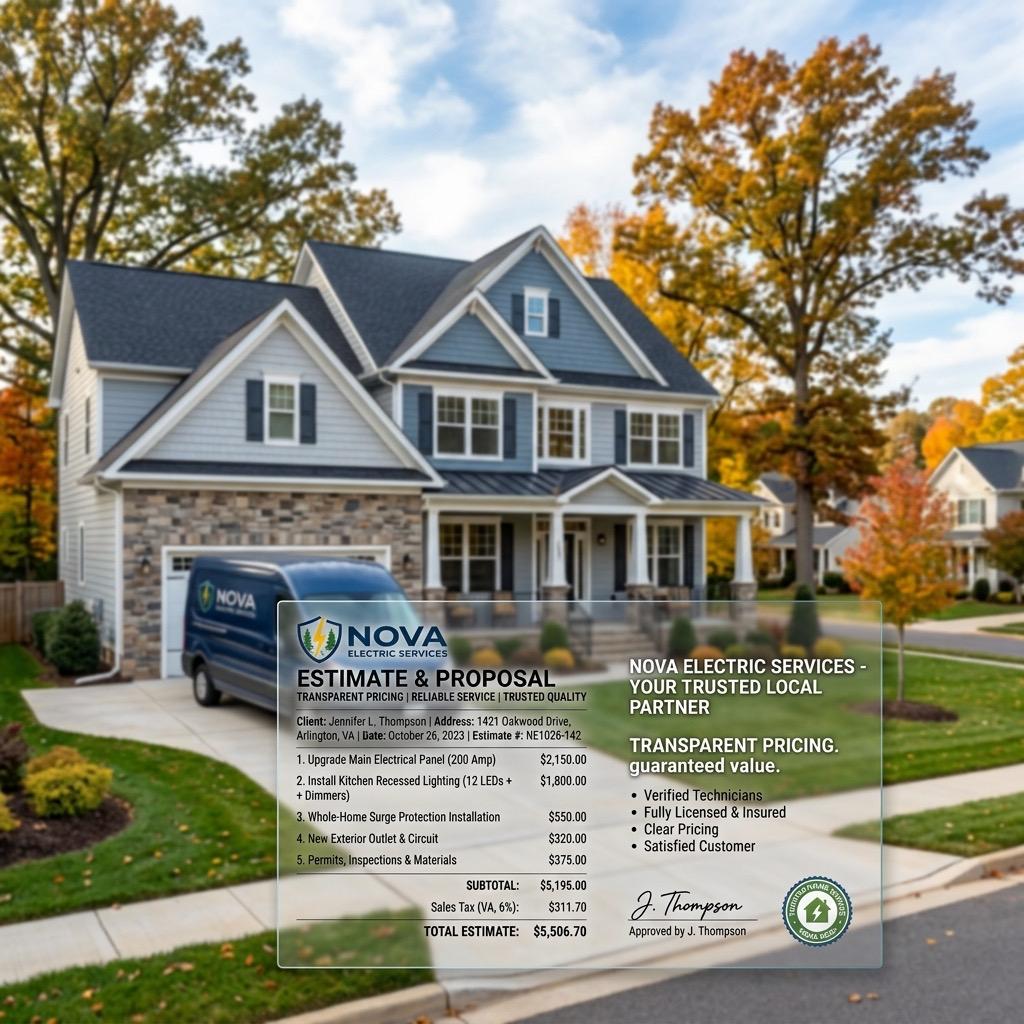
2026 Electrical Service Costs in Northern Virginia: Complete Price Guide
Get the most current 2026 pricing data for every major electrical service in Northern Virginia, from outlet installation to full rewires. Specific costs for Fairfax, Arlington, Loudoun, and Prince William counties.
8 min read
Read 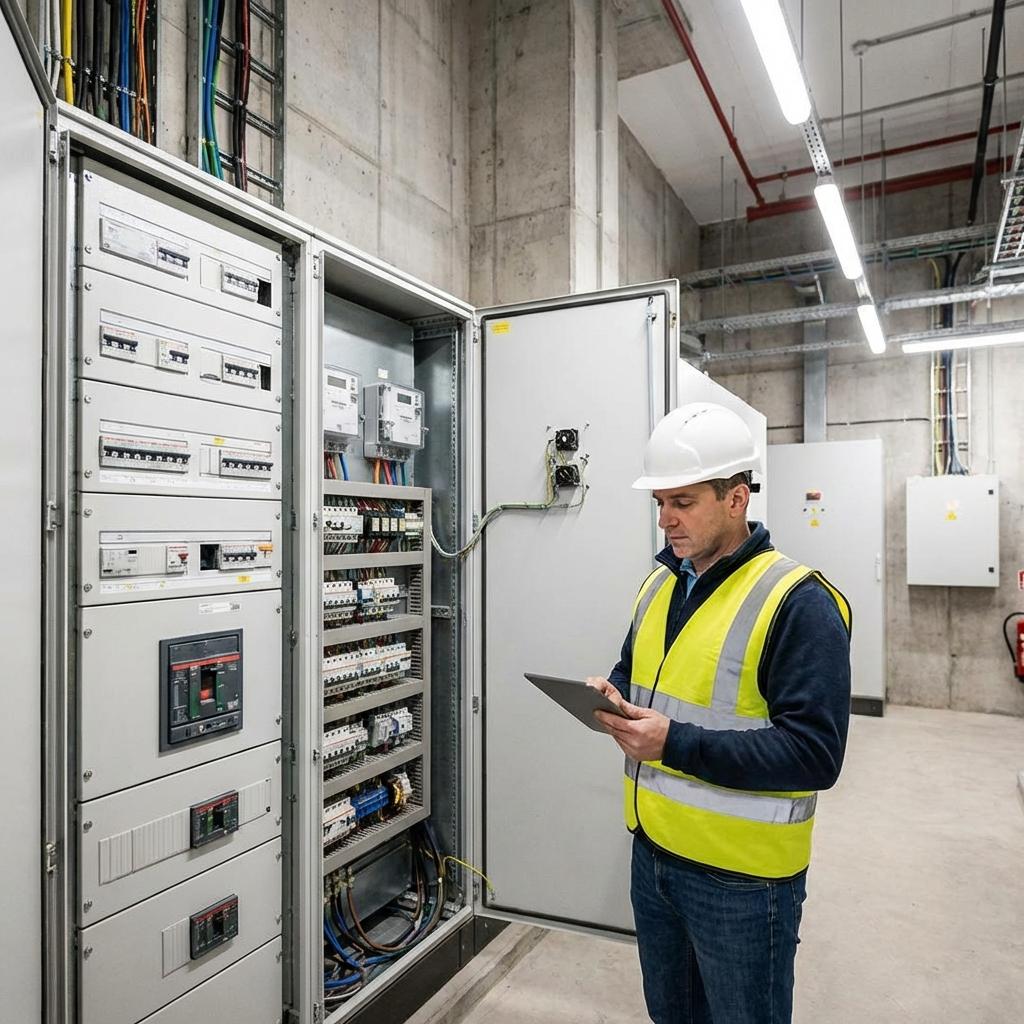
Commercial Electrical Pricing: What Business Owners Should Know
Commercial electrical work is priced differently than residential. Learn about tenant improvement costs, service upgrades, and maintenance contracts.
6 min read
Read 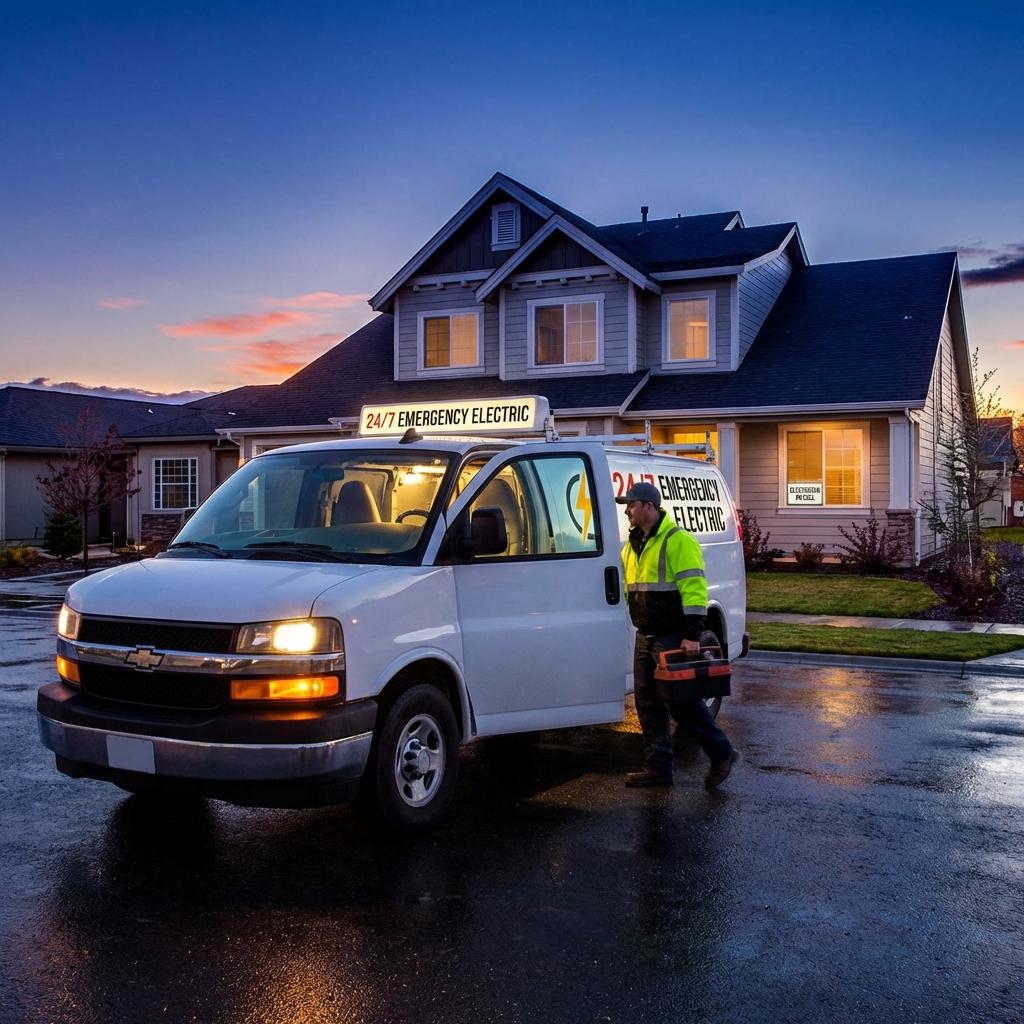
Emergency Electrical Service Rates: What to Expect 24/7
Emergency electrical calls cost 1.5x to 2x standard rates. Learn when emergency service is necessary and how pricing works.
6 min read
Read 
Insurance and Electrical Work: How Your Policy Affects Costs
Understand how electrical upgrades impact insurance premiums and what your policy covers for electrical damage.
7 min read
Read 
Financing Electrical Upgrades: Options for Homeowners
Major electrical work can be financed through home equity, personal loans, or contractor financing. Learn your options.
7 min read
Read 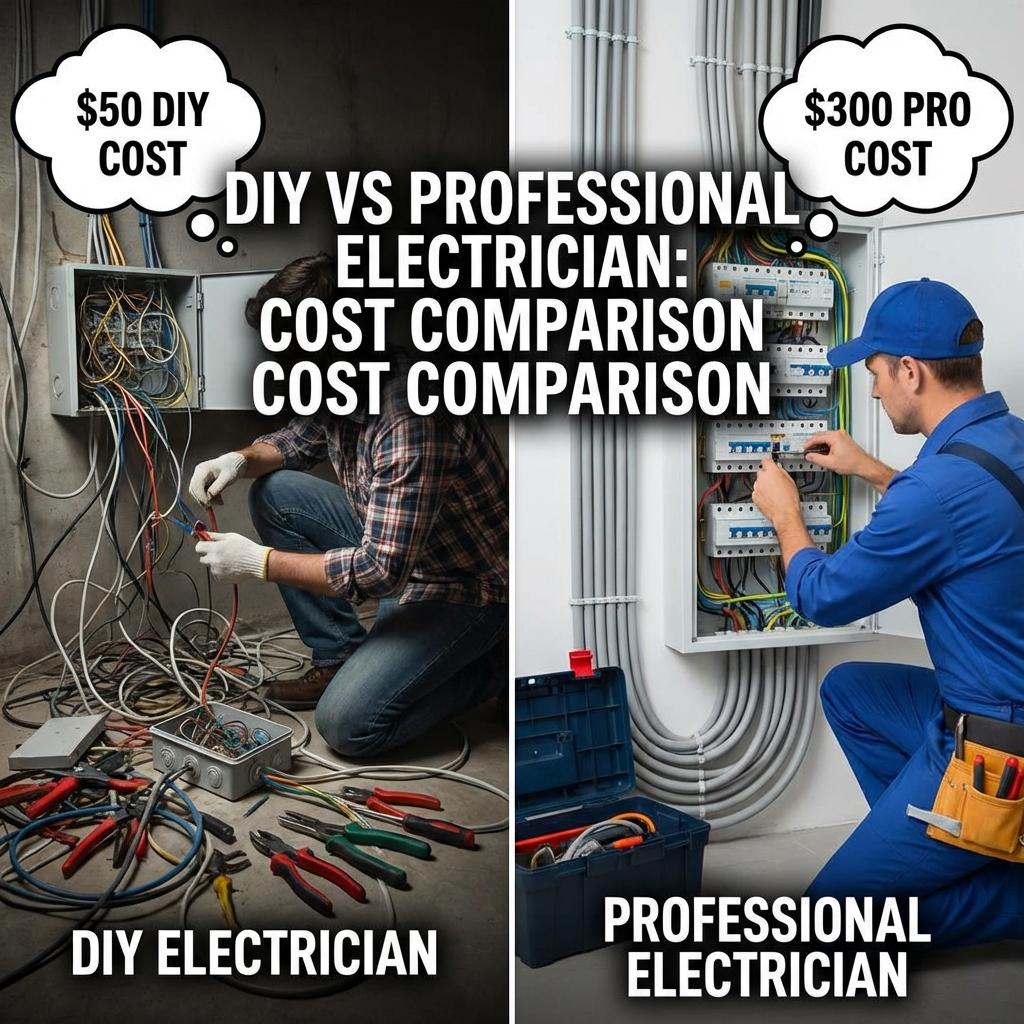
DIY vs. Professional Electrician: Real Cost Comparison
While DIY electrical work seems cheaper, the hidden costs and risks often make professional installation the better value.
6 min read
Read 
Hidden Costs in Electrical Work: What Contractors May Not Tell You
Avoid surprise charges by understanding common hidden costs in electrical projects, from discovery fees to code upgrades.
7 min read
Read 
How to Get Accurate Electrical Quotes: Homeowner Guide
Learn how to request, compare, and evaluate electrical quotes to ensure you get fair pricing and quality work.
7 min read
Read 
Electrical Permit Fees by County: Northern Virginia Guide
Electrical permits in Fairfax, Arlington, and Loudoun counties cost $75-$300. Learn the fee structure for each jurisdiction.
7 min read
Read 
Whole House Rewiring Cost: What to Expect for Your Home
Rewiring a house costs $8,000-$30,000 depending on size and complexity. Understand what drives pricing for this major electrical upgrade.
6 min read
Read 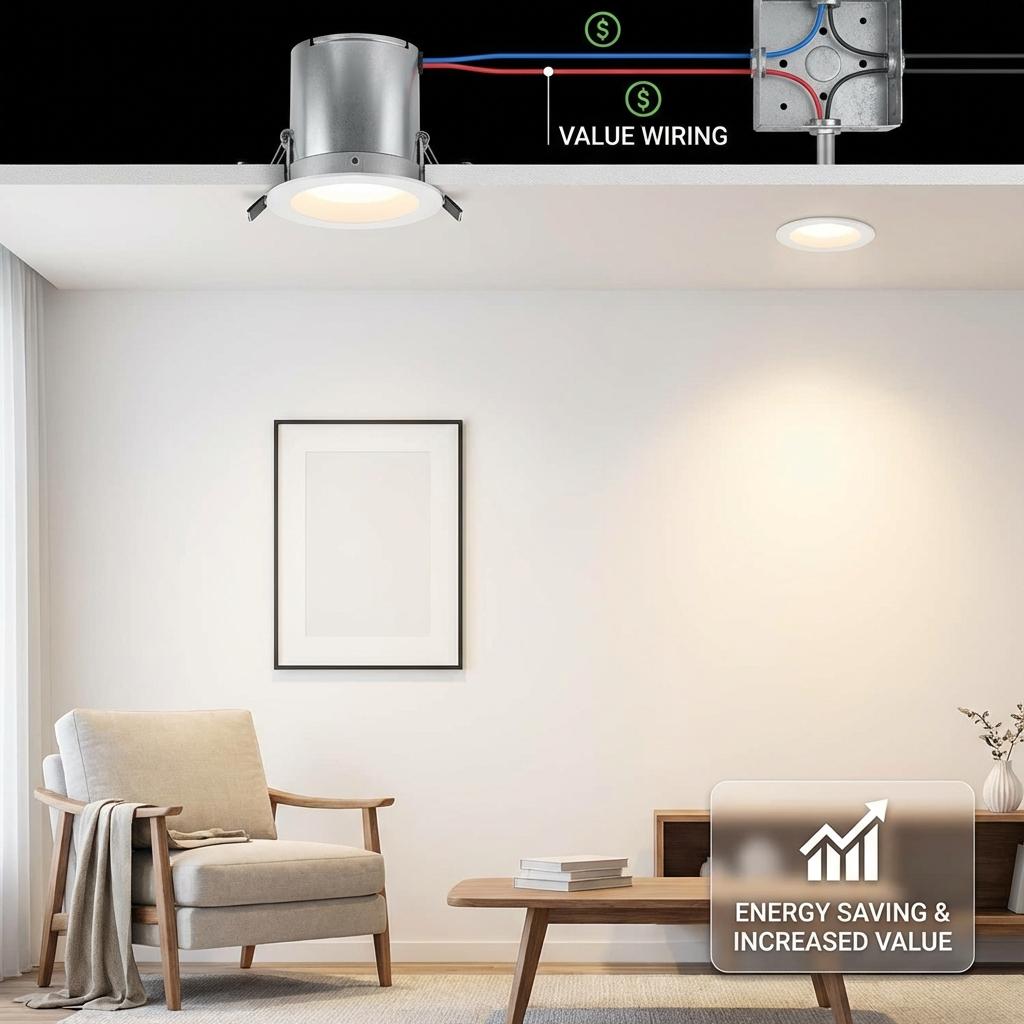
Recessed Lighting Installation Costs: Room-by-Room Pricing
Recessed lighting costs $150-$300 per light installed. Learn how to budget for your kitchen, living room, or whole-home installation.
7 min read
Read 
Electrical Repair Costs: Diagnosis, Time and Scope
Understand AJ Long Electric repair pricing, what affects diagnostic time, and how a repair appointment differs from a free project estimate.
4 min read
Read 
Backup Power Installation Costs in Virginia: Portable Hookups & Battery Stations
A complete portable-generator hookup is $900–$2,500 in Virginia; portable and whole-home battery systems use separate published ranges. Compare backup-power scope and pricing.
6 min read
Read 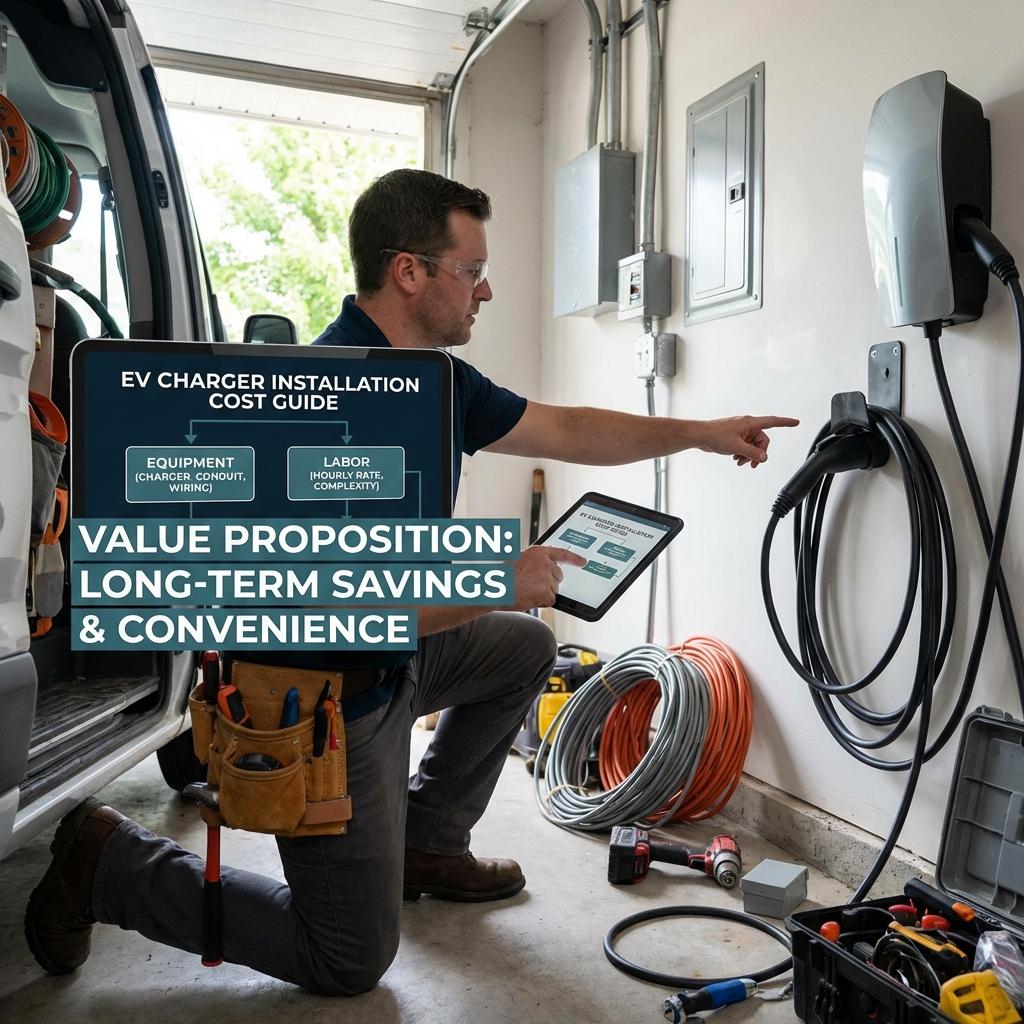
EV Charger Installation Pricing Guide: Complete Cost Analysis
A typical Level 2 circuit and hookup in Northern Virginia is $1,200–$3,500; only long, detached, outdoor, trenched, or otherwise complex routes reach $1,200–$4,500. EVSE hardware is separate.
6 min read
Read 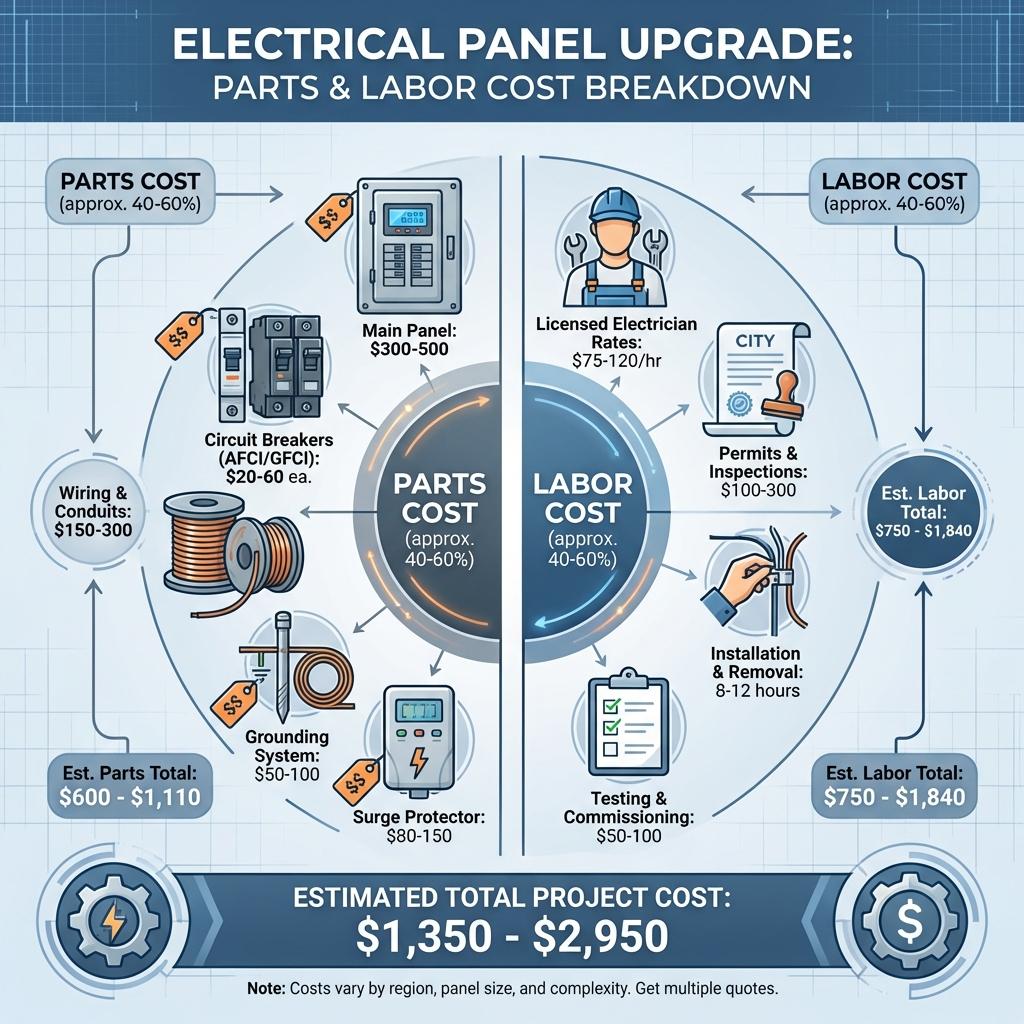
Electrical Panel Upgrade Cost Breakdown: What to Expect in 2024
A 200-amp panel upgrade in Northern Virginia costs $3,500-$7,500 depending on amperage and complexity. Get a detailed breakdown of all costs involved.
6 min read
Read 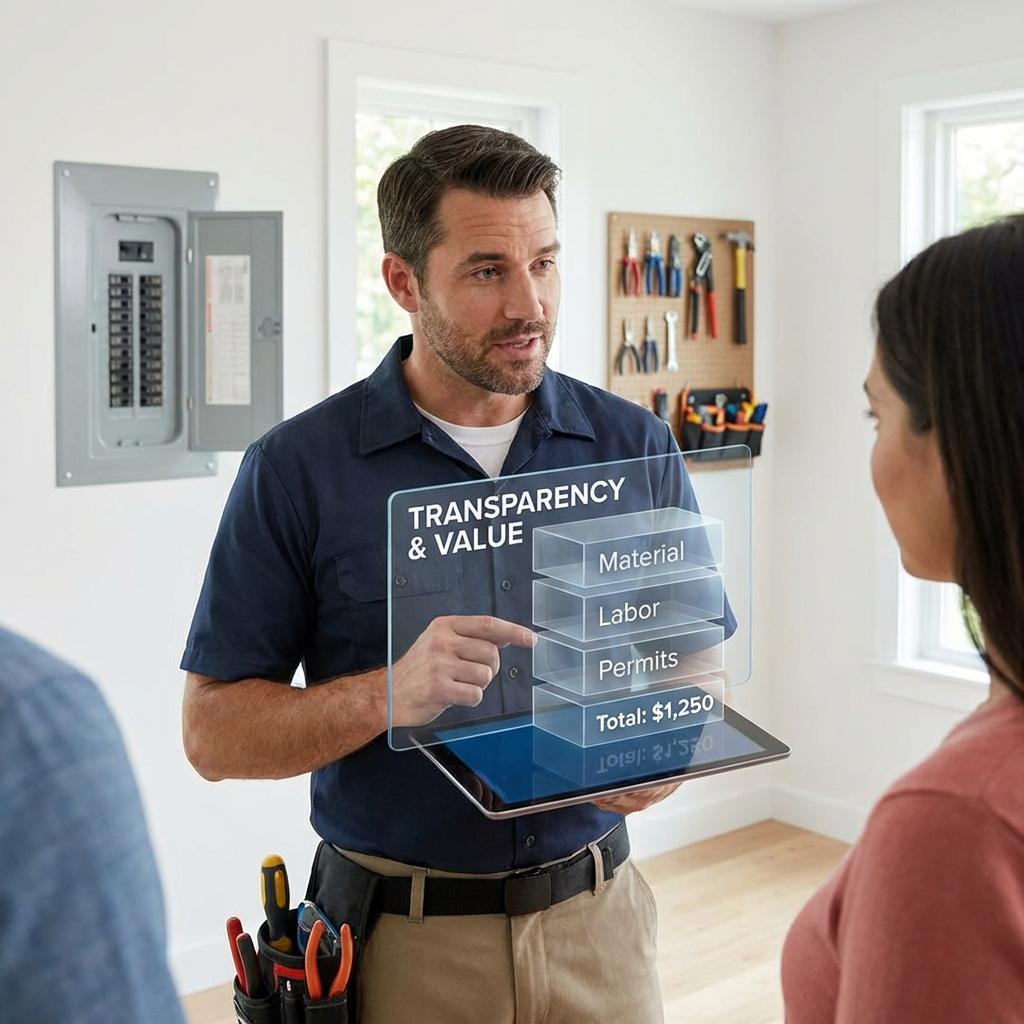
Electrician Rates in Northern Virginia: Estimates, Diagnostics and Project Pricing
AJ Long Electric diagnostics and repairs start at $195 for 30 minutes, then $60 per additional 15 minutes. Learn how time-based repairs differ from free project estimates.
4 min read
Read Explore Other Topics
Find more helpful articles in our other categories.
EV Charging
EV charging covers the Level 2 home chargers and circuits that recharge an electric vehicle from your own garage or driveway. These guides walk Northern Virginia drivers through charger selection, the dedicated 240-volt circuit and panel capacity a home charger needs, permitting, and the install costs to expect. A typical Level 2 setup adds roughly 25 to 40 miles of range per hour of charging.
Panel Upgrades
A panel upgrade replaces an undersized or outdated electrical panel with a modern service that safely powers today's larger loads. These homeowner guides explain when an upgrade is required, how to move from 100-amp to 200-amp service, the warning signs of failing or obsolete panels, and what permitting and inspection involve. Northern Virginia 200-amp upgrades are published at $3,500–$7,500, depending on service, access, and documented extras.
Home Safety
Electrical home safety is the set of practices and devices that prevent shock, fire, and arc-fault hazards in a house. These guides cover GFCI and AFCI protection, smoke and carbon-monoxide detectors, overloaded circuits, aluminum wiring, and the inspections that catch problems early. Faulty wiring contributes to an estimated 45,000 home fires in the U.S. each year, which is why proactive checks matter.
Smart Home
Smart home technology connects lighting, outlets, thermostats, and security to app or voice control through reliable, code-compliant wiring. These articles explain smart switches and dimmers, whole-home automation hubs, structured low-voltage cabling, and the electrical groundwork a dependable smart home needs. Done right, a connected home can trim lighting and HVAC energy use by 10 to 15 percent.
Commercial
Commercial electrical work covers the power systems, lighting, and code compliance that keep offices, retail spaces, restaurants, and multi-unit buildings running. These articles address three-phase service, panel and subpanel design, dedicated circuits for commercial equipment, emergency and exit lighting, and the permitting and NEC inspections that commercial properties must pass. Most commercial projects in Northern Virginia must meet the National Electrical Code on a roughly three-year update cycle, so staying current protects both safety and your certificate of occupancy.
Energy Efficiency
Electrical energy efficiency is the practice of cutting wasted power through better lighting, smarter controls, and well-sized circuits. These guides cover LED retrofits, dimmers and occupancy sensors, energy monitoring, and load management that lowers your bill without sacrificing comfort. Switching from incandescent to LED lighting alone can reduce that lighting load by up to 75 percent.
Generators
Home backup power comes in two practical forms: a portable generator connected safely through a transfer switch, interlock kit, or inlet box, and a battery power station that stores electricity without combustion exhaust. These guides explain generator backfeed and carbon-monoxide precautions, battery sizing in kWh and watts, and the electrical permitting an installation requires. Battery placement, clearance, operating conditions, transfer behavior, and supported loads must follow the exact equipment listing, manufacturer instructions, and approved design.
Lighting
Lighting design pairs the right fixtures, layers, and controls to make a space both functional and inviting. These articles cover interior and exterior lighting, recessed and accent fixtures, landscape and security lighting, dimming systems, and energy-efficient LED upgrades. A well-planned layout typically blends three layers of light, ambient, task, and accent, to balance comfort and utility.
Seasonal
Seasonal electrical care is the year-round maintenance that keeps a home's wiring, outlets, and outdoor circuits safe through changing weather. These guides cover holiday lighting loads, storm and outage preparation, surge protection, and warm- and cold-weather inspections tuned to the Mid-Atlantic climate. A few targeted seasonal checks each year head off the outages and hazards that peak during DMV summer storms and winter cold snaps.
Local Services
Local services are the city- and neighborhood-specific electrical guides for homeowners across Northern Virginia and the greater DMV. These articles cover permitting and inspection rules by jurisdiction, common wiring issues in older local housing stock, and what to expect from a licensed electrician in your community. AJ Long Electric serves more than two dozen cities and towns across Northern Virginia, Maryland, and Washington, D.C.
Comparisons
Comparison guides weigh competing electrical products and approaches side by side so you can choose with confidence. These articles contrast options like 100- versus 200-amp service, hardwired versus plug-in EV chargers, portable generators versus battery power stations, and LED versus traditional lighting, with the trade-offs in cost, safety, and performance laid out plainly. Each comparison names the scenario where one option clearly wins so the decision is straightforward.
FAQ
This FAQ collection gives direct, in-depth answers to the electrical questions Northern Virginia homeowners ask most. The articles explain code requirements, safety concerns, project timelines, permitting, and when to call a licensed electrician, written so a homeowner can act on the answer. Every answer reflects current National Electrical Code guidance and real field experience from licensed DMV electricians.
Related Services
Ready to move from reading to results? Our licensed Northern Virginia electricians handle the work covered in these guides — permitted, inspected, and warrantied.
Ready for Professional Electrical Service?
Our licensed electricians are ready to help with any electrical project in Northern Virginia.