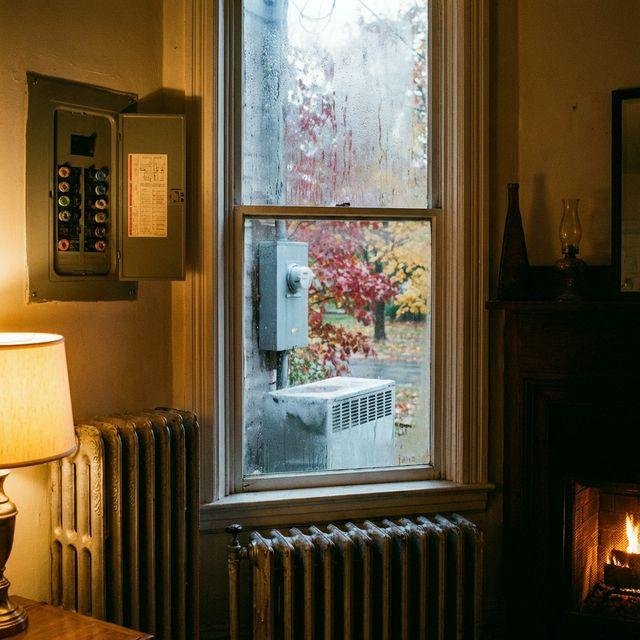

Winterizing outdoor electrical equipment is not a single shutdown routine. Your patio fountain may be stored, while a heat pump, security light or freeze-protection system must remain available. Start with a short equipment list so a well-intended switch-off does not disable something your home still needs.
Make an operating and storage plan
Walk the property in daylight and dry conditions. Note the equipment, its location, whether it is staying in use and where its instructions are kept. Include detached structures and less obvious items such as pond equipment, gate operators and outdoor receptacles used for seasonal decorations. Do not assume an unlabeled switch serves only the nearest device.
| Equipment | Winter decision | Information to keep |
|---|---|---|
| Path and security lighting | Keep needed routes lit; review timer settings | Fixture locations, control model and any intermittent faults |
| Portable patio equipment | Store or protect exactly as its manual allows | Model, storage conditions and damaged items to retire |
| Heat pump | Keep operating airflow clear; follow manufacturer guidance | Model and HVAC service contact |
| Pond, irrigation or freeze protection | Confirm the seasonal procedure before disconnecting anything | Installer instructions and which equipment must remain energized |
Look at covers and surroundings without opening equipment
From outside the enclosure, look for a cracked cover, a missing lid, obvious corrosion or a cable damaged by yard work. A cover should suit the way the outlet is used, including weather exposure while a plug is connected. A plastic bag or tape around a damaged enclosure is not a replacement for a suitable cover and repair.
Request an Estimate from AJ Long Electric
Whether it is a simple repair or a major electrical project, our licensed team is ready to help. Serving all of Northern Virginia with transparent pricing and expert workmanship. Call (571) 444-6886 today.
Keep leaves and stored items from accumulating around electrical equipment. Do not pack insulation into boxes, caulk over drainage openings or remove covers to inspect terminals. Water entry can involve the fixture, cable entry, mounting surface or enclosure; sealing the visible gap without identifying the cause can trap moisture.
If equipment is wet, submerged, sparking or visibly damaged, keep away and arrange qualified evaluation. Do not test whether it still works by turning it on. For fire, smoke or a downed line, move away and contact emergency services or the utility as appropriate.
Test protection according to the device instructions
Use the manufacturer’s test procedure only with dry, accessible and undamaged equipment. For example, Leviton’s GFCI guidance calls for monthly manual testing. A seasonal reminder does not replace that schedule. Record any unexpected result for an electrician.
A receptacle without buttons may receive protection from another device upstream. If you do not know which device protects it, ask for that to be identified. Repeated trips after rain need investigation; moving the load to an unprotected outlet bypasses the warning without correcting its cause.
Do not cover or shut down an operating heat pump
A heat pump can run through winter. An air-conditioning-only unit may have different off-season instructions, so appearance alone is not enough to choose a procedure. Trane’s winter guidance explains why airflow around an operating heat pump must remain clear and solid covers can interfere with operation. Use only accessories and clearance practices approved for your equipment.
Have an HVAC professional address abnormal ice accumulation or operating problems. Do not chip ice from the unit, open its electrical disconnect enclosure or assume every outdoor condenser should have its power turned off for the season.
Store temporary cords and keep the useful records
Before putting portable equipment away, disconnect it according to its instructions and inspect the accessible cord and plug. Separate damaged items from usable ones so they are not brought back next spring. Keep labels and manuals with equipment rather than relying on memory about an interchangeable-looking power supply.
Recurring winter use deserves a permanent plan. If a heater, tool or holiday display always needs a cord through a doorway, record where power is actually needed and request an installation estimate. The seasonal display guide helps organize equipment ratings without assuming a universal connection limit.
Prepare one focused service request
Include the equipment list, safe exterior photos, when the symptom occurs and what work you want completed. Separate existing faults from improvements such as new outlets or lighting controls. You can request diagnostic service or a free project estimate; this lets us prepare for the actual task rather than guessing from “winterize everything.”