Understanding EV Charging Levels
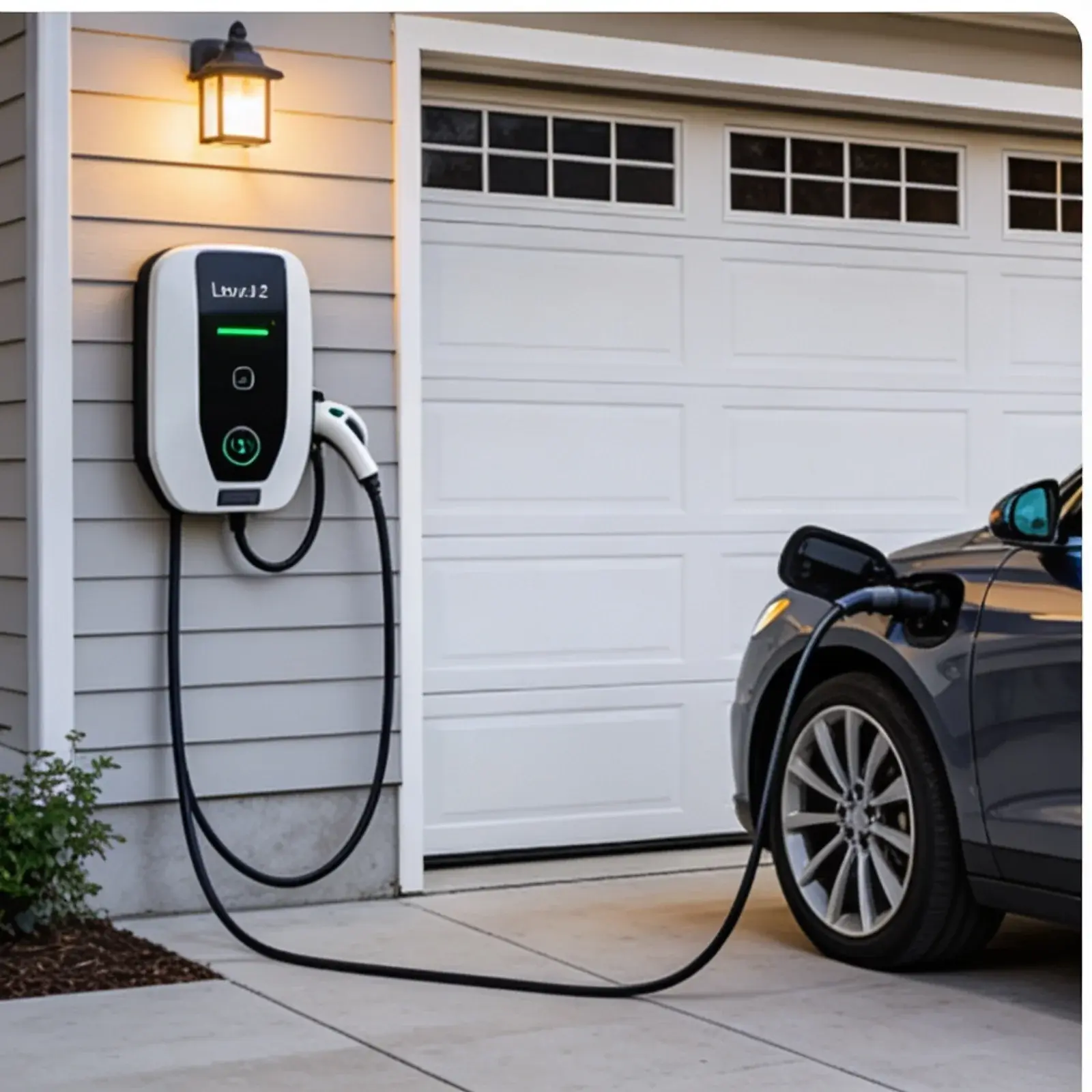
Before diving into preparation, it's important to understand the different EV charging levels. Level 1 charging uses a standard 120V household outlet and adds about 3-5 miles of range per hour. While convenient for plug-in hybrids, it's impractical for full EVs. Level 2 charging uses 240V power (like your dryer or oven) and can add 25-40 miles of range per hour, making it the preferred choice for home charging. Level 3 (DC Fast Charging) is commercial-only and not available for residential installation.
Assessing Your Electrical Panel
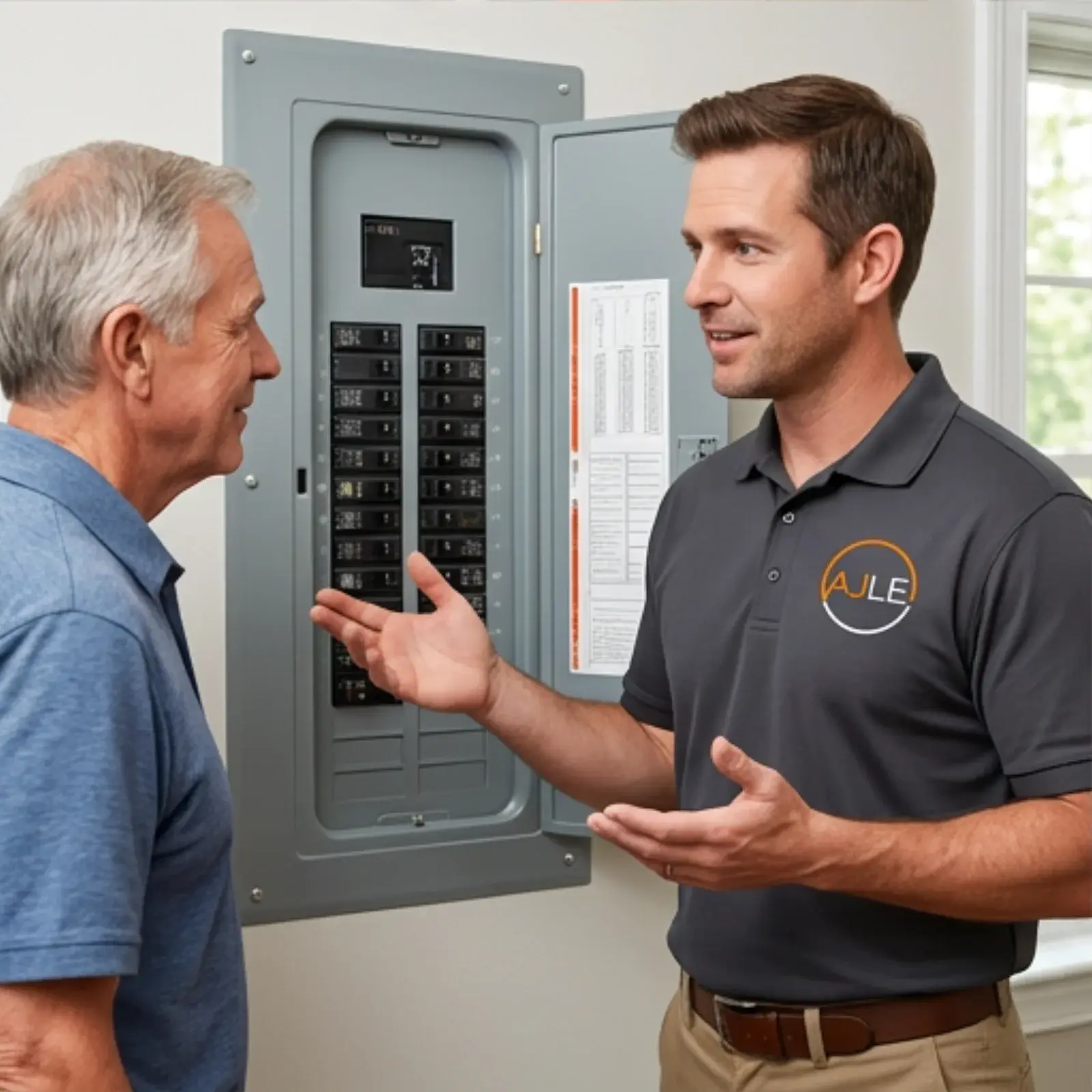
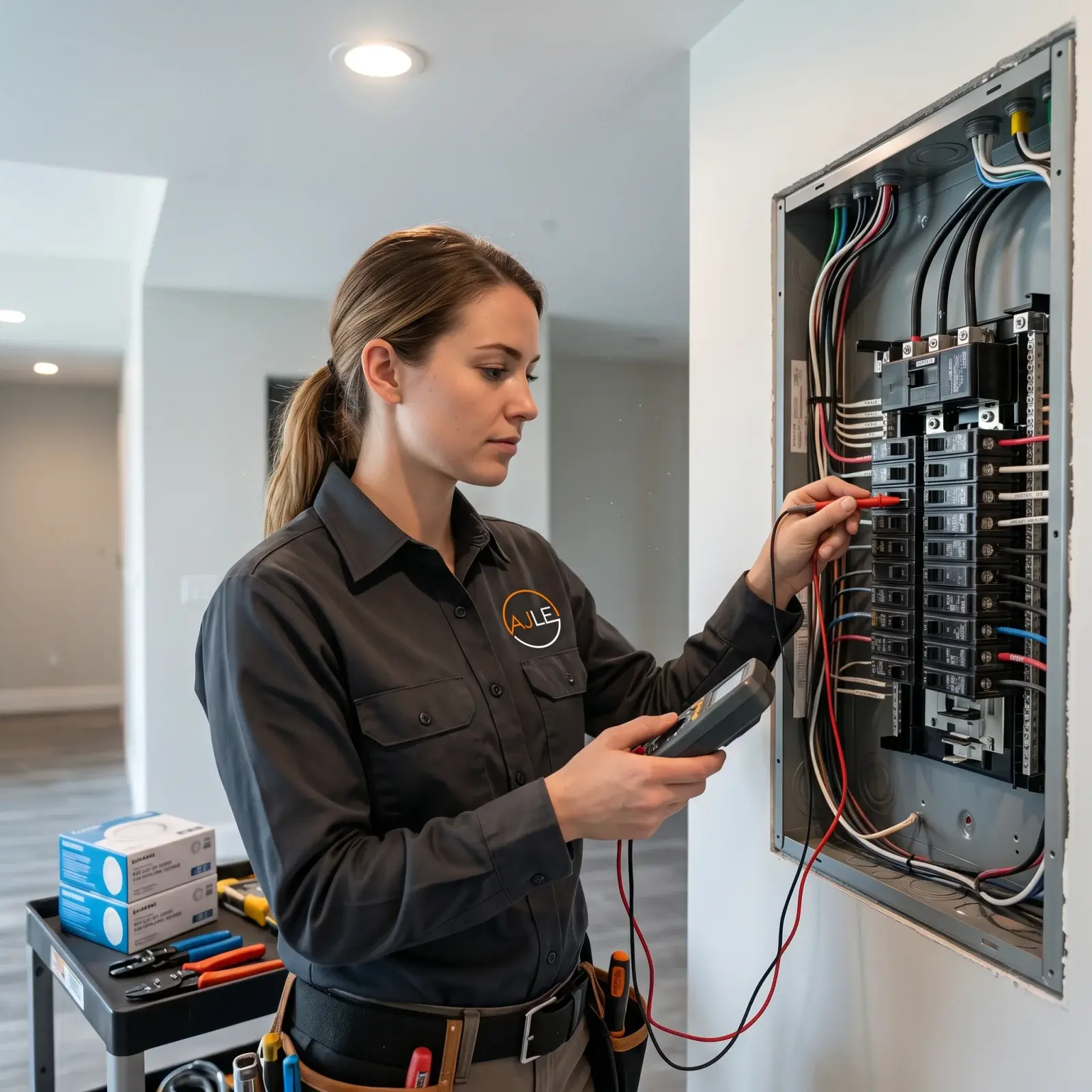
Your electrical panel is the starting point for any EV charger installation. Most Level 2 chargers require 40-50 amps of dedicated circuit capacity. If your home has a 100-amp panel that's already near capacity, you may need an upgrade to 200 amps. Look at your current panel: Are there open breaker slots? What's the main breaker rating? A qualified electrician can perform a load calculation to determine if your panel can handle the additional demand.
Choosing the Optimal Charging Location
The location of your EV charger affects both installation cost and daily convenience. Consider where you typically park your vehicle. Garage installations are most common and protect the equipment from weather. If you park outside, you'll need a NEMA 4 rated outdoor enclosure. The distance from your electrical panel to the charger location directly impacts installation cost due to wiring requirements. Every additional foot of wire run adds to the project cost.
Permits and Inspections
In Northern Virginia, EV charger installations require electrical permits. Fairfax County, Arlington, and other jurisdictions have specific requirements that must be met. A licensed electrician handles the permit application, ensures the installation meets code, and schedules the required inspection. Never skip permits - unpermitted work can create insurance issues and problems when selling your home.
Selecting Your EV Charger
Popular home EV chargers include the Tesla Wall Connector (for Tesla owners), ChargePoint Home Flex, JuiceBox, and Grizzl-E. Key features to consider include amperage (higher amps = faster charging), smart features (app control, scheduling, energy monitoring), cord length, and warranty. For most homeowners, a 48-amp charger provides the best balance of charging speed and installation cost.
Step-by-Step Guide
Tools Needed
- Tape measure
- Flashlight
- Camera or phone for photos
Supplies Needed
- Your chosen EV charger
- Any required mounting hardware (usually included)
Estimated Time: Project-specific after route, access, equipment, panel, permit, and inspection review
Evaluate Your Electrical Panel
Check your panel capacity and available breaker slots. Look for the main breaker rating (typically 100, 150, or 200 amps) and count available slots for new circuits.
Tips:
- • Take a photo of your panel for reference
- • Note any existing 240V circuits
Warnings:
- • Never remove panel cover unless power is off
- • If panel looks damaged or corroded, call a professional immediately
Choose Your Charging Location
Determine where you want the charger installed. Measure the distance from your electrical panel to this location.
Tips:
- • Consider cord length of your chosen charger
- • Garage wall nearest to panel is typically most cost-effective
Select Your EV Charger
Research and purchase your preferred EV charger. Consider amperage, features, and compatibility with your vehicle.
Tips:
- • Check for utility rebates before purchasing
- • Buy from authorized retailers for warranty protection
Schedule Professional Installation
Contact a licensed electrician for installation. They will verify panel capacity, obtain permits, and complete the installation to code.
Tips:
- • Get multiple quotes
- • Ask about experience with EV charger installations
Warnings:
- • EV charger installation should only be performed by licensed electricians
Prepare for Installation Day
Clear the installation area and ensure access to the panel. Use the field-work window in the written proposal; it is set from the route, wiring method, access, equipment, and any panel work.
Tips:
- • Move vehicles out of the garage
- • Have your EV charger ready for the installer
Northern Virginia Considerations
Code Requirements
Virginia electrical code requires dedicated circuits for EV chargers. GFCI protection may be required for certain installations. All work must be performed by a licensed electrician.
Permit Information
Fairfax County requires electrical permits for EV charger installations. Review and inspection timing depends on the jurisdiction's current queue and the documented scope.
Typical Costs
$1,200–$3,500 typical for the circuit and hookup; $1,200–$4,500 only for long, detached, outdoor, trenched, or otherwise complex routes; EVSE hardware separate
Local Tips
Utility programs and rate plans change. Verify current written terms and compare mileage, vehicle efficiency, charging losses, and rate schedule rather than assuming a savings outcome.
Frequently Asked Questions (15)
How much does EV charger installation cost in Northern Virginia?
A Level 2 circuit and hookup in Northern Virginia is $1,200–$3,500 typical. Only long, detached, outdoor, trenched, or otherwise complex routes reach $1,200–$4,500. EVSE hardware is separate, and a required panel upgrade is a separate documented scope.
Do I need a permit for EV charger installation?
Yes, EV charger installations require electrical permits in Fairfax County, Arlington, Alexandria, and all Northern Virginia jurisdictions. A licensed electrician will handle the permit application and inspection scheduling.
Can I install an EV charger myself?
While you can purchase the charger yourself, installation must be performed by a licensed electrician. 240V electrical work requires proper training, permits, and inspections to ensure safety and code compliance.
How long does EV charger installation take?
On-site time depends on circuit length, access, wiring method, outdoor or trench work, panel capacity, and whether separate panel work is required. The written proposal identifies the site assumptions; permit and inspection timing is controlled by the jurisdiction.
Will I need to upgrade my electrical panel for an EV charger?
It depends on your current panel capacity and usage. Homes with 200-amp service typically have sufficient capacity. Older homes with 100-amp service may need an upgrade, especially if the panel is already near capacity.
What amp charger should I get?
Choose the charging output from the vehicle's onboard-charger limit, daily mileage, available charging window, manufacturer instructions, and the home load calculation. Actual range added and time to a target state of charge vary with the vehicle, battery, starting charge, temperature, charging losses, circuit, and equipment.
Can I charge my EV with a regular outlet?
Yes, you can use Level 1 charging with a standard 120V outlet, but it only adds 3-5 miles of range per hour. For daily driving needs, Level 2 charging is strongly recommended.
Should the charger be inside or outside?
Both options work well. Garage installations are most common and protect the equipment. Outdoor installations require weather-rated equipment (NEMA 4 or higher) and may have additional mounting requirements.
Are there rebates available for EV charger installation?
Section 30C is unavailable for property placed in service after June 30, 2026. Verify any current utility program directly before purchasing equipment and consult the IRS or a qualified tax professional about historical eligibility; AJ Long Electric does not provide tax advice.
How far can the charger be from my electrical panel?
There is no code maximum, but longer runs increase installation cost due to additional wiring and potential wire gauge increases. Installations within 50 feet of the panel are most cost-effective.
Can I move my EV charger if I move to a new home?
Hardwired chargers require professional removal and reinstallation. Plug-in chargers (NEMA 14-50) can be unplugged and moved, though the outlet remains at the old home.
What is a NEMA 14-50 outlet?
A NEMA 14-50 is a 240V outlet commonly used for RVs and some EV chargers. It provides flexibility as the charger can be unplugged if needed. Some EV chargers are hardwired instead, connecting directly without a plug.
Will an EV charger increase my electricity bill significantly?
The bill impact depends on miles driven, vehicle efficiency, charging losses, utility rate, and charging schedule. Compare those inputs with the fuel or public-charging alternative; no fixed savings or payback outcome is guaranteed.
Can I install a charger in my condo or apartment?
Possibly. This requires approval from your HOA or property management, and you may need to install a dedicated meter. Our team can help navigate the approval process and technical requirements.
How do I choose between different EV charger brands?
Consider charging speed (amps), smart features, warranty, and brand reputation. Tesla Wall Connector is best for Tesla owners. ChargePoint Home Flex and JuiceBox offer excellent universal compatibility and smart features.
Authoritative Sources
- NFPA 70: National Electrical Code (NEC)The NEC is the foundational safety standard for electrical wiring and installation in the U.S.
- Electrical Safety Foundation International (ESFI)Nonprofit dedicated to promoting electrical safety in the home and workplace.
- Fairfax County: Residential Electrical PermitsCounty electrical permit guidance for single-family homes and townhouses; verify the authority from the project address.
- U.S. DOE: Electric Vehicle ChargingFederal reference on EV charging levels and equipment for homes, workplaces, and public sites.