
The question we hear most often about 100-amp vs 200-amp service comes from EV buyers: can the existing service handle a Level 2 charger? A Level 2 charger adds a continuous 7,600-watt load, roughly a third of a 100-amp service's ~24,000-watt capacity, so the answer depends on a load calculation, not guesswork. This guide compares the two service sizes, walks through the math, and explains when a 200-amp upgrade ($3,500-$7,500 in Northern Virginia) makes sense.
Key Takeaways
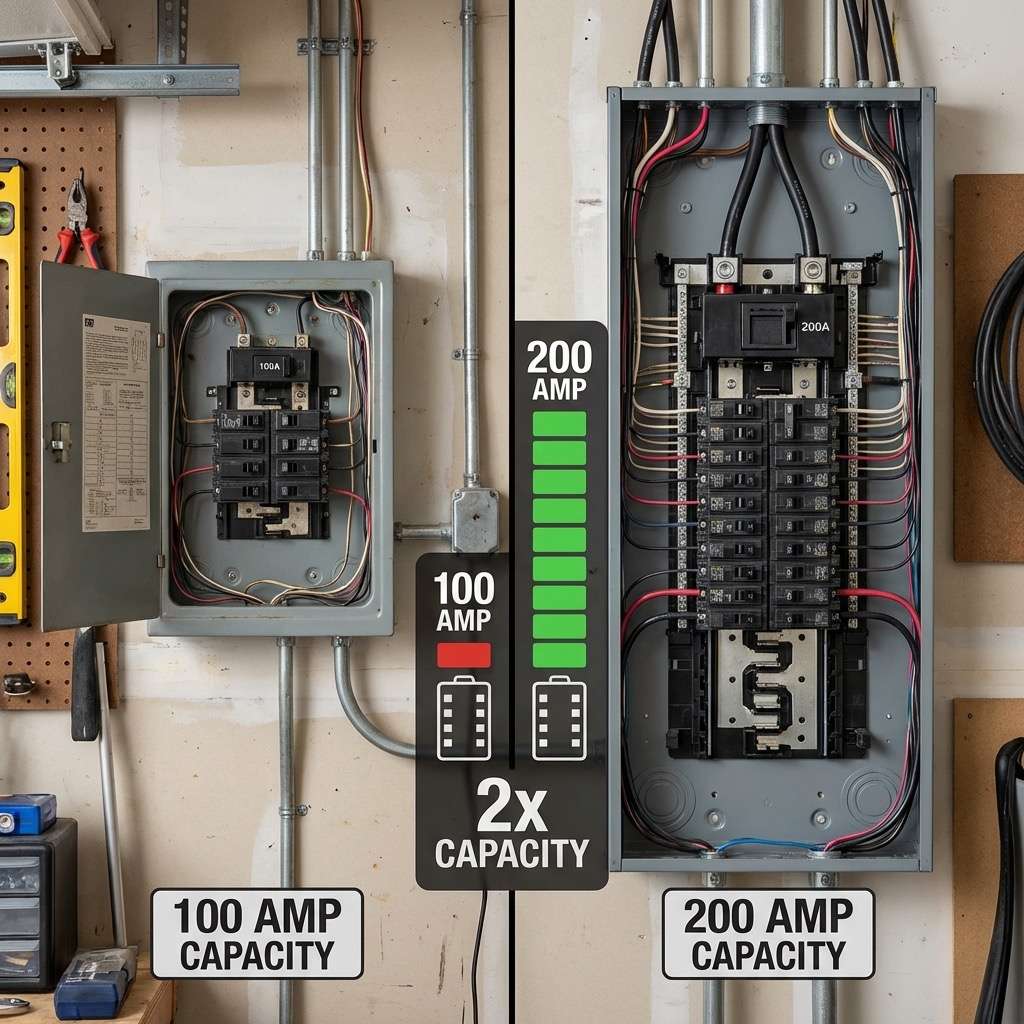
- 100-amp service provides roughly 24,000 watts of capacity; 200-amp provides 48,000 watts, which is double the capacity for modern electrical demands.
- Signs you need an upgrade include frequently tripping breakers, dimming lights when AC kicks on, and no available panel spaces for new circuits.
- Adding an EV charger, heat pump, or whole-home battery backup system to a 100-amp service almost always requires upgrading to 200 amps.
- Expect to invest $3,500-$7,500 for a service upgrade in Northern Virginia, depending on scope and whether underground service is involved.
- Load management devices offer a middle-ground solution for homeowners who need specific capacity (like EV charging) without a full upgrade.
What Do Amps Mean for Your Home?
Amperage measures the capacity of your electrical service, essentially how much current can flow into your home at once. Think of it like a highway: more lanes mean more traffic capacity.
Need a Panel Upgrade?
Outdated or overloaded electrical panels can present safety and capacity concerns. Our team evaluates 200-amp upgrades throughout Northern Virginia and confirms scheduling after reviewing the property. Call (571) 444-6886 to get started.
- 100-amp service: Typical for homes built between 1950-1990. Provides approximately 24,000 watts of capacity.
- 200-amp service: Standard for modern homes. Provides approximately 48,000 watts of capacity.
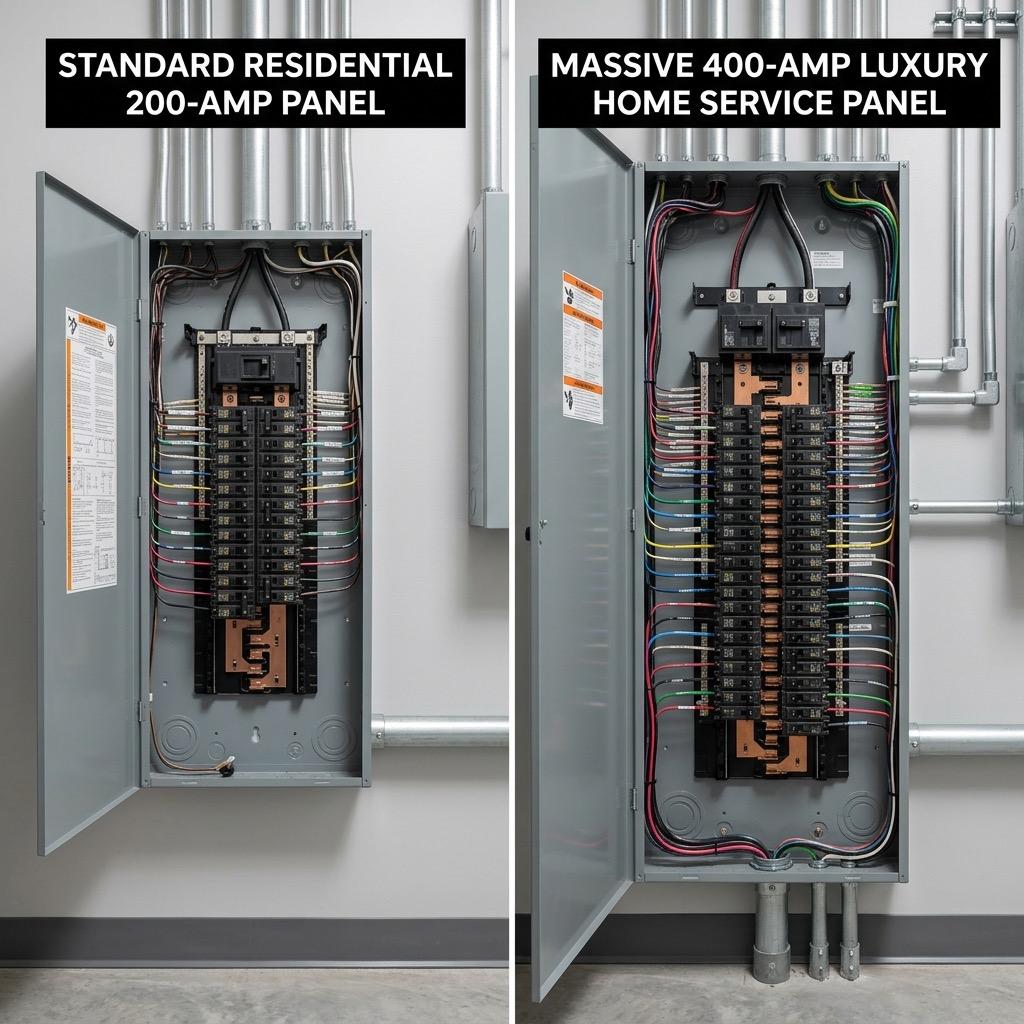
- 400-amp service: Large homes, home businesses, or homes with exceptional electrical demands.
Many homes across the older neighborhoods of Arlington, Falls Church, Vienna, and Fairfax City still have original 100-amp panels. While these were adequate when installed, today's electrical demands have grown significantly.
100 Amp vs 200 Amp: The Comparison
| Factor | 100 Amp | 200 Amp |
|---|---|---|
| Total capacity | ~24,000 watts | ~48,000 watts |
| EV charging | Limited (may need load management) | Full Level 2 capable |
| All-electric home | Challenging | Comfortable |
| Future expansion | Limited | Ample room |
| Backup power readiness | Limited options | Supports battery backup or generator inlet with transfer switch |
| Home resale impact | May deter buyers | Standard expectation |
| Panel circuit spaces | Typically 20-30 | Typically 40+ |
| Typical home era | 1950-1990 | 1990-present |
| Upgrade cost (Northern Virginia) | N/A (existing) | $3,500-$7,500 |
Is 100-Amp Service Enough for an EV Charger?
Sometimes, but only if a NEC Article 220 load calculation proves it. A typical Level 2 charger adds a continuous 7,600-watt load, and on a 100-amp service that single load consumes nearly a third of your ~24,000-watt capacity. Homes with gas heat, gas water heating, and a gas range often qualify; all-electric homes almost never do. Your options are a lower-amperage charging circuit, a load management device, or a 200-amp upgrade.
Signs You Need to Upgrade
Immediate Warning Signs
- Frequently tripping breakers: If main breaker or multiple circuits trip regularly, you are exceeding capacity.
- Dimming lights: Lights dim when air conditioning or other major loads kick on.
- Limited circuit availability: No more spaces in panel for new circuits.
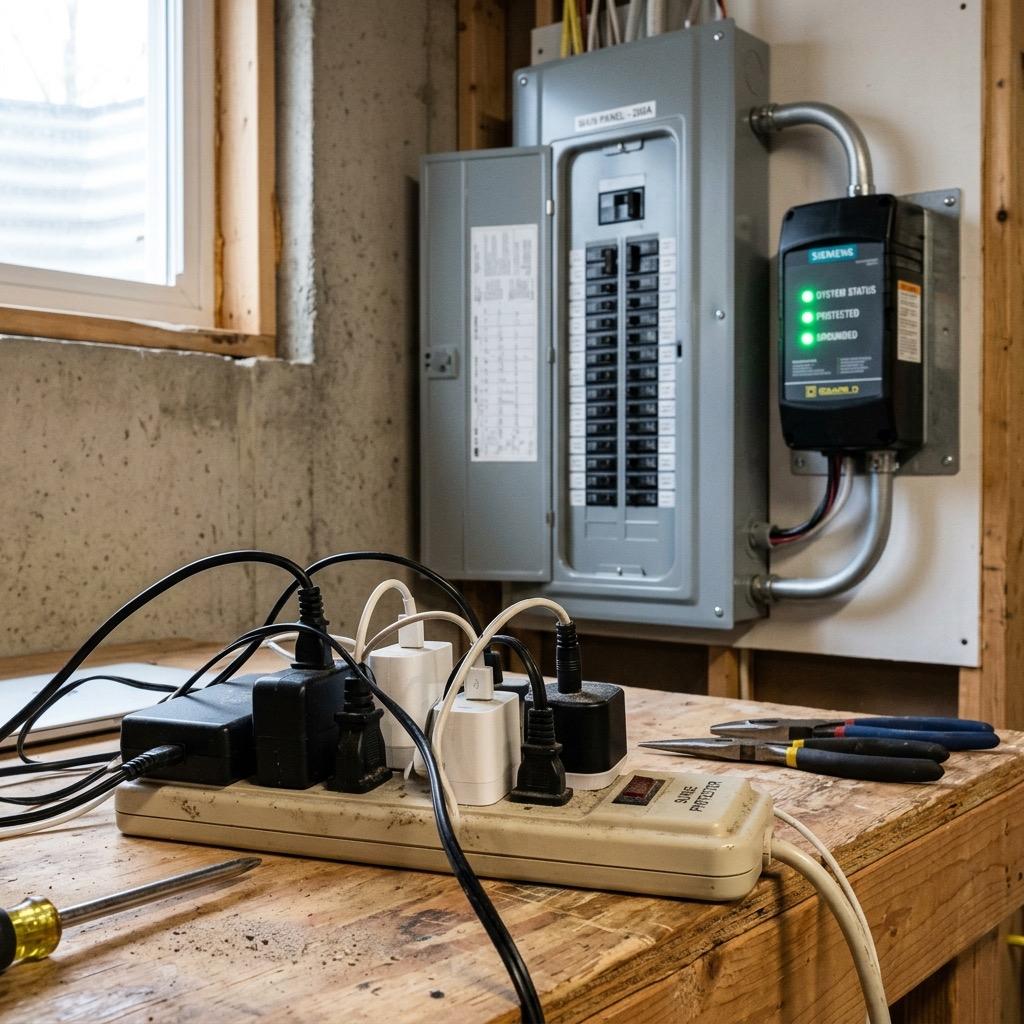
- Using extension cords extensively: Not enough outlets suggests inadequate circuit coverage.
- Burning smell or warm panel: Dangerous. Call an electrician immediately.
Lifestyle-Based Indicators
- Planning to buy an electric vehicle
- Adding a home addition or finishing a basement
- Converting to electric heating, cooking, or water heating
- Installing a hot tub or pool
- Adding central air conditioning
- Adding backup power, such as a battery backup system or a generator hookup
DMV Region Trend: With the push toward electrification in Virginia and rising EV adoption across Fairfax and Loudoun counties, we are seeing a surge in 200-amp upgrade requests. Many homeowners combine the panel upgrade with EV charger installation to save on permitting and labor costs by handling both jobs at once.
Calculating Your Electrical Needs
Here is a sample load calculation showing why modern homes outgrow 100-amp service:
| Load | Watts |
|---|---|
| General lighting and outlets (3,000 sq ft) | 4,500W |
| Electric range | 8,000W |
| Electric dryer | 5,000W |
| Electric water heater | 4,500W |
| Central A/C (3-ton) | 4,000W |
| EV Charger (Level 2) | 7,600W |
| Dishwasher | 1,500W |
| Microwave | 1,500W |
| Total | 36,600W |
At 240V, 36,600 watts requires about 153 amps, well beyond 100-amp capacity. Even with demand factors (not everything runs simultaneously), this home needs 200-amp service. Licensed electricians follow the standardized dwelling load calculation method in NFPA 70 (the National Electrical Code), Article 220 to size your service precisely rather than guessing.
What Is Involved in a Service Upgrade?
Upgrading from 100 to 200-amp service is a significant job involving several components. The on-site and total calendar schedule depend on the existing service, equipment condition, routing, access, permit review, utility coordination, inspection availability, and correction items:
Utility Company Coordination
Your utility (typically Dominion Energy in Northern Virginia) must upgrade their connection to your home. This may include a larger meter base, upgraded service drop or lateral, and possible transformer upgrade.
Electrician's Work
- New electrical panel: 200-amp panel with 40+ circuit spaces
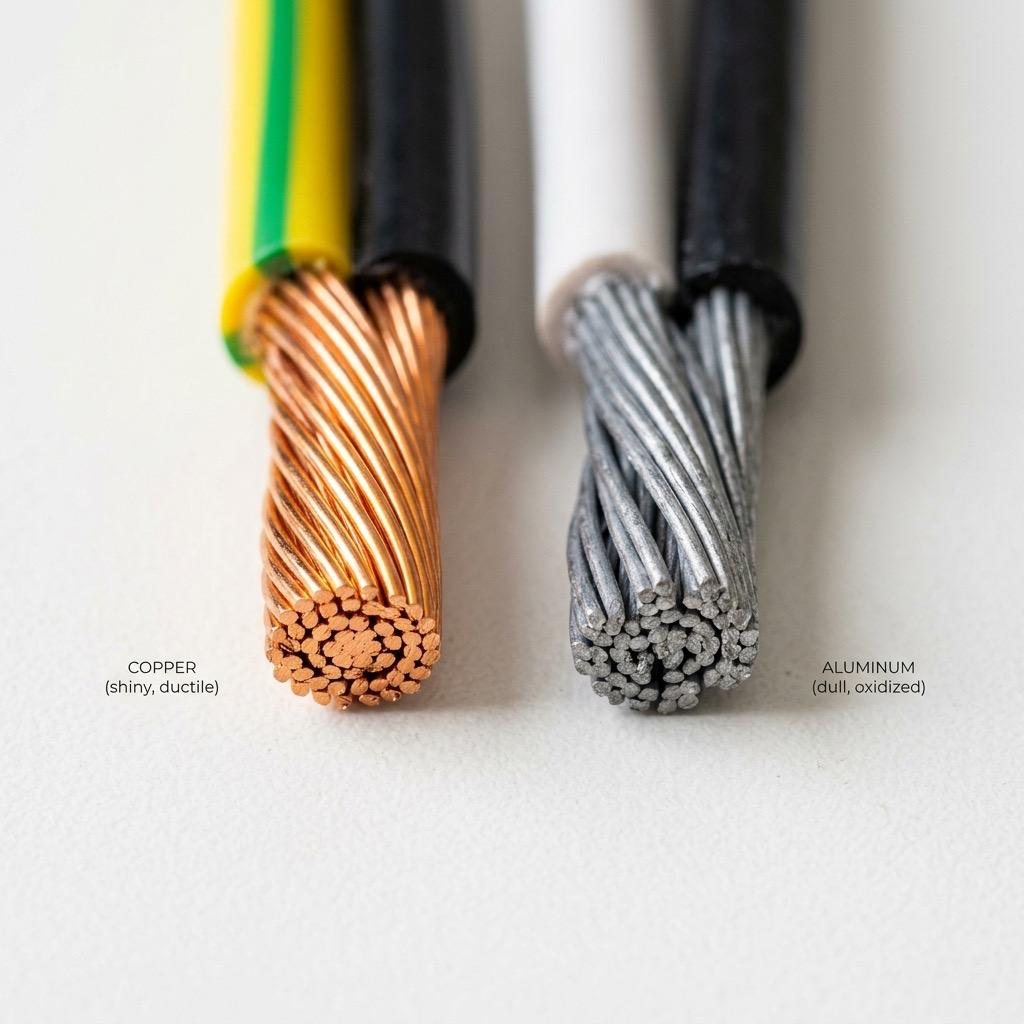
- Service entrance cable: Larger gauge conductors (2/0 or 4/0)
- Grounding system: Updated to meet current code
- Permits and inspections: Required by all Northern Virginia jurisdictions
Service Upgrade Costs in Northern Virginia
- 100A to 200A upgrade (meter relocation, underground service, and grounding work included as needed): $3,500-$7,500
- Including subpanel addition: Add $1,000-$2,000
Pro Tip: If your home has an older panel brand such as Federal Pacific or Zinsco, have the actual equipment and condition assessed. The U.S. Consumer Product Safety Commission published an investigation notice concerning Federal Pacific breakers. A licensed electrician should diagnose the installed equipment before recommending repair or replacement.
Load Management: A Middle Ground
If you need more capacity for specific purposes like EV charging but do not want a full service upgrade, load management devices offer a solution. These smart systems monitor total electrical usage and temporarily pause non-essential loads when capacity is reached. For example, a load management system can pause your water heater while your EV charges, then resume when the car is done. This maximizes your existing 100-amp capacity without the cost of a full upgrade.
The Bottom Line
For modern lifestyles, especially with electric vehicles, smart homes, and the trend toward electrification, 200-amp service is becoming essential rather than optional. If you are planning any significant electrical additions or experiencing capacity limitations, upgrading now is often more cost-effective than paying for the upgrade plus the additional installation separately later.
Not sure if you need a service upgrade? AJ Long Electric offers on-site electrical capacity assessments throughout Northern Virginia. Estimates are free. The $99 dispatch fee applies only when we arrive prepared to complete a project, provide the price on site, and you decline the work. It covers travel and preparation. It is waived when you accept the on-site quote and for active members. It is not charged for a scheduled estimate visit. We calculate current and planned loads, inspect the existing service, and provide project-specific recommendations.