
Pool electrical safety deserves its own review when equipment changes, a deck is rebuilt or the history of an installation is unknown. A pump that runs and a light that turns on do not prove the entire installation is safe.
If someone may be receiving a shock
Treat tingling, loss of movement or suspected electrical shock in the water as an emergency. Call 911. Do not enter water that may be energized or touch an energized person. Shut off power only if you can reach the appropriate disconnect safely, without crossing water or touching suspect equipment. Keep others away and follow emergency-dispatch instructions.
A person in the water should move away from the suspected source and get out if able, avoiding a metal ladder where possible. CPSC’s pool shock guidance explains warning signs and the risk to would-be rescuers. Do not reopen the pool simply because a breaker reset restores operation; the cause must be evaluated and corrected.
Three protections with different jobs
| Protection | Purpose | What it does not establish |
|---|---|---|
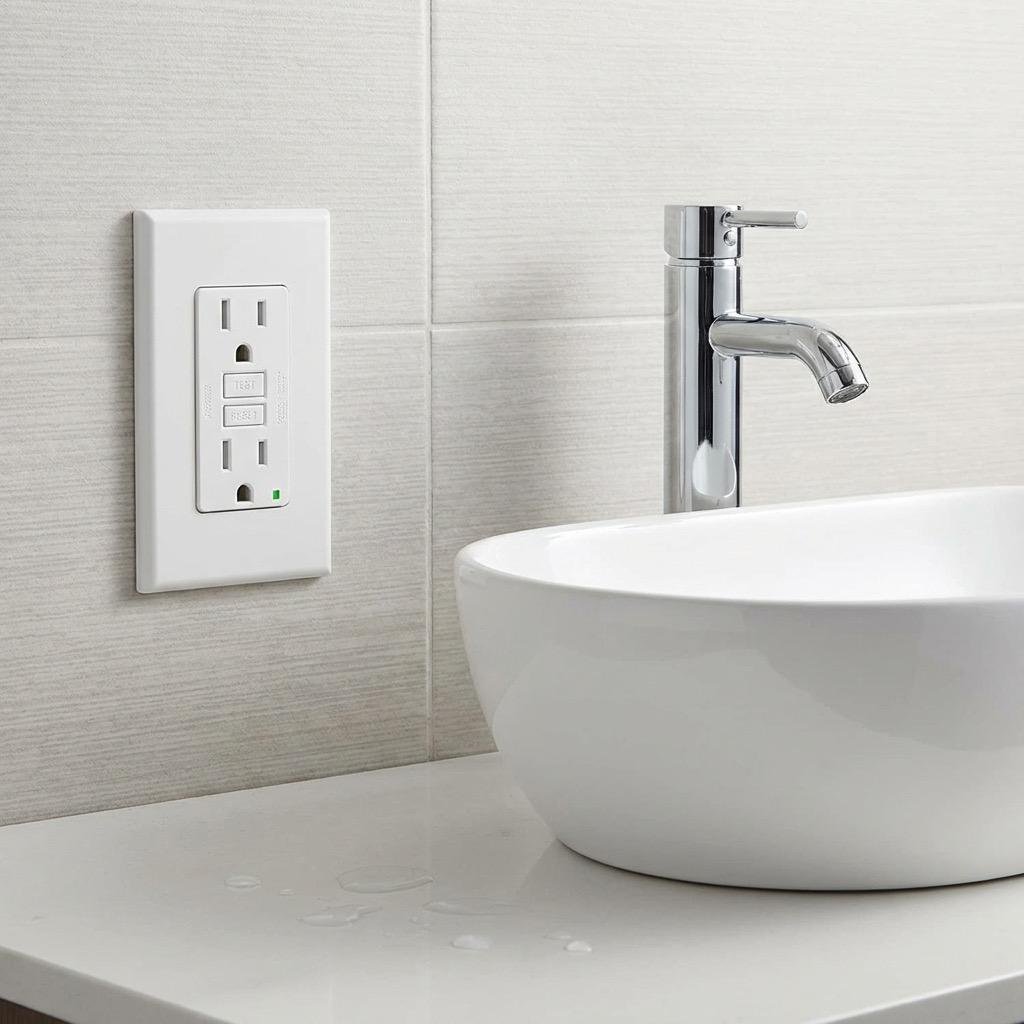
| GFCI protection | Interrupts power when it detects the type of current imbalance it is designed to detect | Does not verify the entire installation or replace grounding and bonding |
| Equipment grounding | Provides the required fault-current path as part of the electrical system | Does not eliminate the need for required GFCI protection |
| Equipotential bonding | Connects required conductive parts to reduce voltage differences around the pool | Cannot be confirmed simply because one visible bonding wire is attached |
The IAEI explanation of pool grounding and bonding describes these systems in more detail. The exact requirements depend on the installation and applicable code. A general article cannot determine the required connection points, clearances or wiring method for your particular pool.
Concerned About Your Home's Electrical Safety?
A professional electrical inspection identifies hidden hazards before they become emergencies. Our licensed electricians provide thorough safety inspections throughout Northern Virginia. Call (571) 444-6886 to schedule yours.
When to arrange a professional review
- A pump, heater, light, controller or power supply has been replaced
- A deck, fence, railing or other nearby conductive feature has changed
- You bought the property without reliable pool electrical records
- Equipment has flooded, corroded, been physically damaged or received improvised repairs
- Protection trips repeatedly or someone reports a shock sensation
Tell the electrician exactly what changed. A replacement pump is not necessarily electrically identical to the old one. New controls and different light systems can alter the equipment and protection requirements. Landscaping or deck work may affect parts of the installation that are no longer visible afterward.
What a useful inspection scope should address
Ask the contractor to identify what will be inspected or tested and what limitations remain. Discuss the supply circuits, protective devices, disconnects, enclosures, visible wiring condition, equipment compatibility, grounding and accessible bonding connections. Include the pool lights and their associated equipment, not just the pump.
Request a written description of findings and any corrective work. If important parts are concealed, ask how that limits the conclusions and what additional access or records are needed. A proposal saying “check pool electrical” is less useful than one explaining the equipment covered and the tests included.
Do not treat an inspection schedule for a regulated public or community pool as a universal legal requirement for every private backyard pool. For your property, confirm permit and inspection requirements with the authority that handles the work. Follow equipment maintenance instructions and recommendations based on the installation’s condition and history.
What owners can check without opening equipment
From a dry, safe location, look for broken covers, corrosion, loose enclosures, damaged visible cords or water where it should not be. Note changes in operation, unusual sounds and recurring trips. Keep portable mains-powered equipment and extension cords away from the pool area; do not create a temporary supply arrangement for permanent pool equipment.
Follow the instructions for user testing of accessible GFCI devices. Do not open energized enclosures, remove pool lights or disconnect bonding conductors to investigate a problem. Testing a GFCI successfully is one maintenance observation, not a certificate that all pool wiring is correct.
Build a pool electrical record
Keep model numbers for the pump, heater, lighting and controller, the last electrical work description, permits or inspection records, and photos from before deck or landscape work concealed access. Identify the disconnect location so responsible adults know where it is before an emergency.
For a non-emergency review, send a service request with the equipment list, symptoms and safely accessible photos. A request does not book an appointment, and an online form is not an emergency response channel. For nearby patio improvements, share the pool layout with the contractor and use our outdoor electrical planning guide to organize the separate entertaining-area scope.