
Urgent$100 - $25030 minutes - 1 hour
Sparks When Plugging Into Electrical Outlet
While a small blue spark when plugging in is normal, large sparks, yellow/orange sparks, or sparking accompanied by sounds or smells indicates a serious electrical problem requiring professional attention.
Need Help With This Problem?
Our licensed electricians can diagnose and fix this issue quickly and safely.
(571) 444-688624/7 Emergency Service Available
Common Symptoms
- Visible sparks when inserting or removing plugs
- Loud popping or crackling sounds during plug insertion
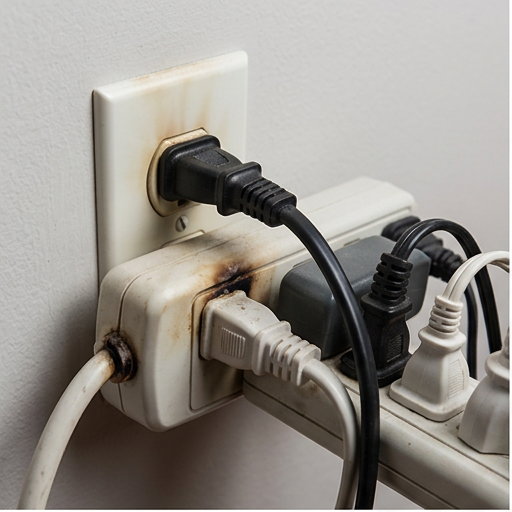
- Burn marks or melted plastic on outlet or plug
- Outlet feels warm or hot to the touch
- Tripping circuit breaker when using the outlet
Common Causes
- Normal initial spark from electrical contact (brief, small, blue)
- Loose outlet connections causing arcing
- Worn outlet contacts that don't grip plugs securely
- Short circuit in the outlet or connected device
- Moisture intrusion in the outlet box
Safe DIY Checks
These checks are safe for homeowners to perform before calling an electrician:
- Note the spark color: blue is often normal, yellow/orange indicates a problem
- Check if the outlet feels loose when plugging in
- Test if the spark occurs with different devices
- Listen for continuous buzzing after plugging in
- Check for burn marks or discoloration
When to Call an Electrician
Call a licensed electrician immediately if:
- Large sparks, yellow/white sparks, or sparks with burning smell
- Sparks that occur after the plug is fully inserted
- Repeated sparking with any device plugged in
- Visible burn marks or melted plastic
- Outlet feels hot or loose
Understanding This Problem
A small, brief blue spark when you plug something into an outlet is actually normal. This occurs because electricity is present at the outlet contacts, and when metal touches metal, a tiny arc forms before the connection is complete. This is harmless and happens in milliseconds.
However, dangerous sparking is different. Large sparks, sparks that are yellow, white, or orange in color, sparks that continue after the plug is inserted, or sparks accompanied by popping sounds or burning smells indicate real problems that need professional attention.
The most common cause of problematic sparking is loose wire connections. Over time, the screws holding wires to outlets can loosen from thermal expansion and contraction. When connections become loose, electricity arcs across gaps, generating heat and larger, more dangerous sparks.
Worn outlet contacts are another frequent cause. After years of use, the metal contacts inside outlets can lose their spring tension and fail to grip plugs securely. This creates poor electrical contact and sparking.
If you experience concerning sparking, stop using that outlet immediately and call a licensed electrician. Continuing to use a sparking outlet risks electrical fire and should never be ignored.
Prevention Tips
Avoid yanking cords from outlets
Replace outlets that feel loose or don't grip plugs
Don't overload outlets with adapters and splitters
Have old outlets inspected and upgraded
Use surge protectors for sensitive electronics
Frequently Asked Questions
Is it normal for an outlet to spark?
A small, brief blue spark when first plugging in is normal and harmless. However, large sparks, colored sparks (yellow/orange), sparks that continue after plug insertion, or sparks with sounds/smells are dangerous and require professional repair.
Why does my outlet spark when I plug something in?
Normal sparking occurs because live electricity is present at the contacts. Dangerous sparking typically results from loose connections, worn outlet contacts, short circuits, or moisture in the outlet box.
Should I stop using a sparking outlet?
If the sparking is unusual - large, colored, repeated, or accompanied by sounds/smells - stop using the outlet immediately. Turn off the circuit breaker and call an electrician.
Can a sparking outlet cause a fire?
Yes. Abnormal sparking indicates arcing, which generates intense heat. This can melt wire insulation, ignite surrounding materials, and cause electrical fires. Don't ignore sparking outlets.
How do I fix a sparking outlet?
Outlet repairs should only be done by licensed electricians. The fix typically involves replacing the outlet and checking all wire connections. If wiring is damaged, additional repairs may be needed.
Related Services
Electrical Troubleshooting
Diagnostic service for power loss, flickering, dead outlets, repeated tripping, heat, noise, and other residential electrical symptoms.
Learn MoreElectrical Inspections
Accessible residential electrical-system review with a written, photo-supported record of observed conditions and clearly stated inspection limits.
Learn MoreRepair vs. Replace Decision
Sparking severity vs. action. A tiny blue spark when plugging in is normal; persistent or yellow/orange sparks are not.
| Spark Pattern | Likely Cause | Action | Typical Cost |
|---|---|---|---|
| Quick blue spark when plugging in | Normal arcing — capacitive charge | No action needed | $0 |
| Yellow / orange spark from outlet face | Loose internal wire connection or worn contacts | Replace outlet | $185 – $300 |
| Sparks + burning smell | Arcing + overheating inside outlet box | Replace outlet, inspect wire splices | $300 – $600 |
| Sparks + breaker trip | Short circuit or ground fault | Replace outlet + diagnose circuit | $350 – $800 |
| Sparks from multiple outlets on same circuit | Failing back-stab connections downstream | Replace daisy-chained outlets, re-terminate with screw connections | $450 – $1,100 |
| Visible flame or smoke | Active fire hazard | Call 911, then turn off breaker, then call electrician | Emergency |
Related Problems
Emergency
Burning Smell from Outlet
A burning smell from an electrical outlet is a serious warning sign that requires immediate attention. This odor typically indicates overheating due to loose connections, overloaded circuits, or failing components.
Learn More UrgentHot Outlet
An outlet that feels warm or hot to the touch indicates electrical resistance and overheating. While dimmer switches can feel slightly warm normally, standard outlets should always be cool to the touch.
Learn More ModerateDead Outlet
A dead outlet is often caused by a tripped GFCI or breaker, which are easy to check. If resetting doesn't work, the outlet itself may have failed or there could be a wiring issue.
Learn MoreGuides
Related Guides
Expert electrical guides to help you make informed decisions.
Beginner
Home Electrical Safety Inspection Checklist
A comprehensive room-by-room electrical safety checklist every homeowner should review regularly to identify potential hazards.
10 min read
Read GuideIntermediate
Understanding Electrical Permits in Northern Virginia
Navigate the electrical permit process in Northern Virginia with confidence. Learn requirements for Fairfax County, Arlington, Alexandria, and surrounding areas.
12 min read
Read GuideCode & Safety References
All repairs are performed to the National Electrical Code (NFPA 70) adopted by your local Northern Virginia jurisdiction. For independent, authoritative guidance on the hazards behind this problem, see:
Let Us Fix This Problem for You
Our licensed electricians have the expertise to diagnose and repair sparking outlet problems quickly and safely.