If your electrical panel shows rust or corrosion, scorch marks, a burning smell, a warm cover, or crackling and buzzing sounds -- or its breakers trip repeatedly, won't reset, or feel loose -- it needs a professional inspection. The panel, also called the breaker box or load center, is the central hub of your home's electrical system and your first defense against electrical fires and shock hazards. An outdated, damaged, or undersized panel puts your entire home at risk.
Key Takeaways
- Physical warning signs include rust, scorch marks, burning smell, warmth, and crackling or buzzing sounds.
- Federal Pacific Electric (FPE) and Zinsco panels have documented safety defects with breaker failure rates of 25-60%.
- Most modern homes need at least 200 amps of service, especially with electric HVAC, EV chargers, or hot tubs.
- Panel replacement involves utility coordination, permits, and inspection -- always hire a licensed electrician.
How Electrical Panels Work
Understanding your panel helps you recognize when something is wrong:
Need a Panel Upgrade?
Outdated or overloaded electrical panels can present safety and capacity concerns. Our team evaluates 200-amp upgrades throughout Northern Virginia and confirms scheduling after reviewing the property. Call (571) 444-6886 to get started.
- Power from the utility enters through the main breaker
- The main breaker controls total power to the house and provides overcurrent protection
- Power is distributed to individual circuit breakers
- Each breaker protects a specific circuit and its connected devices
- When a circuit draws too much current, the breaker trips to prevent overheating
Warning Signs of Panel Problems
Physical Signs
- Rust or corrosion: Indicates moisture intrusion - a serious hazard
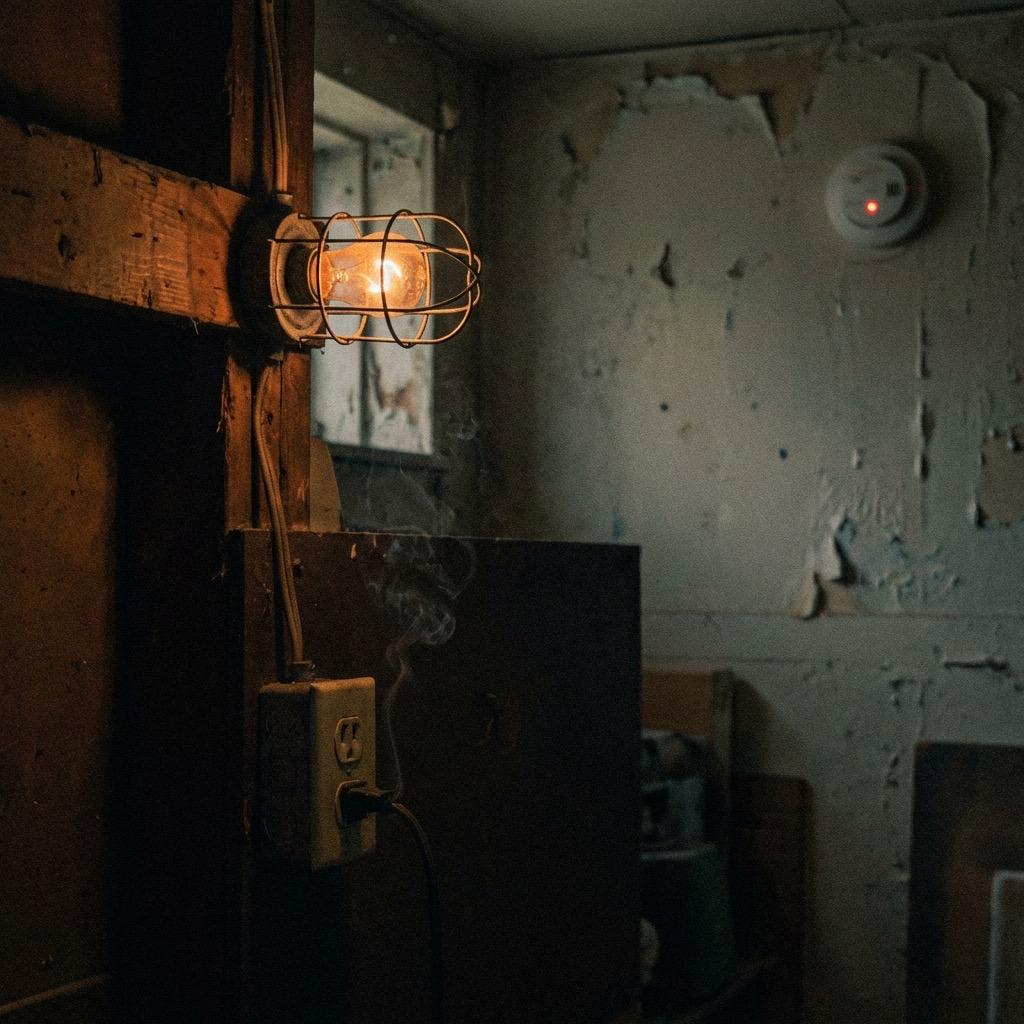
- Scorch marks or melted plastic: Evidence of overheating or arcing
- Burning smell: Indicates active overheating - immediate concern
- Warm or hot panel cover: Should never be warm to the touch
- Crackling or buzzing sounds: Loose connections or arcing
Performance Signs
- Frequently tripping breakers: May indicate overloaded circuits or failing breakers
- Breakers that will not reset: Internal damage or fault on the circuit
- Breakers that are loose or fall out: Worn bus bar connections
- Flickering lights: Loose connections in the panel
- Lights dimming when appliances start: Inadequate panel capacity
How Do I Know If My Electrical Panel Is Bad?
A failing panel usually announces itself: breakers that trip repeatedly, won't reset, or feel loose in their slots; rust or corrosion on the cabinet; scorch marks or melted plastic; a burning smell; a cover that feels warm; or crackling and buzzing from inside. Any one of these signs justifies a professional inspection. And if the label says Federal Pacific, Zinsco, or Challenger, treat the panel as suspect even when everything appears to work normally.
Dangerous Panel Brands
Several electrical panel brands manufactured in past decades have been identified as fire hazards:
Federal Pacific Electric (FPE) Stab-Lok
Manufactured from the 1950s through 1980s, these panels have a well-documented history of breakers failing to trip during overloads and short circuits. Studies have shown failure rates of 25-60%. If you have an FPE panel, replacement is strongly recommended.
Zinsco (GTE-Sylvania)
Produced from the 1970s through mid-1980s, Zinsco panels have aluminum bus bars that can oxidize and lose connection with breakers. Breakers may appear to be in the tripped position while still conducting power. These panels should be replaced.
Challenger
Some Challenger panels manufactured before 1988 have been associated with breaker failures and overheating. While not all Challenger panels are problematic, professional inspection is recommended.
Pushmatic
These older panels use breakers that push in to reset rather than switching. They are increasingly difficult to find replacement parts for and should be considered for upgrade.
How to Check Your Panel Brand: Open the panel door and look for the manufacturer name on the inside of the door or on the panel cover. If you find Federal Pacific, Zinsco, or Challenger, contact a licensed electrician for an assessment.
When Panel Replacement Is Necessary
Immediate Replacement Needed
- Panel shows signs of fire or heat damage
- FPE or Zinsco panel installed
- Panel uses fuses instead of breakers (in most cases)
- Visible arcing or burn marks on breakers or bus bars
- Strong burning smell from panel
Replacement Strongly Recommended
- Panel is more than 25-30 years old
- Panel capacity is inadequate for your needs (100 amps or less in a larger home)
- No room for additional circuits needed for additions or upgrades
- Frequent breaker trips even with normal loads
- Insurance company requires upgrade
Upgrade Should Be Considered
- Adding major appliances (EV charger, hot tub, etc.)
- Planning a home addition or major renovation
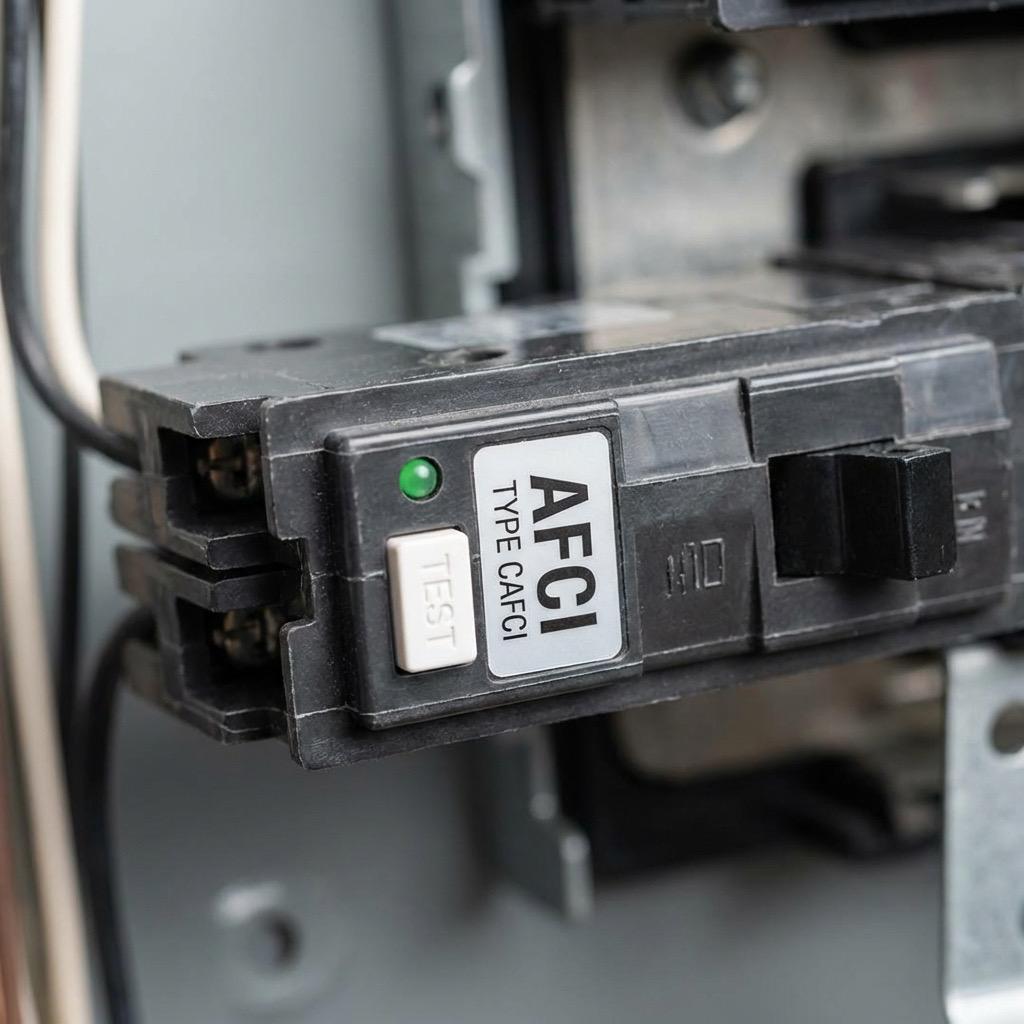
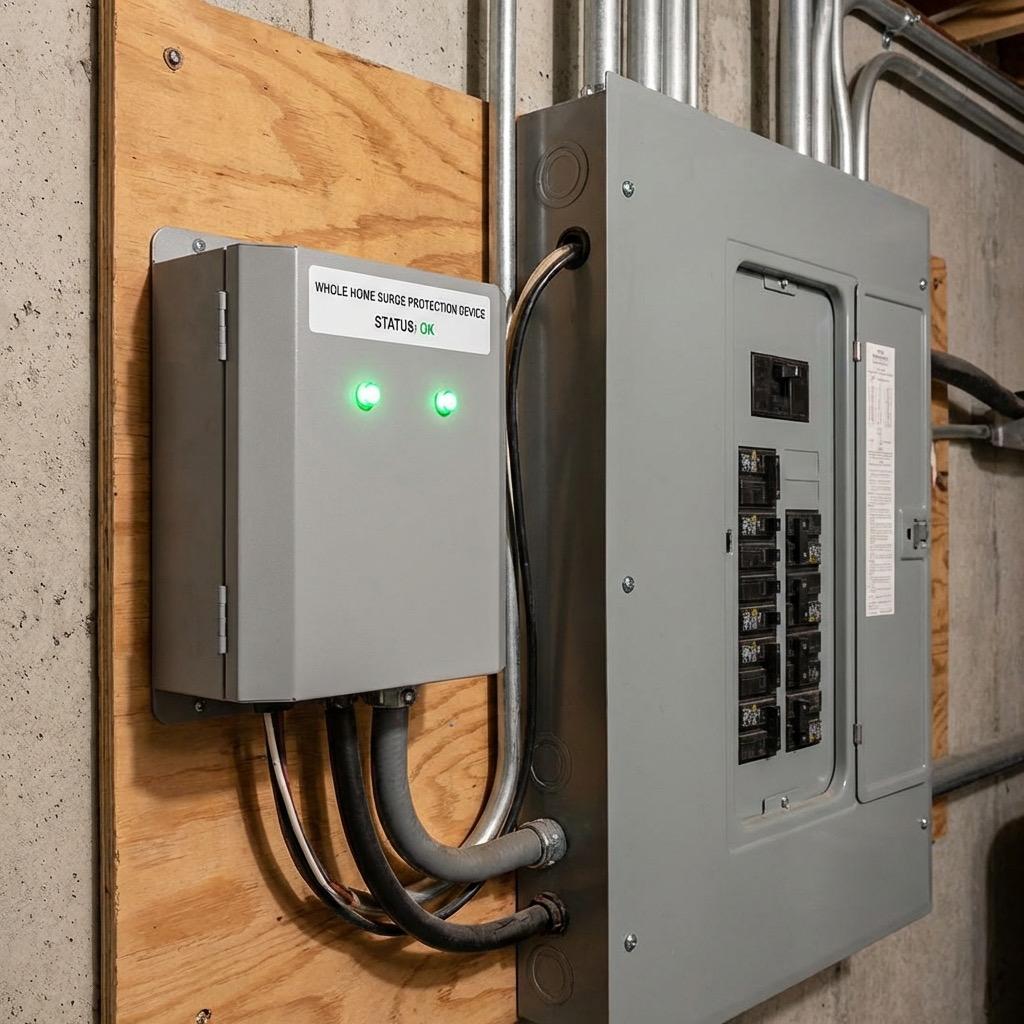
- Wanting modern safety features (AFCI, whole-home surge protection)
- Selling your home and buyers have concerns
How Much Does It Cost to Replace an Electrical Panel?
In Northern Virginia, a 200-amp panel replacement or heavy-up falls within $3,500–$7,500, including the permit and county inspection coordination for the documented scope. The final price and schedule depend on the condition of the service entrance, required grounding and bonding upgrades, meter-base work, utility coordination, and inspection availability. Larger 400-amp services are quoted per project.
What Panel Replacement Involves
A typical panel replacement includes:
- Coordination with the utility company to disconnect power
- Removal of the old panel and meter socket (if needed)
- Installation of new panel with modern breakers
- Re-connection of all existing circuits
- Addition of required safety devices (AFCI, whole-home surge)
- Inspection by local electrical inspector
- Utility reconnection
Choosing a New Panel
When selecting a replacement panel, consider:
Capacity
Standard sizes include 100, 150, 200, and 400 amps. Most modern homes require at least 200 amps, especially with electric water heaters, HVAC systems, and EV chargers.
Space for Circuits
Choose a panel with room for future expansion. A 40-space panel allows more flexibility than a 20-space unit of the same amperage.
Brand Quality
Stick with reputable brands like Square D, Siemens, Eaton, or Leviton. Avoid bargain panels from unknown manufacturers.
Modern Features
Consider panels with:
- Built-in whole-home surge protection
- Plug-on neutral design for easier AFCI/GFCI installation
- Smart panel options for energy monitoring
Professional Inspection and Installation
Panel work should only be performed by licensed electricians:
- Working in the panel involves exposure to lethal voltages
- Permits and inspections are required in all jurisdictions
- Improper installation can void homeowner's insurance
- Utility coordination requires licensed contractor involvement
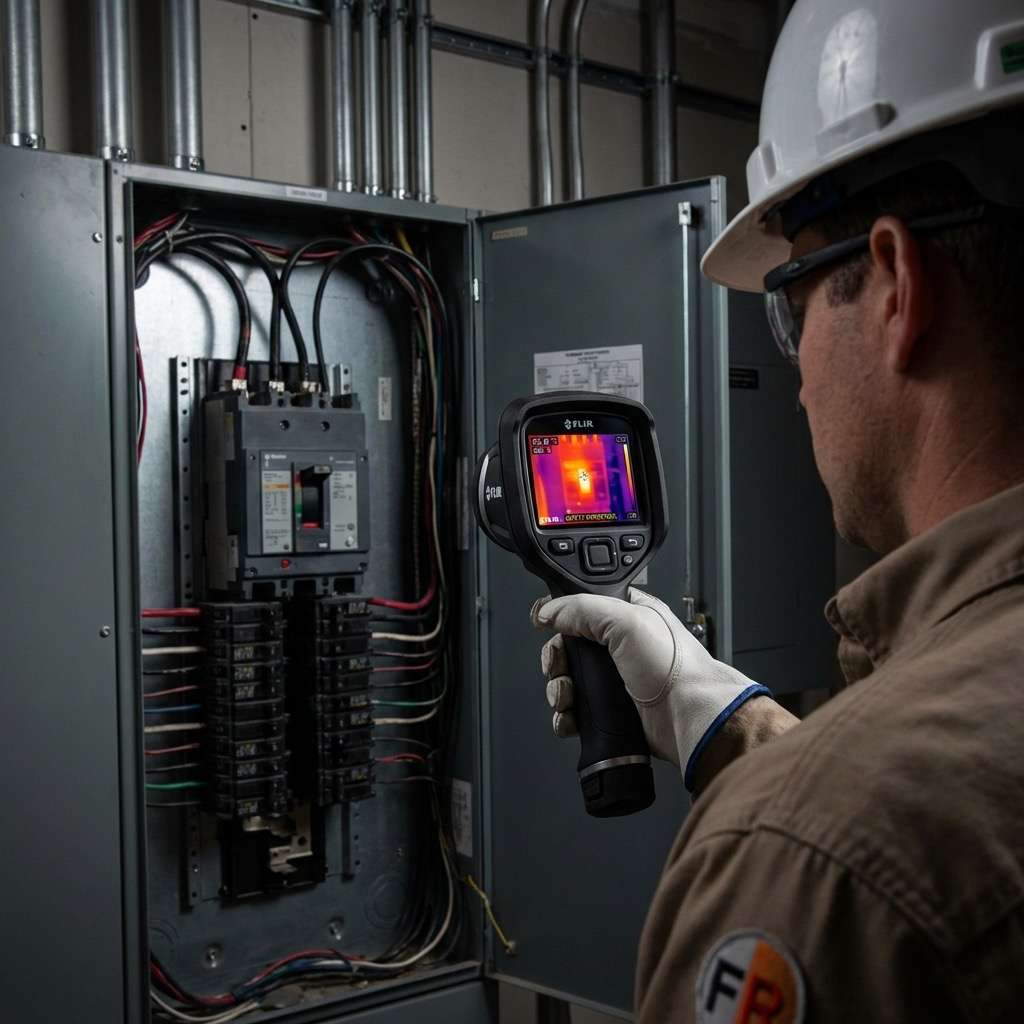
AJ Long Electric provides comprehensive panel inspections and replacements throughout Northern Virginia. We can assess your current panel, identify any hazards, and recommend the right solution for your home's electrical needs.
Planning Ahead: When selecting a replacement panel, choose one with room for future expansion. A 40-space panel allows much more flexibility than a 20-space unit of the same amperage, making it easier to add circuits for EV chargers, home offices, or additions later.
Contact us today to schedule your electrical panel inspection.