
The most common question we hear at AJ Long Electric is simple: "How much does backup power cost?" The honest answer depends on which path you choose. In Northern Virginia, a portable generator hookup runs $900–$2,500 installed, a battery power station runs $2,500–$6,000 for a portable-unit setup, and whole-home battery integration runs $6,000–$15,000+. This guide explains the scope factors that shape a proposal.
Key Takeaways
- A portable generator hookup — inlet plus listed transfer or interlock equipment — costs $900–$2,500 installed (the generator is a separate homeowner purchase).
- A battery power station with install runs $2,500–$6,000 for a portable-unit setup; whole-home integration runs $6,000–$15,000+.
- The biggest cost driver for a battery is kWh capacity and the number of circuits the smart home panel manages.
- Hardwired transfer-switch and smart-panel work needs an electrical permit (NEC 702) - there is NO gas permit.
- Maintenance differs by exact equipment: a generator adds engine and fuel care, while a battery has charging, storage, firmware, inspection, connection, transfer-equipment, and capacity requirements.
Portable Generator Hookup Costs (2026 Prices)
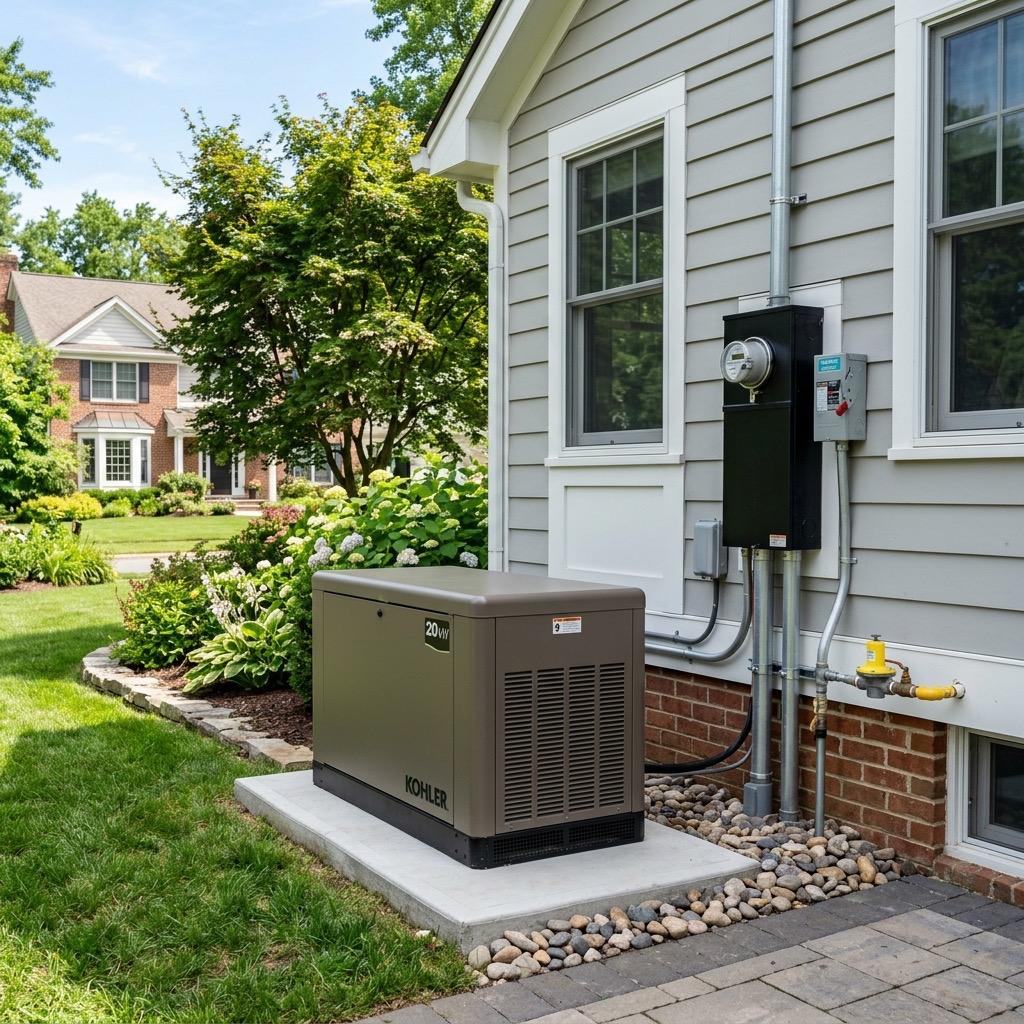
AJL installs the electrical infrastructure that lets you safely power your home from a portable generator. The generator itself is a separate purchase you make based on the wattage you need.
Planning Backup Power for Your Home?
Plan for the next outage with a listed portable-generator hookup or a compatible battery-backup installation. We evaluate the panel, selected loads, equipment, and transfer method before quoting the electrical scope. Call (571) 444-6886 to request an in-home assessment.
- Complete portable-generator hookup: $900–$2,500 for an inlet plus listed transfer switch or compatible interlock equipment
Match the Generator to Your Loads: Choose a portable inverter generator sized to what you want to run. A 3,500–5,000 W unit covers essential circuits; a 7,500–9,000 W unit can handle central AC plus essentials if you manage large loads. Inverter generators run quieter and produce cleaner power than older conventional units. A load analysis by a licensed electrician helps you pick the right size.
Battery Power Station Costs (2026 Prices)
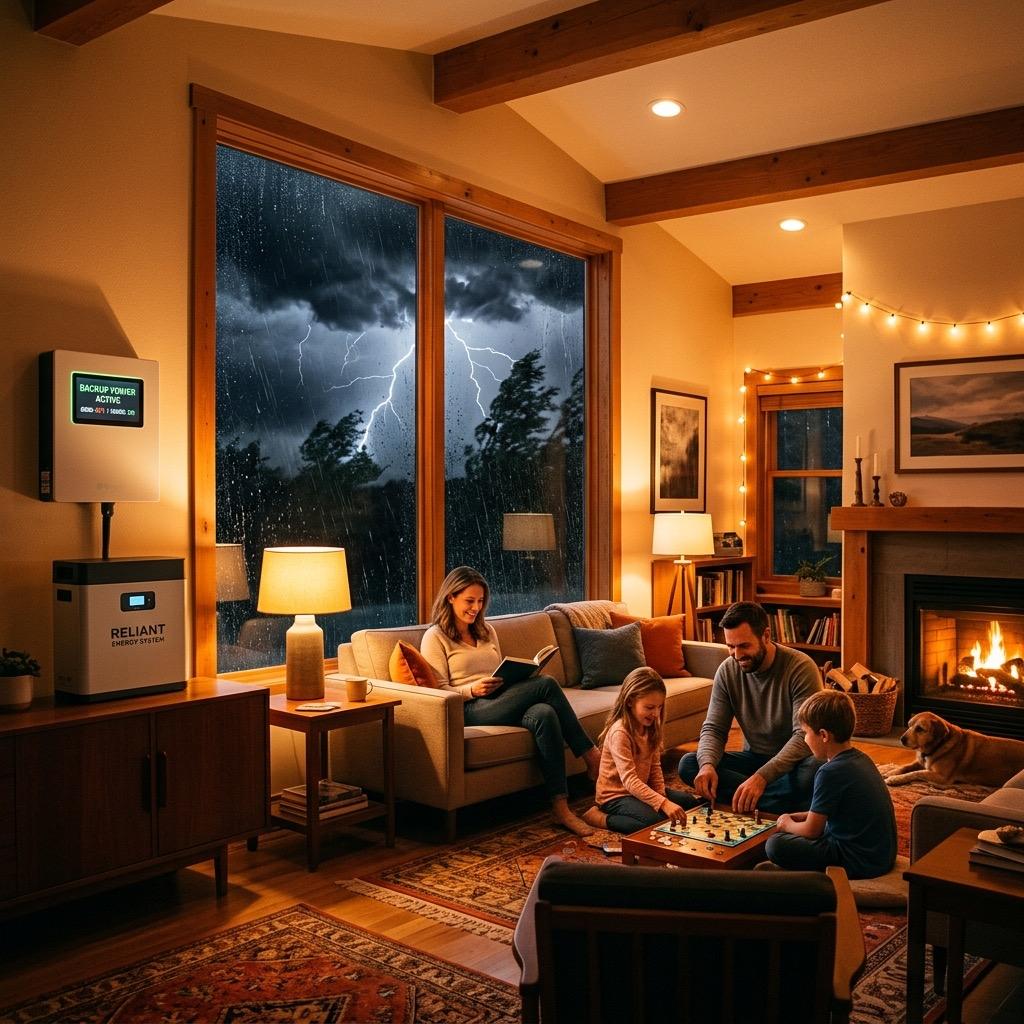
The battery unit is the largest line item, and capacity is the biggest cost driver. These are current 2026 ranges in the Northern Virginia market.
Portable-Unit Setup: $2,500–$6,000
The approved scope identifies the exact listed battery, usable capacity, running and starting output, recharge inputs, placement requirements, and compatible transfer method. Brand examples do not imply certification or a product relationship.
Whole-Home Integration: $6,000–$15,000+
The written design identifies the selected circuits, compatible transfer or load-management equipment, usable capacity, conductor route, protection, commissioning requirements, and responsibility boundaries. Price scales with capacity and electrical scope.
Optional Solar Input
Compatible solar can recharge some battery systems when the inverter, controls, interconnection, weather conditions, and operating mode support it. Solar is quoted as a separate project-specific design.
Installation Cost Components in Northern Virginia
Both paths share some electrical components. Here's what goes into a typical Fairfax or Loudoun County installation.
Transfer Switch or Smart Home Panel
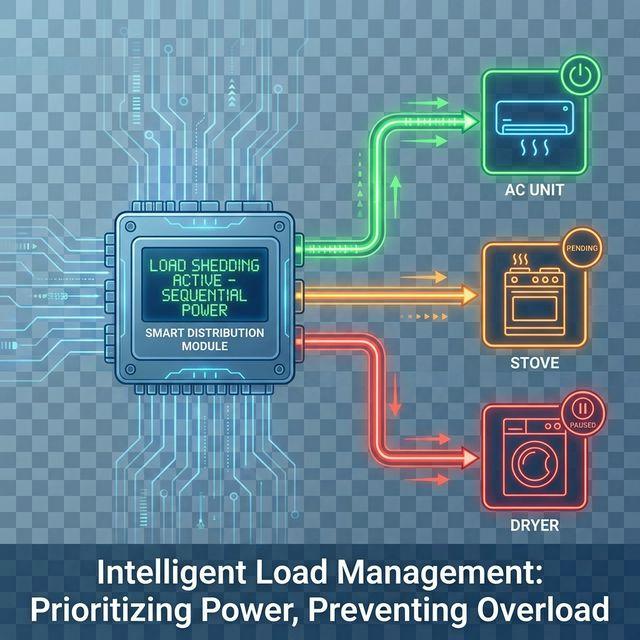
A transfer switch, interlock kit, or battery smart home panel safely connects backup power to your home and prevents backfeed. For a battery, a smart home panel that manages and prioritizes circuits is built into the integration cost above. For a portable generator, the transfer switch or interlock is the core of the hookup cost.
Electrical Work Inside the Published Range
The written proposal documents the conduit and conductor route, grounding and bonding scope, panel connection, protection, transfer equipment, battery placement, and any expansion equipment. These are not advertised as additive component bands outside the published complete-project ranges.
Permit Path
Hardwired transfer, battery, and load-management work typically requires an electrical permit. The address, adopted code, selected equipment, and exterior scope determine whether any additional review applies; the written proposal identifies the confirmed path.
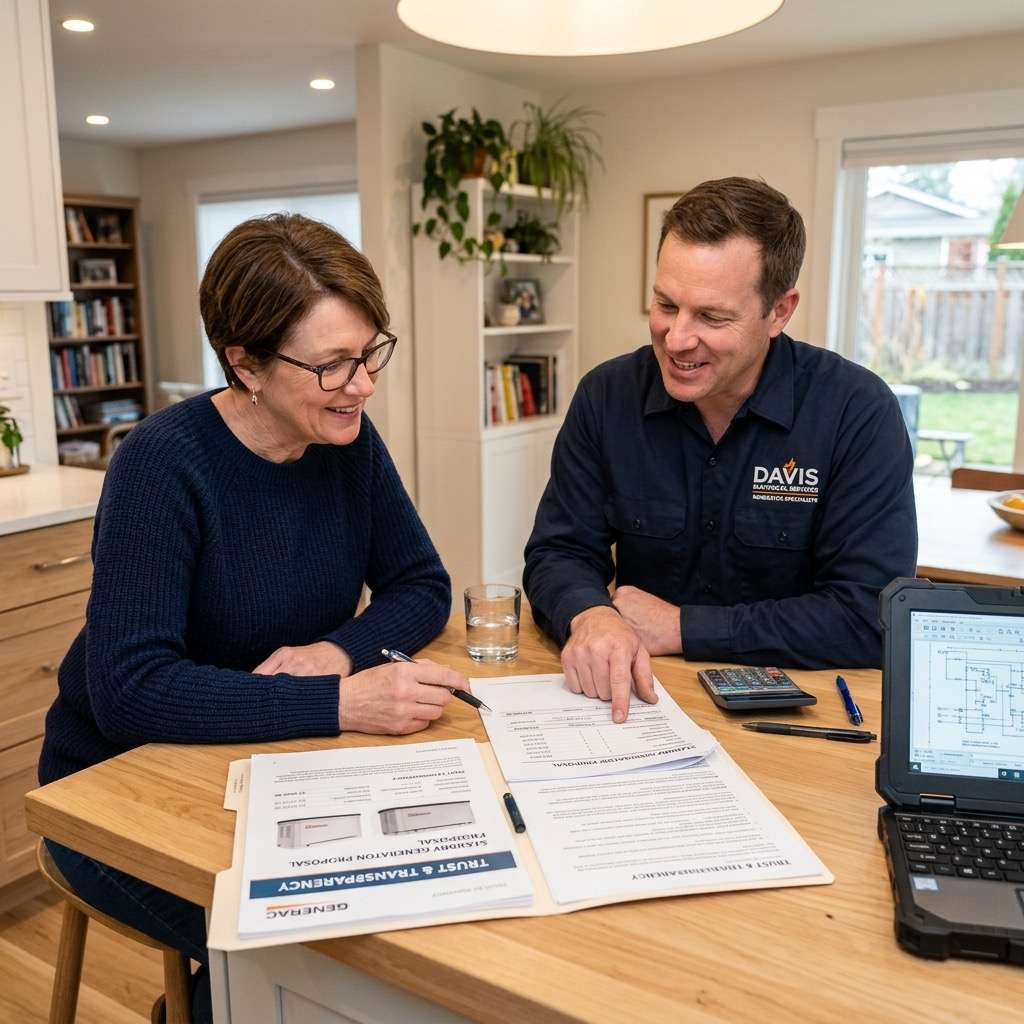
Ask for an Itemized Quote: Compare proposals that identify equipment, usable capacity, supported loads, transfer or load-management method, conductor route, permit responsibility, exclusions, and change-order terms. AJ Long Electric provides a written project-specific proposal after the site conditions and selected equipment are verified.
Running and Maintenance Costs
Portable-generator fuel use depends on the generator, load, fuel, weather, and operating schedule. Battery recharge energy depends on usable capacity, efficiency, utility rate, recharge source, and operating mode. Compare current manufacturer documentation and utility rates for the exact design rather than assuming a fixed daily cost.
Financing and Incentives Available in 2026
Financing products, rates, terms, and eligibility change. Verify any current option directly with the lender or provider before relying on it; AJ Long Electric does not promise approval or a particular financing term.
Section 25D does not apply to systems installed after December 31, 2025. See IRS guidance; AJ Long Electric does not provide tax advice.
Beware of Unusually Low Quotes: If you receive a backup-power quote in Northern Virginia that's far below the ranges here, ask detailed questions. Common ways low quotes become high final bills: unlicensed subcontractors who can't pull permits, an undersized transfer switch for your panel, a battery sized smaller in kWh than you were led to expect, or skipping the permit altogether. For backup power you'll rely on for years, the lowest bid is rarely the best value.
Get an Accurate Backup Power Quote for Your Northern Virginia Home
Pricing varies enough by property that there's no substitute for a site visit. AJ Long Electric provides on-site assessments and written, project-specific proposals for homeowners throughout Fairfax County, Loudoun County, Arlington, Alexandria, and Prince William County. Estimates are free. The $99 dispatch fee applies only when we arrive prepared to complete a project, provide the price on site, and you decline the work. It covers travel and preparation. It is waived when you accept the on-site quote and for active members. It is not charged for a scheduled estimate visit. We're a licensed Virginia Class B contractor and coordinate required permits in the jurisdictions we serve.
Call us at (571) 444-6886 or use our online scheduling tool to request a site assessment. The written proposal documents field duration, outage planning, and permit responsibility after the equipment, circuits, site conditions, access, and jurisdictional requirements are verified. AHJ, utility, HOA, and inspection schedules control elapsed time.