
Your home's electrical panel can affect insurance underwriting. Carrier treatment varies by company, policy, panel condition, and supporting documentation, so obtain any requirement or premium decision directly from the insurer in writing.
Key Takeaways
- Federal Pacific, Zinsco, and fuse box panels may affect underwriting depending on the carrier and policy.
- Insurers may review panel information during applications, inspections, claims, and policy renewals.
- If an insurer requires remediation, follow the written notice and confirm the applicable deadline directly.
- Keep the permit, inspection documentation, invoice, photos, and panel specification; premium or eligibility outcomes are not guaranteed.
Why Insurance Companies Care About Your Panel
Insurance is about risk assessment, and electrical systems are a significant fire risk:
Need a Panel Upgrade?
Outdated or overloaded electrical panels can present safety and capacity concerns. Our team evaluates 200-amp upgrades throughout Northern Virginia and confirms scheduling after reviewing the property. Call (571) 444-6886 to get started.
- Electrical distribution causes 30,000+ home fires annually
- Certain panel types have documented higher failure rates
- Outdated electrical increases overall claim risk
- Panel condition indicates home maintenance level
Insurance Action Items: Contact your insurance company to ask about panel requirements. Get any upgrade requirements in writing. After upgrading, provide documentation to your insurer and ask about available safety discounts.
Panels That May Affect Insurance
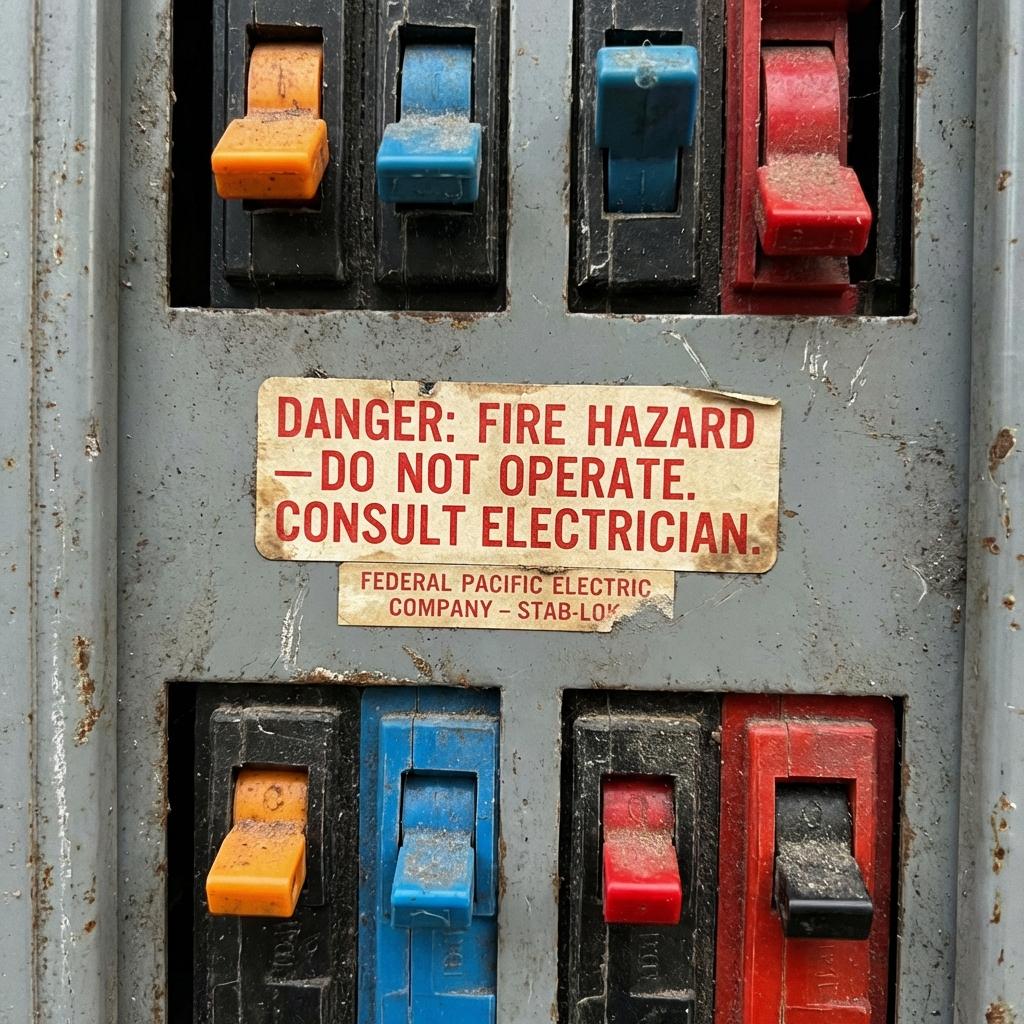
Federal Pacific Electric (FPE):
Many insurers take action on FPE panels:
- Some won't issue new policies
- Others require replacement before binding coverage
- Some increase premiums significantly
- May cancel existing policies upon discovery
Zinsco Panels:
Similar treatment to FPE:
- Known failure problems documented
- Many insurers require replacement
- Underwriters flag these during applications
Fuse Boxes:
Often restricted or surcharged:
- Some companies won't insure homes with fuses
- Others charge higher premiums
- May require upgrade as condition of coverage
Aluminum Wiring:
While not a panel issue specifically:
- Often discovered during panel inspections
- Requires special handling at connections
- May affect insurance eligibility
How Insurance Companies Discover Panel Issues
New Policy Applications:
- Questions about electrical system on application
- Exterior inspection photos may capture panel
- Interior inspections for higher-value homes
- Four-point inspections (common in Florida, growing elsewhere)
During Claims:
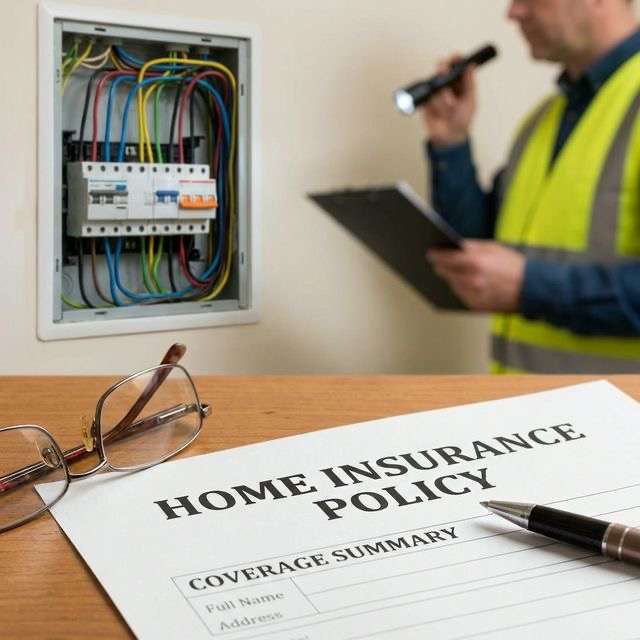
- Adjusters may inspect electrical systems
- Fire investigations examine panels closely
- Coverage could be denied for undisclosed issues
Policy Renewals:
- Companies may require updates for renewal
- Re-inspection may be required
- Premiums adjusted based on current conditions
Insurance Requirements in Northern Virginia
Local insurance practices vary, but common requirements include:
For New Policies:
- Disclosure of electrical panel type and age
- Confirmation of no known hazardous panels
- Photos of exterior/meter may be required
For Renewals:
- Updates on any electrical work performed
- May request interior inspection
- Verification of hazard remediation
For High-Value Homes:
- Detailed electrical inspection may be required
- Modern panel may be expected
- Documentation of panel age and condition
What Happens If You Have a Problem Panel?
Scenario 1: New Home Purchase
If you're buying a home with an FPE, Zinsco, or fuse box:
- Get quotes from insurance companies before closing
- Factor replacement cost into negotiations
- Some lenders require insurance before closing
- Consider requiring replacement as condition of sale
Scenario 2: Existing Coverage
If your insurer discovers a problem panel:
- You may receive notice requiring remediation
- Follow the deadline in the insurer's written notice
- Failure to comply may result in non-renewal
- Document the upgrade and provide proof
Scenario 3: Seeking New Coverage
If you're shopping for insurance with a problem panel:
- Be honest on applications (fraud is worse than high premiums)
- Some companies specialize in higher-risk properties
- Expect higher premiums until panel is replaced
- Plan panel replacement promptly
Insurance Benefits of Panel Upgrades
Premium Review:
- Ask whether the completed work changes an existing surcharge
- Ask whether the carrier offers a documented electrical-system discount
- Provide the records the insurer requests
- Eligibility and premium changes depend on the carrier and policy and are not guaranteed
Improved Eligibility:
- Access to more insurance companies
- Better rates through competition
- Standard policies vs. surplus/specialty markets
Peace of Mind:
- No fear of policy cancellation
- Clean inspections for refinancing
- Easier home sale process
Documentation for Insurance
When you upgrade your panel, obtain and keep:
- Copy of electrical permit
- Passed inspection documentation
- Invoice showing work performed
- Photos of the new panel
- Specification sheet for new panel
Provide these to your insurance company proactively.
Working with Your Insurance Company
Before Upgrading:
- Ask about current panel's impact on your policy
- Inquire about post-upgrade discounts
- Get any requirements in writing
- Understand timeline expectations
After Upgrading:
- Notify insurer promptly
- Provide documentation
- Request premium review
- Shop competitors with new panel for better rates
The Bottom Line
Insurance considerations can be one input when a panel upgrade is already advisable for documented safety, capacity, or condition reasons. Ask the insurer for a written post-upgrade underwriting and premium decision rather than assuming a savings outcome.
AJ Long Electric documents the completed electrical scope, permit path, and available inspection records. Scheduling depends on the site, permit, utility, equipment, access, and the insurer's written requirements. Contact us at (571) 444-6886 to discuss your panel upgrade needs.