
All Articles
Category
Electrical Panel Upgrade Guides & Articles
Panel upgrade guides explaining when to upgrade, amperage options, and what a service upgrade costs in Northern Virginia.
What This Category Covers
Most modern homes need a 200-amp service to safely run EV chargers, heat pumps, and modern appliances, yet many older Northern Virginia homes still have 100-amp or fused panels. These guides explain when a panel upgrade is required and how the work is permitted and inspected.
Looking for the bigger picture? Explore our Panel Upgrade services, or read the authoritative reference from NEC Article 408: panelboards and switchboards (NFPA 70).
Panel Amperage at a Glance
- 100 Amp
- Common in older homes; adequate for basic loads but often maxed out by EVs, hot tubs, or electric heat.
- 200 Amp
- Today’s standard for most single-family homes and the typical target for a service upgrade.
- 400 Amp
- Used for large homes, ADUs, or heavy EV/HVAC loads, usually via a 400A meter and two 200A panels.
Common Questions
How do I know if I need a panel upgrade?
Frequent breaker trips, a fuse box, an FPE or Zinsco panel, or plans to add an EV charger, hot tub, or heat pump are all signs you may need a panel upgrade. An electrician confirms with a load calculation.
How long does a panel upgrade take?
A typical residential service upgrade takes 6-8 hours of on-site work, plus coordination with the utility for the meter disconnect and a county inspection.
Do panel upgrades require a permit and inspection?
Yes. A service or panel upgrade always requires an electrical permit and a county inspection, and the utility must disconnect and reconnect the meter. Licensed electricians handle this paperwork for you.
Panel Upgrades Articles
34 articles in this category
Panel Upgrades
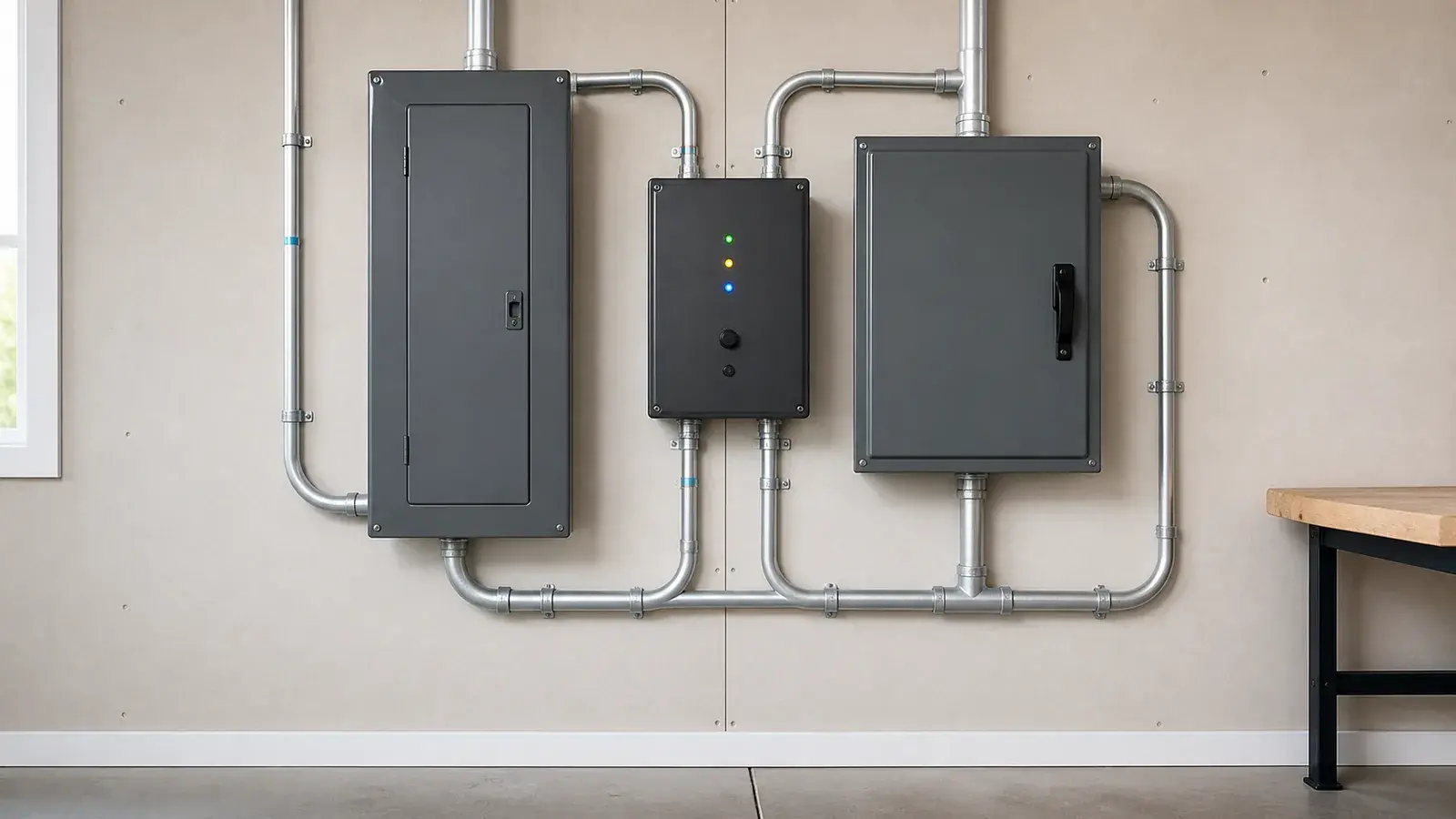
The 120% Busbar Rule: Why Spare Breaker Space Is Not Solar-Ready
Understand when the 120% busbar calculation applies, what a 200-amp example means, and which panel details a future solar designer needs.
4 min read
Read Panel Upgrades
Preparing a Panel for Future Solar Interconnection
What to save after panel work for a future solar designer: equipment ratings, drawings, routes, permit records, and the limits of preparation.
4 min read
Read Panel Upgrades
Load Management vs 200-Amp Upgrade for an EV Charger
Compare EV load management with a service upgrade: charging needs, panel condition, available spaces, complete installation scope, and future solar planning.
4 min read
Read Panel Upgrades
SPAN vs Leviton vs a Standard 200-Amp Panel
Compare SPAN, Leviton, and conventional panels by exact equipment, monitoring, load control, backup compatibility, installation scope, and warranty.
6 min read
Read Panel Upgrades
Smart Panel vs Standard Panel Upgrade
A smart panel is still a panel project. Here is when circuit monitoring and load management justify the premium over a standard 200-amp replacement.
5 min read
Read 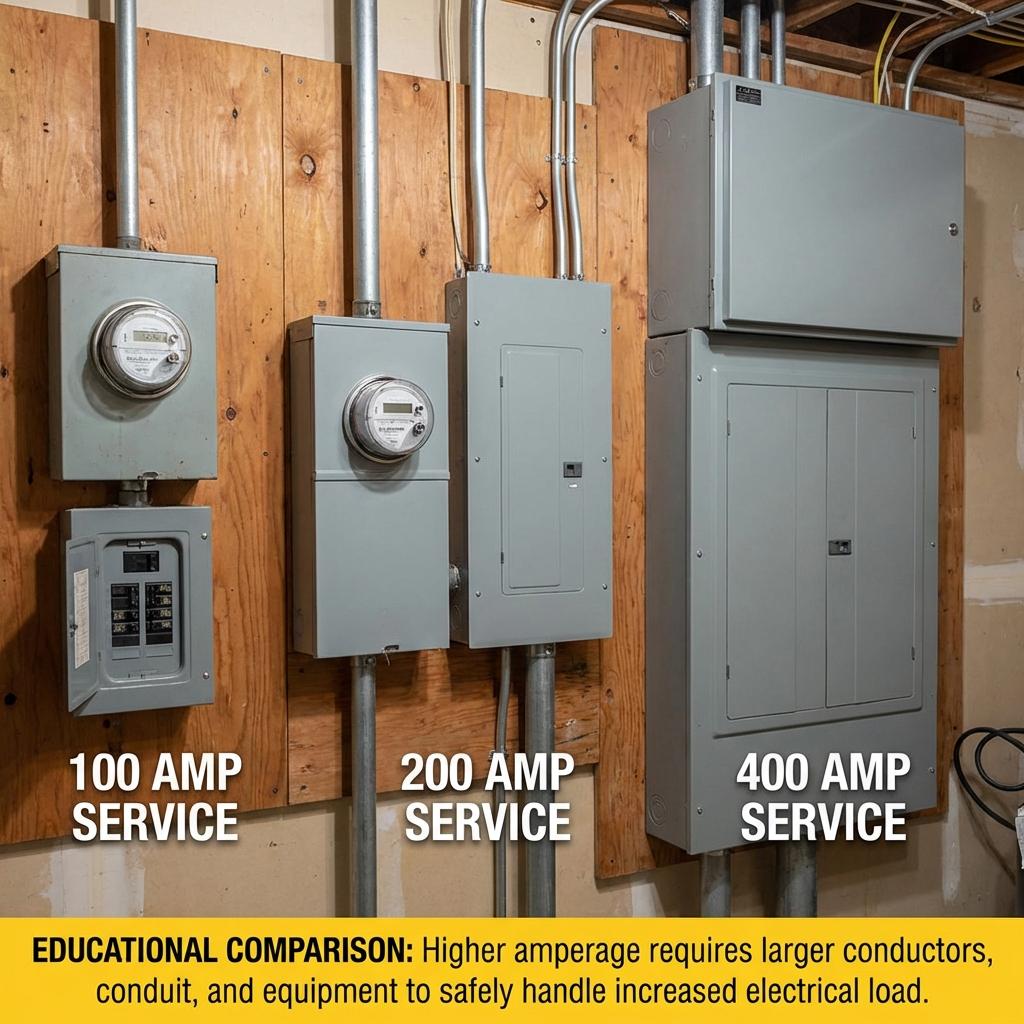
Panel Upgrades
What Is a Heavy-Up? The DMV Term for an Electrical Service Upgrade, Explained
Heavy-up is what electricians around Washington, DC call an electrical service upgrade. Learn what a heavy-up includes, when your home needs one, and what it costs.
6 min read
Read 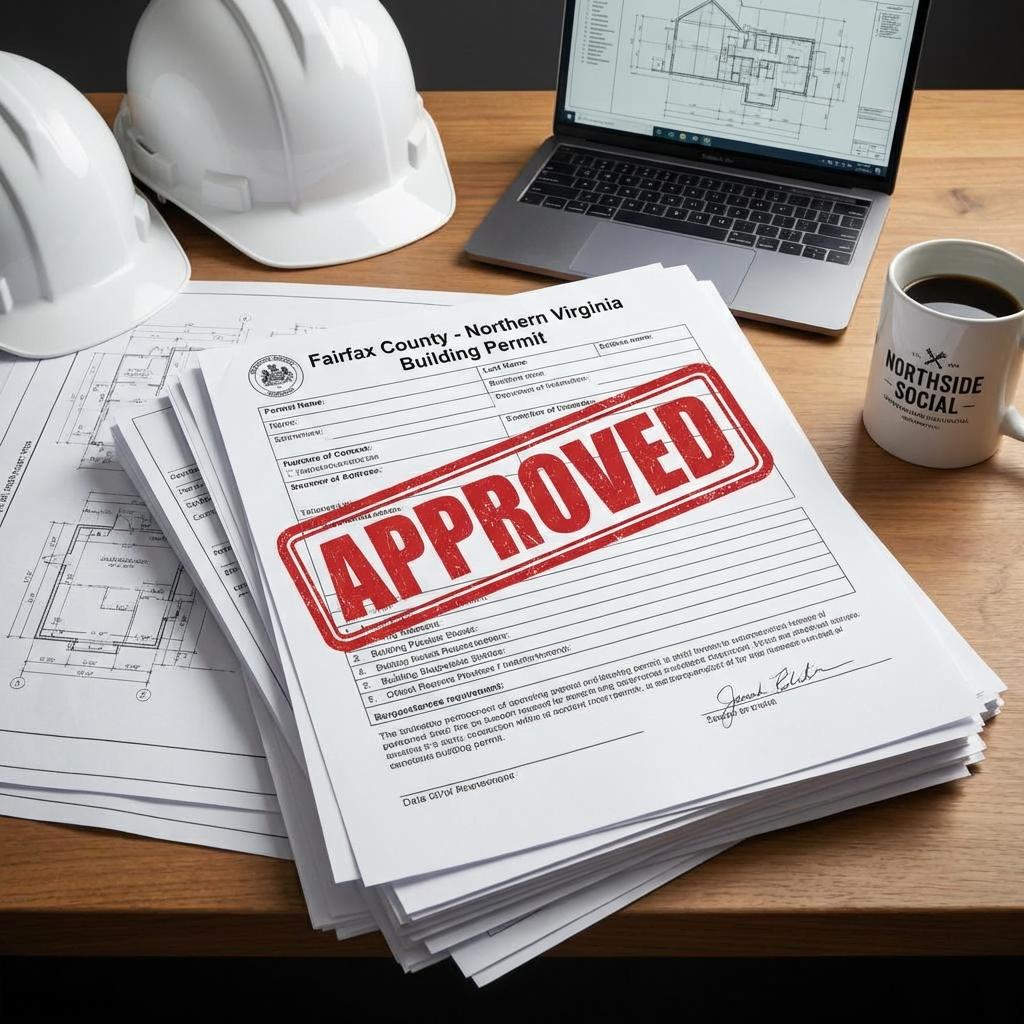
Panel Upgrades
Panel Upgrade Inspection: What to Expect and What Inspectors Check
Every permitted panel upgrade ends with a county inspection. Learn what inspectors check, how rough-in and final inspections differ, and what happens if something fails.
5 min read
Read 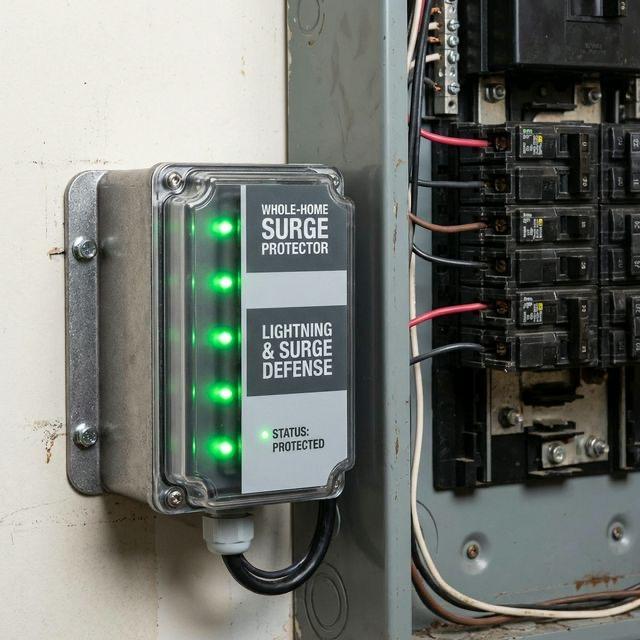
Panel Upgrades
Whole-House Surge Protection: Adding Protection During Panel Upgrades
Panel upgrades are the perfect time to add whole-house surge protection. Learn how surge protectors work, why they matter, and how to protect your home from electrical surges.
3 min read
Read 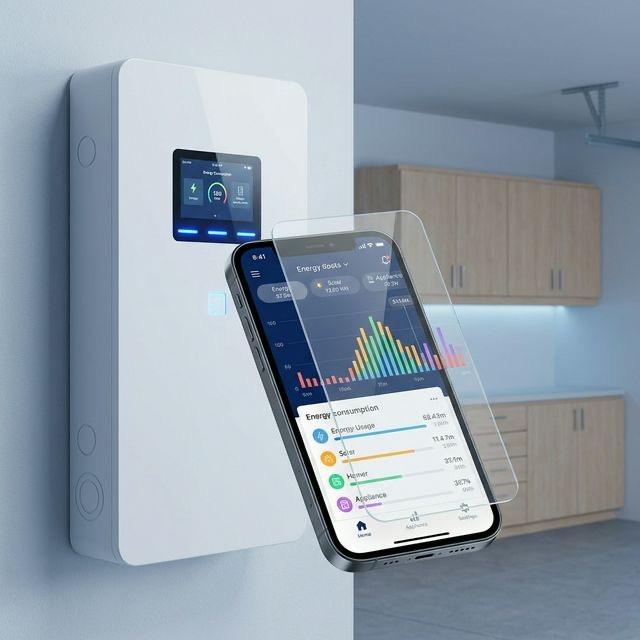
Panel Upgrades
Smart Electrical Panels: Are They Worth the Investment?
Smart panels offer monitoring, control, and advanced features. Learn about smart panel options, costs, and whether upgrading to a connected panel makes sense for your home.
4 min read
Read 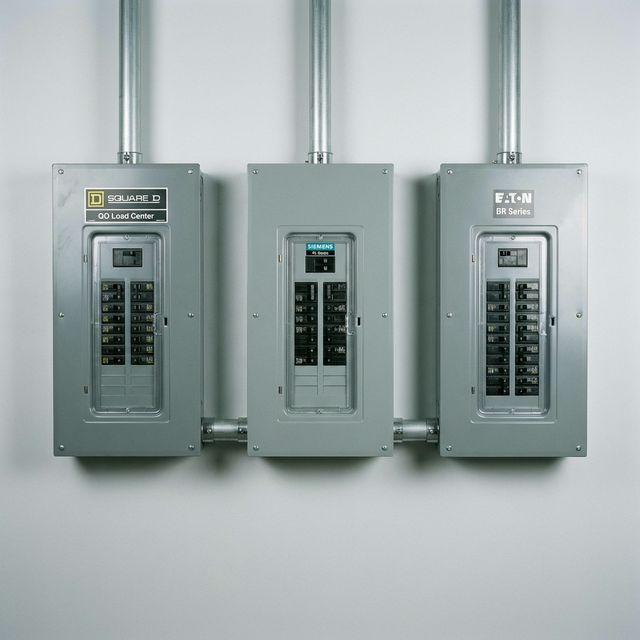
Panel Upgrades
Choosing the Right Electrical Panel Brand: 2026 Comparison Guide
Not all electrical panels are created equal. Compare top panel brands including Square D, Siemens, Eaton, and more to make an informed decision for your upgrade.
5 min read
Read 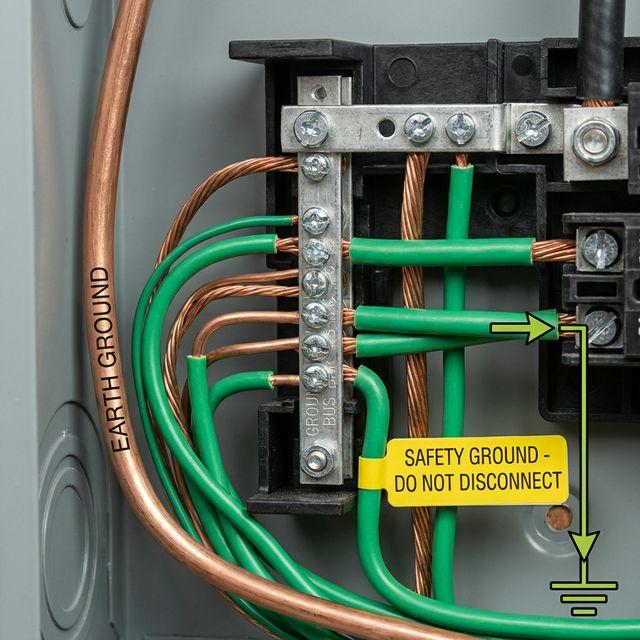
Panel Upgrades
Understanding Electrical Panel Grounding and Bonding: Why It Matters
Learn how panel grounding and bonding differ, where neutral and ground connect, and what to include in a professional panel assessment.
5 min read
Read 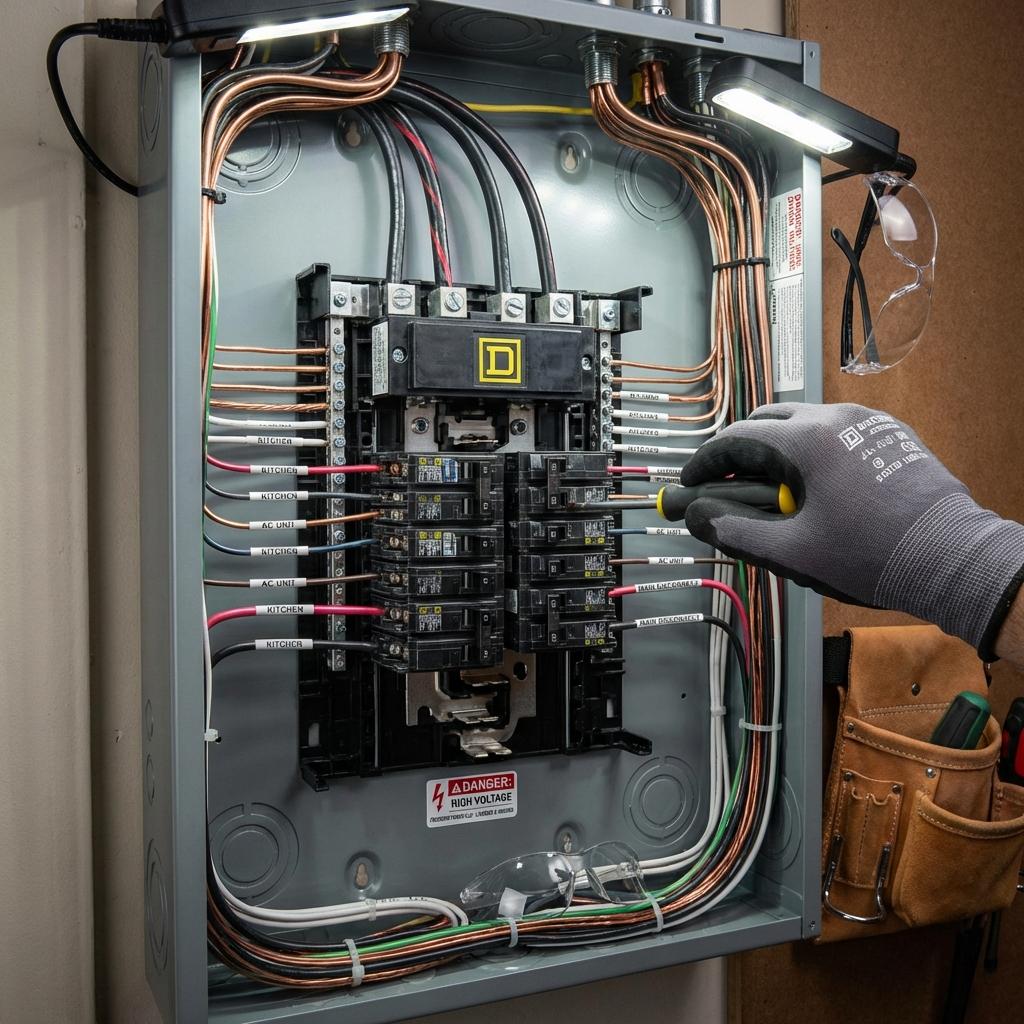
Panel Upgrades
Complete Guide to Electrical Panel Upgrades in Northern Virginia
Everything Northern Virginia homeowners need to know about electrical panel upgrades, including signs you need one, types of panels, costs, permits in Fairfax, Arlington, and Loudoun, and what to expect during the upgrade process.
11 min read
Read 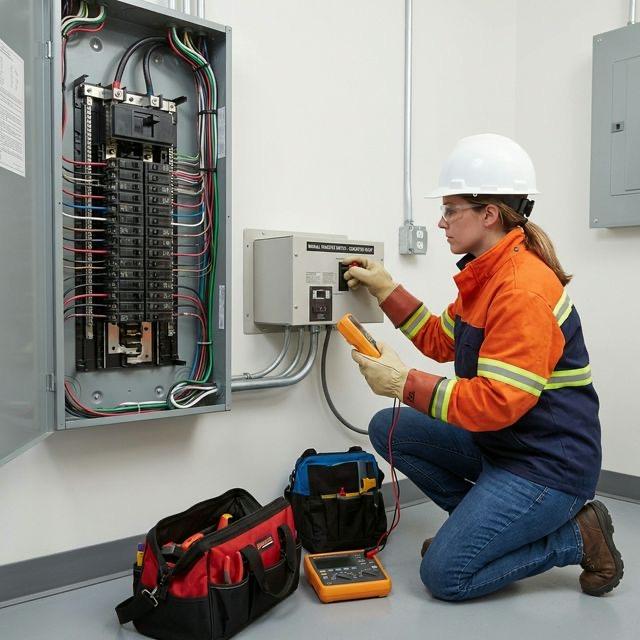
Panel Upgrades
Transfer Switch and Panel Requirements for Backup Power: Complete Guide
Plan a safe backup-power connection: transfer switches, panel interlocks, neutral switching, load management, permits, and equipment compatibility.
5 min read
Read 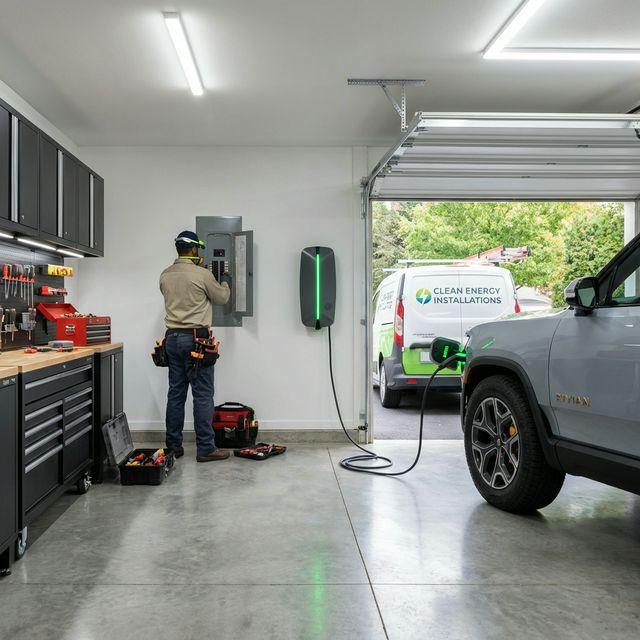
Panel Upgrades
Panel Upgrade for EV Charger Installation: What You Need to Know
Thinking about installing an EV charger but worried about your electrical capacity? Learn when you need a panel upgrade for EV charging and how to plan your installation.
5 min read
Read 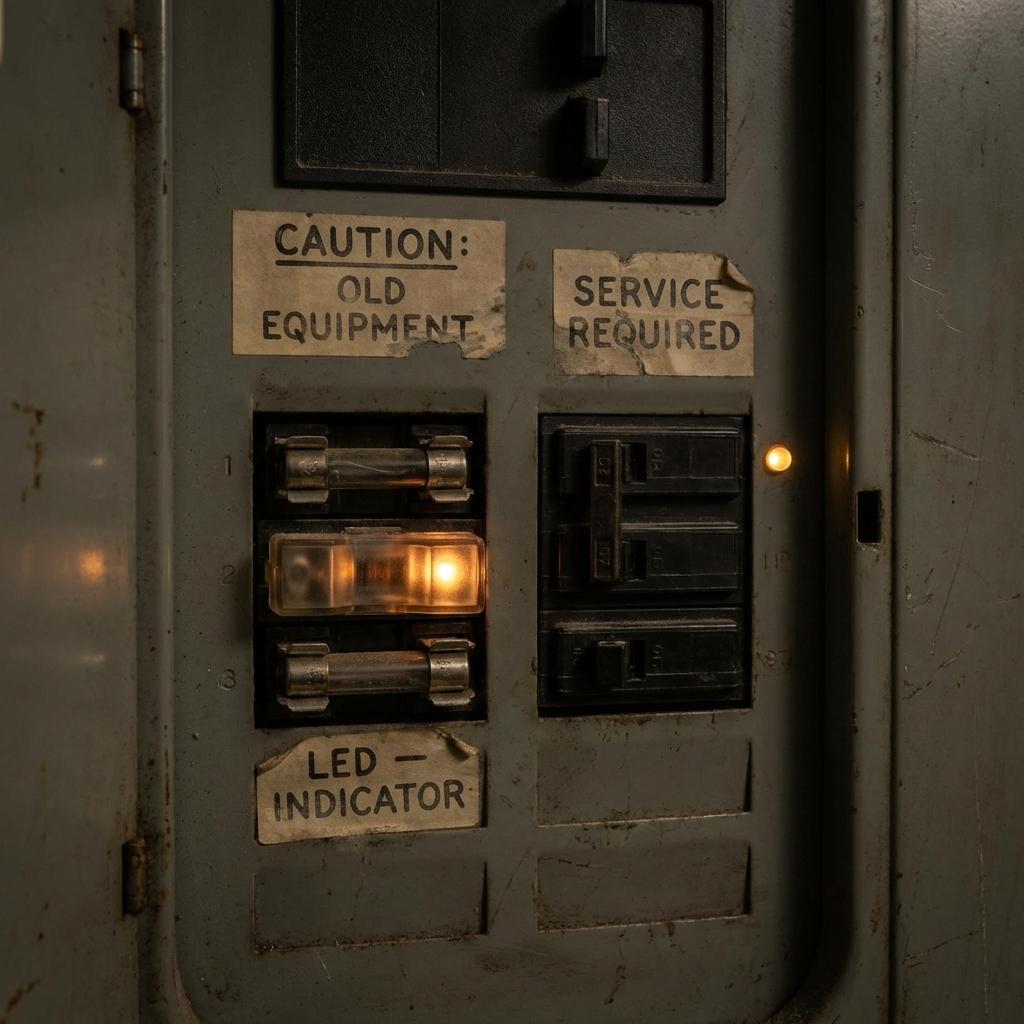
Panel Upgrades
Electrical Panel Symptoms Decoded: What Flickering, Tripping, and a Warm Panel Really Mean
Flickering lights, a warm panel door, breakers that keep tripping -- each symptom points to a specific problem. Here's what your panel is telling you, and which signs mean call now.
5 min read
Read 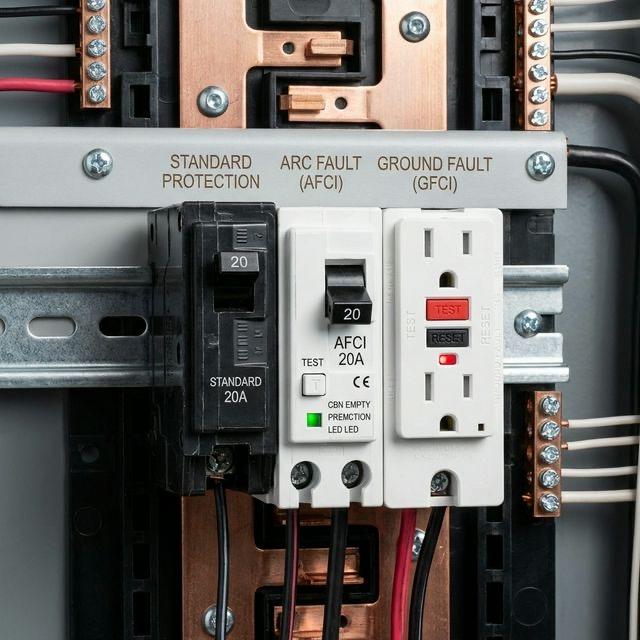
Panel Upgrades
Understanding Circuit Breaker Types: Standard, AFCI, GFCI, and More
Not all circuit breakers are the same. Learn about the different types of breakers, what protection they provide, and where each type is required in your home.
4 min read
Read 
Panel Upgrades
How Long Does an Electrical Panel Upgrade Take?
Planning around a panel upgrade? Learn typical timelines for different types of upgrades, from simple replacements to full service upgrades, and what factors affect duration.
4 min read
Read 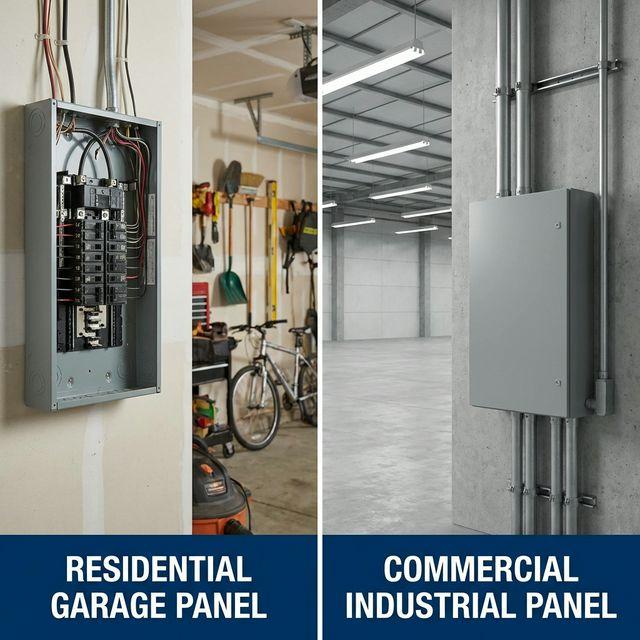
Panel Upgrades
Commercial vs Residential Electrical Panels: Key Differences Explained
Commercial and residential electrical panels serve different needs and have distinct requirements. Learn the key differences in capacity, installation, and code requirements.
5 min read
Read 
Panel Upgrades
Should You Upgrade Your Electrical Panel Before Selling Your Home?
Planning to sell your Northern Virginia home? Learn how panel condition, capacity, permits, and third-party requirements shape the upgrade decision.
4 min read
Read 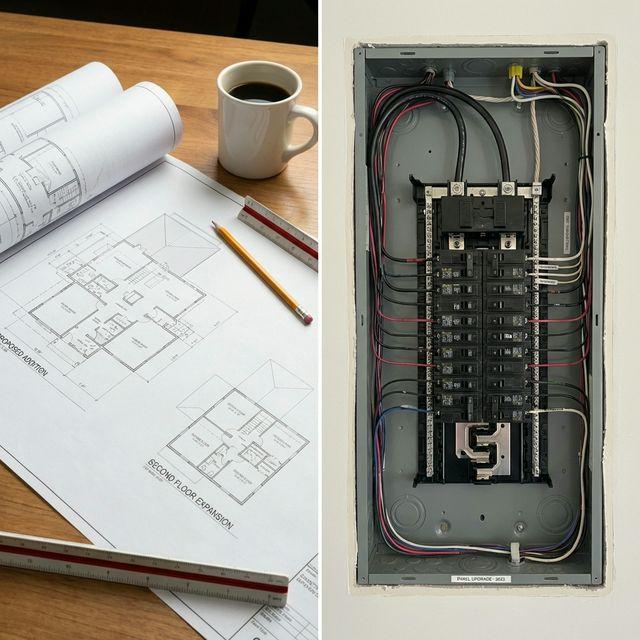
Panel Upgrades
Panel Upgrades for Home Additions: Planning Your Electrical Expansion
Planning a home addition? Learn why most additions require electrical panel upgrades and how to plan your electrical expansion for finished basements, room additions, and ADUs.
4 min read
Read 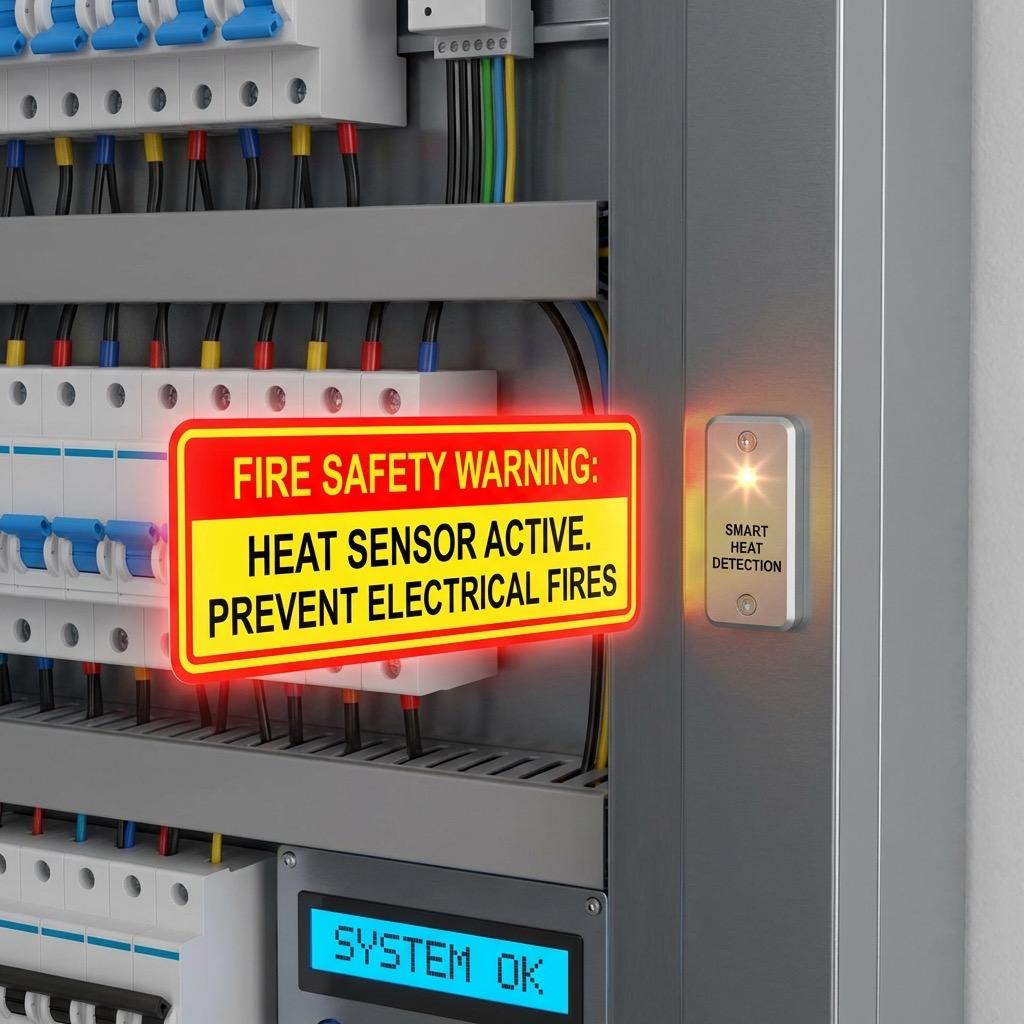
Panel Upgrades
Electrical Panel Fire Safety: Prevention, Detection, and Response
Electrical panels are involved in thousands of house fires each year. Learn how to prevent panel-related fires, detect early warning signs, and respond to electrical emergencies.
4 min read
Read 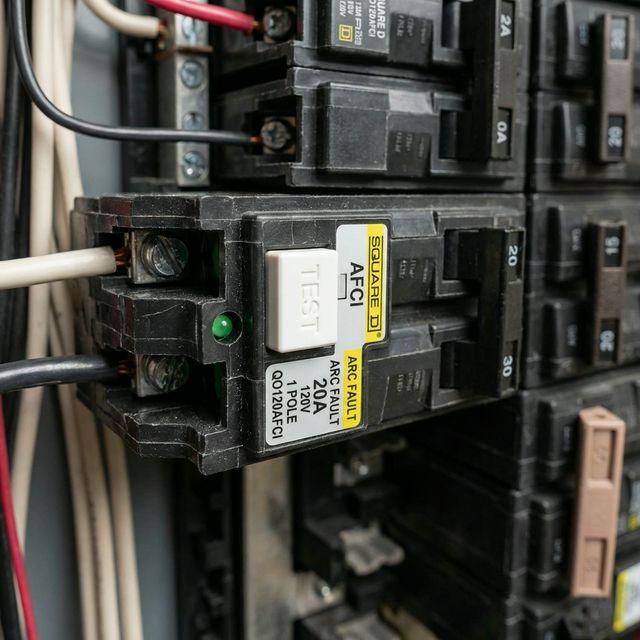
Panel Upgrades
Arc Fault Circuit Interrupter (AFCI) Requirements: What Homeowners Need to Know
Arc fault circuit interrupters are now required in most living spaces. Learn what AFCIs are, why they matter, and how they affect your panel upgrade or renovation project.
5 min read
Read 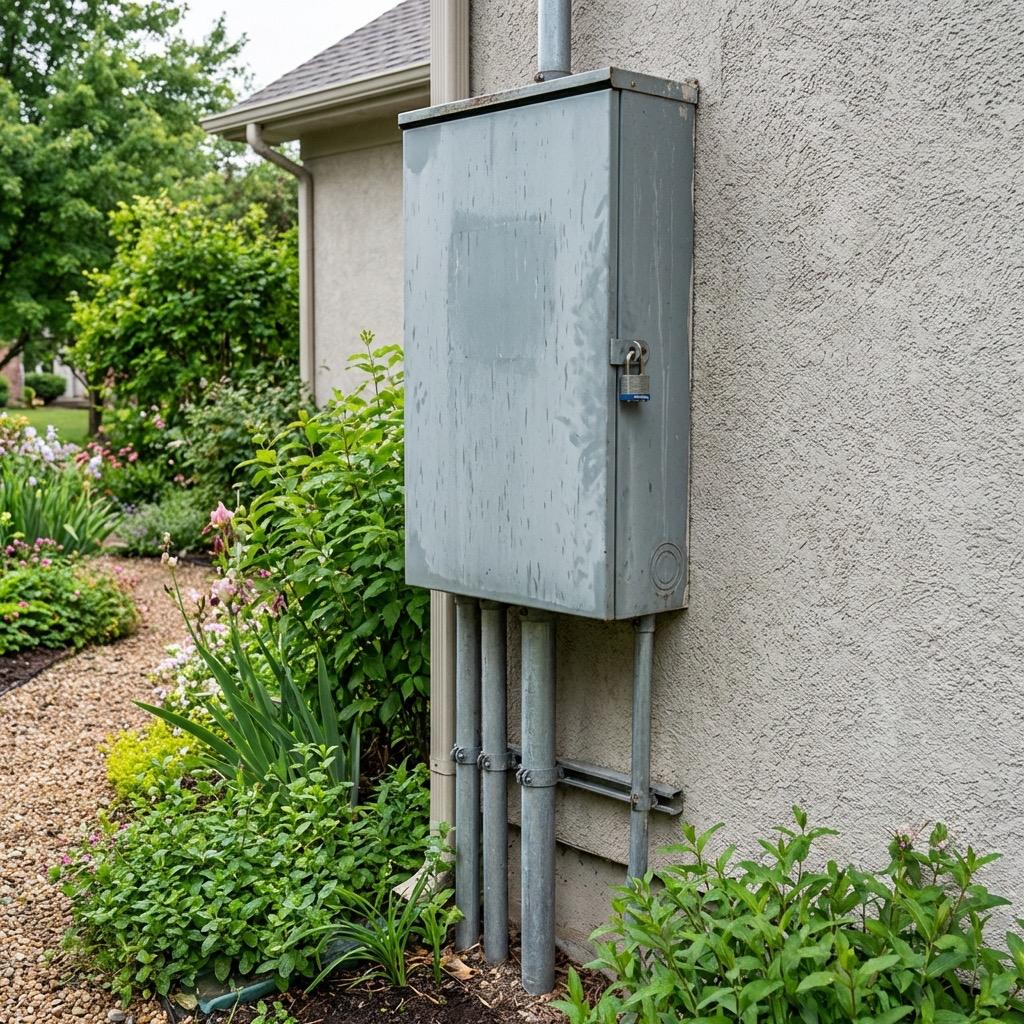
Panel Upgrades
Outdoor Electrical Panels: Requirements, Maintenance, and Upgrades
Many homes in Northern Virginia have outdoor electrical panels. Learn about weatherproofing requirements, maintenance needs, and what to consider when upgrading exterior panels.
4 min read
Read 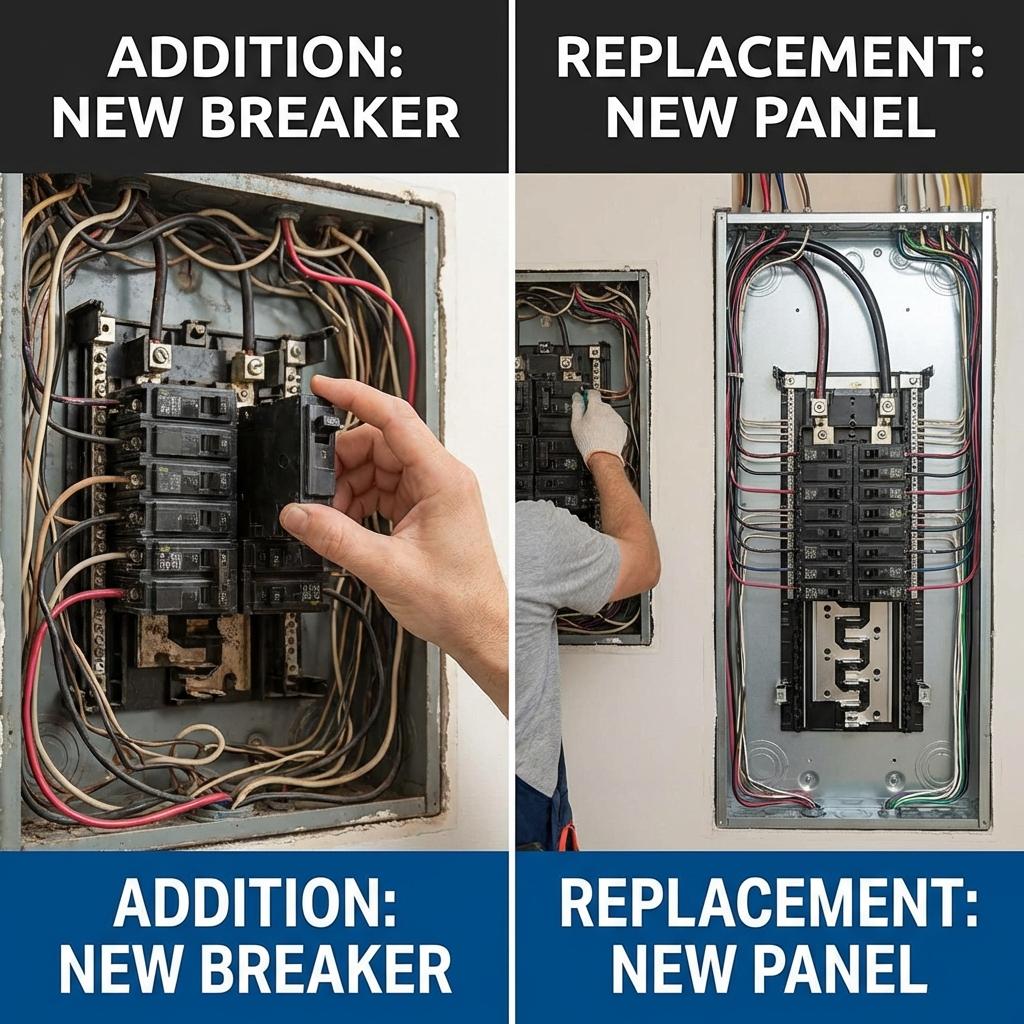
Panel Upgrades
Adding Circuits vs Full Panel Upgrade: Which Do You Need?
Need more electrical capacity but unsure whether to add circuits or upgrade your entire panel? We help you determine the most cost-effective solution for your situation.
5 min read
Read 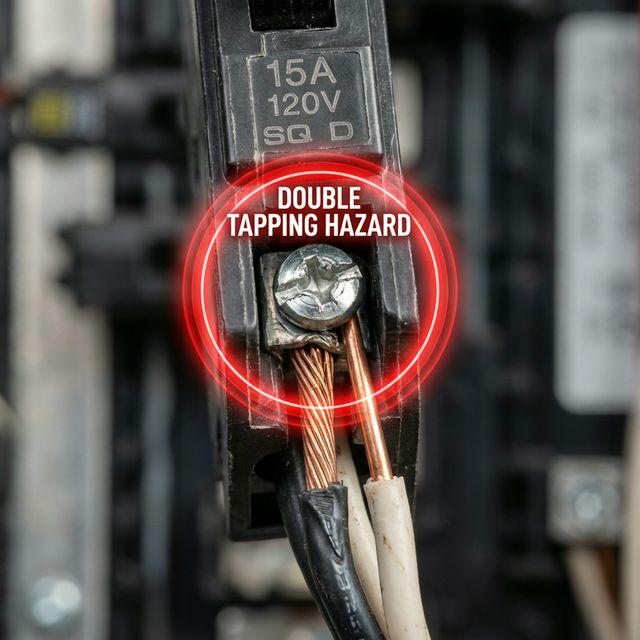
Panel Upgrades
Double-Tapped Breakers: Why They are Dangerous and How to Fix Them
A double-tapped breaker needs an equipment-specific review. Learn permitted two-wire terminals, realistic repair options, and when a panel upgrade is justified.
4 min read
Read 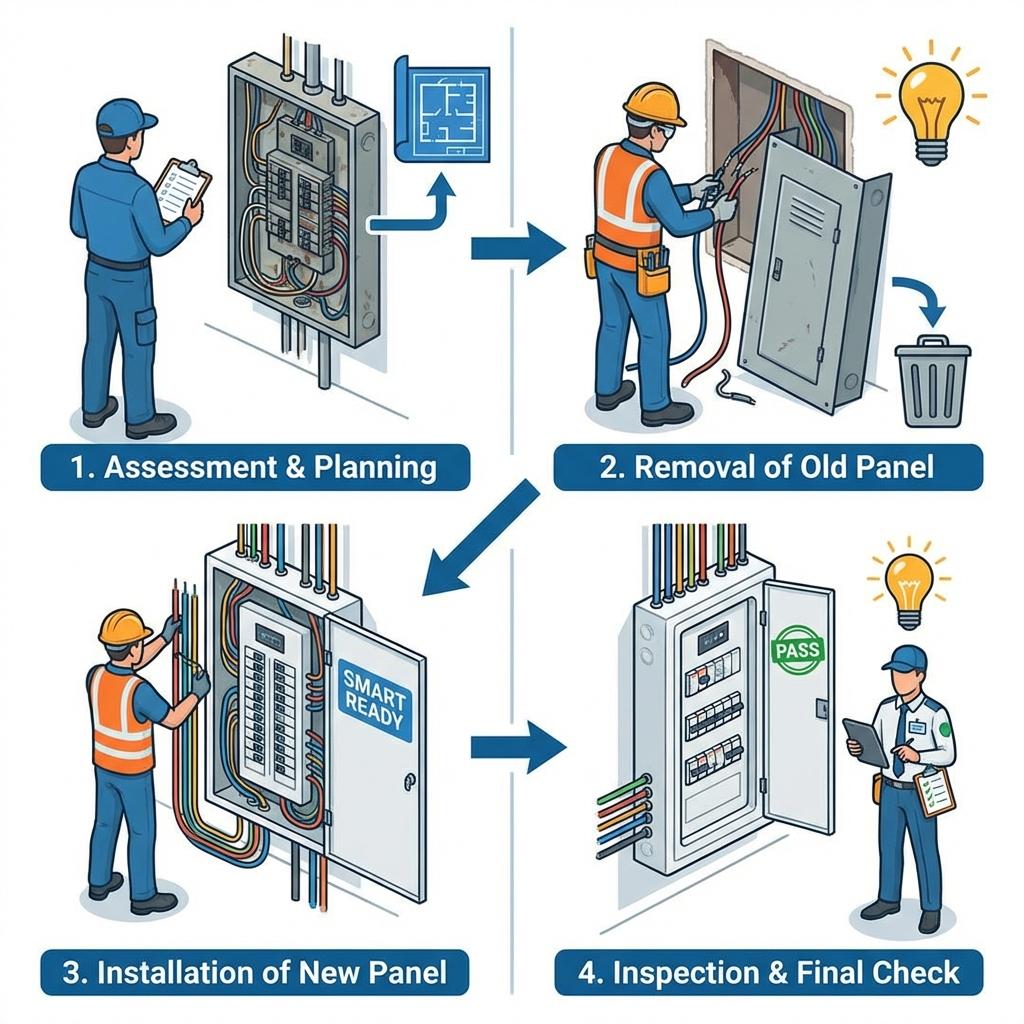
Panel Upgrades
The Electrical Panel Upgrade Process Explained: What to Expect
Wondering what happens during a panel upgrade? We walk you through the entire process from initial assessment to final inspection, so you know exactly what to expect.
4 min read
Read 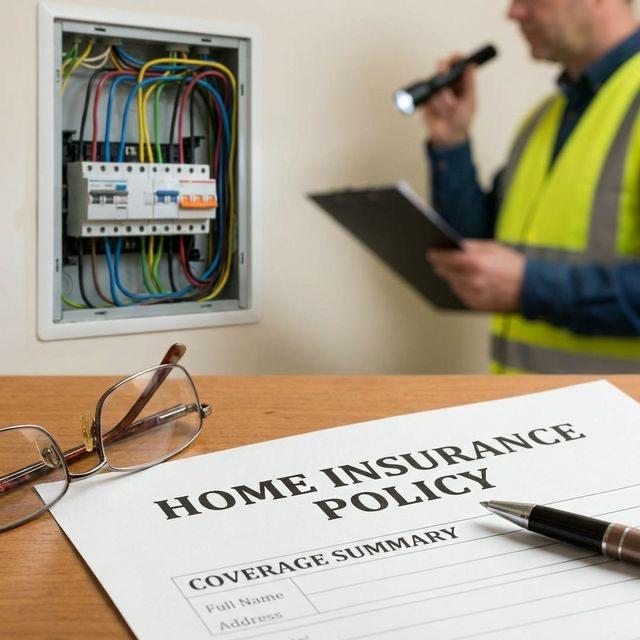
Panel Upgrades
Electrical Panel Upgrades and Home Insurance: What You Need to Know
Your electrical panel can affect home-insurance eligibility and premiums. Learn how to verify carrier requirements and document a completed upgrade.
4 min read
Read Panel Upgrades
Electrical Permit Requirements: Fairfax, Arlington, and Loudoun County Guide
Navigate the electrical permit process in Northern Virginia. Learn what permits you need for panel upgrades, who can pull them, and how inspections work in each county.
4 min read
Read 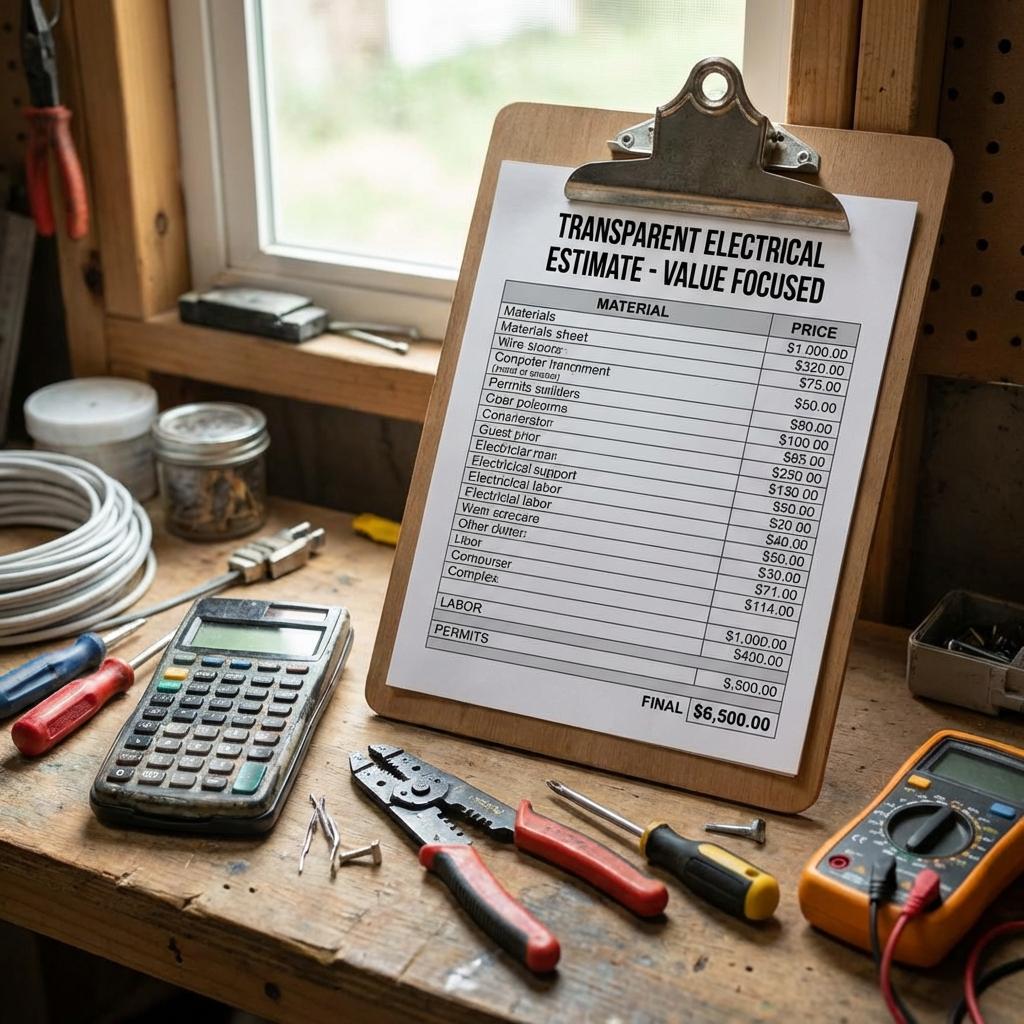
Panel Upgrades
Electrical Panel Upgrade Cost in Northern Virginia: 2026 Pricing Guide
Planning a panel upgrade in Northern Virginia? Get accurate pricing information for 100 to 200 amp upgrades, including permits, labor, and materials for Fairfax, Arlington, and Loudoun counties.
4 min read
Read 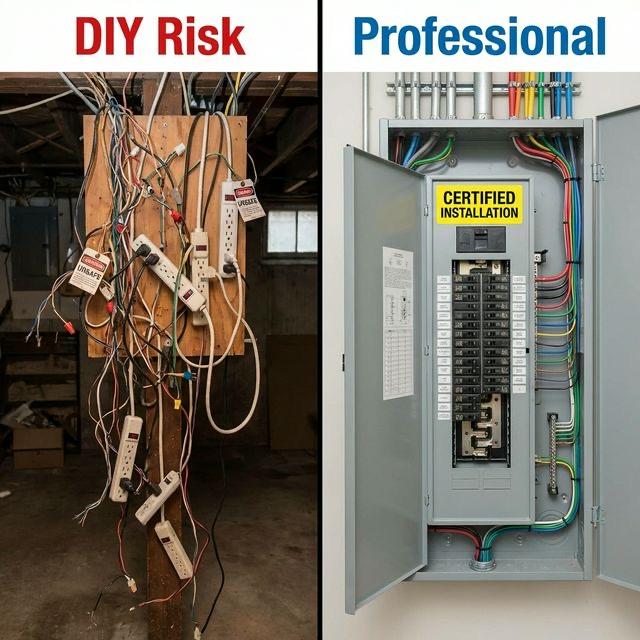
Panel Upgrades
DIY vs Professional Electrical Panel Work: What Homeowners Should Know
Some electrical work is DIY-friendly, but panel work is not. Learn why professional electricians are essential for panel upgrades and what work you can safely do yourself.
4 min read
Read Panel Upgrades
100 Amp vs 200 Amp vs 400 Amp Service: Which Do You Need?
Confused about electrical service sizes? We break down the differences between 100, 200, and 400 amp panels, helping you determine the right size for your Northern Virginia home.
5 min read
Read 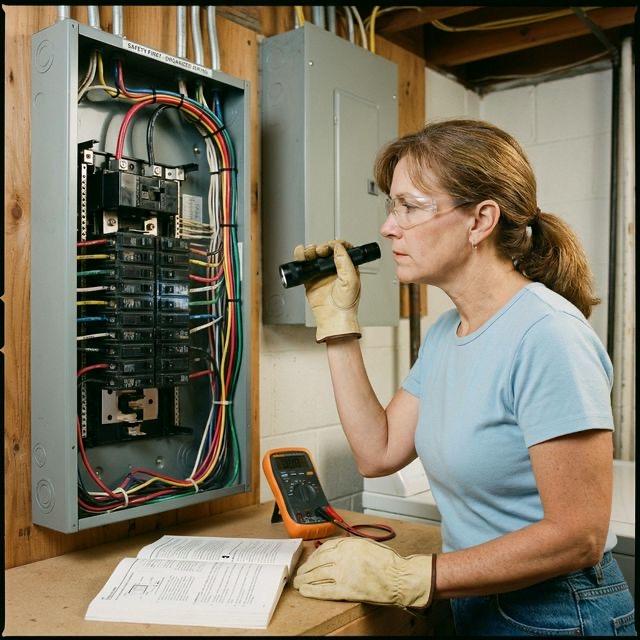
Panel Upgrades
Electrical Panel Maintenance: Annual Inspection Checklist for Homeowners
Regular panel maintenance can prevent problems and extend panel life. Learn what to check annually, warning signs to watch for, and when to call a professional.
3 min read
Read 
Panel Upgrades
10 Warning Signs You Need an Electrical Panel Upgrade in 2026
Is your electrical panel struggling to keep up with modern demands? Learn the top 10 warning signs that indicate it's time for an upgrade, from flickering lights to burning smells.
6 min read
Read 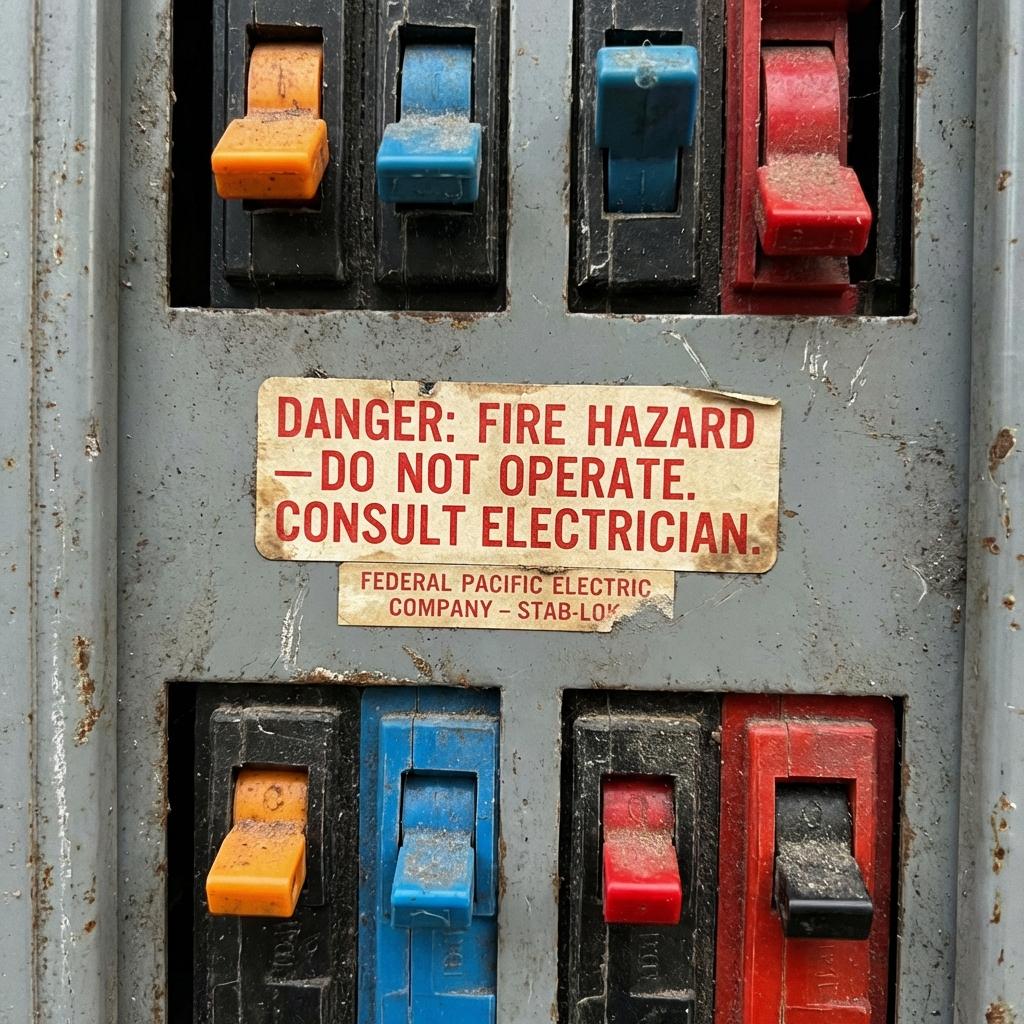
Panel Upgrades
Federal Pacific and Zinsco Panel Dangers: Why You Should Replace Them Now
Federal Pacific and Zinsco electrical panels have been linked to thousands of house fires. Learn why these panels are dangerous and what you should do if your home has one.
5 min read
Read Explore Other Topics
Find more helpful articles in our other categories.
EV Charging
EV charging covers the Level 2 home chargers and circuits that recharge an electric vehicle from your own garage or driveway. These guides walk Northern Virginia drivers through charger selection, the dedicated 240-volt circuit and panel capacity a home charger needs, permitting, and the install costs to expect. A typical Level 2 setup adds roughly 25 to 40 miles of range per hour of charging.
Home Safety
Electrical home safety is the set of practices and devices that prevent shock, fire, and arc-fault hazards in a house. These guides cover GFCI and AFCI protection, smoke and carbon-monoxide detectors, overloaded circuits, aluminum wiring, and the inspections that catch problems early. Faulty wiring contributes to an estimated 45,000 home fires in the U.S. each year, which is why proactive checks matter.
Smart Home
Smart home technology connects lighting, outlets, thermostats, and security to app or voice control through reliable, code-compliant wiring. These articles explain smart switches and dimmers, whole-home automation hubs, structured low-voltage cabling, and the electrical groundwork a dependable smart home needs. Done right, a connected home can trim lighting and HVAC energy use by 10 to 15 percent.
Commercial
Commercial electrical work covers the power systems, lighting, and code compliance that keep offices, retail spaces, restaurants, and multi-unit buildings running. These articles address three-phase service, panel and subpanel design, dedicated circuits for commercial equipment, emergency and exit lighting, and the permitting and NEC inspections that commercial properties must pass. Most commercial projects in Northern Virginia must meet the National Electrical Code on a roughly three-year update cycle, so staying current protects both safety and your certificate of occupancy.
Energy Efficiency
Electrical energy efficiency is the practice of cutting wasted power through better lighting, smarter controls, and well-sized circuits. These guides cover LED retrofits, dimmers and occupancy sensors, energy monitoring, and load management that lowers your bill without sacrificing comfort. Switching from incandescent to LED lighting alone can reduce that lighting load by up to 75 percent.
Generators
Home backup power comes in two practical forms: a portable generator connected safely through a transfer switch, interlock kit, or inlet box, and a battery power station that stores electricity without combustion exhaust. These guides explain generator backfeed and carbon-monoxide precautions, battery sizing in kWh and watts, and the electrical permitting an installation requires. Battery placement, clearance, operating conditions, transfer behavior, and supported loads must follow the exact equipment listing, manufacturer instructions, and approved design.
Lighting
Lighting design pairs the right fixtures, layers, and controls to make a space both functional and inviting. These articles cover interior and exterior lighting, recessed and accent fixtures, landscape and security lighting, dimming systems, and energy-efficient LED upgrades. A well-planned layout typically blends three layers of light, ambient, task, and accent, to balance comfort and utility.
Seasonal
Seasonal electrical care is the year-round maintenance that keeps a home's wiring, outlets, and outdoor circuits safe through changing weather. These guides cover holiday lighting loads, storm and outage preparation, surge protection, and warm- and cold-weather inspections tuned to the Mid-Atlantic climate. A few targeted seasonal checks each year head off the outages and hazards that peak during DMV summer storms and winter cold snaps.
Local Services
Local services are the city- and neighborhood-specific electrical guides for homeowners across Northern Virginia and the greater DMV. These articles cover permitting and inspection rules by jurisdiction, common wiring issues in older local housing stock, and what to expect from a licensed electrician in your community. AJ Long Electric serves more than two dozen cities and towns across Northern Virginia, Maryland, and Washington, D.C.
Cost & Pricing
Electrical cost and pricing guides explain what common projects actually cost and the factors that move the final number. These articles break down pricing for panel upgrades, EV chargers, rewiring, lighting, and service calls, plus how labor, materials, permits, and home age affect a quote. As a benchmark, licensed electrical labor in the Northern Virginia and DMV market typically runs between $90 and $150 per hour.
Comparisons
Comparison guides weigh competing electrical products and approaches side by side so you can choose with confidence. These articles contrast options like 100- versus 200-amp service, hardwired versus plug-in EV chargers, portable generators versus battery power stations, and LED versus traditional lighting, with the trade-offs in cost, safety, and performance laid out plainly. Each comparison names the scenario where one option clearly wins so the decision is straightforward.
FAQ
This FAQ collection gives direct, in-depth answers to the electrical questions Northern Virginia homeowners ask most. The articles explain code requirements, safety concerns, project timelines, permitting, and when to call a licensed electrician, written so a homeowner can act on the answer. Every answer reflects current National Electrical Code guidance and real field experience from licensed DMV electricians.
Related Services
Ready to move from reading to results? Our licensed Northern Virginia electricians handle the work covered in these guides — permitted, inspected, and warrantied.
Ready for Professional Electrical Service?
Our licensed electricians are ready to help with any electrical project in Northern Virginia.