
Commercial electrical pricing is typically based on project scope, timeline requirements, and complexity rather than simple hourly rates. Business owners in Northern Virginia face unique electrical challenges, from tenant improvements in Tysons Corner office buildings to service upgrades for growing restaurants in Arlington, to EV charging installations at Loudoun County corporate campuses. Understanding how commercial electrical pricing works helps you budget accurately, compare contractor bids effectively, and plan for your business's electrical needs.
Key Takeaways
- Commercial electrical work is priced by project scope rather than hourly rates for most jobs
- Tenant improvement electrical costs run $8-$25 per square foot depending on the build-out complexity
- After-hours work to avoid business disruption typically adds 20-40% to project costs
- Annual maintenance contracts provide priority service and lower per-call rates for businesses
- Commercial projects require commercial-grade permits and inspections that differ from residential requirements
Common Commercial Project Costs
Most commercial electrical work is quoted per project. These are common project types and what the price depends on.
Need a Commercial Electrician?
From fleet EV charging to panel upgrades and full tenant build-outs, our licensed team handles commercial electrical projects across Northern Virginia with minimal disruption to your operations. Call (571) 444-6886 to discuss your project.
- Tenant Improvement (per sq ft): $8-$25 -- The electrical component of a tenant build-out includes lighting, outlets, data infrastructure, dedicated circuits for equipment, and panel/subpanel installation. Basic office build-outs fall at the lower end while restaurant, medical, and retail spaces with specialized equipment requirements fall at the higher end.
- 200A to 400A Service Upgrade: Quoted per project after the load, utility design, switchgear, route, and site conditions are reviewed.
- Commercial EV Charging: Quoted per project because station count, service capacity, load management, payment hardware, accessibility, routing, and utility work vary.
- LED Retrofit (per fixture): $75-$200 -- Replacing fluorescent fixtures with LED panels or retrofitting existing fixtures with LED tubes. If a utility lighting program may apply, verify its current written terms directly before purchasing equipment.
- Commercial Backup Power: $6,000-$40,000+ -- For businesses where an outage means lost revenue, commercial-grade battery power stations and transfer-switch integration keep critical circuits running. Medical offices, retail point-of-sale, restaurants protecting refrigeration, and server rooms benefit most. Cost depends on the kWh capacity, number of circuits backed up, and whether the system hardwires through a transfer switch or smart power panel.
- Electric Vehicle Fleet Charging: Engineered and quoted per project, including utility capacity, transformer needs, station count, routing, controls, and load management.
Factors Affecting Commercial Electrical Pricing
Business Hours and Access Restrictions
Unlike residential work where the electrician has full access during business hours, commercial projects often must be scheduled around business operations. A restaurant that cannot lose power during dinner service, a medical office that cannot have construction noise during patient hours, or a retail store that needs work completed overnight all require scheduling accommodations that change the labor plan. Ask the contractor to state the hours the proposal assumes and how a schedule change would be priced.
Prevailing Wage Requirements
Government contracts and some publicly funded projects require prevailing wage rates, under federal Davis-Bacon rules or Virginia's prevailing wage law for public works. The Virginia Department of Labor and Industry publishes the state rates. If your project involves a government lease, a public building or public funding, ask whether prevailing wage applies before you set the budget.
Expedited Timeline Needs
A tenant improvement that takes 8 weeks instead of 6 means two more weeks of rent without revenue. Expediting electrical work can require additional crews, overtime labor and faster material procurement, all of which increase costs. Compare that added cost with the rent and lost revenue a later opening would cost you.
Code Compliance Complexity
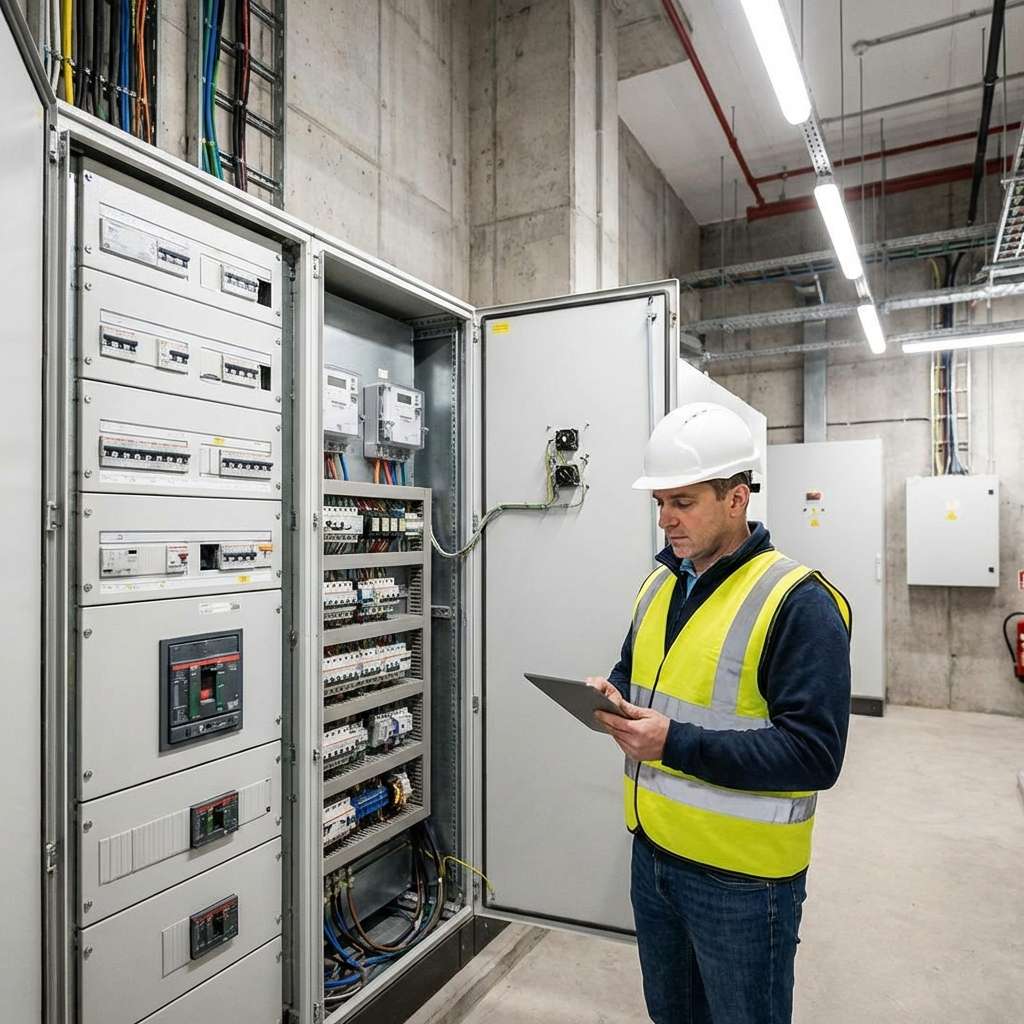
Commercial electrical codes are more stringent than residential requirements. Commercial installations must comply with NFPA 70 (National Electrical Code), local amendments, fire marshal requirements, and ADA accessibility standards. Certain occupancy types such as restaurants, medical facilities, and assembly spaces have additional requirements that increase design and installation complexity.
Permit and Inspection Requirements
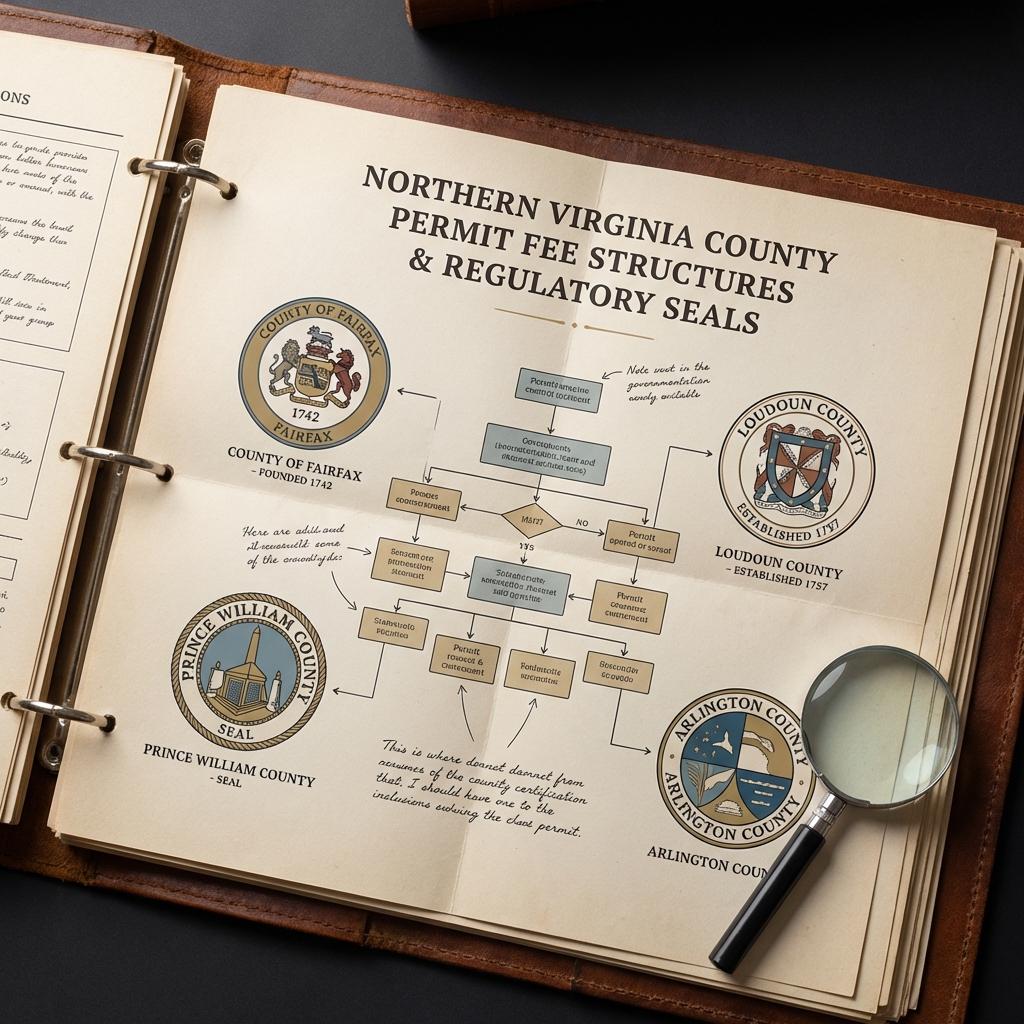
Commercial electrical permits involve more detailed plan review than residential permits. Fairfax County routes plans through Building Plan Review in its PLUS portal, while Arlington County uses its Inspection Services Division. Review queues, correction cycles, expedited options, and fees change; confirm the current path when the project is submitted rather than relying on a fixed turnaround.
Good to Know: Prospective tenants may ask about lighting efficiency, EV charging and spare electrical capacity when comparing spaces. Keeping records of electrical upgrades makes those questions easier to answer.
Commercial Tenant Improvement Electrical Guide
Understanding the Build-Out Process
When leasing commercial space in Northern Virginia, the electrical portion of a tenant improvement (TI) build-out is one of the largest trade costs. The process begins with an electrical engineer or your contractor creating a plan based on your space layout, equipment requirements, and code requirements. This plan is submitted for permit review, and once approved, the electrical rough-in begins.
Base Building vs. Tenant Responsibility
Your lease should clearly define what electrical infrastructure the landlord provides (base building) versus what you are responsible for (tenant improvement). Typically, the landlord provides electrical service to the space, a main panel or distribution board, and basic lighting in the shell condition. The tenant is responsible for additional circuits, specialized lighting, data cabling infrastructure, and any equipment-specific electrical requirements.
TI Cost Drivers
The per-square-foot cost of electrical tenant improvement varies significantly based on the space type. A basic open office with standard lighting and outlets runs $8-$12 per square foot. A private office build-out with conference rooms and IT closets costs $12-$18 per square foot. A restaurant with commercial kitchen equipment, hood ventilation, and specialized lighting can reach $20-$25 per square foot or more.
LED Retrofits: What Drives the Numbers
Whether an LED retrofit pays back depends on the facility. These are the inputs to check.
Energy Savings
LED retrofit outcomes depend on the existing and proposed fixture wattage, fixture count, operating hours, controls, maintenance needs, and current electricity rate. A lighting audit should model those inputs for the actual facility; no universal savings figure applies.
Maintenance Savings
LED fixtures and lamps are usually rated for longer life than fluorescent tubes, but ratings vary by product. Compare the rated hours on the manufacturer spec sheets for the products proposed. Longer life can reduce lamp replacement and maintenance labor.
Utility Rebates
Utilities may publish commercial lighting programs, but approved equipment, eligibility, funding, and benefit amounts change. Verify current written terms directly before purchasing equipment and do not assume an incentive or payback outcome.
Tip: When planning a commercial LED retrofit, start with a lighting audit. Your electrician should evaluate every fixture in your space, measure current light levels, and calculate the energy savings and payback period for the retrofit. This data helps you make an informed investment decision.
Commercial Maintenance Contracts
Some businesses use an annual electrical maintenance agreement to schedule inspections and plan repairs. Read what an agreement includes before signing. Common items:
- Scheduled inspections: Semi-annual or quarterly inspections of panels, connections, lighting, and safety systems to identify potential issues before they cause failures or safety hazards.
- Urgent call handling: How the agreement handles urgent calls. Read the exact wording and get any response commitment in writing.
- Repair pricing: Whether repairs during the agreement use standard rates or different terms.
- Thermal imaging: Annual thermal imaging scans of electrical panels and connections identify hot spots that indicate loose connections or overloaded circuits before they cause failures.
- Code compliance monitoring: Your contractor monitors code changes that affect your facility and advises on required updates.
Annual maintenance contract pricing varies based on facility size, equipment complexity, and the level of service included. Any effect on emergency frequency, downtime, equipment life, or operating cost depends on facility conditions and cannot be guaranteed.
Partner with AJ Long Electric for Your Commercial Needs
AJ Long Electric is a family-owned Northern Virginia electrical contractor in business since 1996. We take on commercial work including tenant improvements, service upgrades and LED retrofits. A written proposal states the scope, the working hours it assumes, access requirements and exclusions. Call (571) 444-6886 to discuss the project. We serve businesses throughout Fairfax, Arlington, Loudoun, and Prince William counties.