
Key Takeaways
- Describe the work, not just the appliance or room, when asking about permits.
- A device replacement is different from new or relocated wiring.
- Permit issuance, inspections, and final approval are separate milestones.
- Confirm responsibility for permits and finish repairs in the written project scope.
Start with the Virginia permit rule
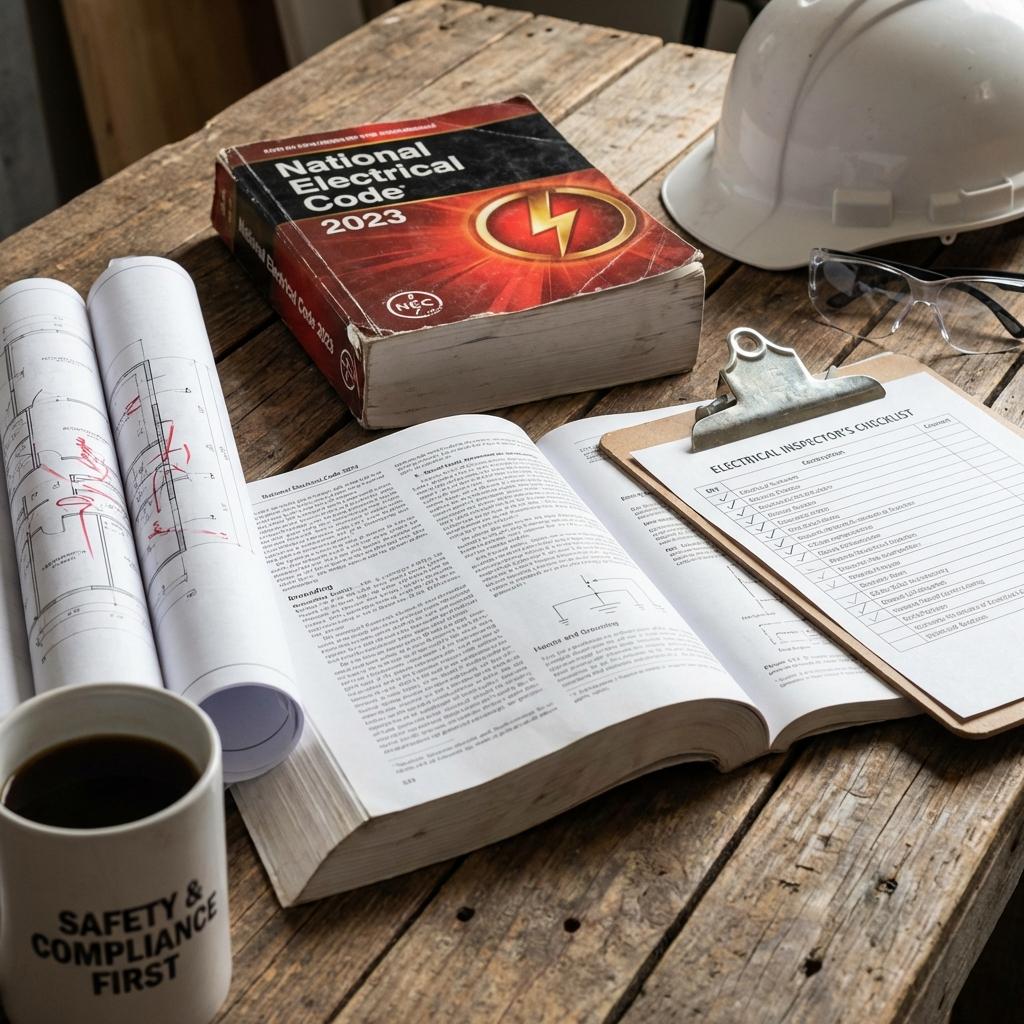
Virginia Section 108 requires permits for covered construction and electrical installation or alteration, then lists exemptions. For electrical work, Section 108.2 item 14.3 identifies ordinary replacement of specified switches, 125-volt 15- or 20-amp receptacles, luminaires, and ceiling fans in specified residential occupancies. Read the occupancy and scope conditions rather than assuming every replacement is exempt.
Concerned About Your Home's Electrical Safety?
A professional electrical inspection identifies hidden hazards before they become emergencies. Our licensed electricians provide thorough safety inspections throughout Northern Virginia. Call (571) 444-6886 to schedule yours.
The regulation also says that exemption from a permit does not authorize a code violation. Other exceptions, including special flood hazard conditions, can affect whether a permit is needed. A qualified electrician can help describe the work, but the building department determines how the permit rules apply.
Common examples: what is actually changing?
| Proposed work | Permit question to resolve |
|---|---|
| Replace an existing ordinary switch, receptacle, fixture, or ceiling fan | Does it meet the listed ordinary-repair exemption, including residential occupancy and unchanged wiring scope? |
| Add or move an outlet, run a new circuit, or extend wiring for a remodel | What electrical permit and inspection stages cover the new or altered wiring? |
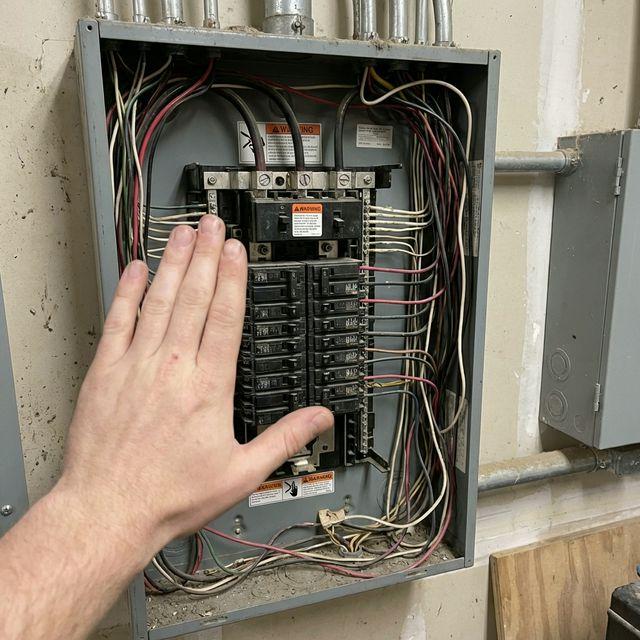
| Replace a panel, change the service, or add a subpanel | What permit, load information, utility coordination, and inspections are required? |
| Install an EV charger, generator connection, or battery system | Which electrical and other approvals apply to the selected equipment and connection? |
Do not apply an electrical-device exemption to an entire water-heater, HVAC, or appliance replacement. Other trades and equipment-specific provisions can be involved. Similarly, replacing a light with a ceiling fan requires appropriate support even where the electrical work qualifies as an ordinary repair.
Find the right local authority
Virginia's statewide code framework is administered locally. The DHCD code page identifies the adopted editions; the local permit office provides application instructions and inspection procedures. A mailing city name is not enough to identify jurisdiction. Fairfax County and the independent City of Fairfax, for example, have different authorities.
For county projects, the Fairfax County residential electrical permit guide is a useful starting point. Check whether the property and building classification belong in that process. Condominiums and other building types can follow different paths. Do not assume a timeline from a nearby county applies to your address.
Agree on responsibilities before work begins
The written quote should state who applies for the permit, whether fees are included, who coordinates any utility disconnect, and who requests required inspections. Confirm what access you must provide and whether finish repairs are included. A permit fee is not the same as the electrician's labor for drawings, coordination, or a return visit.
For an owner application, confirm the applicable exemption and declarations with the permit office. Virginia Code § 54.1-1101 includes conditional primary-residence and other owner exemptions; it does not categorically bar all rental-property work. Legal eligibility does not establish competence to perform a hazardous task. Our DIY legality guide explains that distinction.
Plan the inspection sequence before closing walls
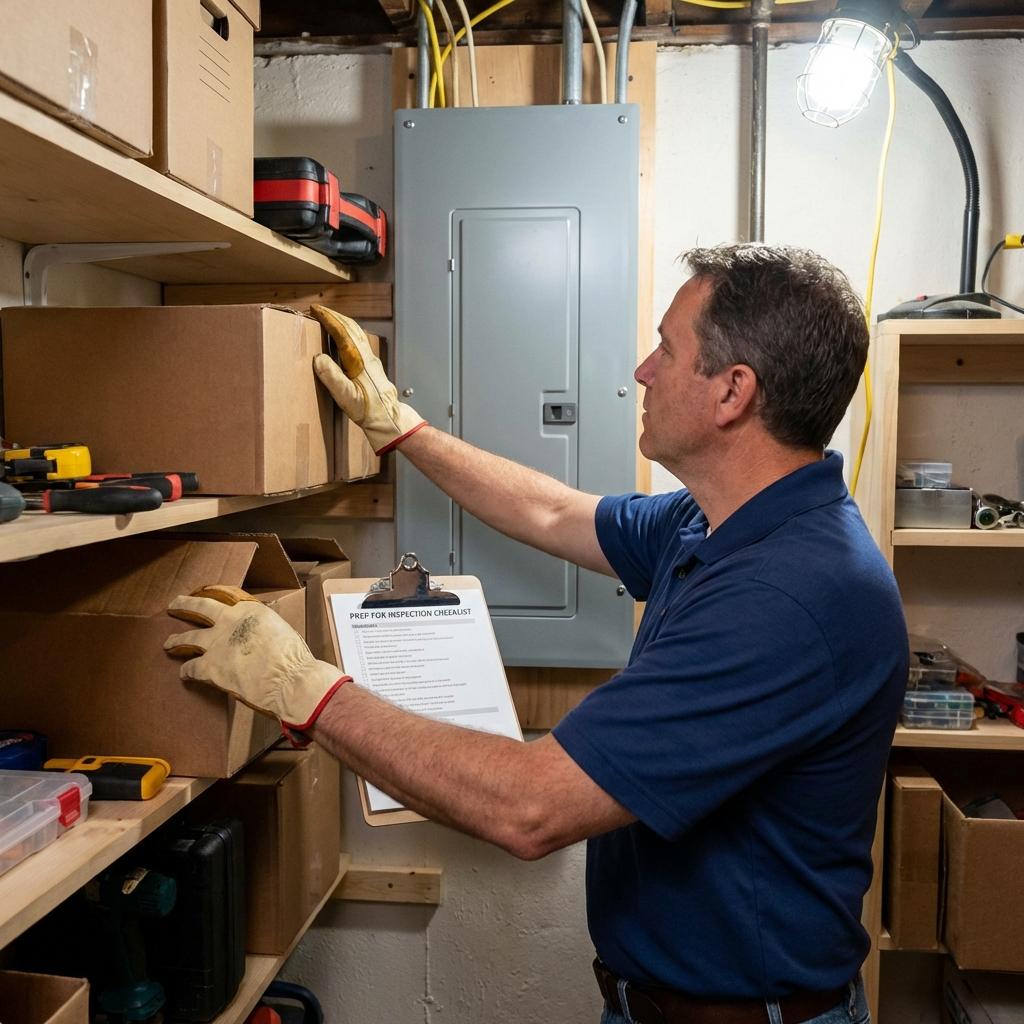
New concealed wiring may require a rough-in inspection before insulation or finishes cover it. Other scopes may need service, trench, or final inspections. Ask which stages apply and what must remain accessible. A final inspection does not necessarily replace an inspection that should have happened earlier.
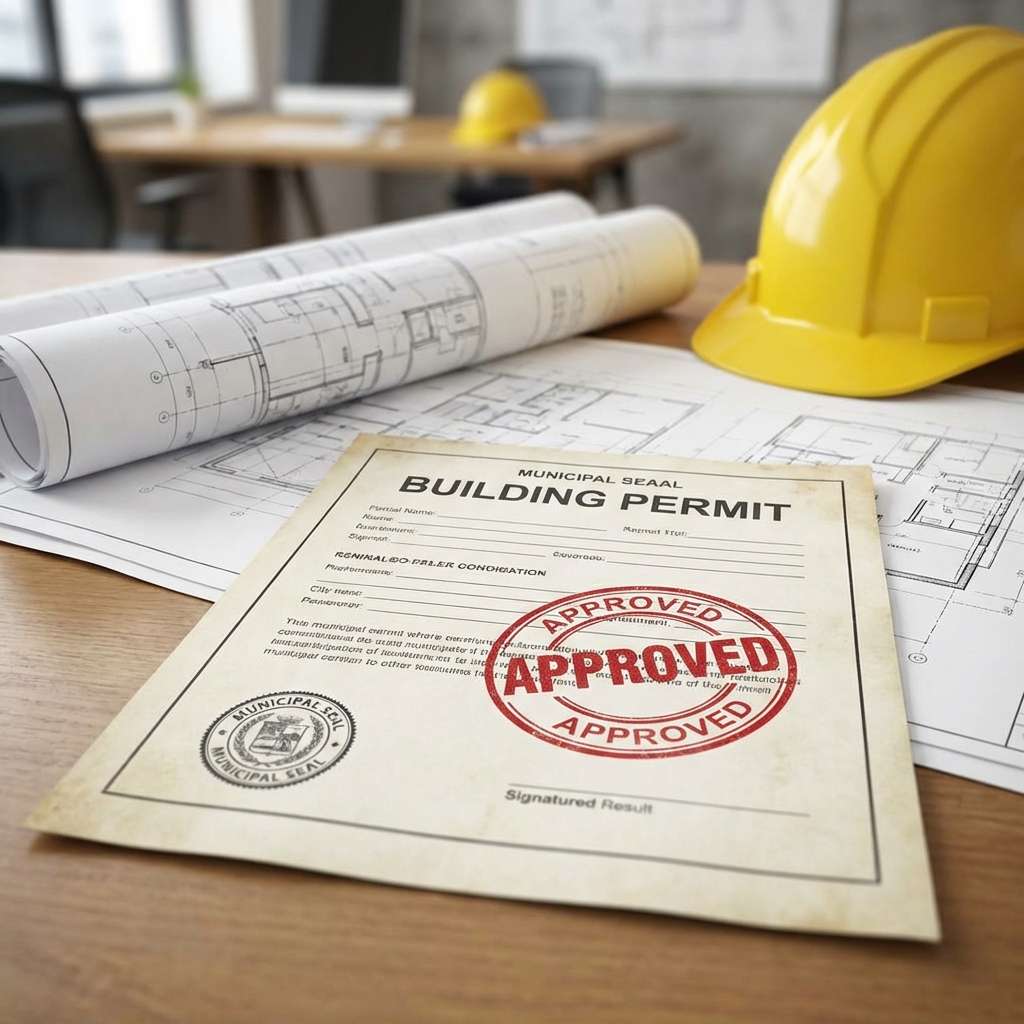
If an inspector identifies corrections, clarify the items, responsibility, and reinspection process. Permit issuance is permission to proceed with the approved scope; it is not a finding that the completed work has passed. Keep the permit number, approved plans where applicable, correction notices, and final approval with the property records.
Fees, timing, and unpermitted existing work
Use the authority's current fee schedule for the actual scope. Generic residential fee ranges can omit processing charges, related permits, revisions, or reinspections. Review time and available inspection dates depend on the application and agency workload. Do not book finish work around an assumed inspection date.
If earlier work lacks a required permit, contact the building department about the correction process. The installation may need examination or openings so it can be assessed. Neither an electrician's invoice nor a home-inspection report automatically closes an outstanding permit issue.
Insurance coverage and a property sale depend on the policy, transaction, and facts. Unpermitted work can create complications, but it is inaccurate to promise automatic denial of every claim or failure of every sale. Ask the insurer or transaction professional about the specific records and circumstances.
Prepare an estimate request
Send the address, desired equipment or changes, whether wiring is existing or new, and any permit or inspection report already available. Photos of accessible areas and the closed panel help establish scope; leave covers in place. Request a free project estimate from AJ Long Electric and ask the proposal to identify permit responsibilities. Staff review the request and discuss scheduling; the submission itself is not an appointment.