
Key Takeaways
- Licensing, permits, and safe work practices are separate questions.
- The primary-residence exemption has ownership, personal-use, and 24-month conditions; it is not the only exemption in Virginia law.
- Virginia lists certain ordinary device replacements as permit-exempt. New wiring and service changes are different scopes.
- Do not treat a voltage pen, a breaker label, or an online tutorial as proof that exposed wiring is safe to touch.
What the Virginia homeowner exemption actually covers
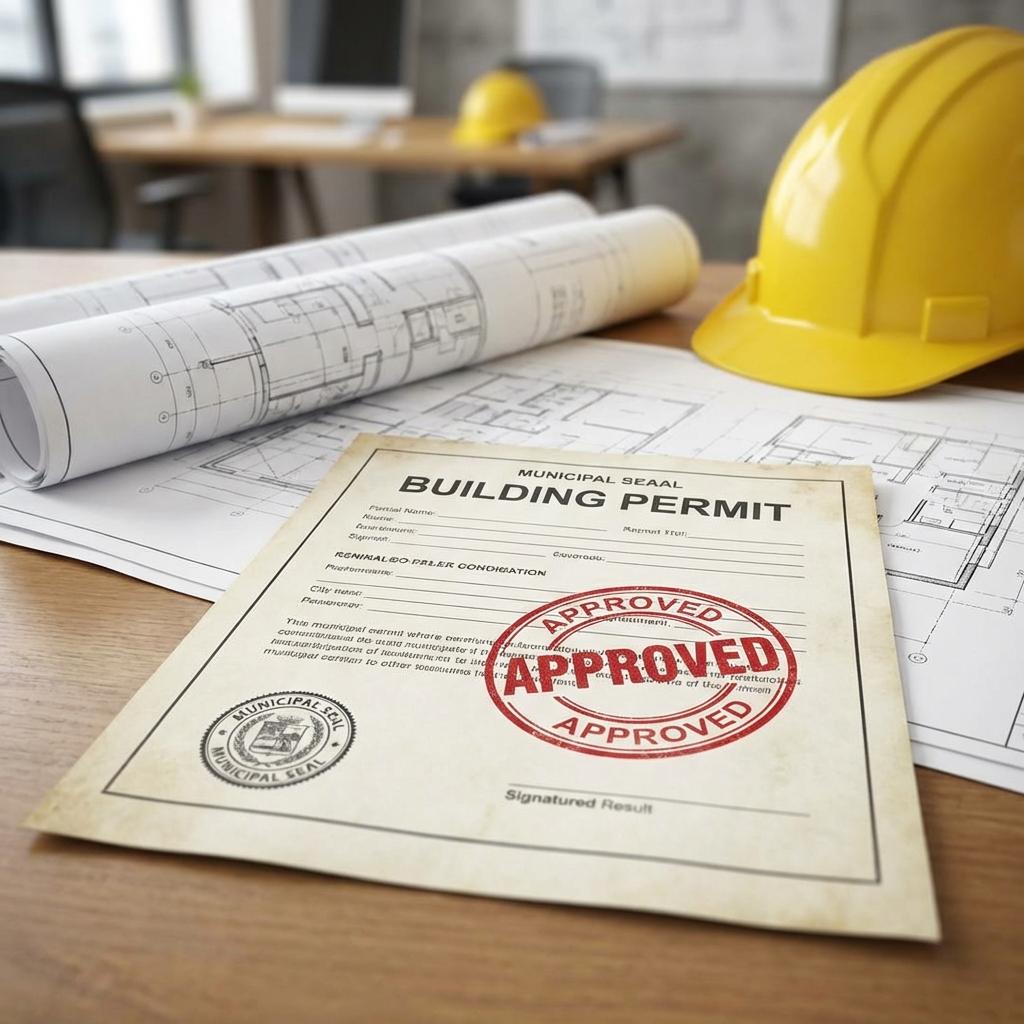
Virginia Code § 54.1-1101(A)(7) exempts a person performing or supervising construction, removal, repair, or improvement of no more than one primary residence that they own and use themselves during a 24-month period. Subsection C still requires compliance with the Uniform Statewide Building Code.
Request an Estimate from AJ Long Electric
Whether it is a simple repair or a major electrical project, our licensed team is ready to help. Serving all of Northern Virginia with transparent pricing and expert workmanship. Call (571) 444-6886 today.
The same statute contains other exemptions, including certain owner-performed or supervised work on rental properties and a house given to qualifying family. It is therefore inaccurate to say that Virginia permits owner work only at a primary residence or categorically excludes every rental property. The relevant exemption depends on ownership, use, project history, and who will perform or supervise the work.
Do not use an owner exemption to assume that an unlicensed person can advertise or contract for electrical services. Explain your arrangement to the permit office before hiring help or signing an owner affidavit. For contractor and individual tradesman credentials, use the DPOR Tradesmen program and its linked license resources.
Which replacements may not need a permit?
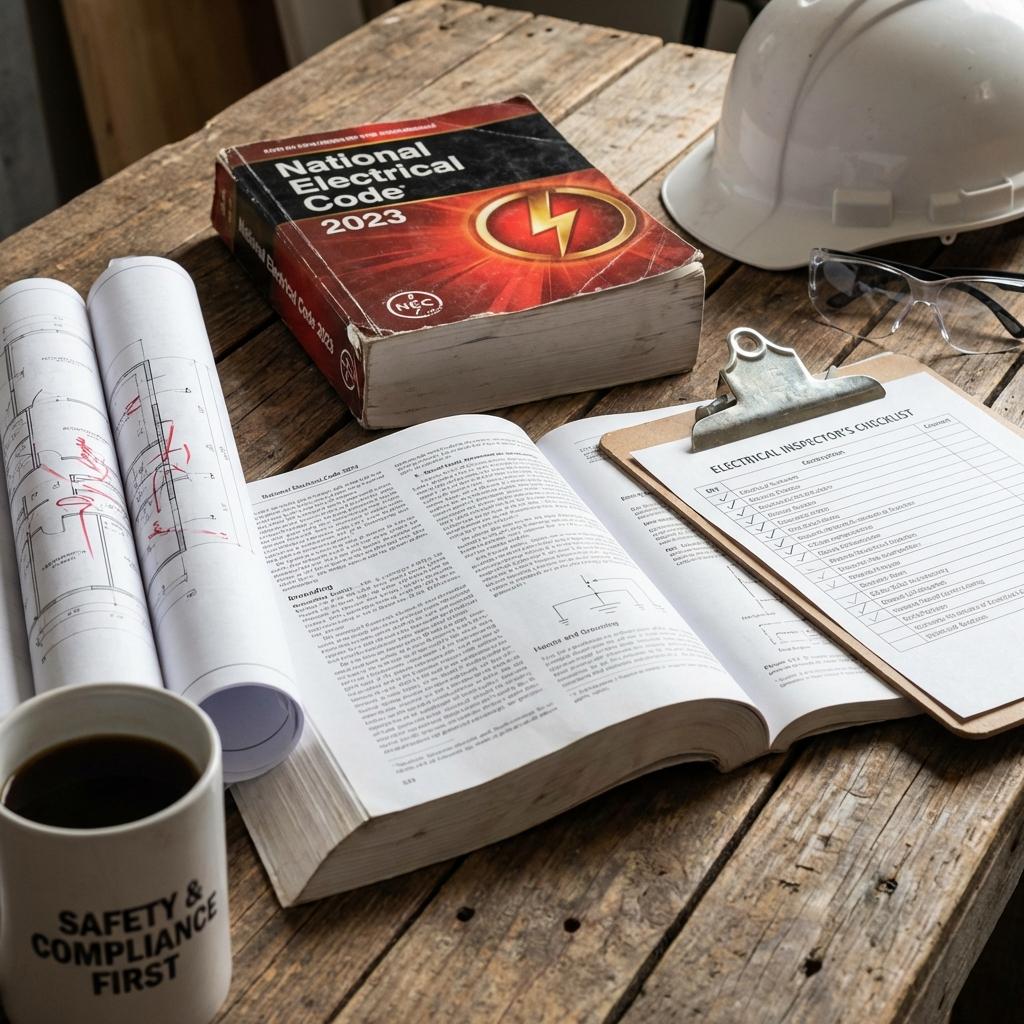
Virginia permit rules, Section 108.2 item 14.3 list replacement of ordinary snap switches, dimmers and control switches, 125-volt 15- or 20-amp receptacles, lighting fixtures, and ceiling fans within the specified residential occupancies. These are ordinary-repair exemptions, not permission to relocate wiring, add a circuit, or ignore equipment instructions. The regulation also preserves other code obligations and includes exceptions such as work in a special flood hazard area.
Describe what will change, rather than asking only whether an outlet replacement needs a permit. Replacing a broken receptacle in an existing box is a different proposal from moving it across a room, adding an outdoor box, converting a two-wire installation, or installing a new circuit. A ceiling fan also needs suitable structural support; a box that held a light is not automatically suitable for a fan.
New circuits, panels, and service changes
New circuit wiring, a panel or service upgrade, and an EV charging circuit require a permit review appropriate to the scope. Fairfax County's residential electrical permit page explains its application process. Fairfax County and the independent City of Fairfax are different permitting authorities; a mailing address alone does not settle jurisdiction. The same address check matters near other city, town, and county boundaries.
Ask the building department what plans, equipment specifications, load calculations, owner declarations, and inspections are needed before work begins. Find out which stages must remain exposed for inspection. An approved application does not substitute for required final inspection, and a utility may have separate service-disconnection and reconnection requirements.
Legal permission does not establish that a job is suitable for DIY
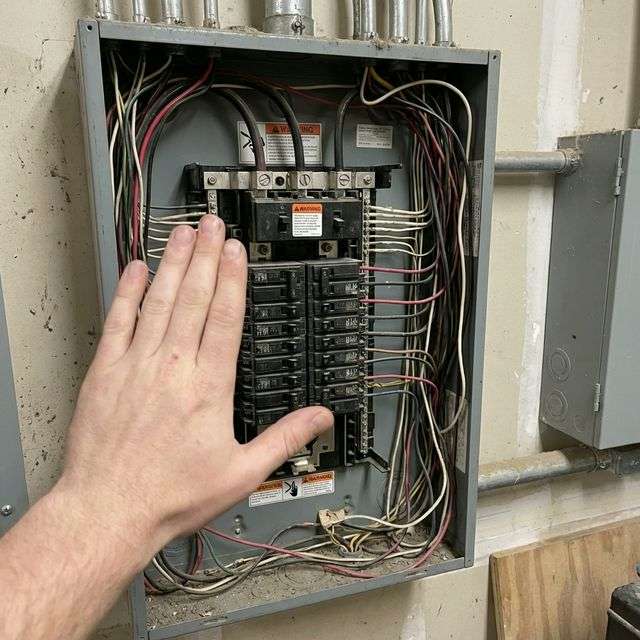
Panel and service work, unfamiliar wiring, aluminum conductors, damaged insulation, water exposure, and equipment with multiple power sources call for qualified assessment. Switching off a main breaker does not necessarily de-energize incoming service conductors. Solar, batteries, and generators can introduce additional supplies. Removing a cover to investigate is not a safe first step for someone unfamiliar with the equipment.
A non-contact tester is useful as an indicator, but a silent tester alone does not establish absence of voltage. The CPSC has documented false-negative readings in recalled voltage detectors; appropriate instruments, their condition, and a competent verification procedure matter. Do not tape a breaker handle and assume it is secured against re-energization. If you cannot establish safe conditions, stop and have an electrician do the work.
What about insurance and resale?
There is no reliable blanket answer that DIY work automatically voids a homeowner policy or that every claim involving unpermitted work will be denied. Coverage depends on the policy and facts. Ask your insurer about the proposed scope, and retain its written response along with permits and inspection results. For a sale or an existing dispute, get advice based on the actual property records and transaction.
If previous work was not permitted, contact the building department about its correction process before concealing more wiring. An electrician can assess the installation and document a repair scope, but cannot promise that hidden work will pass or that no openings will be needed. Avoid paying for cosmetic repairs until the inspection sequence is clear.
Prepare a useful project request
List what you want changed, the equipment model, whether the location is existing or new, and whether walls or ceilings are finished. Photos of the room, the equipment label, and the closed panel can help establish the scope; do not remove electrical covers to take them. Include the property address so the permitting authority can be checked.
For a planned installation, request a free estimate from AJ Long Electric. If something is failing and needs testing or repair, choose troubleshooting so the visit is understood correctly. An estimate request is not a confirmed appointment. For more on that distinction, see our electrical permit guide and ask the permit office about your specific project.