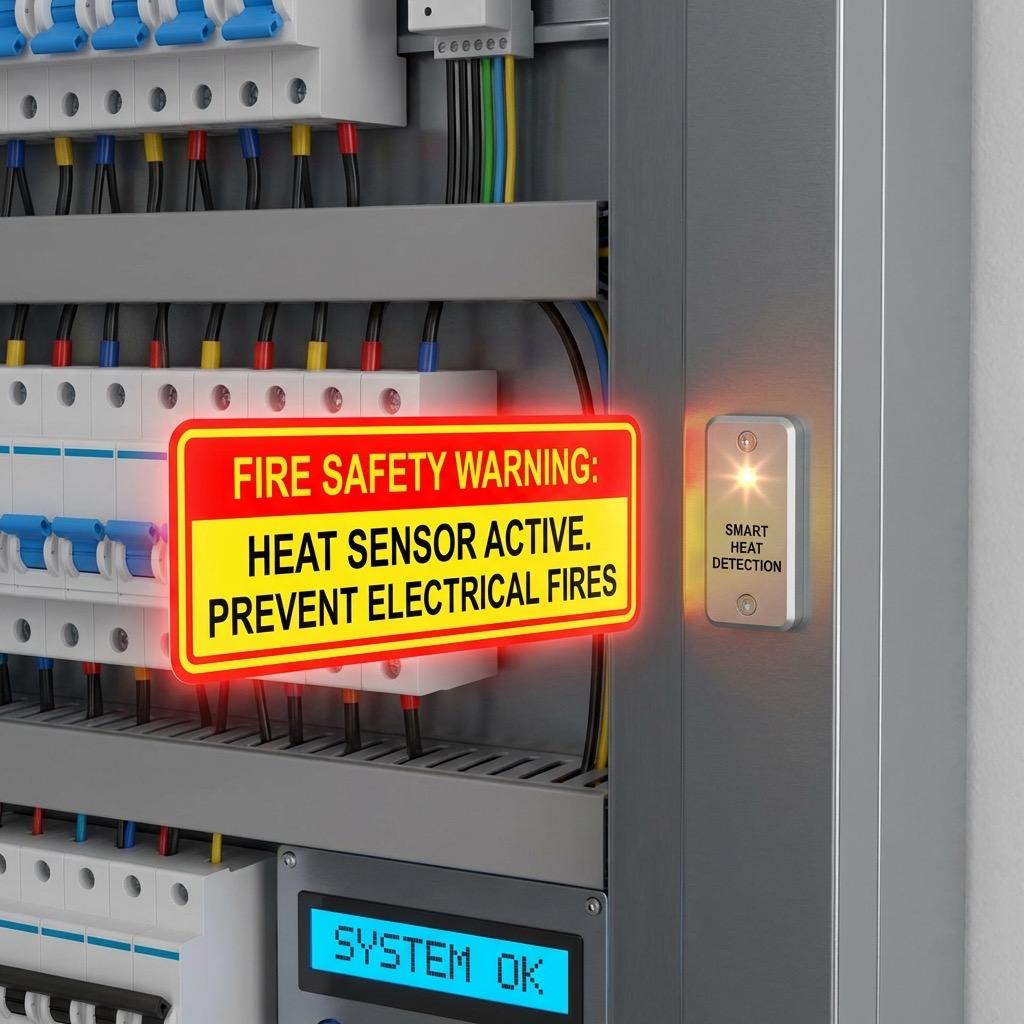

Your electrical panel works silently in the background, distributing power throughout your home 24/7. While panels are designed to be reliable, regular maintenance can identify problems before they become emergencies, extend your panel's lifespan, and ensure your family's safety.
Key Takeaways
- Inspect your panel exterior monthly for signs of damage, corrosion, or unusual sounds.
- Test GFCI and AFCI breakers quarterly using the built-in test buttons.
- Keep 3 feet of clear space in front of the panel at all times for emergency access.
- Schedule a professional panel inspection every 3-5 years, or annually for panels over 25 years old.
Homeowner Maintenance: You can safely inspect the panel exterior, test GFCI/AFCI breakers using test buttons, and check circuit labels. Never remove the interior panel cover or touch wires -- leave that to licensed electricians.
Maintenance Frequency at a Glance
Use the following schedule as your panel-maintenance baseline:
Need a Panel Upgrade?
Outdated or overloaded electrical panels can present safety and capacity concerns. Our team evaluates 200-amp upgrades throughout Northern Virginia and confirms scheduling after reviewing the property. Call (571) 444-6886 to get started.
| Task | Frequency | Who Does It |
|---|---|---|
| Visual exterior inspection | Monthly | Homeowner |
| AFCI / GFCI breaker test (TEST button) | Quarterly | Homeowner |
| Annual visual inspection checklist | Annually | Homeowner |
| Professional inspection (panels under 20 yrs) | Every 5 years | Licensed electrician |
| Professional inspection (panels 20-30 yrs) | Every 3 years | Licensed electrician |
| Professional inspection (panels over 30 yrs) | Annually | Licensed electrician |
Annual Visual Inspection Checklist
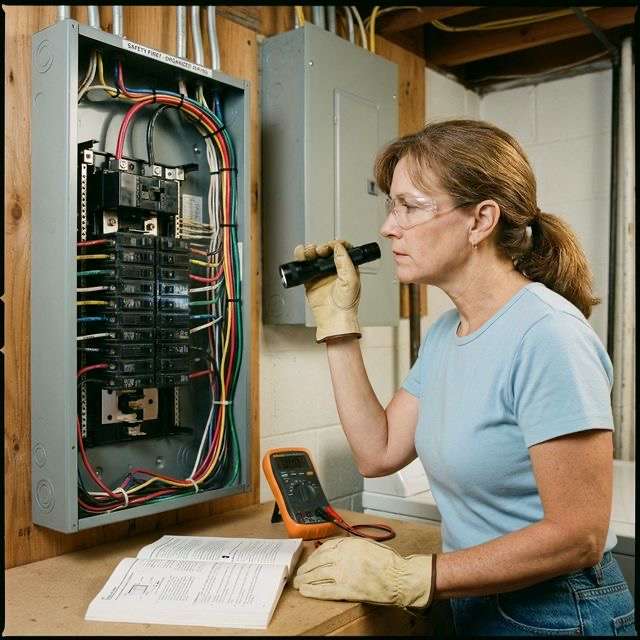
Once a year, perform this visual inspection of your panel (with the door open but without touching any components):
Panel Exterior:
- Door condition: Opens/closes properly, latches securely
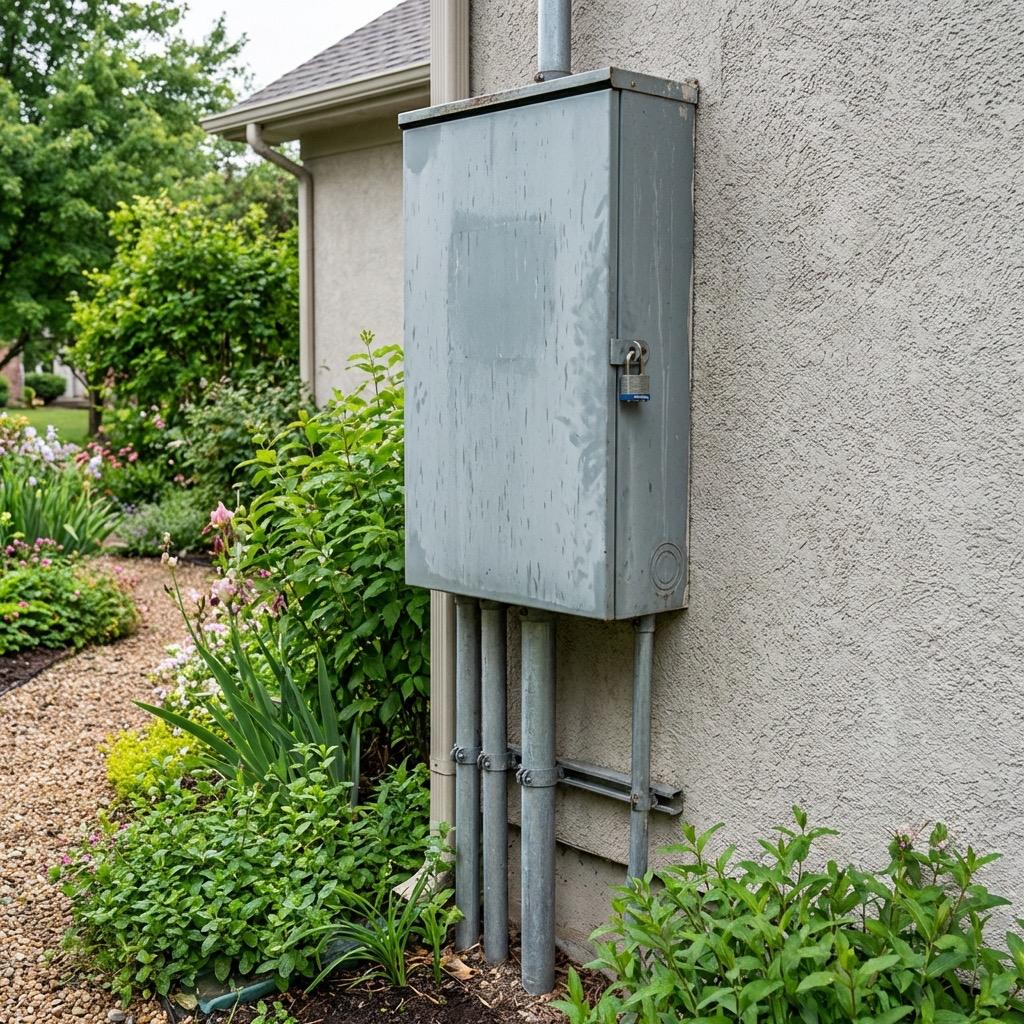
- Gaskets (outdoor panels): Intact, pliable, no cracks
- Rust or corrosion: None visible on enclosure
- Clearance: 3 feet clear in front of panel
- Access: Path to panel is unobstructed
- Labeling: Circuit directory is present and readable
Panel Interior (Visual Only):
- Discoloration: No brown or black marks on breakers or wiring
- Melting: No melted plastic on breakers or insulation
- Moisture: No water stains, condensation, or rust inside
- Pests: No insect nests or rodent droppings
- Debris: No foreign objects inside panel
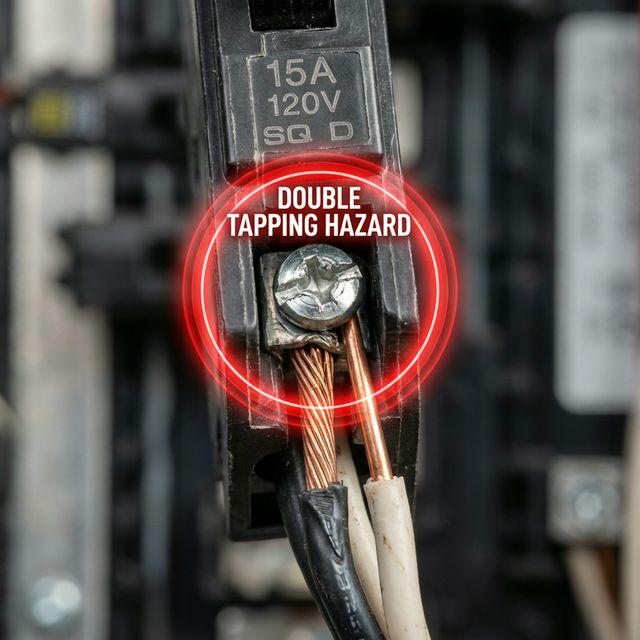
- Wire condition: Insulation intact, no exposed conductors
Breaker Check:
- Position: All breakers fully on or fully off (no middle position)
- Physical condition: No cracks, chips, or damage
- Test buttons: AFCI and GFCI breakers have visible test buttons
Quarterly AFCI/GFCI Testing
AFCI and GFCI breakers should be tested every three months:
Testing Procedure:
- Press the TEST button on the breaker
- Breaker should trip immediately
- Reset the breaker by moving handle to OFF then ON
- Verify power is restored to protected circuits
If Test Fails:
- Breaker doesn't trip: Replace immediately
- Breaker won't reset: Check for fault on circuit, then call electrician
- Test button is damaged: Have breaker replaced
Warning Signs That Need Professional Attention
Call Immediately (Potential Emergency):
- Burning smell from or near panel
- Smoke from panel
- Sparks or arcing sounds
- Panel is hot to touch
- Visible fire damage
Schedule Service Soon:
- Frequent breaker trips (weekly or more)
- Breakers that won't stay reset
- Buzzing or humming from panel
- Flickering lights throughout home
- Signs of water intrusion
- Rust on breakers or bus bars
- Discoloration or melting
- AFCI/GFCI fails test
Schedule During Regular Maintenance:
- Panel is over 25 years old (evaluation)
- Circuit labels are unreadable
- Minor cosmetic rust on exterior
- Door doesn't close properly
- Questions about panel type or condition
Professional Panel Inspection
In addition to your visual checks, consider professional inspection:
When to Schedule:
- Every 5 years for panels under 20 years old
- Every 3 years for panels 20-30 years old
- Annually for panels over 30 years old
- When buying or selling a home
- After major electrical events (surge, lightning strike)
- If you notice any warning signs
What Professionals Check:
- Infrared scanning for hot spots
- Torque testing of connections
- Load measurements and calculations
- Grounding system testing
- Breaker operation and condition
- Code compliance evaluation
- Capacity assessment for future needs
Maintaining Your Panel's Environment
Keep the Area Clear:
- Maintain 3 feet clearance in front
- Don't store items near the panel
- Keep flammable materials away
- Ensure adequate lighting for access
Control Moisture:
- Address any leaks near the panel
- Control basement humidity
- Ensure outdoor panels have proper drainage
- Replace damaged weatherproofing promptly
Pest Prevention:
- Seal gaps around conduit entries
- Address pest issues in the area
- Check annually for nests or intrusion
Keeping Accurate Records
Maintain a file with:
- Original installation date and documentation
- Any work performed on the panel
- Permits and inspection records
- Your maintenance inspection notes
- Professional inspection reports
- Warranty information
Safety First
Remember these safety rules:
- Never touch anything inside the panel
- Never work on the panel with wet hands
- Never remove panel cover (inner dead front)
- If unsure, call a professional
- When in doubt, treat it as an emergency
Regular maintenance keeps your panel working safely and helps identify issues early. If you have concerns or notice any warning signs, contact AJ Long Electric at (571) 444-6886 for a professional evaluation.