
A 200-amp service does not automatically have room for an EV charger, and a 100-amp service does not automatically rule one out. The useful question is whether your electrical system can support the proposed charging load through an acceptable design. That requires more than reading a number on the panel.
Separate service capacity, breaker space and equipment condition
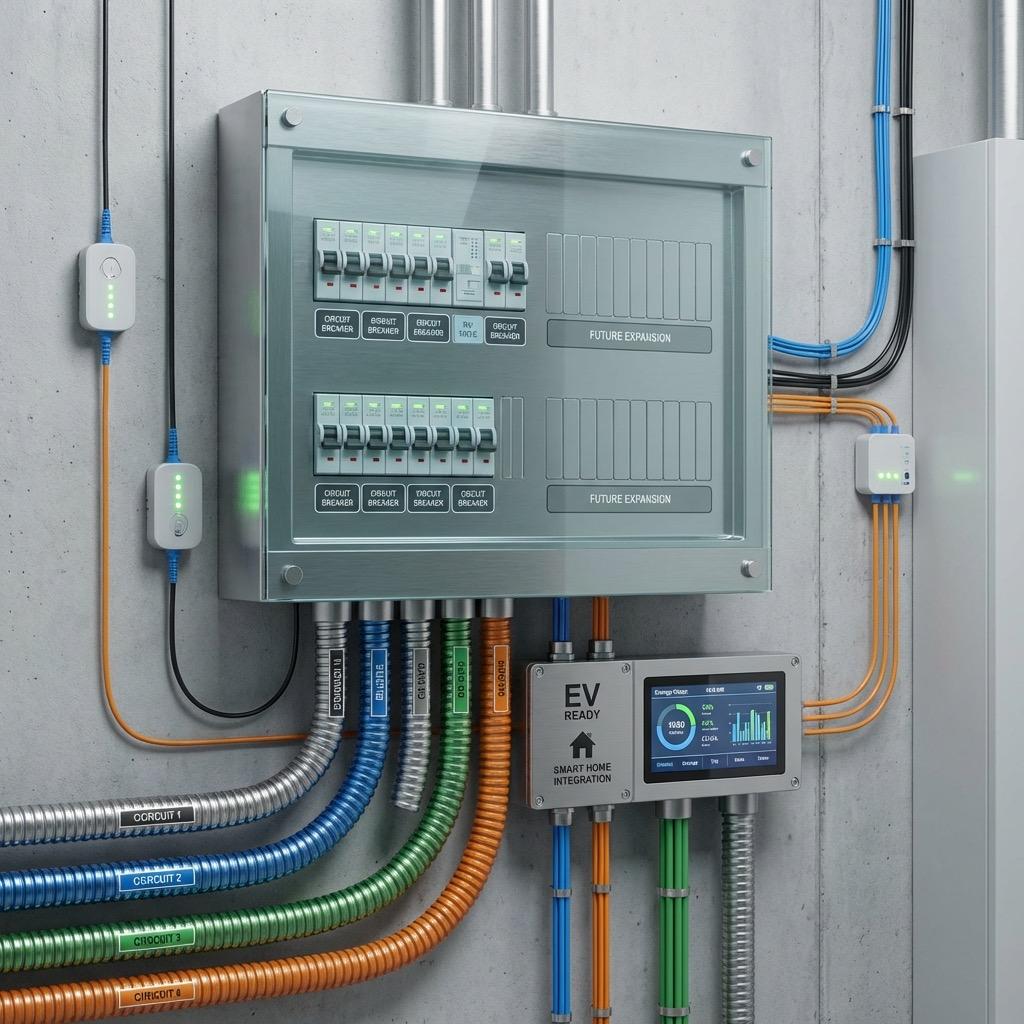
Service capacity concerns the electrical supply and the loads it must serve. The panel enclosure rating, main breaker, service equipment and upstream supply need to be understood together. A panel label alone may not tell the whole story, particularly when equipment has changed over the years.
Breaker space concerns where an approved circuit breaker can be installed. Condition and compatibility concern the existing equipment, its connections and the breaker types permitted for that panel. More physical space does not create additional electrical supply capacity, and a higher-rated enclosure does not upgrade undersized upstream equipment.
What a load assessment actually establishes
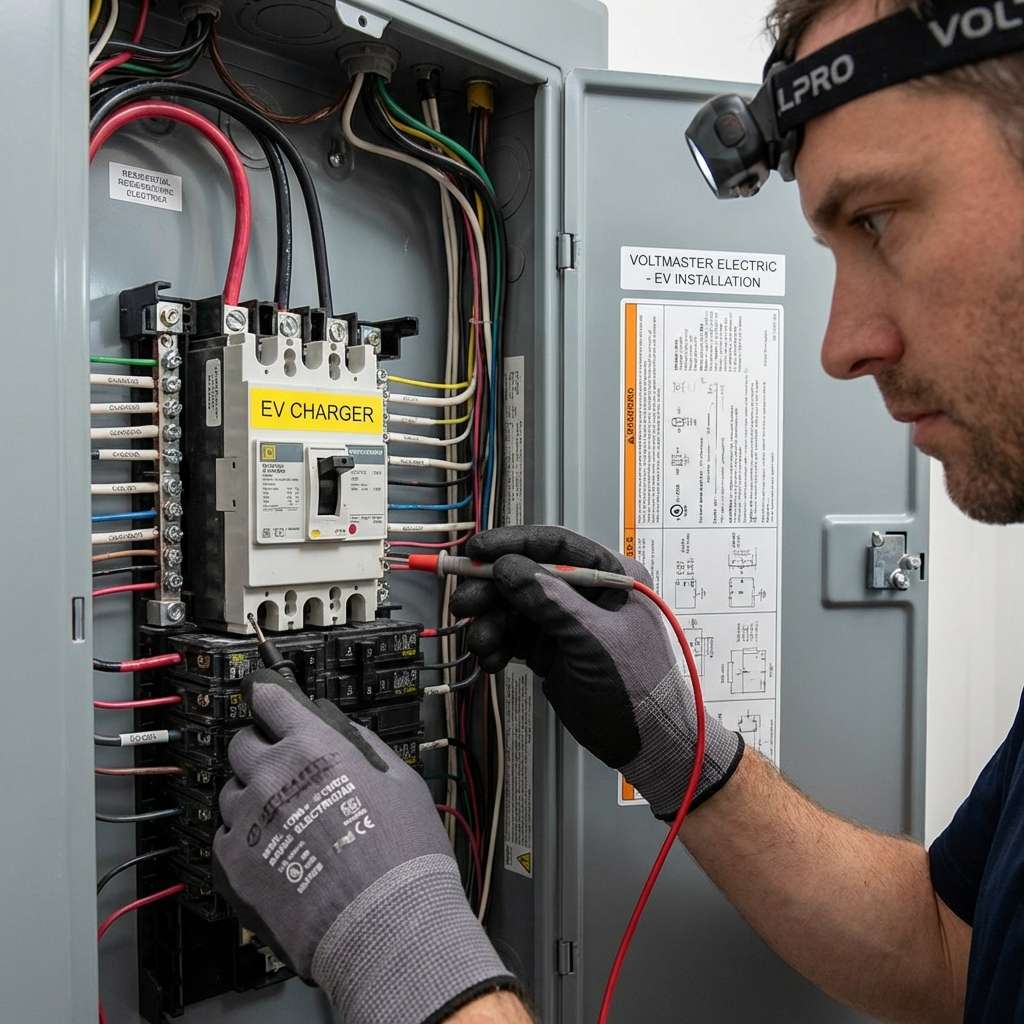
A qualified electrician evaluates the home's existing loads and the proposed EV equipment using the methods accepted for the project and jurisdiction. Heating, cooling, water heating, cooking, drying and other substantial loads matter. Planned additions should be discussed too.
Ready to Install a Home EV Charger?
Our licensed electricians evaluate panel capacity, circuit routing, equipment requirements, and permit needs for home EV charging. Call (571) 444-6886 or request an estimate online.
This is not a sum of all breaker handles, and it is not proof based on observing low usage at one quiet moment. Any use of measured demand needs an appropriate record and an accepted method. The Department of Energy's home-charging guidance identifies capacity review and applicable electrical codes as essential installation considerations.
Ask for the resulting design decision in plain language: the selected charging output fits the existing system, requires a qualifying control arrangement, or requires additional electrical work. A square-footage estimate or statement that similar homes usually work is not the assessment for your address.
A 50-amp circuit is not 50 amps of continuous charging
The branch-circuit rating and charging output are different numbers. For example, Tesla's Universal Wall Connector installation table pairs a 50-amp breaker with a maximum 40-amp output, and a 60-amp breaker with a maximum 48-amp output. Those are manufacturer-specific design examples, not permission to change an existing breaker.
The exact circuit, conductors, protection, connection method and commissioned setting must match the selected equipment and applicable requirements. The vehicle may accept less than the installed maximum. Raising a setting in an app does not make the wiring capable of carrying more current.
Evaluate the alternatives in a useful order
1. Match output to actual driving needs
Start with the energy you need to replace and hours parked. A lower approved charging output may be adequate even when the largest advertised setting is not. Compare the daily requirement and occasional heavy-use days rather than sizing solely around an empty-to-full session that rarely happens.
2. Consider listed load management
An appropriate control system may adjust or interrupt charging to keep within a defined electrical limit. It must be compatible with the installation and accepted for the design. Tesla's Dynamic Power Management documentation, for example, requires a supported meter and describes adjusting charging based on other household use.
Charger-to-charger sharing and whole-home load monitoring address different constraints. Ask which loads the proposed controller measures, what limit it enforces and how charging behaves when capacity is scarce. A simple overnight timer is not a substitute for an accepted capacity-control design.
3. Solve a space problem as a space problem
A suitable subpanel may provide breaker positions where the supply has capacity. It does not add service amperage. Likewise, tandem breakers are not a universal way to make room; permitted breaker types and positions depend on the equipment. The electrician should identify the actual bottleneck before pricing a solution.
4. Compare service or panel work when needed
An upgrade may be appropriate because of capacity, condition or wider plans for the home. Distinguish a panel replacement from an increase in service capacity. Utility requirements, the meter arrangement and upstream equipment can affect the work. AJLE's 200-amp panel upgrade or replacement planning range is $3,500–$7,500; the written proposal defines the actual scope and any EV installation work separately.
Prepare useful information for a free estimate
Provide vehicle details, overnight parking hours, the proposed charger location and any upcoming major electrical additions. Photograph accessible labels and the route without removing electrical covers. If there is another panel, solar, a battery or an existing charger, mention it so the assessment covers the relevant system.
For two vehicles, our two-EV planner compares energy needs and household arrangements. It does not calculate service capacity or approve wiring. Bring its assumptions to the assessment, then use the installation checklist to compare written proposals.