
Electrical Insights
Electrical Tips & Guides
Expert advice from licensed electricians serving Northern Virginia. Stay informed about EV charging, panel upgrades, smart home technology, and electrical safety.
Latest Articles — Page 9 of 10
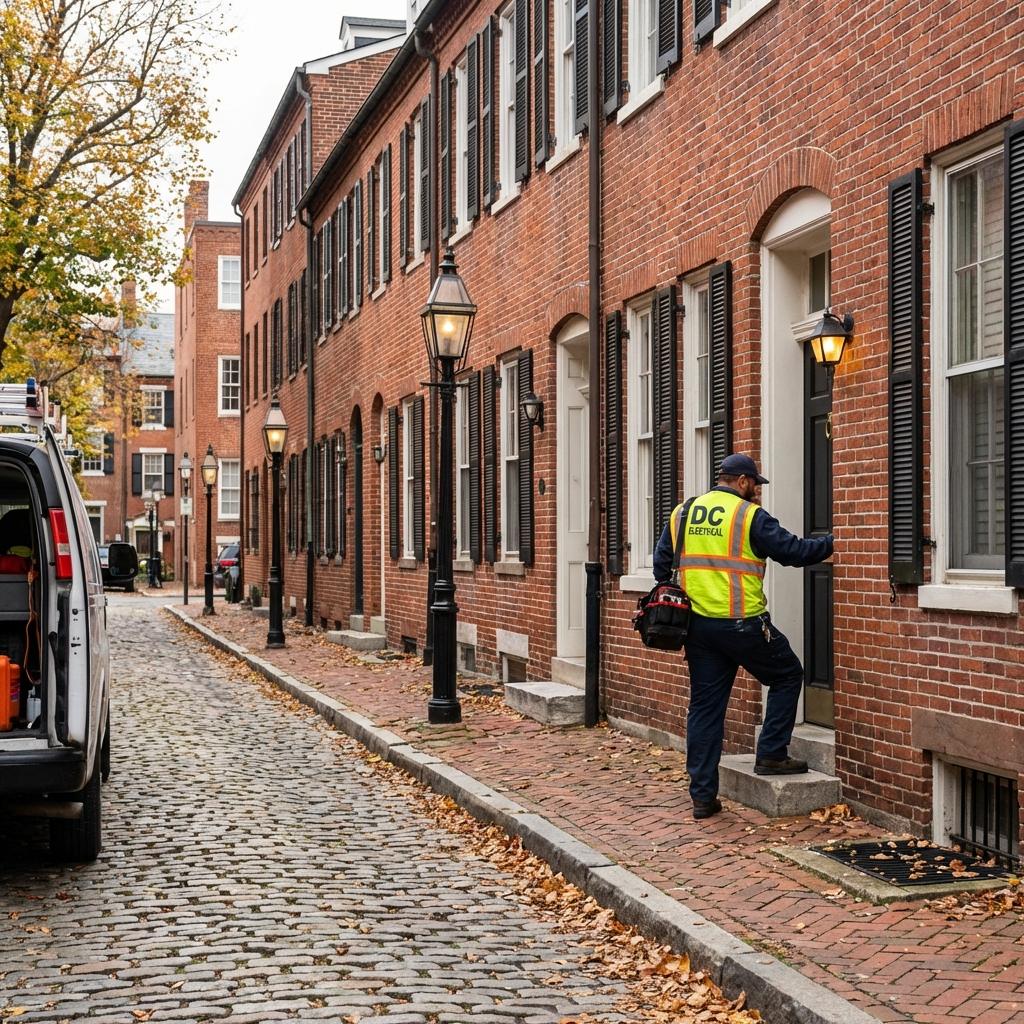
Georgetown DC Electrical Challenges: Historic Home Solutions
Georgetown historic homes present unique electrical challenges. Learn about updating electrical systems while preserving historic character.
12 min read
Read 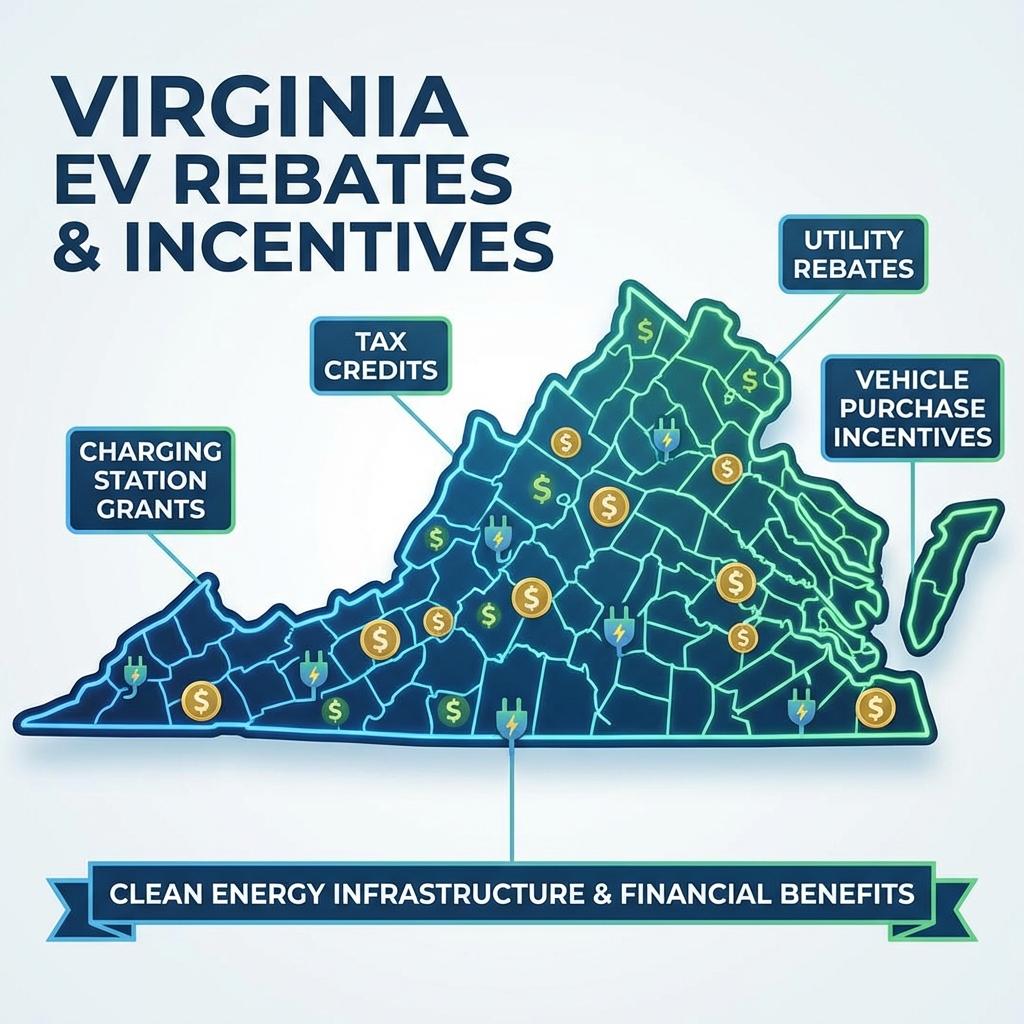
EV Charging
Virginia EV Charger Rebates and Incentives in 2026
The federal EV charger tax credit is unavailable after June 30, 2026. Review current IRS guidance, utility-program terms, rate plans, and Virginia HOA rules before making a financial decision.
6 min read
Read 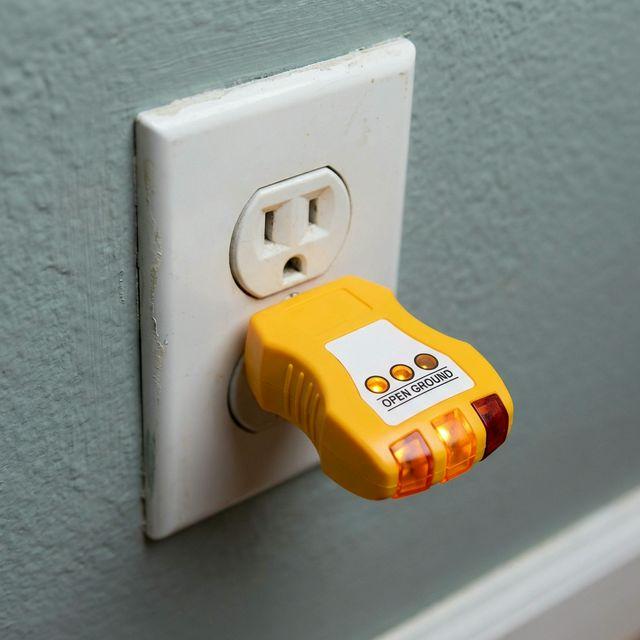
Why Are My Outlets Not Working? Troubleshooting Guide
Dead outlets have many causes from tripped breakers to wiring issues. Learn how to diagnose and when to call for help.
6 min read
Read 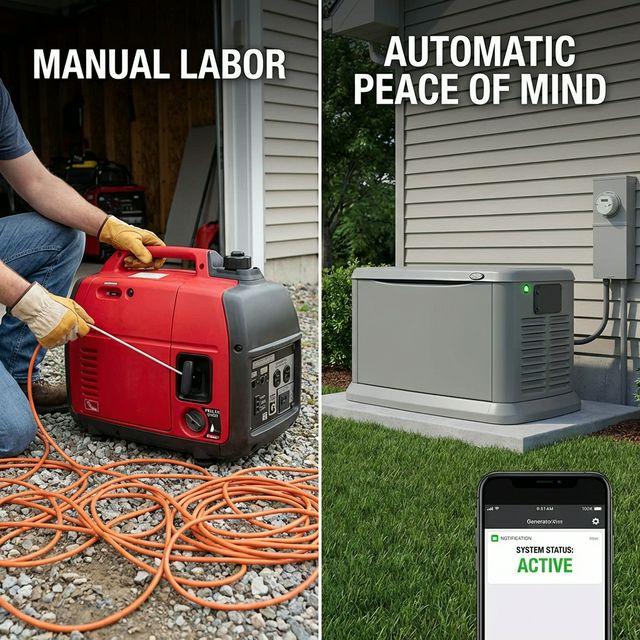
Generators
Portable Generator Hookup vs Battery Power Station: Which Backup Is Best?
Comparing the two backup power options AJ Long Electric installs head-to-head: a portable generator hookup versus a battery power station. Discover the key differences in cost, runtime, safety, noise, and maintenance to make the right choice.
3 min read
Read 
Home Safety
Extension Cord Safety: Essential Rules to Prevent Fires and Shocks
Extension cords cause thousands of fires annually. Learn proper selection, usage limits, and when to call an electrician to add permanent outlets instead.
4 min read
Read 
Smart Home
Smart Home Security Lighting: Automated Exterior and Interior Solutions
Enhance home security with smart lighting automation. Motion sensors, vacation modes, and integration with security systems protect your Northern Virginia home.
6 min read
Read 
Outdoor Entertaining Electrical Needs: Power Up Your Patio and Deck
Transform your outdoor living space into an entertainment destination with proper electrical infrastructure. Learn about outlet placement, lighting options, and electrical requirements for outdoor kitchens and entertainment areas.
3 min read
Read 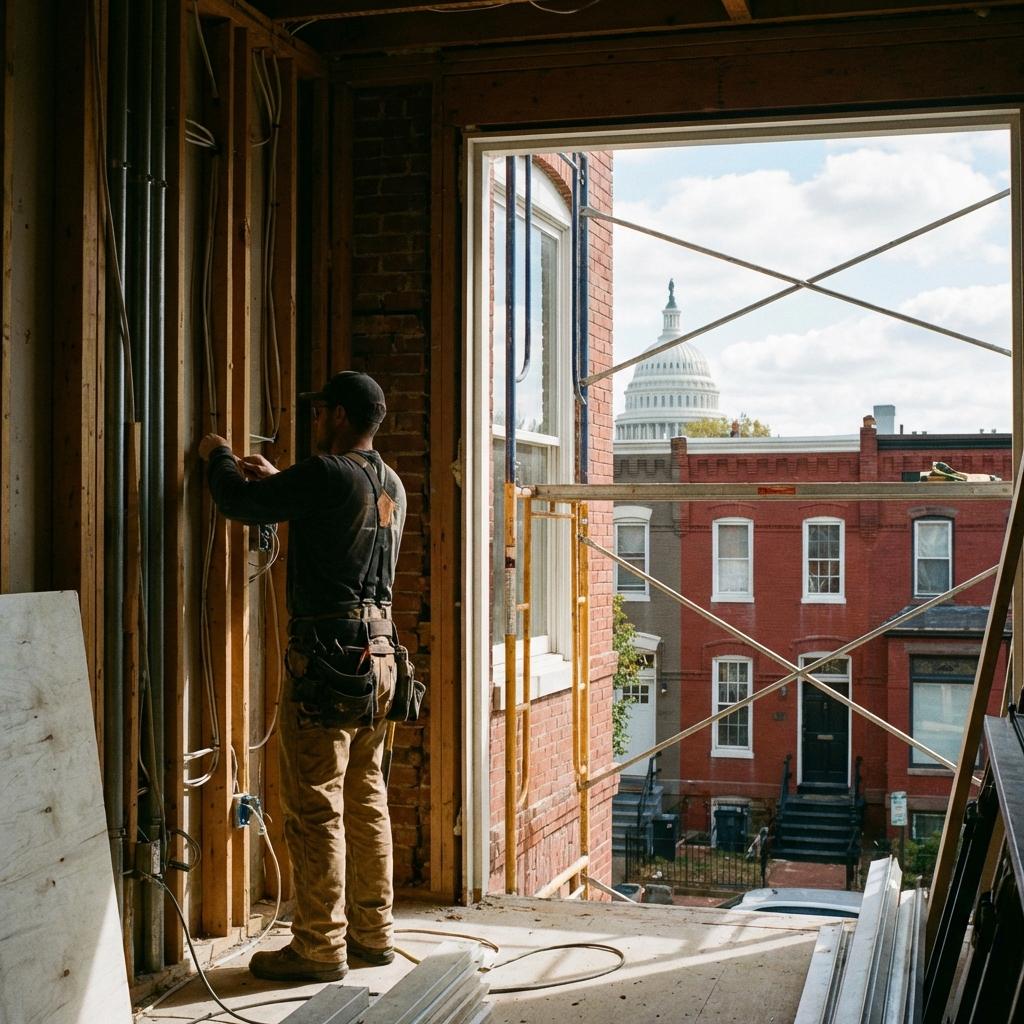
Capitol Hill DC Home Wiring: Updating Historic Rowhouse Electrical
Capitol Hill rowhouses need electrical updates that respect their historic character. Learn about rewiring options for Capitol Hill homes.
12 min read
Read 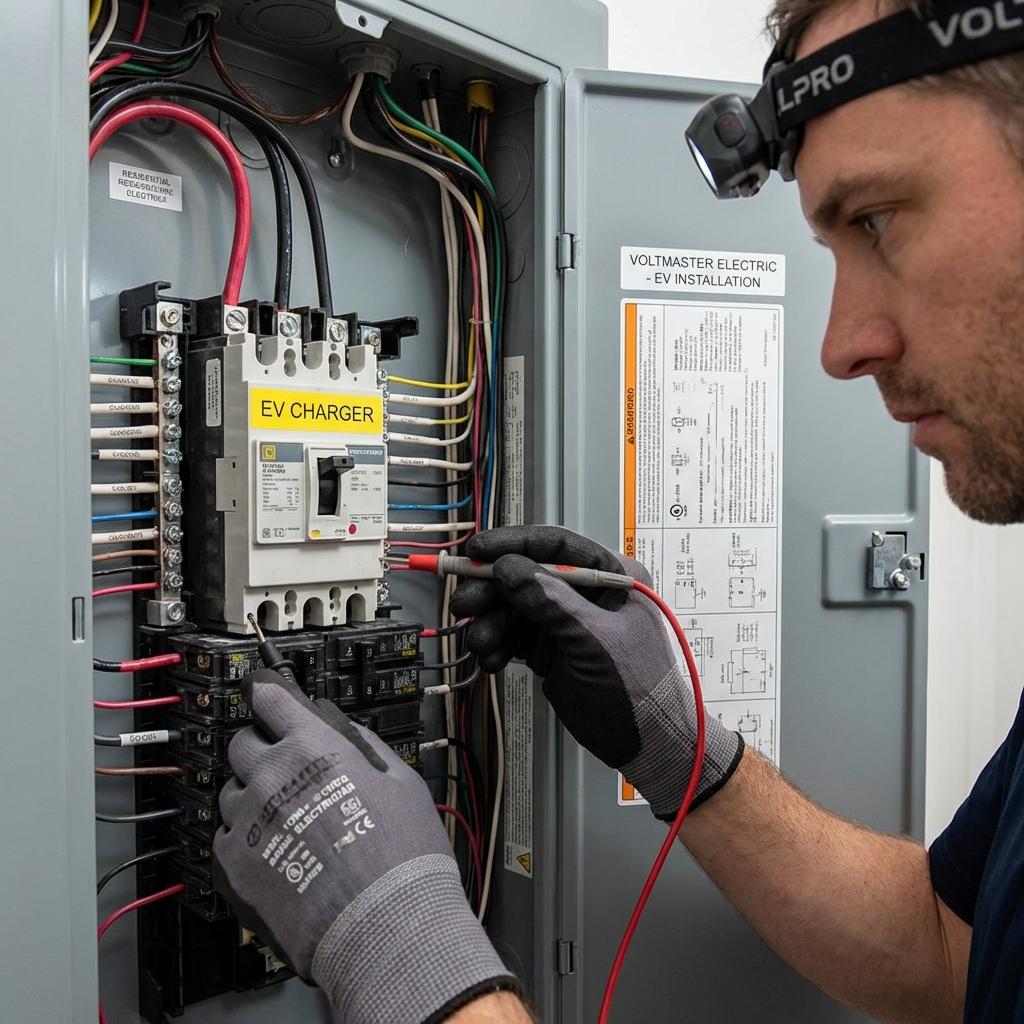
EV Charging
EV Charger Electrical Panel Requirements: What You Need to Know
Does your electrical panel have capacity for an EV charger? Learn about load calculations, panel upgrades, and circuit requirements.
6 min read
Read 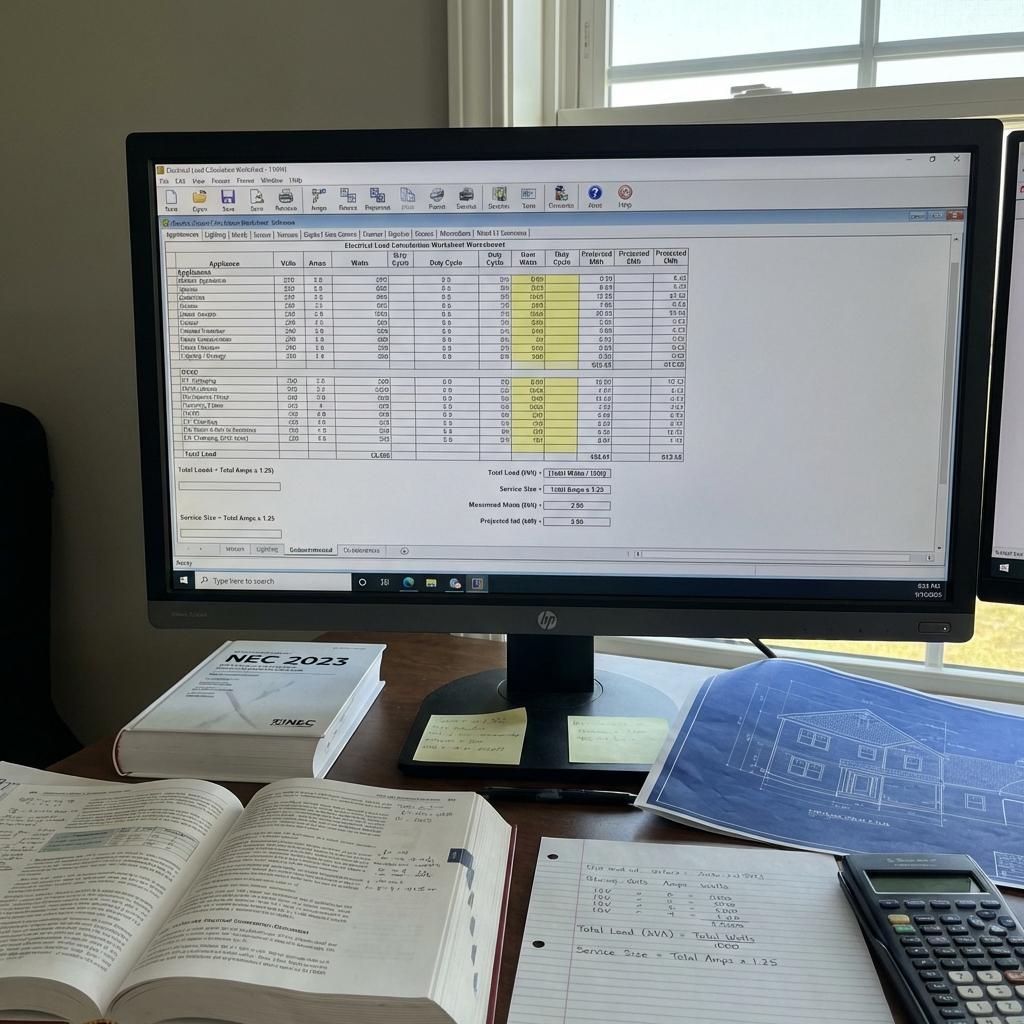
What Is an Electrical Load Calculation? Why It Matters
Load calculations determine if your electrical system can handle your power needs. Learn how electricians assess capacity.
6 min read
Read 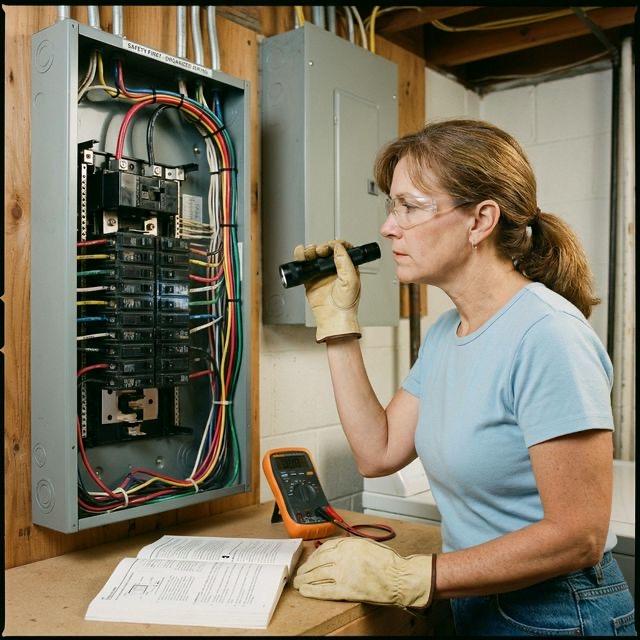
Panel Upgrades
Electrical Panel Maintenance: Annual Inspection Checklist for Homeowners
Regular panel maintenance can prevent problems and extend panel life. Learn what to check annually, warning signs to watch for, and when to call a professional.
3 min read
Read 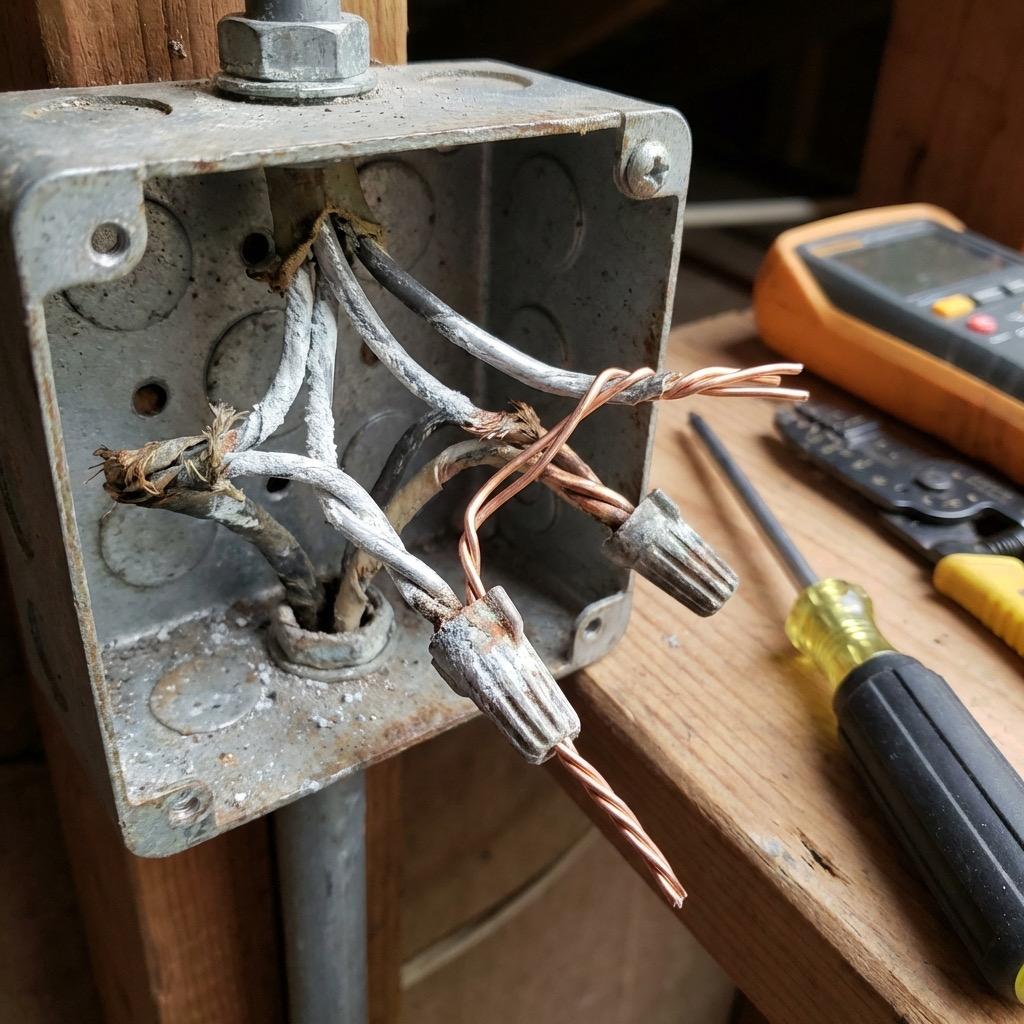
Home Safety
Aluminum Wiring Dangers: What Homeowners Need to Know and How to Fix It
Homes built between 1965-1973 may have dangerous aluminum wiring. Learn the risks, how to identify aluminum wiring, and the solutions that can make your home safe.
5 min read
Read 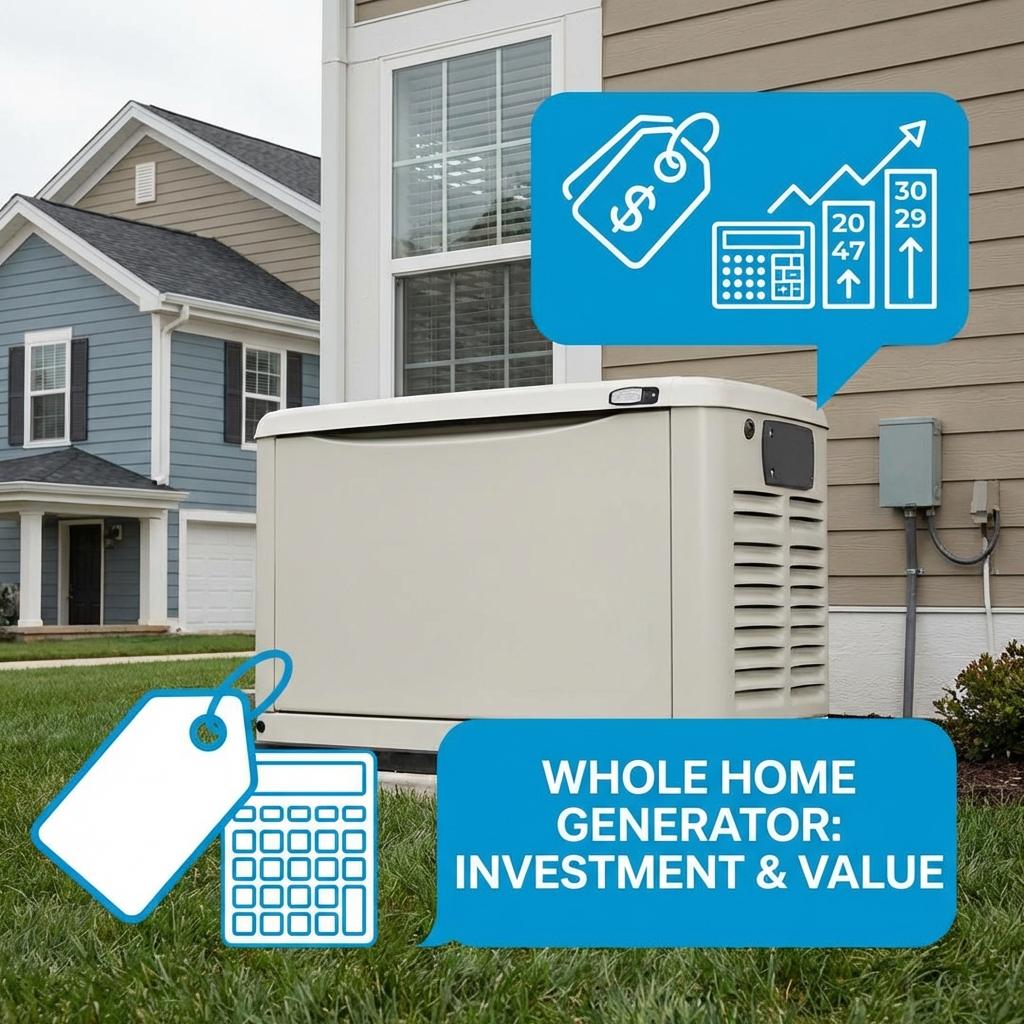
Backup Power Installation Costs in Virginia: Portable Hookups & Battery Stations
A complete portable-generator hookup is $900–$2,500 in Virginia; portable and whole-home battery systems use separate published ranges. Compare backup-power scope and pricing.
6 min read
Read 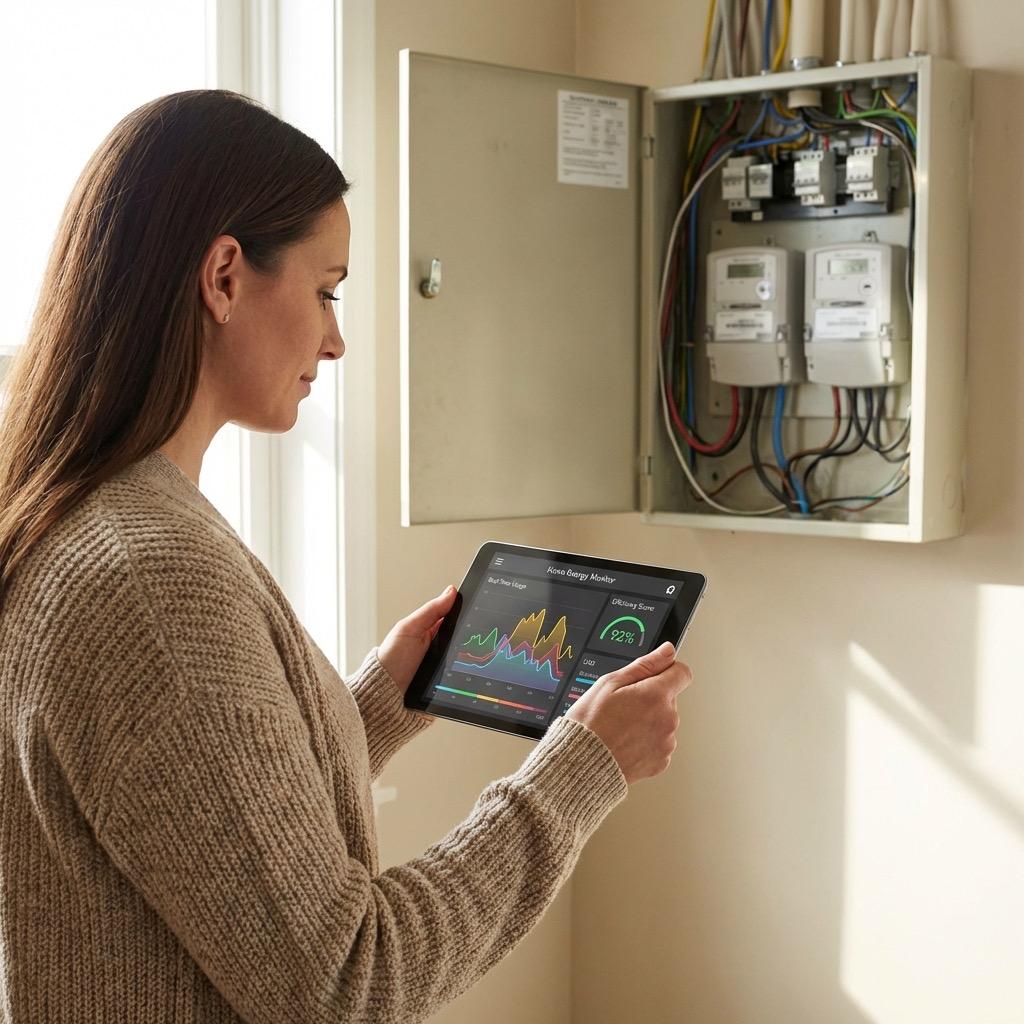
Smart Home
Home Energy Monitoring Systems: Track and Interpret Electricity Usage
Energy monitoring systems collect whole-home or circuit-level usage data. Learn how Sense, Emporia, and panel-level monitoring differ and how to interpret their readings.
6 min read
Read 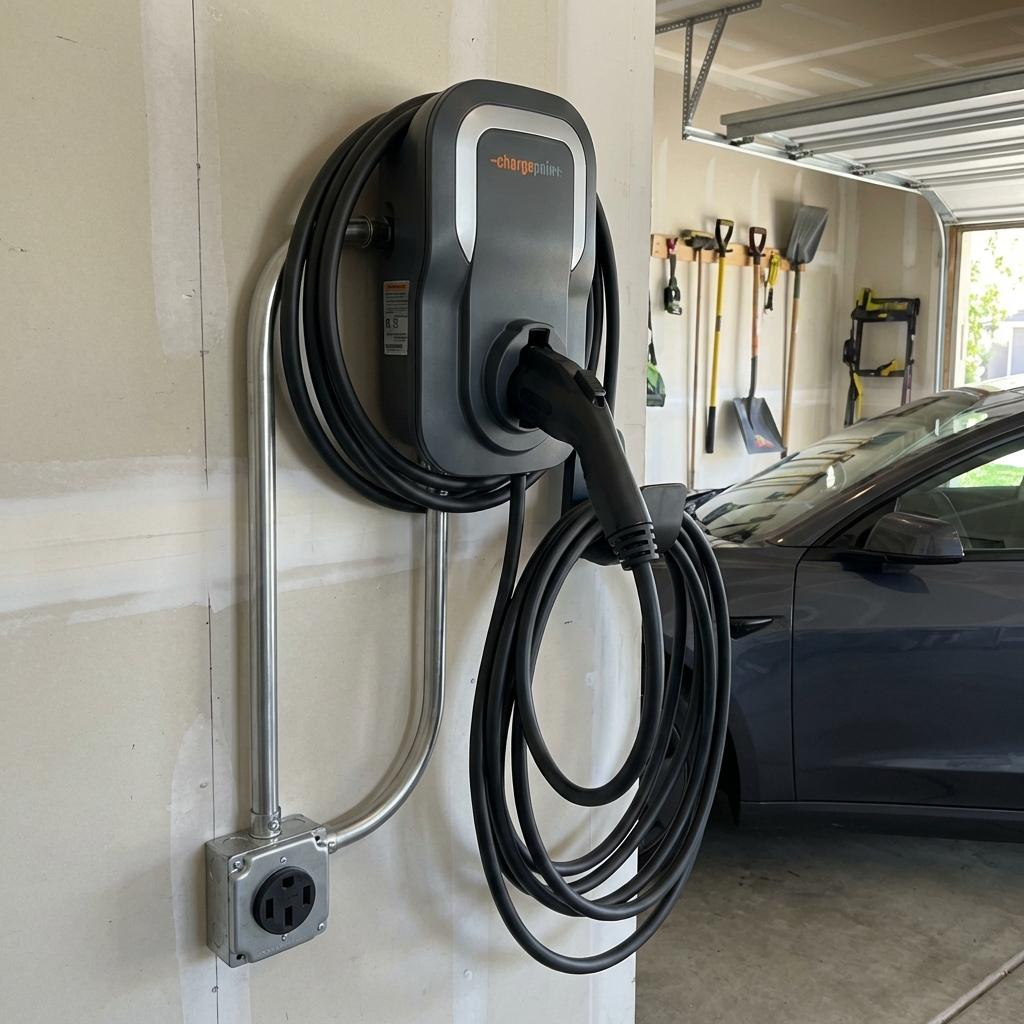
EV Charging
ChargePoint Home Flex Installation: Complete Guide
Everything you need to know about installing a ChargePoint Home Flex charger. Learn about features, electrical requirements, and installation process.
6 min read
Read 
Do I Need a Permit for Electrical Work? Virginia Requirements
Most electrical work in Virginia requires permits. Learn what needs permits and why they matter.
6 min read
Read 
Montgomery County MD Electrical Codes: Homeowner Compliance Guide
Montgomery County has specific electrical code requirements. Learn what homeowners need to know about electrical codes and permits in MoCo.
11 min read
Read 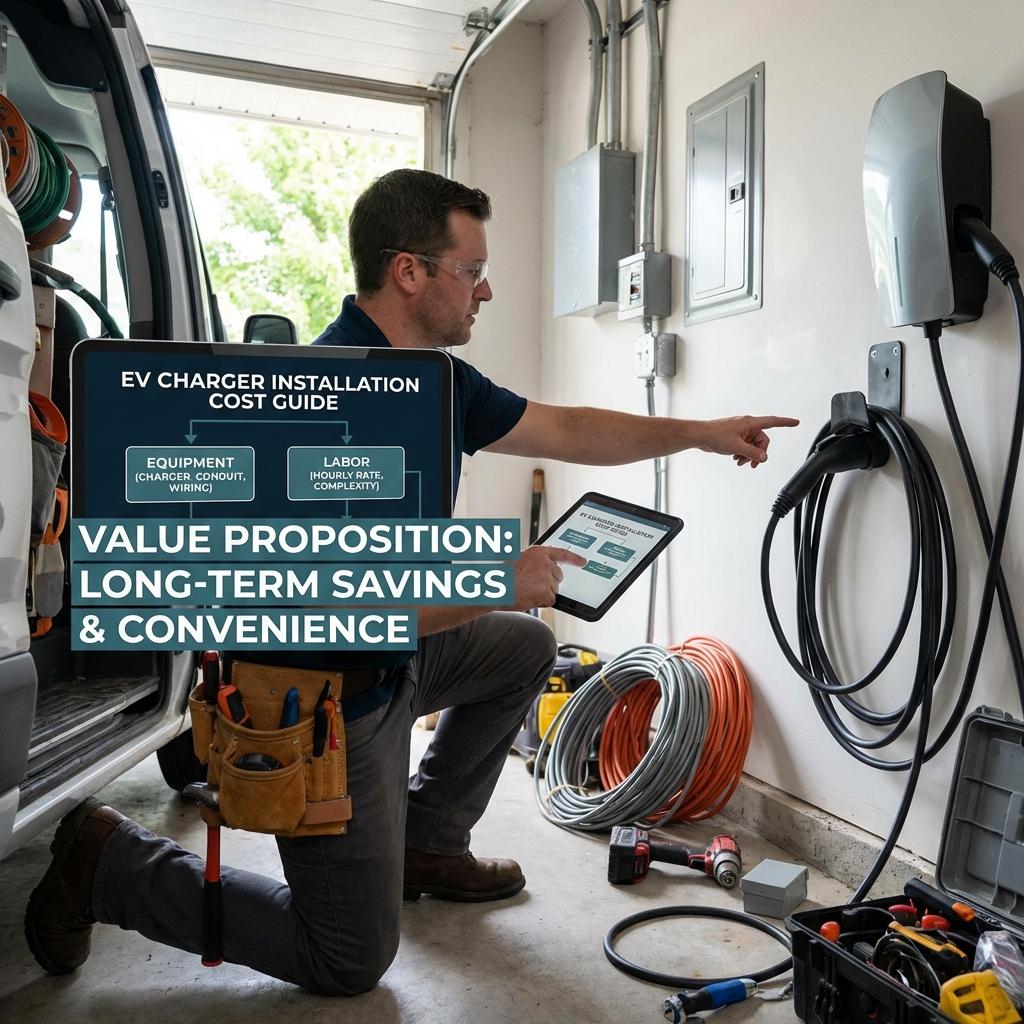
EV Charger Installation Pricing Guide: Complete Cost Analysis
A typical Level 2 circuit and hookup in Northern Virginia is $1,200–$3,500; only long, detached, outdoor, trenched, or otherwise complex routes reach $1,200–$4,500. EVSE hardware is separate.
6 min read
Read 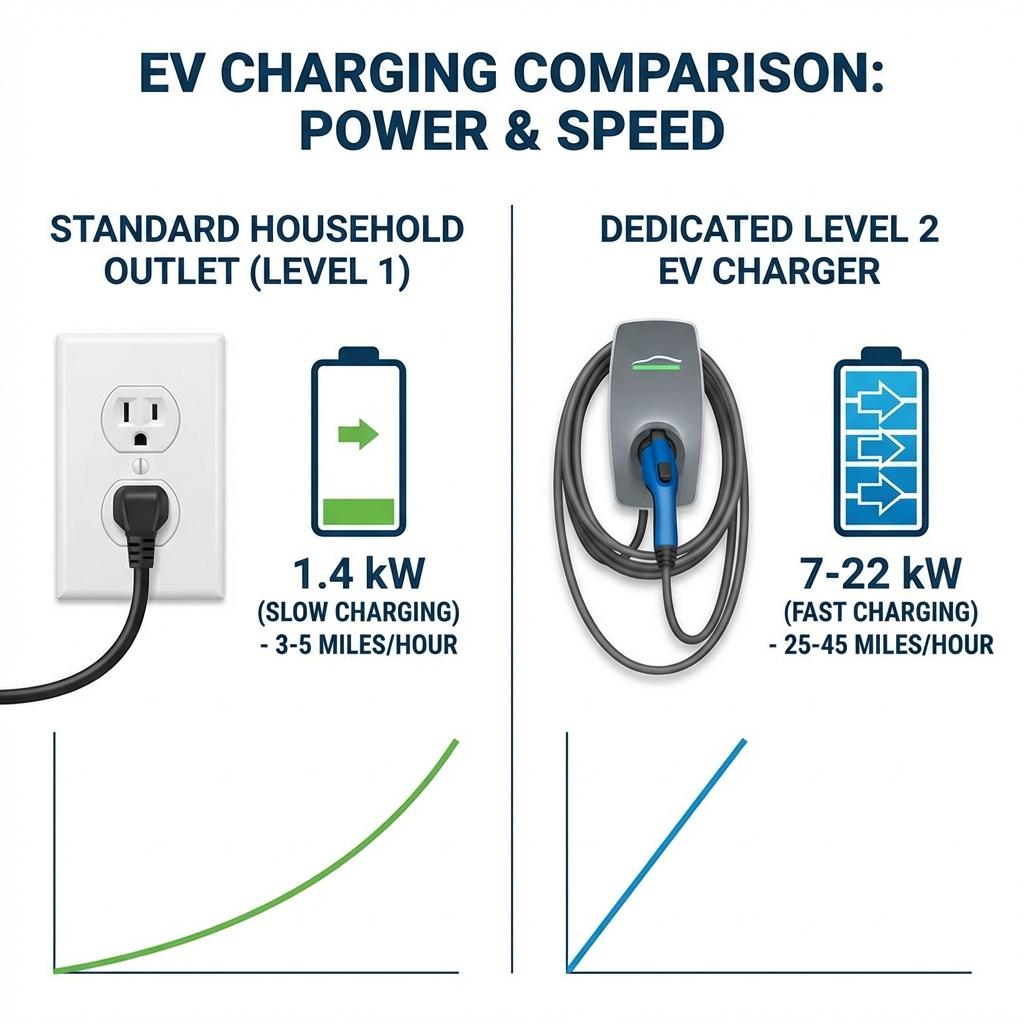
EV Charging
Level 1 vs Level 2 EV Charging: Which Do You Need?
Level 1 vs Level 2 EV charging compared side by side: charge rate, amperage, circuit requirements, and the real cost math for Northern Virginia drivers.
7 min read
Read 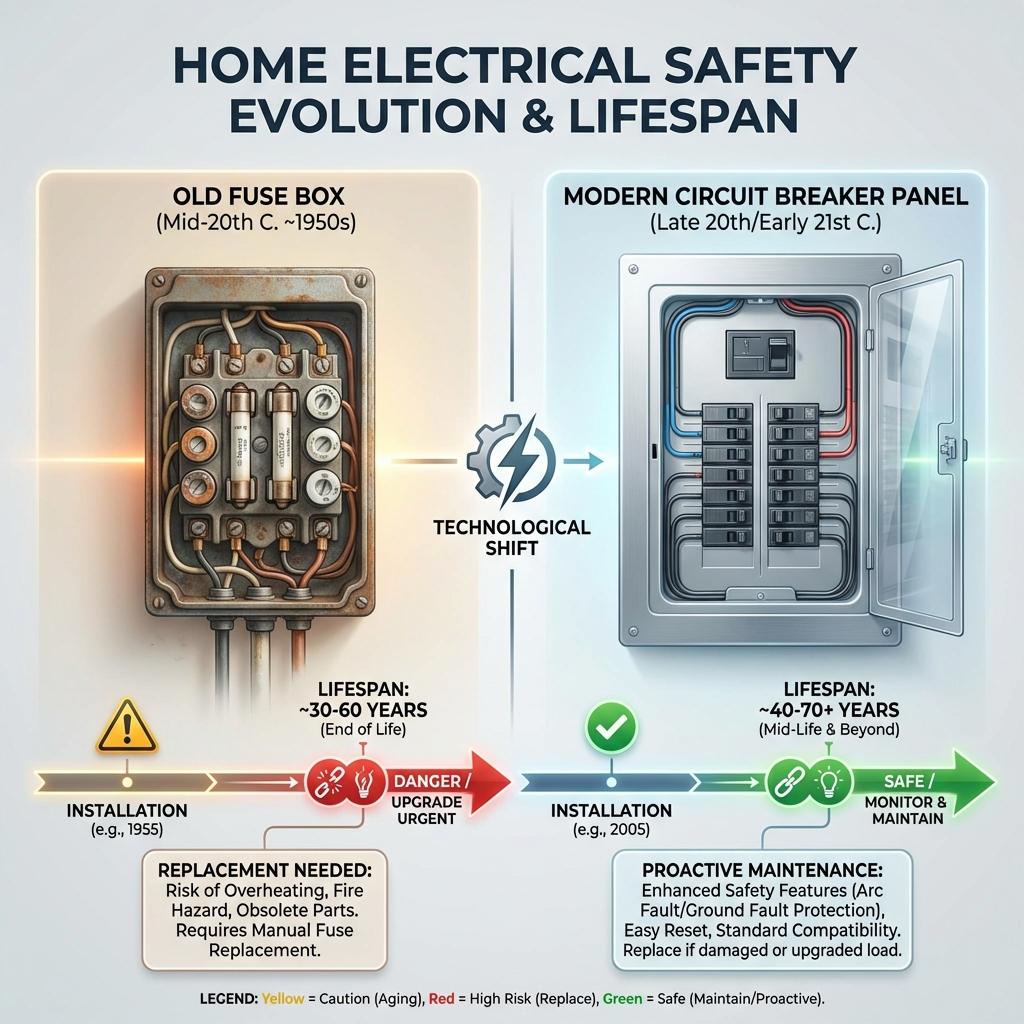
How Long Do Electrical Panels Last? Lifespan and Replacement Signs
Electrical panels typically last 25-40 years, but many factors affect lifespan. Learn when replacement is needed.
6 min read
Read 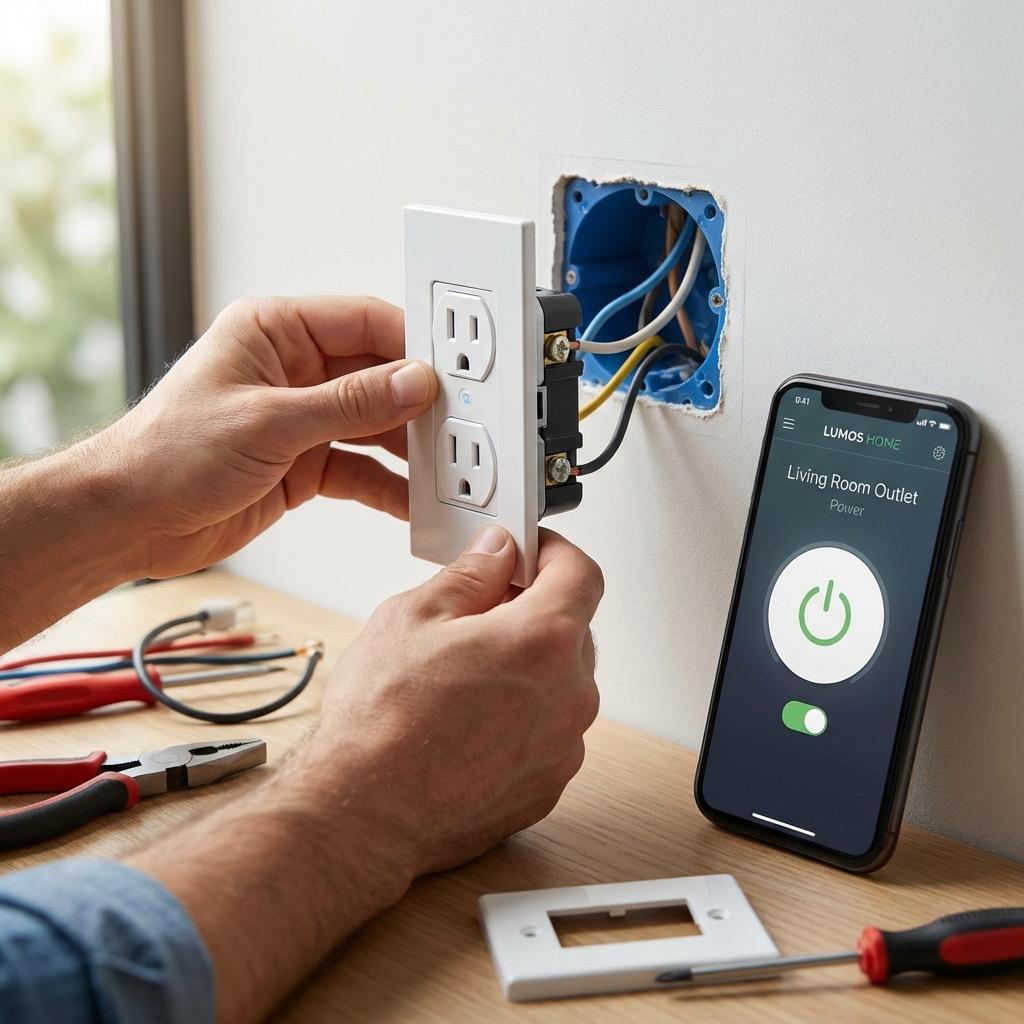
Smart Home
Smart Outlet Installation: Add Intelligence to Any Device
Smart outlets bring automation to lamps, fans, and appliances. Learn installation techniques, load requirements, and the best smart outlets for various applications.
6 min read
Read 
Prince William County VA Electrical Permits: Process and Requirements
Prince William County homeowners need permits for most electrical work. Learn about the PWC permit process and what projects require permits.
11 min read
Read 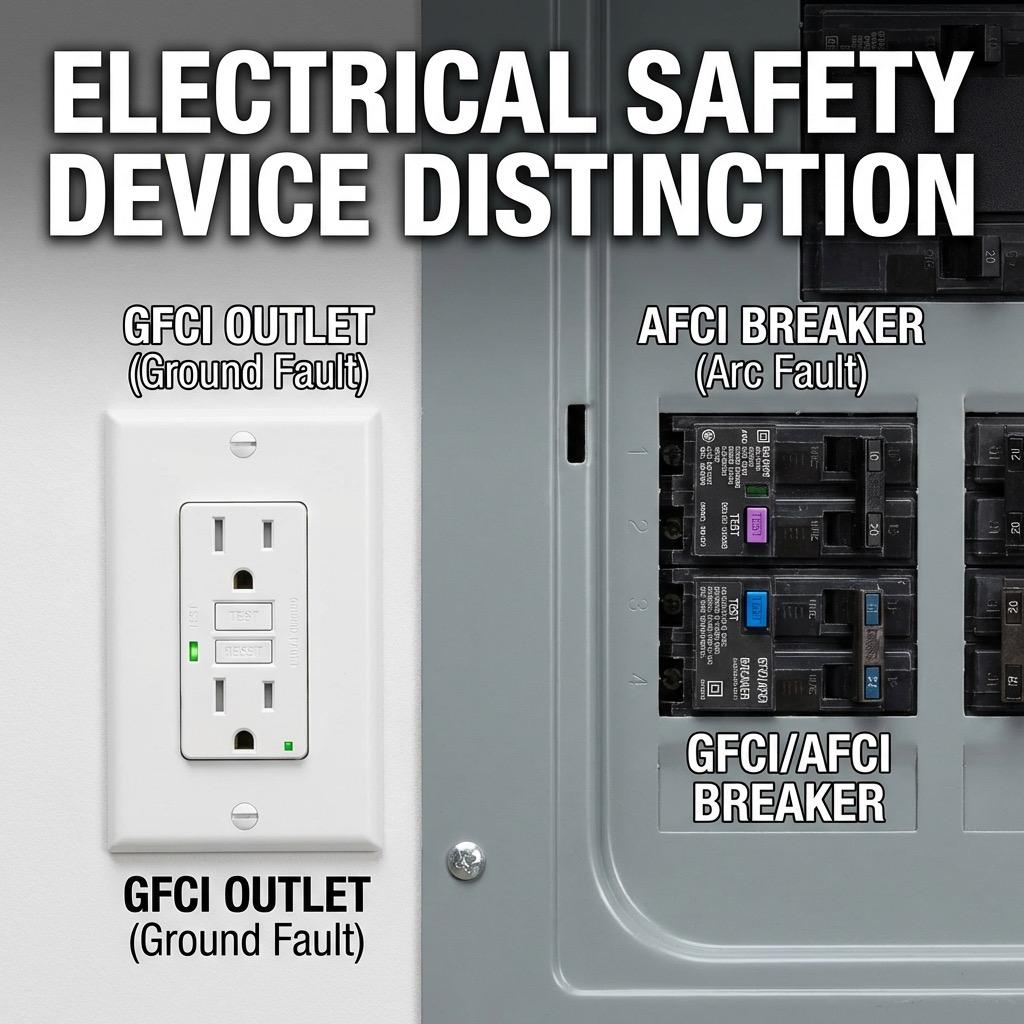
GFCI vs AFCI Breakers Explained: Understanding Your Home's Safety Protection
Learn the critical differences between GFCI and AFCI protection. This guide explains how each technology prevents different electrical hazards, where code requires them, and how they work together to protect your family.
7 min read
Read 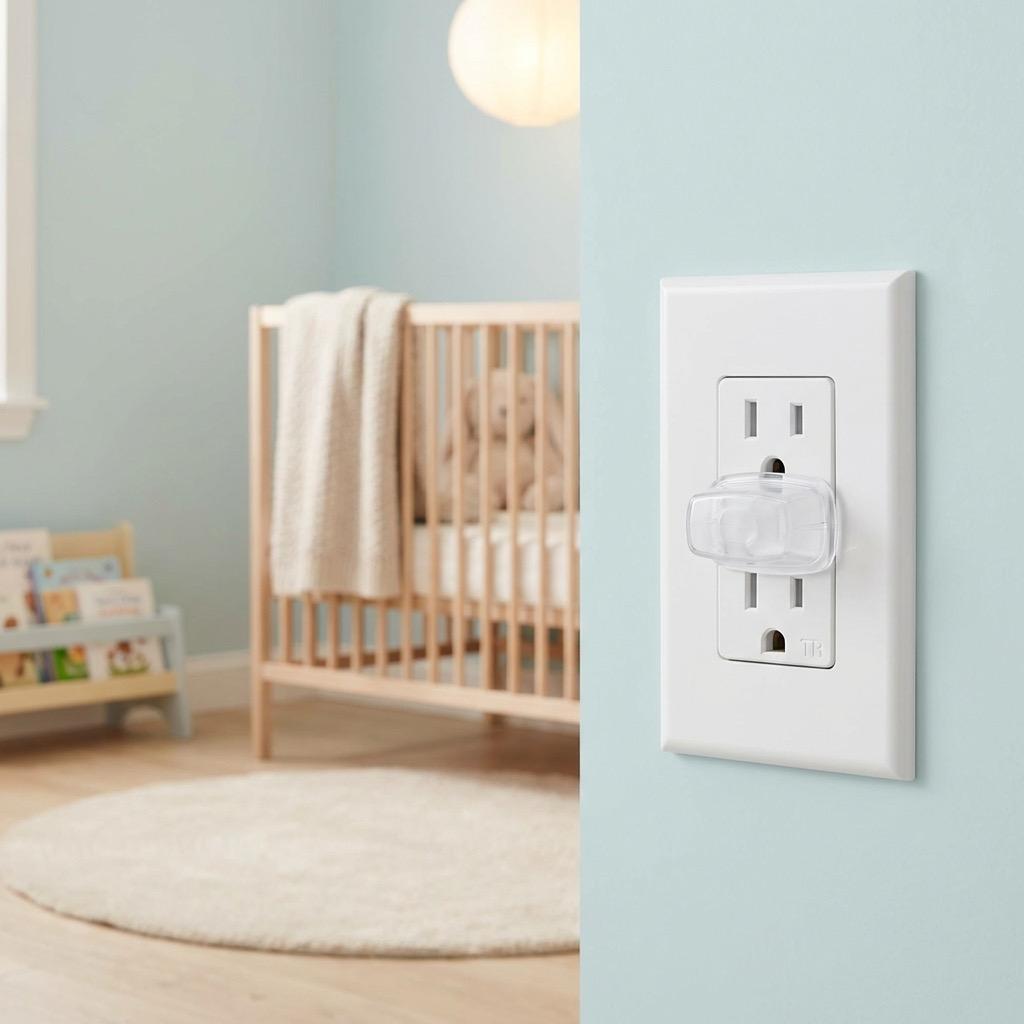
Home Safety
Childproofing Electrical Outlets: A Complete Guide for Parents
Protect curious children from electrical hazards with proper outlet safety measures. Compare outlet covers, tamper-resistant receptacles, and learn installation best practices.
4 min read
Read Browse by Category
Find articles on the topics that matter most to you.
EV Charging
EV charging covers the Level 2 home chargers and circuits that recharge an electric vehicle from your own garage or driveway. These guides walk Northern Virginia drivers through charger selection, the dedicated 240-volt circuit and panel capacity a home charger needs, permitting, and the install costs to expect. A typical Level 2 setup adds roughly 25 to 40 miles of range per hour of charging.
Panel Upgrades
A panel upgrade replaces an undersized or outdated electrical panel with a modern service that safely powers today's larger loads. These homeowner guides explain when an upgrade is required, how to move from 100-amp to 200-amp service, the warning signs of failing or obsolete panels, and what permitting and inspection involve. Northern Virginia 200-amp upgrades are published at $3,500–$7,500, depending on service, access, and documented extras.
Home Safety
Electrical home safety is the set of practices and devices that prevent shock, fire, and arc-fault hazards in a house. These guides cover GFCI and AFCI protection, smoke and carbon-monoxide detectors, overloaded circuits, aluminum wiring, and the inspections that catch problems early. Faulty wiring contributes to an estimated 45,000 home fires in the U.S. each year, which is why proactive checks matter.
Smart Home
Smart home technology connects lighting, outlets, thermostats, and security to app or voice control through reliable, code-compliant wiring. These articles explain smart switches and dimmers, whole-home automation hubs, structured low-voltage cabling, and the electrical groundwork a dependable smart home needs. Done right, a connected home can trim lighting and HVAC energy use by 10 to 15 percent.
Commercial
Commercial electrical work covers the power systems, lighting, and code compliance that keep offices, retail spaces, restaurants, and multi-unit buildings running. These articles address three-phase service, panel and subpanel design, dedicated circuits for commercial equipment, emergency and exit lighting, and the permitting and NEC inspections that commercial properties must pass. Most commercial projects in Northern Virginia must meet the National Electrical Code on a roughly three-year update cycle, so staying current protects both safety and your certificate of occupancy.
Energy Efficiency
Electrical energy efficiency is the practice of cutting wasted power through better lighting, smarter controls, and well-sized circuits. These guides cover LED retrofits, dimmers and occupancy sensors, energy monitoring, and load management that lowers your bill without sacrificing comfort. Switching from incandescent to LED lighting alone can reduce that lighting load by up to 75 percent.
Generators
Home backup power comes in two practical forms: a portable generator connected safely through a transfer switch, interlock kit, or inlet box, and a battery power station that stores electricity without combustion exhaust. These guides explain generator backfeed and carbon-monoxide precautions, battery sizing in kWh and watts, and the electrical permitting an installation requires. Battery placement, clearance, operating conditions, transfer behavior, and supported loads must follow the exact equipment listing, manufacturer instructions, and approved design.
Lighting
Lighting design pairs the right fixtures, layers, and controls to make a space both functional and inviting. These articles cover interior and exterior lighting, recessed and accent fixtures, landscape and security lighting, dimming systems, and energy-efficient LED upgrades. A well-planned layout typically blends three layers of light, ambient, task, and accent, to balance comfort and utility.
Seasonal
Seasonal electrical care is the year-round maintenance that keeps a home's wiring, outlets, and outdoor circuits safe through changing weather. These guides cover holiday lighting loads, storm and outage preparation, surge protection, and warm- and cold-weather inspections tuned to the Mid-Atlantic climate. A few targeted seasonal checks each year head off the outages and hazards that peak during DMV summer storms and winter cold snaps.
Local Services
Local services are the city- and neighborhood-specific electrical guides for homeowners across Northern Virginia and the greater DMV. These articles cover permitting and inspection rules by jurisdiction, common wiring issues in older local housing stock, and what to expect from a licensed electrician in your community. AJ Long Electric serves more than two dozen cities and towns across Northern Virginia, Maryland, and Washington, D.C.
Cost & Pricing
Electrical cost and pricing guides explain what common projects actually cost and the factors that move the final number. These articles break down pricing for panel upgrades, EV chargers, rewiring, lighting, and service calls, plus how labor, materials, permits, and home age affect a quote. As a benchmark, licensed electrical labor in the Northern Virginia and DMV market typically runs between $90 and $150 per hour.
Comparisons
Comparison guides weigh competing electrical products and approaches side by side so you can choose with confidence. These articles contrast options like 100- versus 200-amp service, hardwired versus plug-in EV chargers, portable generators versus battery power stations, and LED versus traditional lighting, with the trade-offs in cost, safety, and performance laid out plainly. Each comparison names the scenario where one option clearly wins so the decision is straightforward.
FAQ
This FAQ collection gives direct, in-depth answers to the electrical questions Northern Virginia homeowners ask most. The articles explain code requirements, safety concerns, project timelines, permitting, and when to call a licensed electrician, written so a homeowner can act on the answer. Every answer reflects current National Electrical Code guidance and real field experience from licensed DMV electricians.
Need Electrical Help?
Our licensed electricians are ready to help with any electrical project, from EV charger installations to complete panel upgrades.