Loading services…

Residential project planning
Aluminum Wiring Evaluation and Repair in McLean, VA
Aluminum branch-circuit wiring calls for a careful review of accessible devices, splices, and panel connections. The next step follows the documented conditions, with corrective work for defined connections or a defined copper-replacement scope considered as appropriate.
- Licensed & insured
- Family-owned since 1996
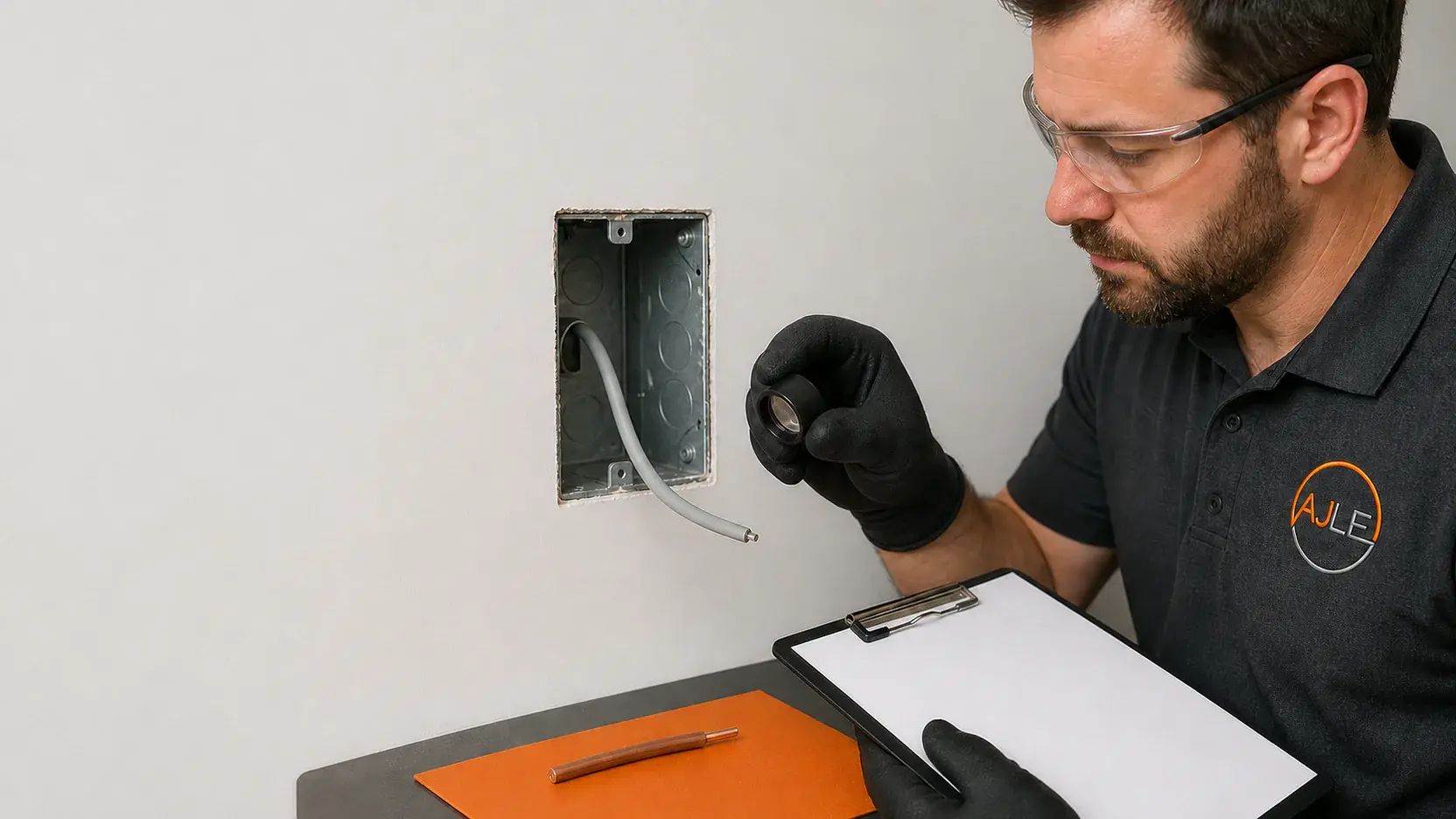
Field briefing / McLean, VA
Project briefing
Jurisdiction confirmed by property address
- Project
- Aluminum Wiring Evaluation and Repair
- Inventory the panels and confirmed served areas first, then choose access points that can distinguish separate wiring phases.
- Permit path
- Fairfax County Land Development Services
- Final jurisdiction is confirmed from the property address.
Scope first
What this project involves
Extent of the work
Determine whether the concern is limited to selected connections or requires a broader branch-circuit plan.
Repair method and records
Define corrective work for documented connections or a copper-replacement scope, and identify records requested by the homeowner.
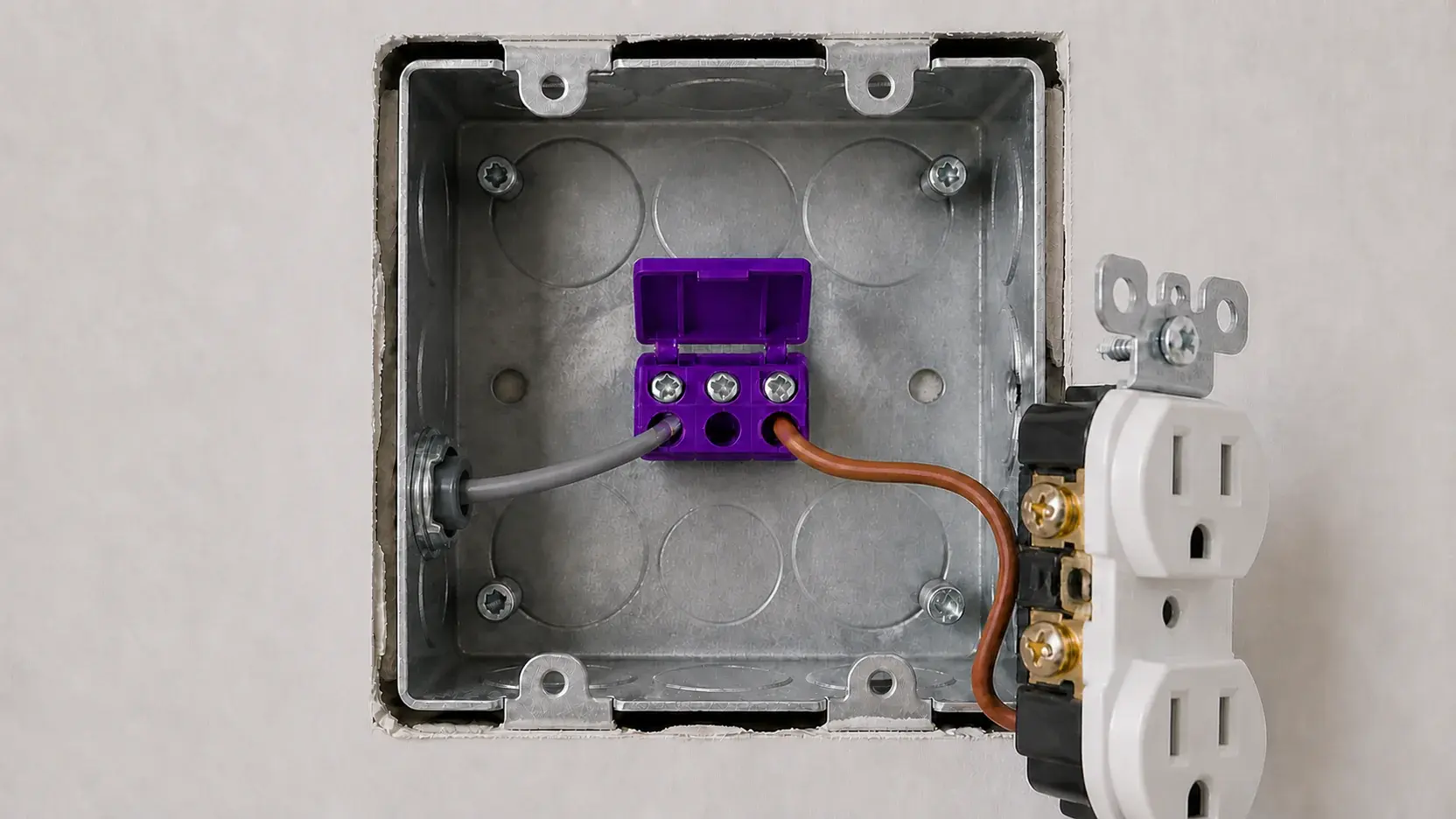
Field view / Aluminum Wiring Evaluation and Repair
Representative field view for Aluminum Wiring Evaluation and Repair; final scope is confirmed at the property.Address-specific planning
What matters in McLean
A McLean aluminum-wiring assessment may need separate boundaries for multiple panels, additions, or confirmed secondary spaces. Each included circuit is tied to its serving equipment before the corrective-work-versus-replacement decision is assembled.
Langley, Chesterbrook, and McLean Hamlet contain varied property layouts, so panel count and route access are established on site. Inspection identifies wiring material and condition found at selected devices, reachable splices, and each included panel termination, with unexamined areas recorded as limits. Fairfax County Land Development Services provides the permit-authority context for the final authorized scope.
Explore the McLean service areaProject fit / review at the property
- A panel-by-panel review of accessible devices, accessible splices, and panel connections
- Defining the extent of affected connections independently for each verified branch-circuit group
- Corrective work for the documented connections versus copper replacement where additions or panel boundaries differ; localized work does not represent whole-system permanent remediation
Local housing & wiring
Planning electrical work in McLean
McLean aluminum wiring work is usually triggered by a remodel or lighting-control upgrade in the 1960s houses around Chesterbrook and Langley, where dimmers and smart switches can be installed onto aluminum conductors without anyone checking.
Chesterbrook and parts of Langley include houses built in the aluminum-wiring years, and many have since been renovated with expensive lighting and finishes. One problem to check for is a mismatch between modern controls and old conductors. A designer or handyman installs dimmers, smart switches or a new fixture on an aluminum circuit, and the device is not listed for use with aluminum conductors, or the termination is tightened like it would be on copper. Dimmers and smart switches with many small wires and push connectors are particularly unforgiving. Our evaluation checks which circuits are aluminum before new controls go in, and we mark any device that needs an alternative. For corrective work we explain the options and their conditions, from listed pigtail connectors to CO/ALR-rated devices where available to copper replacement behind finished walls. Fairfax County Land Development Services handles McLean permits.
Quote inputs
Scope and cost drivers
Included in the defined scope
- Identify accessible aluminum branch-circuit wiring and affected connection points
- Inspect selected devices, splices, and panel terminations for visible concerns
- Explain corrective options for documented devices and connections
- Define where copper replacement is the more appropriate scope
What can change scope and cost
- Number and accessibility of affected connections
- Selected corrective-work or copper-replacement scope
- Panel, device, and splice conditions
- Documentation and access requirements
Work sequence
From assessment to completion
- 01
Define the concern
Review known wiring information and any homeowner or insurance documentation needs.
- 02
Inspect
Examine accessible branch-circuit connections, devices, splices, and panel terminations.
- 03
Choose the method
Select corrective work for the documented connections or define a copper-replacement scope where the observed conditions call for it.
- 04
Complete and document
Perform the authorized work, check affected connections, and document the completed scope.
Property-specific answers
Local questions
How are multiple McLean panels documented?
Each included panel is linked to the devices and junctions reached during inspection. Scope documentation records actual conductor material, condition observed, and access limits for that equipment group.
What can requested McLean records include?
Homeowner-requested records and insurer-requested records may include an equipment inventory, inspected connection locations, authorized work, and excluded areas. They describe only the defined property scope.
Can I install smart switches or dimmers on aluminum wiring in my McLean home?
Only if the device is listed for use with aluminum conductors or the box is connected using listed pigtails to copper leads. Many dimmers and smart switches are marked for copper only. We check the wire material at every box before controls are installed to avoid creating a hot connection.
Before a McLean renovation, where is the risk on an aluminum circuit?
The risk sits mostly at terminations, not along the length of conductor, and connections inside finished walls are harder to inspect. That makes pre-renovation evaluation worthwhile. We document what is accessible and mark concealed junctions that were not opened.
Is copper replacement the only real fix in McLean?
No. Copper replacement is the most complete option, but others exist: listed connectors that join copper pigtails to aluminum, and CO/ALR devices at the device level. Which one fits depends on conductor condition, access, and your plans for the house.
Related Services
Related Services in McLean
Guides
Aluminum Wiring Evaluation and Repair Planning Guides
Expert electrical guides to help you make informed decisions.
Beginner
Home Electrical Safety Inspection Checklist
A comprehensive room-by-room electrical safety checklist every homeowner should review regularly to identify potential hazards.
10 min read
Read GuideIntermediate
Understanding Electrical Permits in Northern Virginia
Navigate the electrical permit process in Northern Virginia with confidence. Learn requirements for Fairfax County, Arlington, Alexandria, and surrounding areas.
12 min read
Read GuideNearby Aluminum Wiring Evaluation and Repair Service Areas
We also provide expert electrical services in these communities.
Next step / property-specific quote
Request a quote for Aluminum Wiring Evaluation and Repair in McLean
Share the property address and project goal so the scope can be reviewed for your home.