Loading services…

Residential project planning
Aluminum Wiring Evaluation and Repair in Springfield, VA
Aluminum branch-circuit wiring calls for a careful review of accessible devices, splices, and panel connections. The next step follows the documented conditions, with corrective work for defined connections or a defined copper-replacement scope considered as appropriate.
- Licensed & insured
- Family-owned since 1996
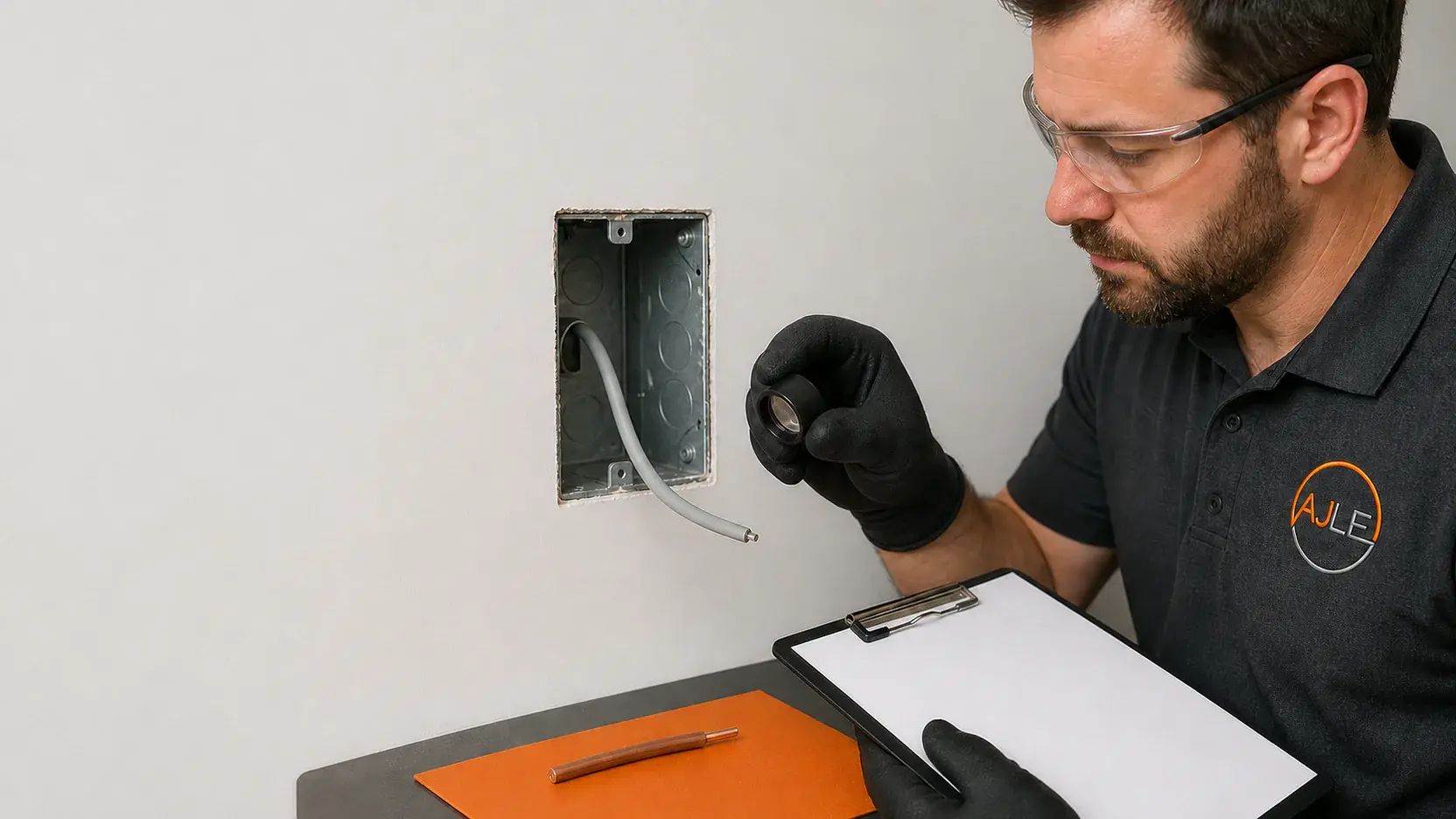
Field briefing / Springfield, VA
Project briefing
Jurisdiction confirmed by property address
- Project
- Aluminum Wiring Evaluation and Repair
- Set a reachable starting circuit and decide in advance what finding would justify opening another finished area.
- Permit path
- Fairfax County Land Development Services
- Final jurisdiction is confirmed from the property address.
Scope first
What this project involves
Extent of the work
Determine whether the concern is limited to selected connections or requires a broader branch-circuit plan.
Repair method and records
Define corrective work for documented connections or a copper-replacement scope, and identify records requested by the homeowner.
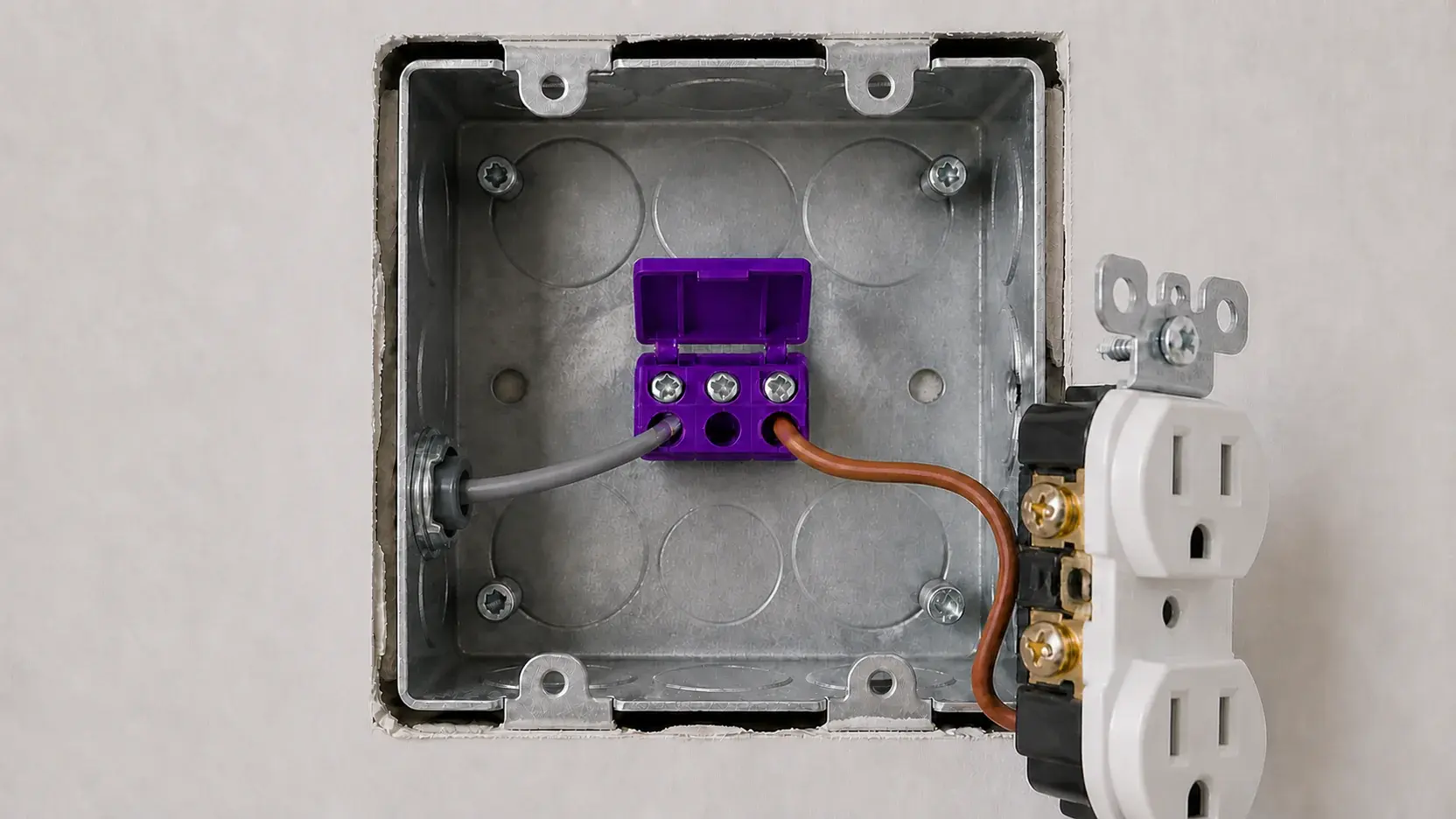
Field view / Aluminum Wiring Evaluation and Repair
Representative field view for Aluminum Wiring Evaluation and Repair; final scope is confirmed at the property.Address-specific planning
What matters in Springfield
A Springfield evaluation separates the device that prompted the call from the broader branch-circuit question. Testing and conductor identification at reachable points show whether the decision concerns one connection group or a wider replacement route.
In West Springfield, Saratoga, and Cardinal Forest, a panel may be separated from upper-floor devices by finished ceilings or utility spaces; the property layout, not the neighborhood name, determines access. We inspect conductor material and actual condition at selected boxes, junctions, and the panel before describing the working scope. Fairfax County Land Development Services provides the local electrical-permit context when the resulting work calls for review.
Explore the Springfield service areaProject fit / review at the property
- Testing accessible devices, accessible splices, and panel terminations on the serving circuit
- Defining the extent of affected connections before additional rooms enter the work plan
- Corrective work for the documented connections versus copper replacement, selected from material, condition, and access findings; localized work does not represent whole-system permanent remediation
Local housing & wiring
Planning electrical work in Springfield
An insurer or home inspector may raise aluminum wiring at a Springfield house in Springfield Forest, Kings Park West or West Springfield. We evaluate the house and explain options in plain terms.
Springfield has a large supply of 1960s and early 1970s split-levels and ramblers, which is exactly the stock where aluminum branch wiring turns up. In Springfield Forest and Kings Park West, the original panel can sit in the basement or garage while the bedrooms are two half-levels up, so circuits make long vertical runs through finished walls. In West Springfield, some homes date to the mid-1970s, near the tail end of the aluminum era. The question we hear most is insurance related. An insurer may ask whether the house has aluminum wiring and what has been done about it. We cannot speak for any insurer, but we can document what we examined and what work we performed. If you are also planning a panel upgrade, evaluate the branch circuits first, because new breakers do not change how the old conductors behave. Permits go through Fairfax County Land Development Services.
Quote inputs
Scope and cost drivers
Included in the defined scope
- Identify accessible aluminum branch-circuit wiring and affected connection points
- Inspect selected devices, splices, and panel terminations for visible concerns
- Explain corrective options for documented devices and connections
- Define where copper replacement is the more appropriate scope
What can change scope and cost
- Number and accessibility of affected connections
- Selected corrective-work or copper-replacement scope
- Panel, device, and splice conditions
- Documentation and access requirements
Work sequence
From assessment to completion
- 01
Define the concern
Review known wiring information and any homeowner or insurance documentation needs.
- 02
Inspect
Examine accessible branch-circuit connections, devices, splices, and panel terminations.
- 03
Choose the method
Select corrective work for the documented connections or define a copper-replacement scope where the observed conditions call for it.
- 04
Complete and document
Perform the authorized work, check affected connections, and document the completed scope.
Property-specific answers
Local questions
Can one Springfield device establish the wiring material for a floor?
No. Inspection identifies the actual wiring material and the condition verified only at the points examined. Scope documentation states those points and any limits instead of extending one observation to concealed boxes.
What finding opens a second finished area in a Springfield home?
That trigger is agreed before work starts, for example a damaged or incompatible termination on the circuit that feeds the upper floor. Without that finding at a reachable box, junction, or the panel, the plan does not open another finished ceiling. Homeowner-requested records and insurer-requested records list the points examined and any area left closed.
My insurance company asked about aluminum wiring. What should I do first?
Ask the insurer exactly what they need in writing, since requirements vary. Then have the house evaluated so you can answer truthfully. We provide a factual record of the conductors we found, the connections we examined and any corrective work performed. Whether the insurer accepts it is their decision.
Should I upgrade my Springfield panel before or after dealing with aluminum wiring?
Evaluate the branch circuits first. A new panel does not change the condition of the conductors or the devices downstream. Doing both in one plan lets us make compatible connections at the panel as part of the same permit and avoids opening finished walls twice.
Does a Springfield split-level make aluminum repair harder?
It can. Circuits often run through finished walls between half-levels, so replacement with copper may need access holes in drywall. Device-level measures like CO/ALR receptacles or listed connectors avoid that, when the conductors are in good condition. We lay out the tradeoffs room by room.
Related Services
Related Services in Springfield
Guides
Aluminum Wiring Evaluation and Repair Planning Guides
Expert electrical guides to help you make informed decisions.
Beginner
Home Electrical Safety Inspection Checklist
A comprehensive room-by-room electrical safety checklist every homeowner should review regularly to identify potential hazards.
10 min read
Read GuideIntermediate
Understanding Electrical Permits in Northern Virginia
Navigate the electrical permit process in Northern Virginia with confidence. Learn requirements for Fairfax County, Arlington, Alexandria, and surrounding areas.
12 min read
Read GuideNearby Aluminum Wiring Evaluation and Repair Service Areas
We also provide expert electrical services in these communities.
Next step / property-specific quote
Request a quote for Aluminum Wiring Evaluation and Repair in Springfield
Share the property address and project goal so the scope can be reviewed for your home.