
Key Takeaways
- Identify the constraint: electrical demand, equipment condition, physical space, or a future connection.
- Charging at a fixed lower output, sharing between chargers, and monitoring the house are different approaches.
- Compare usable charging time and the whole installation, not just the device price.
- A panel replacement and a service-capacity increase are different scopes.
What problem are you trying to solve?
“The panel cannot take a charger” can describe several different findings. The calculated household load may leave insufficient capacity at the desired charging rate. The enclosure may lack an approved breaker position. Equipment may be damaged or unsuitable. A planned addition may require a different service. These findings do not all have the same remedy.
Ready to Install a Home EV Charger?
Our licensed electricians evaluate panel capacity, circuit routing, equipment requirements, and permit needs for home EV charging. Call (571) 444-6886 or request an estimate online.
Start with an evaluation of the existing service and panel, the proposed charging output, other household loads, and the equipment condition. Adding up the numbers printed on branch breakers does not establish household demand. Similarly, open breaker spaces do not establish that the service can support the proposed load.
Three approaches often called load management
| Approach | What it does | What to check |
|---|---|---|
| Fixed lower charging output | Limits the charger to an installer-configured maximum | Whether that permitted setting fits the design and meets the driving schedule |
| Coordinated charging between vehicles | Allocates a defined charging allowance between compatible units | Exact models, communications, approved circuit layout, and total allocation |
| Dynamic household monitoring | Adjusts or interrupts charging as other monitored loads change | Monitoring coverage, compatible controls, failure behavior, and authority acceptance |
A vehicle's ordinary overnight charging schedule is not, by itself, an approved electrical capacity control. Someone can change the schedule, or other equipment can run during the same window. The installation must rely on the protection and controls required by its approved design, rather than a promise not to use two appliances together.
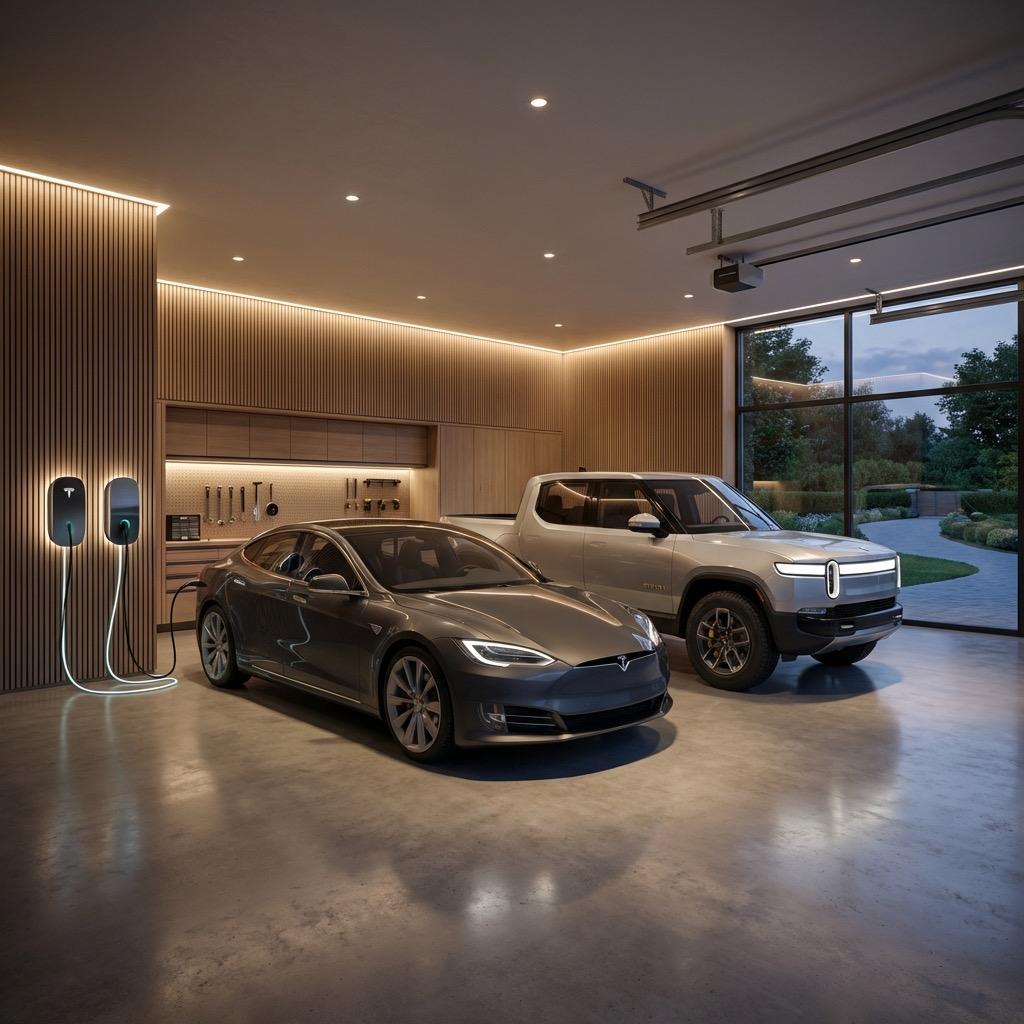
Manufacturer capabilities vary. Tesla distinguishes static, dynamic, and group power management; its current documentation says dynamic management applies to a single Wall Connector, while group management coordinates compatible Gen 3 units. Do not assume those functions combine or work with any brand of charger. The equipment selected for your project needs its own documented design.
When management is worth evaluating
Management can be useful when the existing electrical equipment is suitable, the proposed charging demand is the main constraint, and the available charging windows allow interruptions or reduced output. It is not limited to recently installed 200-amp panels. A smaller service may also be a candidate after the electrician evaluates the complete system.
Ask what happens during your actual routine. If cooking, electric heating, or another major load runs through much of the charging window, the vehicle may receive less energy than expected. The relevant result is whether it will be ready when needed, not whether a product advertises a high maximum charging rate.
When panel or service work may be appropriate
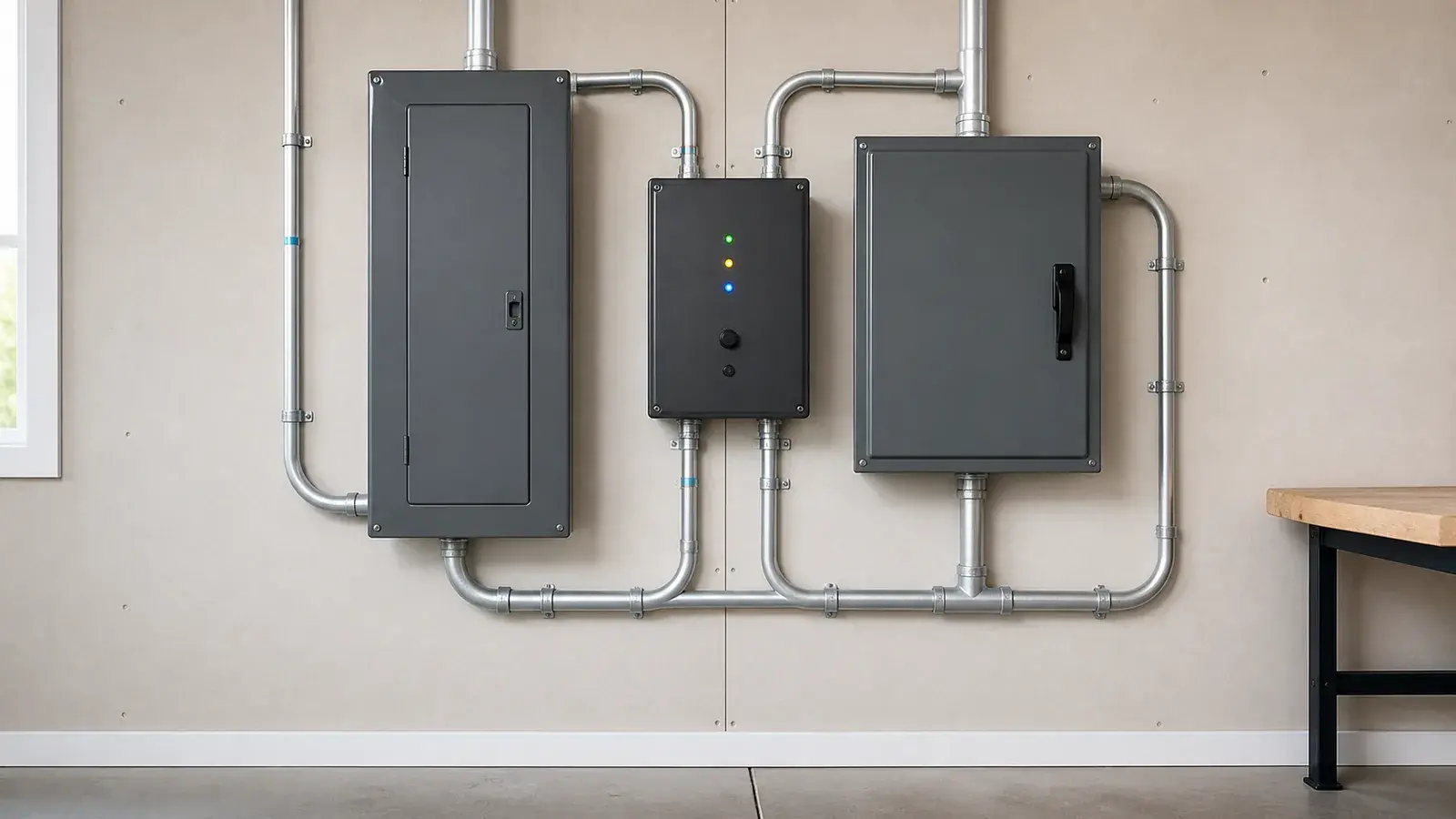
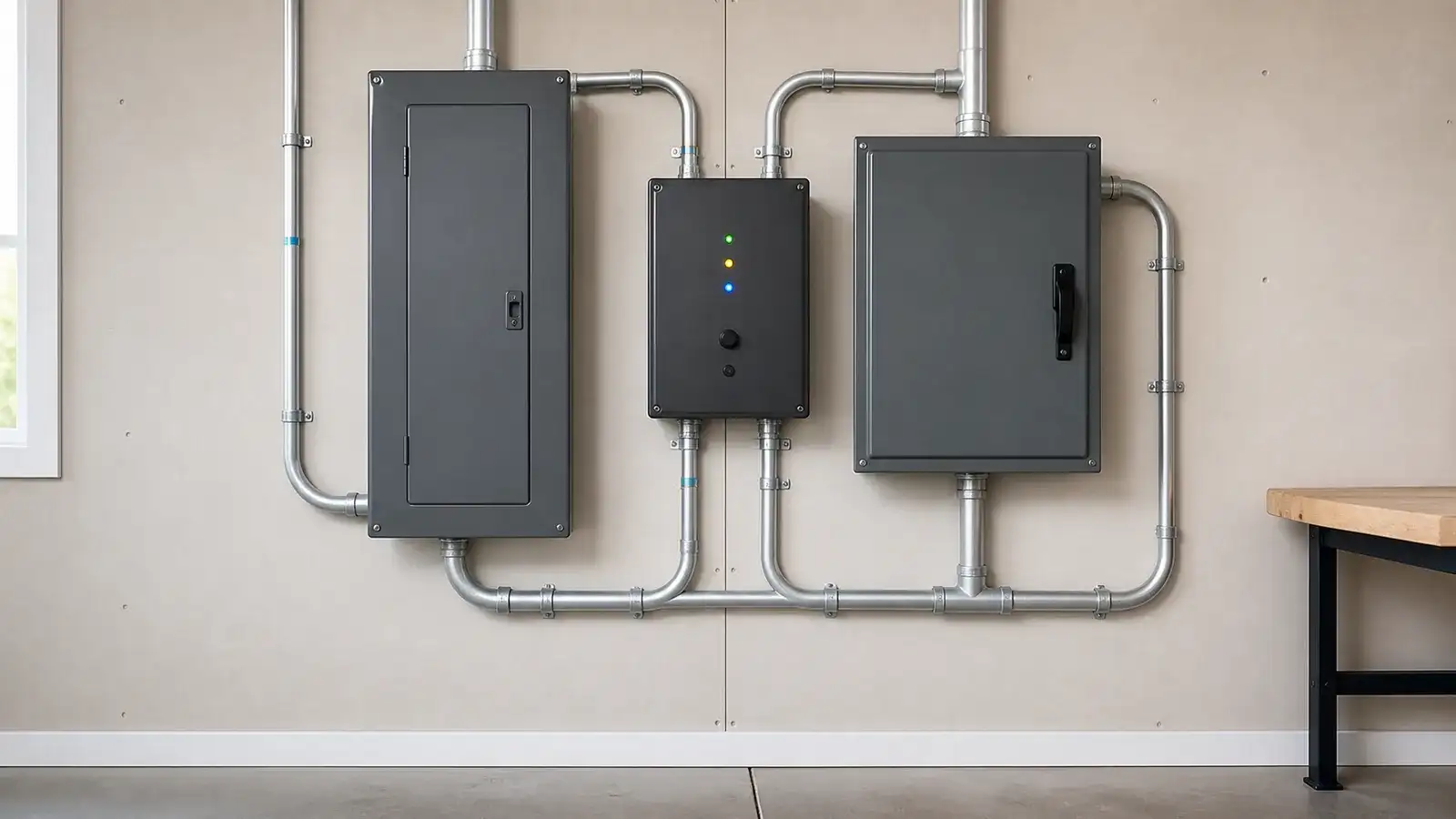
Damaged or unsuitable equipment requires its own correction. Management does not repair a compromised bus, replace an incompatible breaker, or resolve deficient connections. A full panel may call for a different approved circuit arrangement or additional distribution equipment; a subpanel can add spaces but cannot increase service capacity.
A larger service may make sense when documented household needs exceed what a suitable management design can accommodate, or the desired charging performance would otherwise be impractical. Replacing the panel enclosure alone does not automatically increase the service rating. The quote should identify which service equipment, conductors, utility coordination, permits, and inspections are included.
Compare complete quotes and ongoing use
Ask each proposal to identify the configured charging output, approved control equipment, circuit route, monitoring installation, commissioning, and any equipment excluded from the price. Separate charger hardware from electrical installation. For a service change, identify associated utility or access work and finish repairs. A device-only price and a complete service-upgrade price are not comparable scopes.
Also ask how a future replacement charger would work, whether a subscription is required for the intended function, and what the system does if communications or monitoring fail. Get answers for the exact product and configuration. A phone app screen does not establish the protective function of the installed system.
Keep future solar and batteries in a separate design check
Solar generation is not simply another household consuming load to add beside an EV charger. Its connection requires a separate review of the selected equipment, panel and bus ratings, connection arrangement, utility requirements, and adopted rules. Managing EV demand does not automatically establish that a future generation connection will fit.
A battery can both charge and supply power, depending on its operating mode and design. Record actual future goals, but do not promise that reserving a breaker space today guarantees approval of unspecified equipment later. Our 100-amp EV and future-solar planning guide separates those decisions.
What to send with an estimate request
Provide the service address, vehicle and charger models if chosen, normal arrival and departure times, major electric appliances, and planned additions. Photos of the closed panel, accessible labels, parking location, and proposed route can help; do not remove covers. Request a free project estimate for an EV installation or panel project. Staff review the information and discuss the next step; submitting a request does not reserve an appointment.