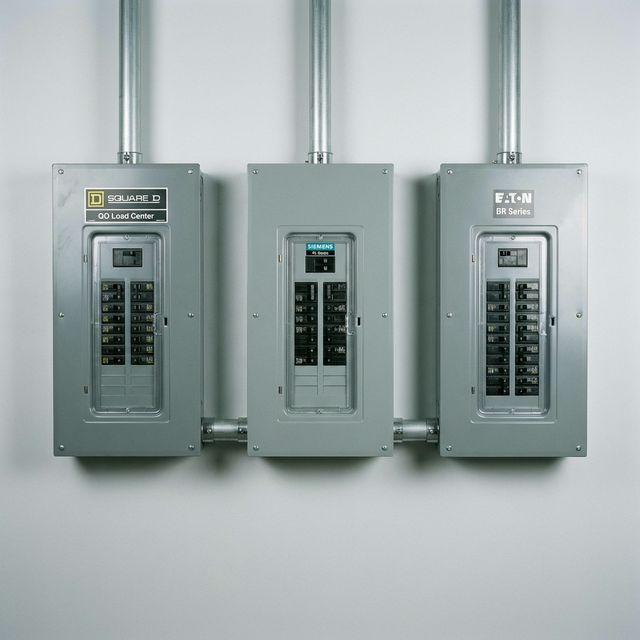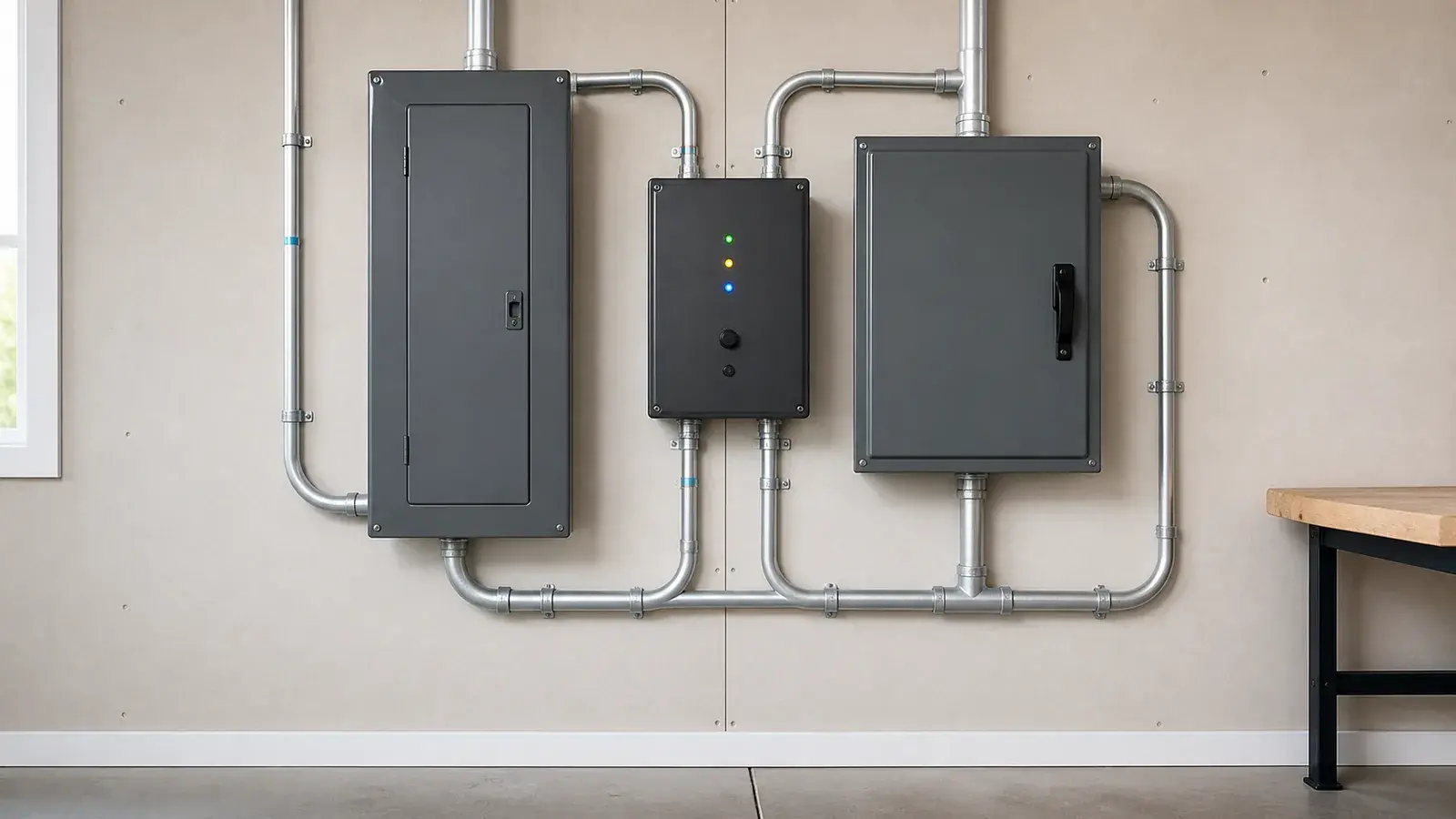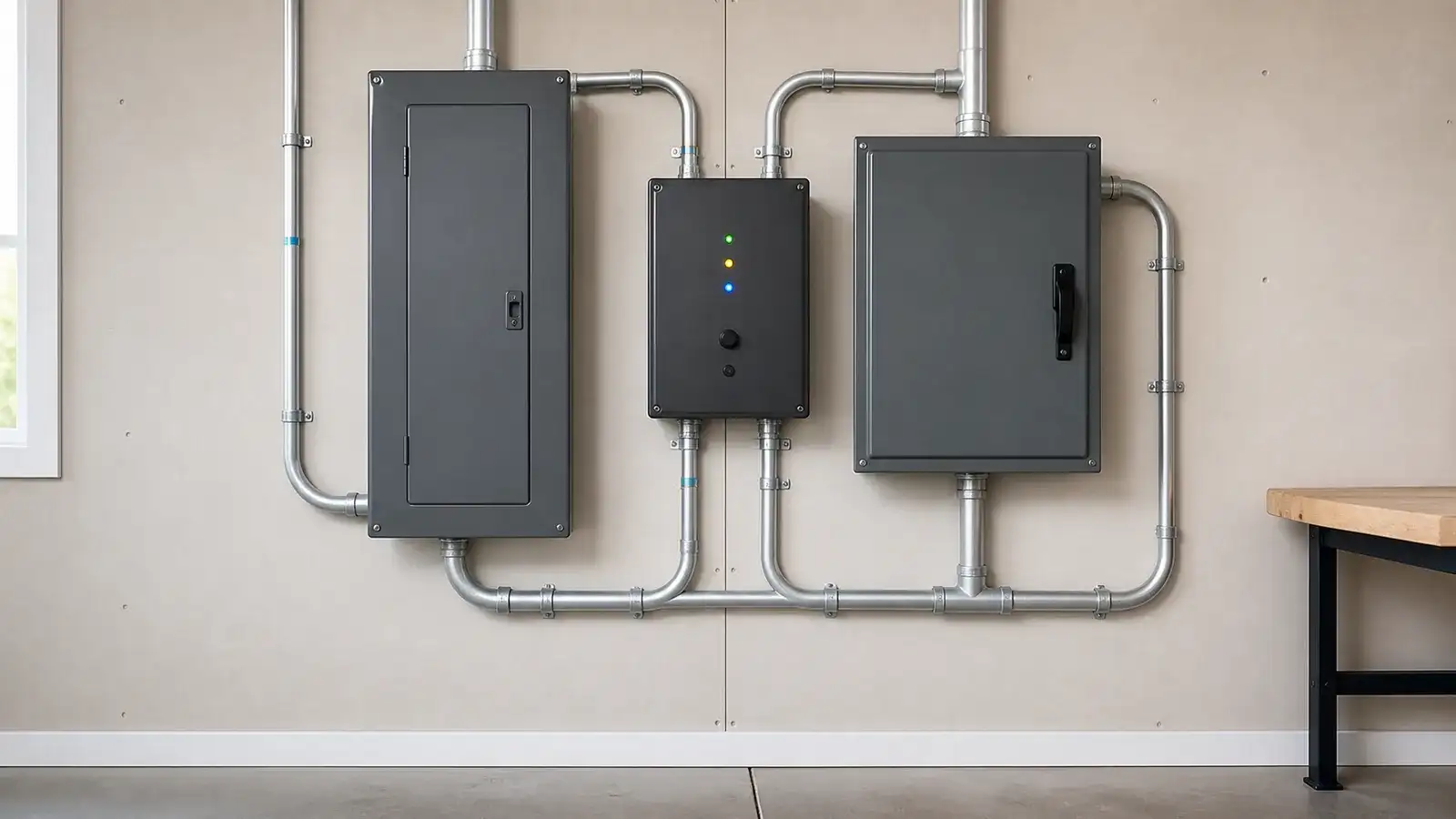

Choose a panel by the work it needs to do. A conventional load center distributes and protects circuits. A connected panel or compatible smart breakers can add monitoring and control. Avoid assuming every product called a smart panel can manage service capacity, operate with any battery, or support every circuit.
Key Takeaways
- Monitoring shows usage; remote control switches supported circuits; automatic load management enforces a configured limit or backup priority. These are different functions.
- SPAN and Leviton use different equipment arrangements. Compare exact models and included components.
- A panel replacement does not automatically increase the home's electrical service capacity.
- Compare complete installation scopes, connectivity needs, and separate equipment and installation warranties.
Start with condition, space, and service capacity
Ask whether the project addresses damaged equipment, a documented recall, insufficient circuit spaces, insufficient service capacity, or a desired control feature. These are different reasons for work. Age alone does not establish the required replacement scope, and unused breaker spaces do not establish capacity for an EV charger or heat pump.
Ready to Install a Home EV Charger?
Our licensed electricians evaluate panel capacity, circuit routing, equipment requirements, and permit needs for home EV charging. Call (571) 444-6886 or request an estimate online.
A replacement panel can retain the existing service rating. Increasing available service capacity may involve other equipment and utility coordination. Neither an app nor a larger panel enclosure repairs damaged wiring or increases the rating of existing service conductors. Start with the load assessment and equipment condition before selecting a brand.
Compare the three approaches
Conventional load center: protection and circuit space
A standard listed load center with the appropriate breakers can suit a project that needs sound equipment and enough circuit spaces without remote switching. It can also be part of a properly designed EV, solar, or battery installation; a connected panel is not a universal prerequisite. Each added system still needs its own capacity, connection, protection, and compatibility review.
If the goal is simply to see energy use, a compatible monitoring accessory may avoid replacing serviceable equipment. Monitoring alone does not establish automatic capacity management. Our panel-brand guide covers conventional panel families and approved breaker selection.
Leviton: choose which compatible circuits become smart
Leviton's load-center upgrade guidance describes adding its Whole Home Energy Monitor and 2nd Gen Smart Circuit Breakers to a compatible Leviton load center. Smart and standard breakers can coexist, so the quote should identify which circuits receive smart devices. This is not a promise that Leviton smart breakers fit another manufacturer's enclosure.
The LWHEM-2 specifications distinguish monitoring from remote switching and scheduling with supported 2nd Gen breakers. With the specified automatic-transfer-switch integration and compatible backup system, configured nonessential 2nd Gen circuits can shed during backup. Standard and first-generation breakers do not gain that shedding function merely because a monitor is present.
SPAN: integrated management with model-specific limits
Compare the exact SPAN panel, circuit spaces, approved breakers, planned loads, and installation arrangement. SPAN's PowerUp documentation describes managing on-grid demand below a configured setpoint. Using it to avoid a service upgrade requires a supported design, load calculations, commissioning, and permit review. The manufacturer calls for an authorized installer to enable the system; brand mention here does not establish installer authorization.
That on-grid function is different from backup priorities during an outage. SPAN's storage compatibility list varies by panel model and battery-system components. Confirm the full combination, not just the battery brand, before expecting automatic backup prioritization. The panel itself is not a battery or an unrestricted replacement for transfer equipment.
Match the feature to the problem
- One EV charger, limited capacity: Compare a supported EV-specific management design with broader panel management and a service upgrade. See load management versus a 200-amp upgrade.
- Several planned electric appliances: List which loads can pause and which must remain available. Ask the designer to explain what happens when demand reaches the managed limit.
- Backup power: Identify the compatible battery or generator system, transfer arrangement, starting loads, and circuits selected for backup. Circuit control cannot create stored energy or remove the backup source's output limit.
- Usage information only: Compare a compatible monitor with the cost and complexity of replacing a serviceable panel.
Do not assume manual app switching, a time schedule, or an energy-use chart is an approved automatic load-management system. The required function must be documented for the specific installation. Savings and payback also depend on measured usage, tariffs, behavior, and the project price; no universal percentage applies.
What happens if the internet goes down?
Ask separately about circuit protection, automatic controls, remote viewing, and changing settings. According to SPAN's connectivity guidance, temporary connectivity loss leaves the panel operating under its most recent settings, while app control and live monitoring need connectivity. Do not assume the same fallback for every brand or accessory.
Before acceptance, have the installer explain normal operation, communication-loss behavior, recovery, and account handover for the quoted system. Confirm which functions rely on a gateway, home network, cloud service, compatible backup equipment, or optional accessories.
Compare complete project prices
AJ Long Electric's published planning ranges are $3,500–$7,500 for a standard 200-amp panel project, $7,500–$9,500 for SPAN-class work, and $3,000–$5,000 for Leviton-class work. These categories are not identical bills of materials or a promise that one complete project is cheaper than another. Use a written, property-specific scope before comparing totals.
Ask each proposal to identify the panel model, circuit count, smart-breaker count, monitor or gateway, required protective devices, grounding work, service changes, permits, utility coordination, and commissioning. EVSE, batteries, transfer equipment, and other added systems need explicit inclusion or exclusion. An accessory retrofit and a complete service replacement should not be compared as though they are the same job.
Keep equipment coverage separate from installation coverage
Our quoted electrical installations include a five-year workmanship warranty from completion. Parts and equipment carry their manufacturer warranties.
Equipment coverage follows the manufacturer's terms for the exact product and installation. For example, SPAN's limited warranty has purchasing, authorized-installer, and commissioning conditions. Check those before ordering; a general contractor license or a comparison article does not by itself satisfy a manufacturer's authorization requirement.
Prepare for a free project estimate
Provide photos of equipment labels and breaker directories with covers left in place, the planned EV or appliance models, and the circuits you want to monitor or control. Include any existing backup equipment and the functions you expect during an outage.
Start with panel replacement and service-capacity planning, or request a free project estimate. Staff review the request and confirm scope and next steps; submitting it does not book an appointment or confirm a particular manufacturer's installation availability.