Loading services…

Residential project planning
Electrical Inspections in Arlington, VA
A focused electrical inspection documents the condition of accessible components within an agreed scope. It can include panel examination, device testing, and written findings for a buyer, seller, or homeowner reviewing a specific safety concern.
- Licensed & insured
- Family-owned since 1996
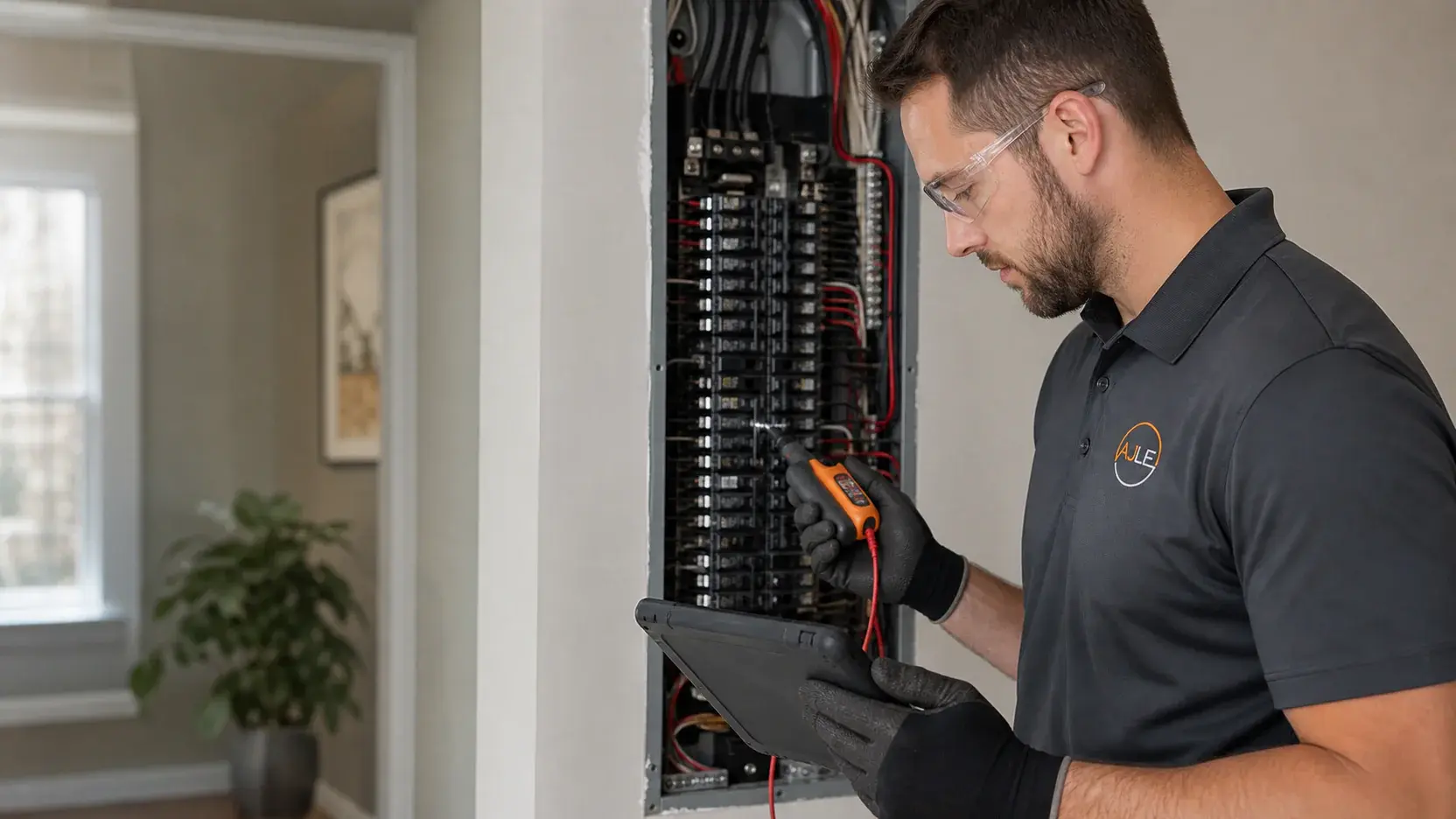
Field briefing / Arlington, VA
Project briefing
Jurisdiction confirmed by property address
- Project
- Electrical Inspections
- Resolve access permission and report depth before the visit, particularly when panels or circuits lie in shared or managed areas.
- Permit path
- Arlington County Inspection Services Division
- Final jurisdiction is confirmed from the property address.
Planning your project in Arlington
Make the boundary of a condo inspection clear
For an Arlington condo purchase or renovation, define the private equipment the inspection will cover and any common equipment needing management access. The report should distinguish observed conditions, inaccessible areas and information requested from the building. A unit review cannot silently stand in for an assessment of the entire building's electrical distribution.
Before your estimate
Arrange panel access and gather previous unit reports or renovation plans. Ask management which shared equipment, if any, can be included.
Arlington's 2025 housing profile reports that 73% of housing units are multifamily apartments or condos. Its neighborhood directory also distinguishes areas such as Cherrydale, Columbia Pike and Virginia Square. A condo installation and a detached-home installation can therefore need very different preparation.
Scope first
What this project involves
Inspection scope
Choose a buyer, seller, or safety-focused review and identify the systems or concerns to include.
Report depth and imaging
Decide how detailed the written findings should be and whether optional thermal imaging fits the question being investigated.
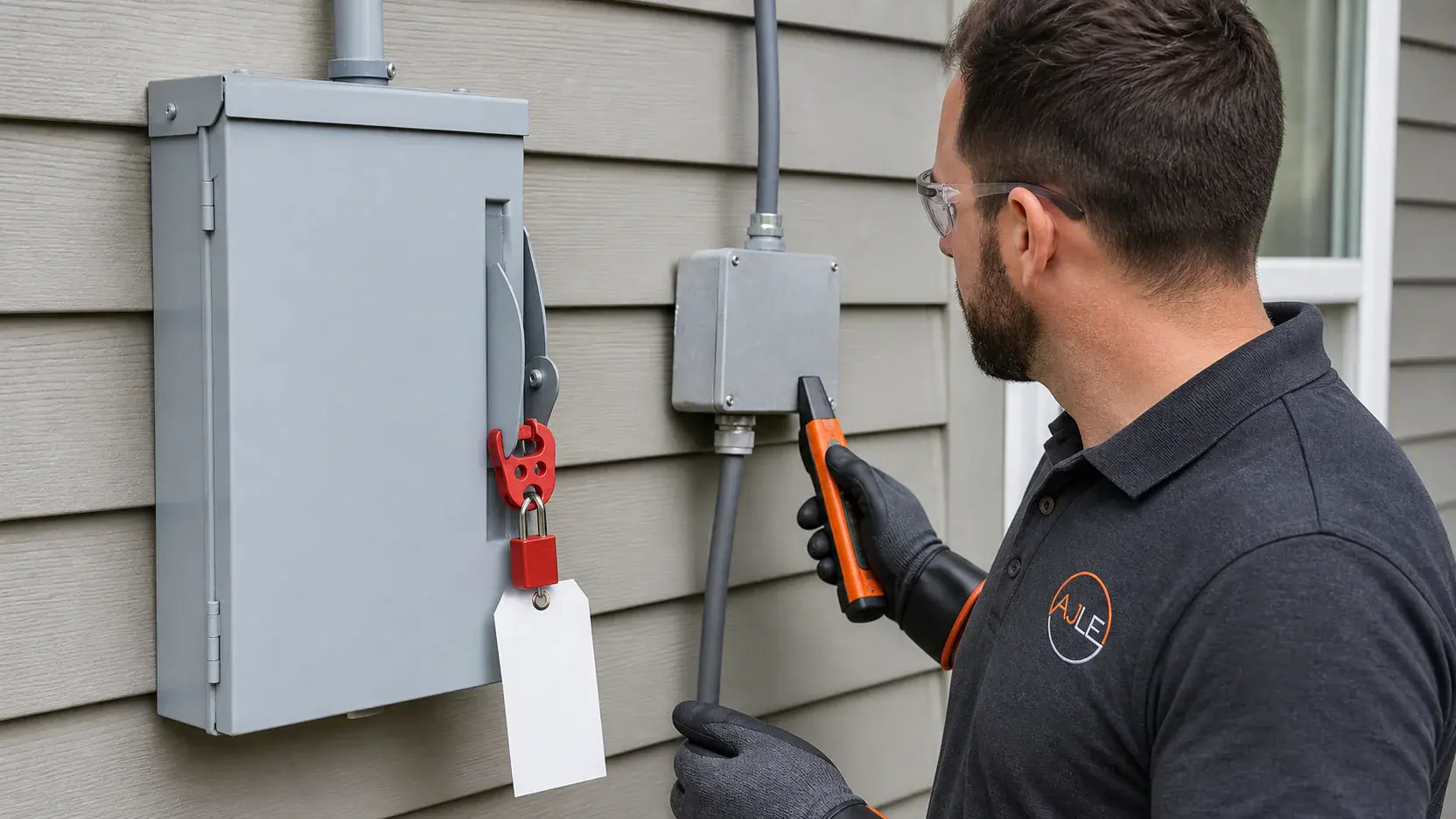
Field view / Electrical Inspections
Representative field view for Electrical Inspections; final scope is confirmed at the property.Address-specific planning
What matters in Arlington
An Arlington electrical inspection can give a buyer, seller, or homeowner decision-ready information when the scope accounts for actual equipment access and building coordination. It is not a whole-home inspection of non-electrical systems.
In Clarendon, Cherrydale, and Rosslyn, accessible electrical equipment may be influenced by the individual building arrangement and any managed-space restrictions. We document the property's actual age and known alterations, then examine agreed panels, visible conditions, selected devices, and relevant circuits that can be accessed. The requested report depth is established before testing, and optional thermal imaging is used only for a defined electrical question under observable conditions. Written findings separate observations, access limits, and possible next steps.
Explore the Arlington service areaProject fit / review at the property
- Buyer due diligence focused on accessible electrical equipment and stated concerns
- Seller documentation of selected panels, devices, or prior electrical alterations
- Homeowner safety review requiring coordination for an accessible circuit or equipment area
Local housing & wiring
Planning electrical work in Arlington
An electrical inspection in Arlington, VA can follow a general home inspection that flagged two-prong outlets or an old fuse box in a Cherrydale, Lyon Village or Ashton Heights house and the buyer wants an electrician to say what it means.
Arlington's older housing is a mix of 1920s to 1940s bungalows and colonials, many with plaster ceilings, cloth-sheathed cable in the attic, and additions from three different decades. The inspection finds out which circuits are grounded and which only look it, because a three-prong outlet wired to a two-wire circuit is common here. We trace what the original panel feeds, look for abandoned or spliced runs in the basement joists, check for knob-and-tube pockets where it enters the attic floor, and note where an addition tied into old wiring. In condo towers near Rosslyn, Clarendon and Crystal City the review is of the unit itself: the unit subpanel, receptacles, alarms and anything building management allows us to see. Common-area risers and the main service stay outside our scope. The report separates what we saw from what plaster and insulation kept us from seeing.
Quote inputs
Scope and cost drivers
Included in the defined scope
- Define the buyer, seller, or safety-focused inspection scope before testing
- Examine accessible panel components and visible electrical conditions
- Test agreed outlets, devices, or circuits relevant to the scope
- Provide written findings with observed conditions and practical next steps
What can change scope and cost
- Size and depth of the agreed inspection scope
- Number of panels, circuits, and devices to examine
- Access to electrical equipment and tested areas
- Optional thermal imaging and reporting detail
Work sequence
From assessment to completion
- 01
Set the scope
Clarify the reason for the inspection and the accessible systems to review.
- 02
Examine
Inspect the panel and visible electrical conditions included in the scope.
- 03
Test
Check the agreed devices and circuits and use thermal imaging when selected and useful.
- 04
Document
Provide written findings that distinguish observed conditions from recommended next steps.
Property-specific answers
Local questions
What happens when Arlington electrical equipment is not accessible?
The report identifies the access limitation and does not assign a condition to equipment that could not be examined. The buyer, seller, or homeowner can then decide whether access should be arranged for a separate review.
Can thermal imaging replace circuit testing in Arlington?
No. Optional thermal images provide temperature context only for accessible equipment in the observed operating state. Visual inspection, appropriate testing, actual equipment condition, and known alteration history remain part of the evidence behind any written observation.
Can you inspect a condo in Rosslyn or Crystal City without touching the building's wiring?
Yes. We stay inside the unit: the subpanel, receptacles, switches, alarms and visible wiring you control. Riser rooms and building equipment belong to management, so we note them as outside scope. Ask the board whether unit panel access needs notice before we schedule.
How do you tell real ground from a three-prong outlet on an ungrounded circuit?
We test each receptacle with a circuit analyzer and open selected boxes where we safely can. A grounded-looking outlet that shows an open ground has been replaced without new wiring. The report marks it so you do not rely on a protection that is not there.
Will you open plaster ceilings to see the wiring above them?
No. An inspection records visible and accessible conditions only. We look from the attic and basement and at fixture boxes, and we state that wiring inside plaster or closed walls was not seen. If a renovation opens those areas later, a follow-up visit can look again.
Related Services
Related Services in Arlington
Guides
Electrical Inspections Planning Guides
Expert electrical guides to help you make informed decisions.
Beginner
Home Electrical Safety Inspection Checklist
A comprehensive room-by-room electrical safety checklist every homeowner should review regularly to identify potential hazards.
10 min read
Read GuideIntermediate
Understanding Electrical Permits in Northern Virginia
Navigate the electrical permit process in Northern Virginia with confidence. Learn requirements for Fairfax County, Arlington, Alexandria, and surrounding areas.
12 min read
Read GuideNearby Electrical Inspections Service Areas
We also provide expert electrical services in these communities.
Next step / property-specific quote
Request a quote for Electrical Inspections in Arlington
Share the property address and project goal so the scope can be reviewed for your home.