
Not every electrical symptom points to a full service upgrade, and not every quiet panel is safe to ignore. When homeowners in Northern Virginia ask whether their breaker box needs replacement, the right answer separates active thermal hazards, obsolete equipment defects, and load-capacity constraints.
Key Takeaways
- Burning odors, scorch marks, buzzing, or a warm panel cover indicate overheating or loose terminations that require prompt licensed evaluation.
- Legacy Federal Pacific Electric (FPE) Stab-Lok, Zinsco/GTE-Sylvania, and 60-amp fuse panels warrant proactive replacement even when lights and receptacles appear to work normally.
- A full breaker schedule does not automatically mean your service amperage is too small — the right scope depends on whether the bottleneck is physical circuit spaces, panel condition, or NEC Article 220 demand.
- Not every sign means a new panel. A single tripping breaker or a dead circuit is diagnosed first, at the time-based repair rate.
Since 1996, AJ Long Electric has evaluated residential load centers across Fairfax, Arlington, Loudoun, Alexandria, and Prince William. Use the ten warning signs and symptom-to-scope matrix below to understand what your panel is telling you before you request a written estimate.
Symptom Triage: Repair vs. Panel Replacement vs. Service Upgrade
The U.S. Consumer Product Safety Commission (CPSC) and National Fire Protection Association (NFPA) highlight flickering lights, warm equipment, tripped breakers, and burning smells as primary household electrical warning signs. On site, an electrician maps those clues into three distinct action paths:
Need a Panel Upgrade?
Outdated or overloaded electrical panels can present safety and capacity concerns. Our team evaluates 200-amp upgrades throughout Northern Virginia and confirms scheduling after reviewing the property. Call (571) 444-6886 to get started.
| Warning Sign Category | What It Usually Indicates | Typical Next Step & Published Range |
|---|---|---|
| Thermal or arcing clues (burning smell, scorch marks, crackling, warm face) | High-resistance connection, damaged bus stab, or failing main/branch breaker | Immediate diagnostic visit ($195 first 30 min, $60/15 min after) or panel replacement if busbars are heat-damaged |
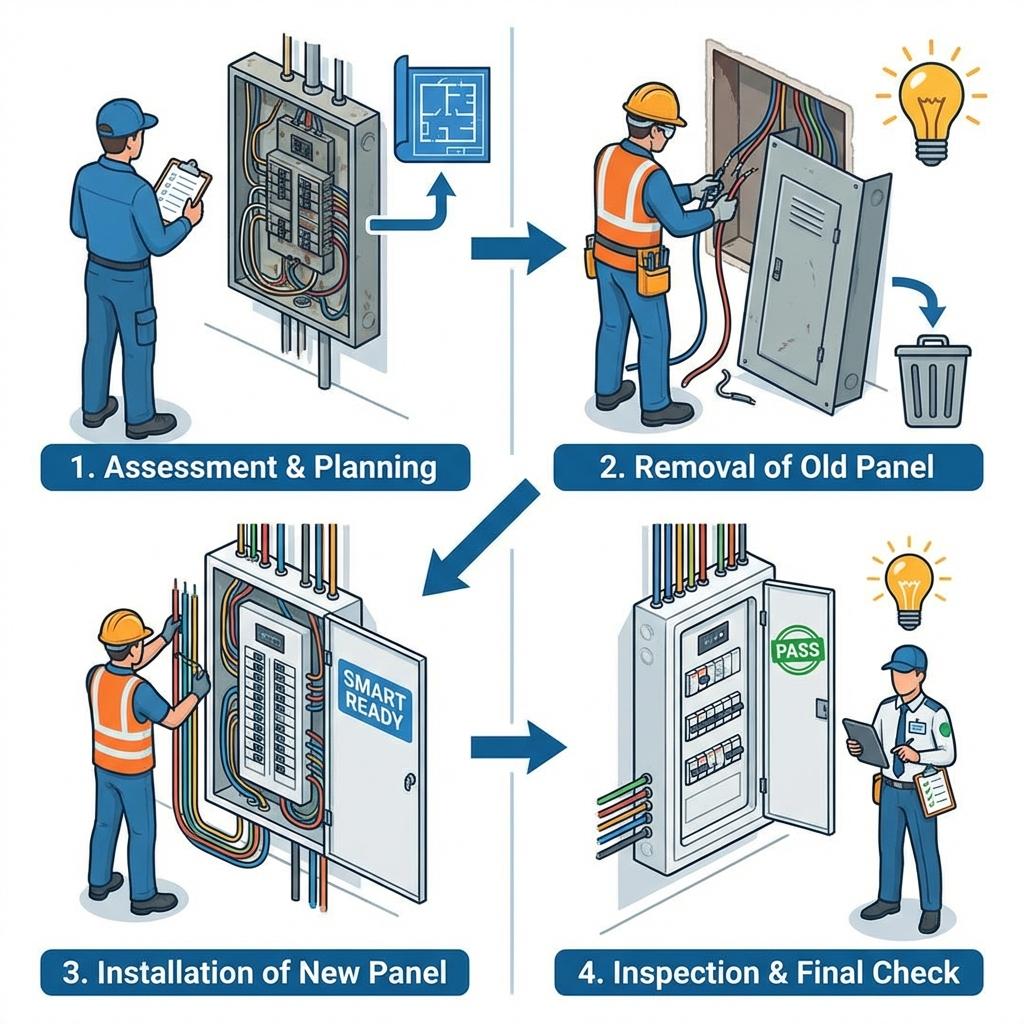
| Obsolete or moisture-damaged enclosure (FPE Stab-Lok, Zinsco, fuse box, internal rust) | Documented breaker-trip/busbar design vulnerability or water intrusion along the service cable | Same-amp panel replacement, or a 200A service upgrade if capacity is also low; both use the published 200A package ($3,500–$7,500) |
| Capacity & space bottlenecks (100A service with new EV/heat pump, double-tapped lugs) | Insufficient service amperage or no remaining listed breaker spaces | A subpanel when service capacity is adequate (quoted after review), or a 200A service upgrade ($3,500–$7,500) |
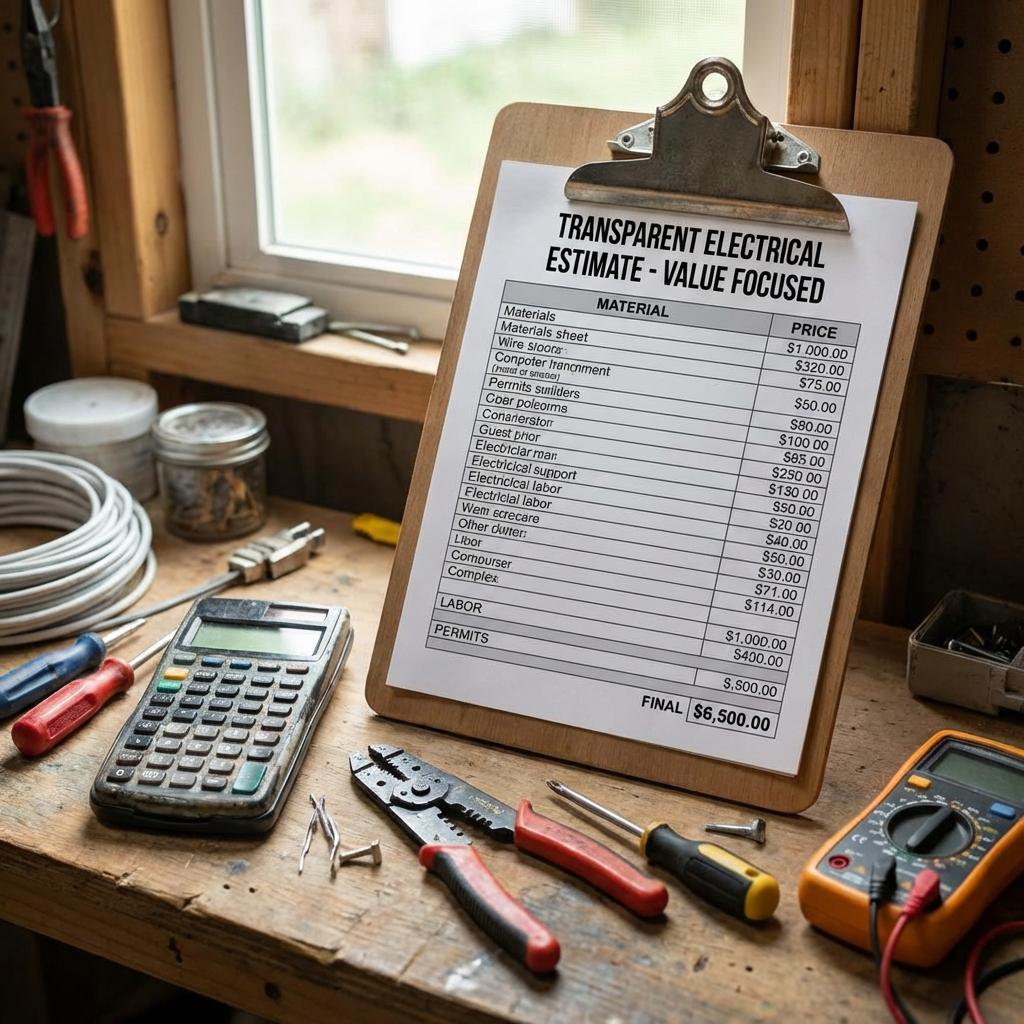
The published 200A panel package is $3,500–$7,500 for a 200A service upgrade or a same-amp panel replacement. Permit, basic surge protection and Dominion coordination are included in the published 200A panel package. An outdoor emergency disconnect is included when the job requires one, as on a new service or a service upgrade. A like-for-like panel replacement in Virginia does not require one.
1. Frequent Circuit Breaker Trips
A circuit breaker is an overcurrent protective device designed to open when current exceeds the circuit rating or when a short circuit or ground/arc fault occurs. If a single kitchen or bathroom breaker trips when two high-wattage appliances run simultaneously, the issue is often a branch-circuit overload rather than a bad main panel. However, if multiple breakers trip across the home, or the main breaker trips when central air conditioning, laundry, or cooking equipment cycles on, your service capacity or main breaker assembly needs an on-site load and thermal check. See our breaker keeps tripping troubleshooting guide for circuit-by-circuit checks.
Safety Priority: If you notice a burning odor, visible smoke, scorch marks, or melting around the panel cover, do not remove the dead-front cover. If you can safely do so without standing on a wet floor, switch off the main breaker and call a licensed electrician or emergency responders if active smoke is present.
2. Flickering or Dimming Lights Under Load
A brief dip when a high-locked-rotor compressor starts can happen even on a healthy service, but persistent dimming or lights that brighten on one part of the house while dimming on another can point to a loose service or feeder neutral, corroded meter jaws, or oxidized busbar stabs. Because a loose neutral on a 120/240V split-phase service creates unbalanced voltages that can damage appliance control boards, have an electrician test line-to-neutral voltage under load rather than assuming the bulb or dimmer switch is at fault.
3. Burning Smell, Scorch Marks, or a Warm Panel Door
Load center enclosures should remain near ambient room temperature. Heat, acrid plastic odors, or browned paint around the door latches indicate resistance heating at a breaker stab, main lug, or neutral bar termination. Once insulation or bus plating has overheated, tightening the screw rarely restores a reliable contact surface — the affected bus or panel assembly must be evaluated for replacement.
4. Fuse Boxes and 60-Amp Services
Pre-1960s homes in Arlington, Alexandria, Falls Church, and inside-the-Beltway Fairfax neighborhoods occasionally still rely on Edison-base fuse panels or 60-amp pull-out disconnects. Beyond limited capacity, the primary hazard in older fuse boxes is over-fusing — threading a 25- or 30-amp fuse into a 15-amp branch circuit, which allows the concealed branch wiring to overheat without blowing the fuse.
5. Federal Pacific Electric (FPE) Stab-Lok or Zinsco Panels
Federal Pacific Stab-Lok and Zinsco (later GTE-Sylvania) panels installed between the 1950s and 1980s have well-documented mechanical and busbar vulnerabilities. Independent testing and the CPSC's 1983 FPE investigation record documented two-pole breaker calibration and latching concerns, while Zinsco panels frequently suffer from aluminum busbar corrosion and breaker-to-bus fusing. Learn how to identify both brands in our Federal Pacific and Zinsco guide and FPE panel replacement service page.
6. Adding Level 2 EV Charging, Heat Pumps, or Hot Tubs
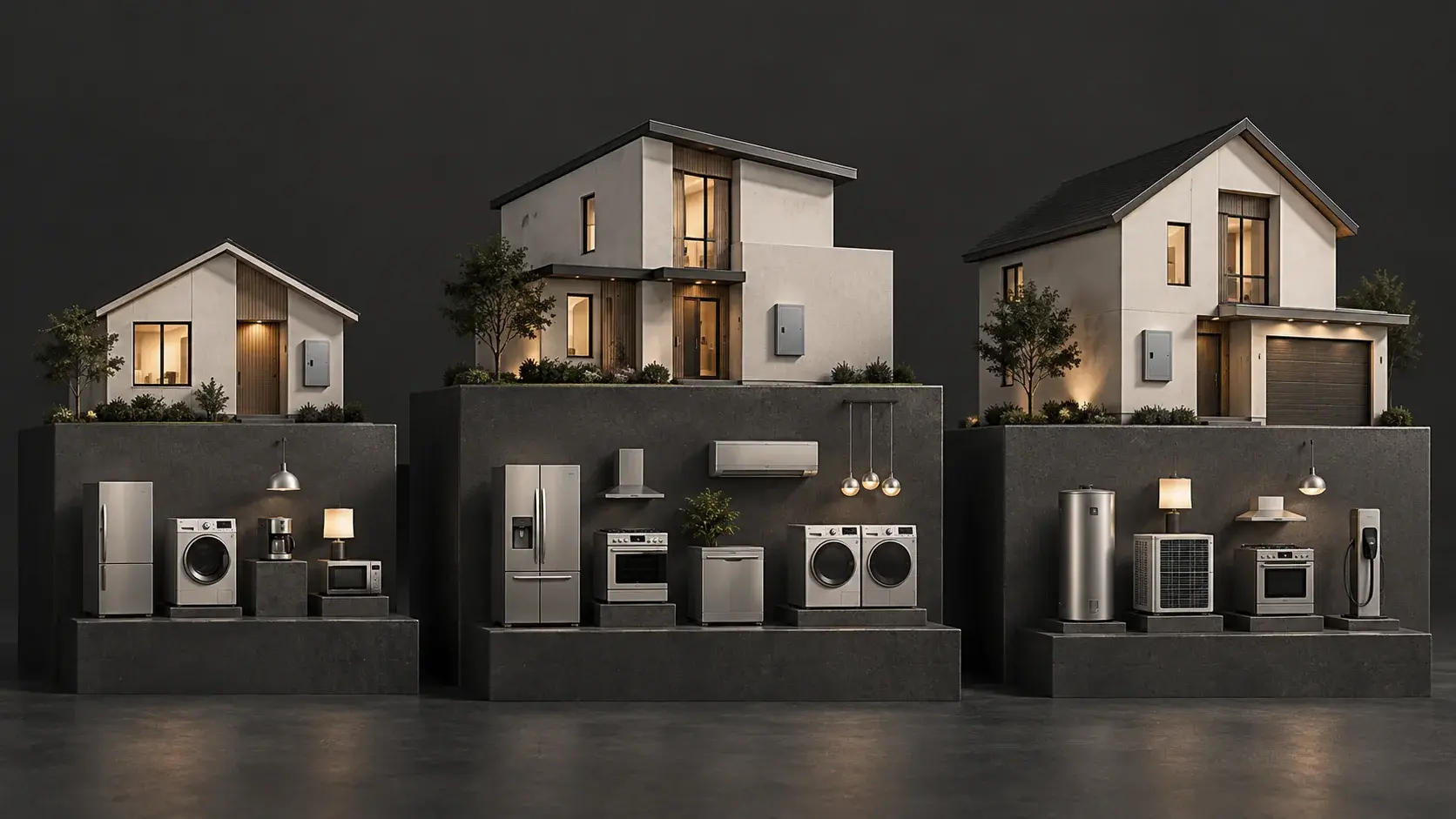
Major continuous loads — such as a 40A–48A Level 2 EV charger, an electric heat pump with auxiliary heat strips, or a 50A–60A hot tub feeder — change your home's NEC Article 220 demand calculation. A 100-amp service is not automatically disqualified from EV charging if load management or a lower commissioned output fits your daily driving, but many 100-amp homes upgrading both HVAC and vehicle charging benefit from moving to a 200-amp service. Compare options in our 100A vs. 200A vs. 400A service guide.
7. Aging Equipment Over 25–40 Years Old
Circuit breakers contain calibrated thermal bimetallic strips and magnetic trip mechanisms paired with mechanical springs and lubricants. After three to four decades, particularly in damp basements, garages, or exterior enclosures, trip mechanisms can stiffen and replacement breakers listed for the enclosure may no longer be manufactured at reasonable cost.
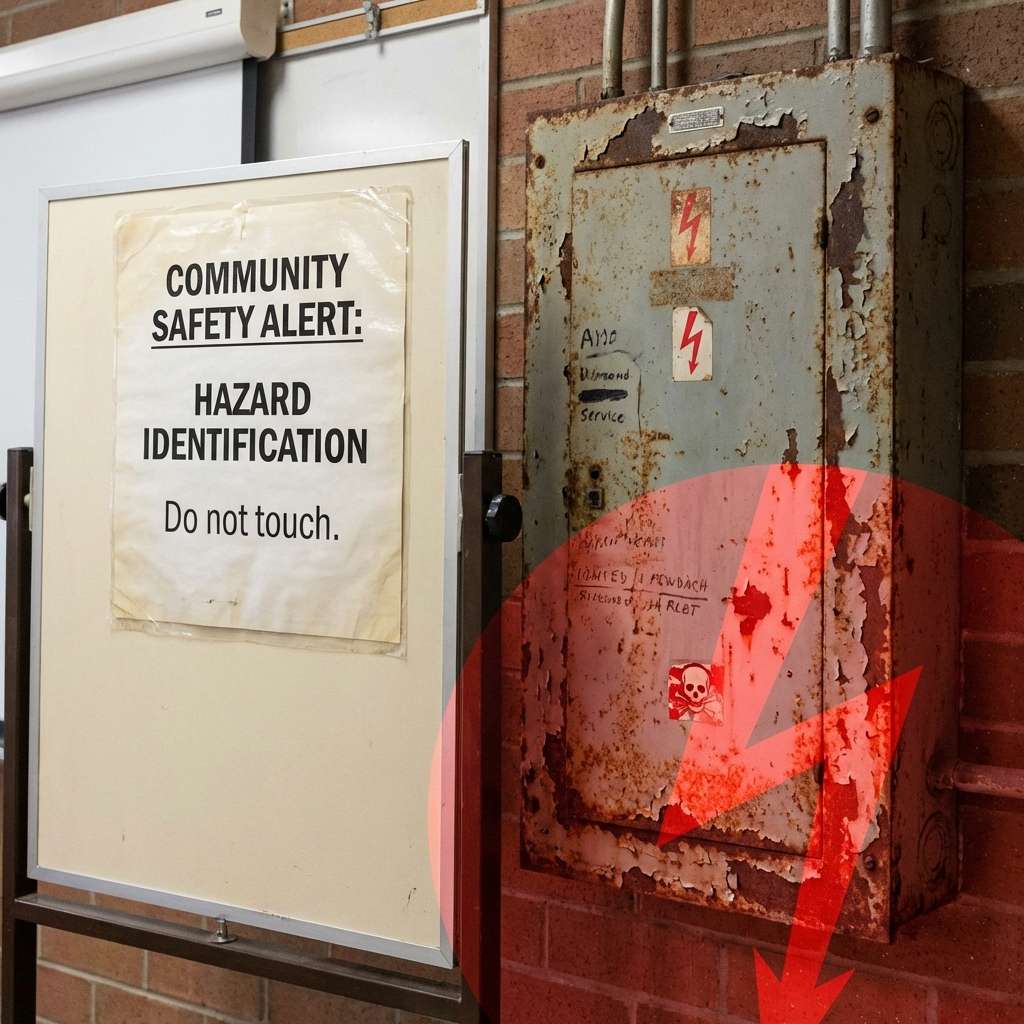
8. Rust, White Powder Oxidation, or Water Tracks Inside the Cabinet
Water frequently enters a panel when an exterior service-entrance cable jacket cracks above the meter or weatherhead and channels rainwater down the conductors into the top of the enclosure. White chalky oxidation on aluminum neutral lugs or rust flakes on the bottom pan require sealing or replacing the exterior service cable as well as replacing the water-damaged load center.
9. Home Additions, Kitchen Remodels, and Basement Finishing
Current Virginia Uniform Statewide Building Code requirements mandate dedicated small-appliance, laundry, bathroom, and kitchen circuits along with dual-function AFCI/GFCI protection that requires full-size breaker slots. Even when total service amperage is sufficient, a remodel often outgrows a 20- or 24-space panel and calls for either a 40-space replacement or a dedicated distribution subpanel.
10. Double-Tapped Breakers and Tandem Workarounds
Terminating two branch-circuit conductors under a single breaker lug that is listed for only one wire ("double-tapping") creates uneven clamping pressure, leading to loose connections and localized heating.Read our double-tapped breaker guide to see how electricians correct crowded terminations using pigtailed splices, listed dual-conductor lugs, or a subpanel.
Schedule a Free Panel Replacement or Upgrade Estimate
If your panel shows any of these warning signs, start by matching your equipment to our published panel prices or our Fairfax panel upgrade hub. Scheduled estimates for panel replacements and service upgrades are free. Call (571) 444-6886 or book an estimate online.