
Electrical Insights
Electrical Tips & Guides
Expert advice from licensed electricians serving Northern Virginia. Stay informed about EV charging, panel upgrades, smart home technology, and electrical safety.
Latest Articles — Page 2 of 10
Home Safety
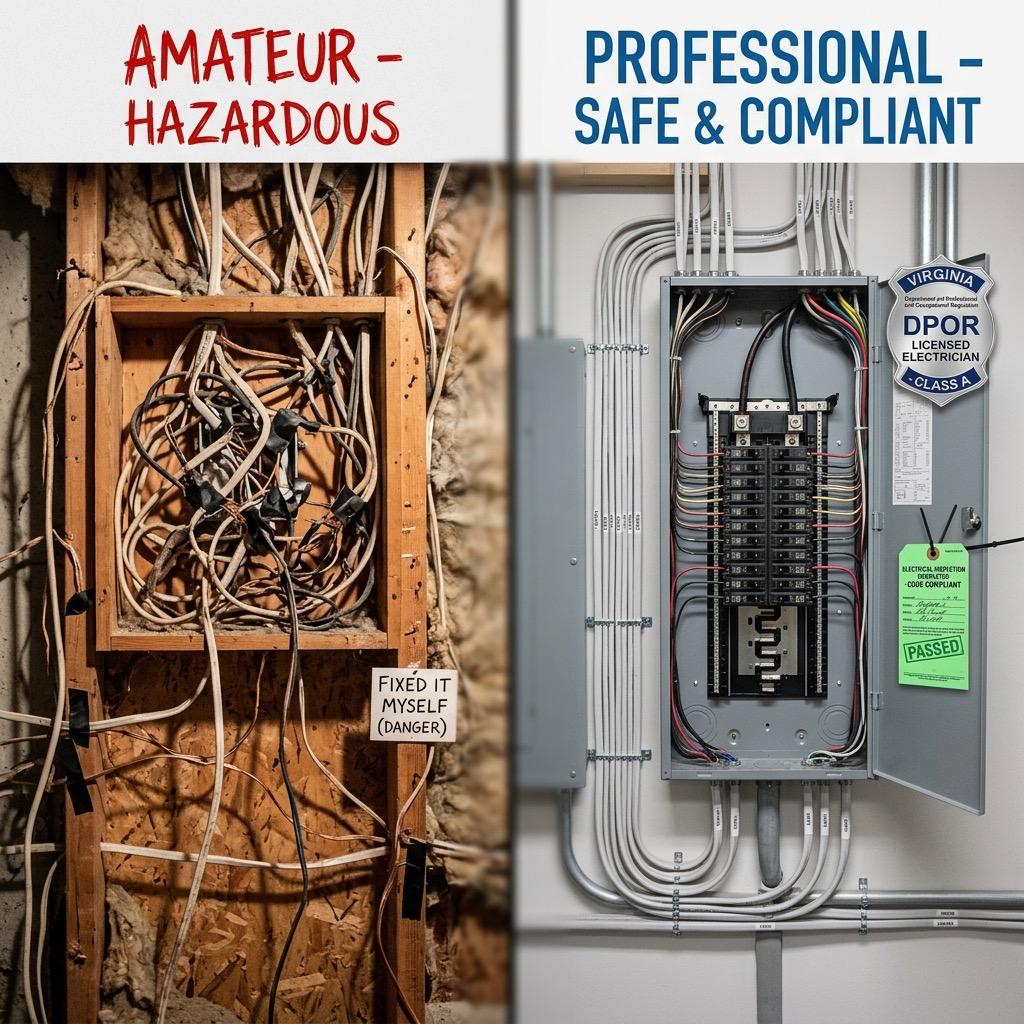
Licensed vs Unlicensed Electricians in Virginia: Risks You Need to Know
Hiring an unlicensed electrician in Virginia is never worth the risk. Learn the legal, financial, and safety consequences -- and how to protect yourself before you hire.
9 min read
Read 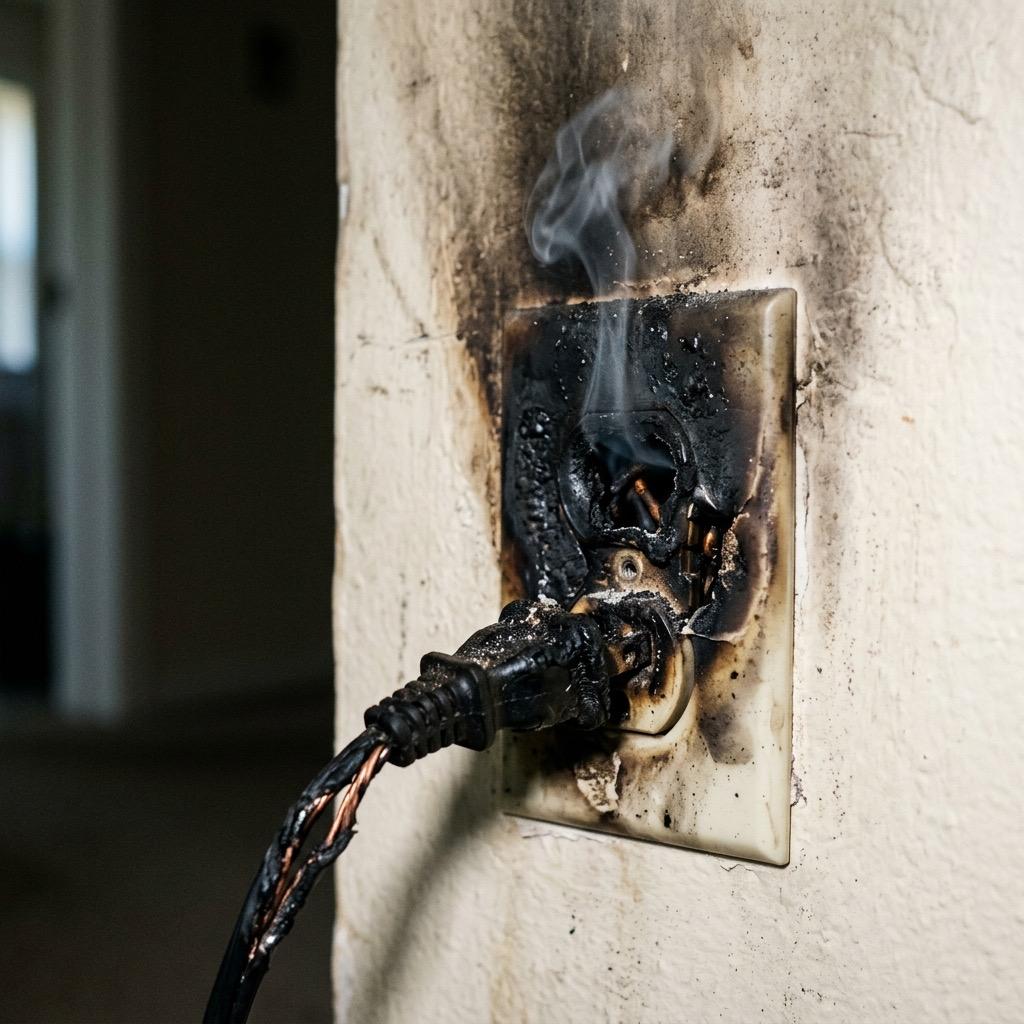
Home Safety
Burning Smell from Outlet? Emergency Steps for Northern Virginia Homeowners
What to do when an outlet smells burned: recognize a possible fire, avoid unsafe testing, keep the circuit out of service, and arrange professional assessment.
5 min read
Read 
Generators
Do I Need Backup Power in Northern Virginia? 5 Questions to Decide
Backup power is a meaningful investment. These 5 diagnostic questions help Northern Virginia homeowners decide whether they need a battery power station or a portable generator hookup - and which fits best.
8 min read
Read 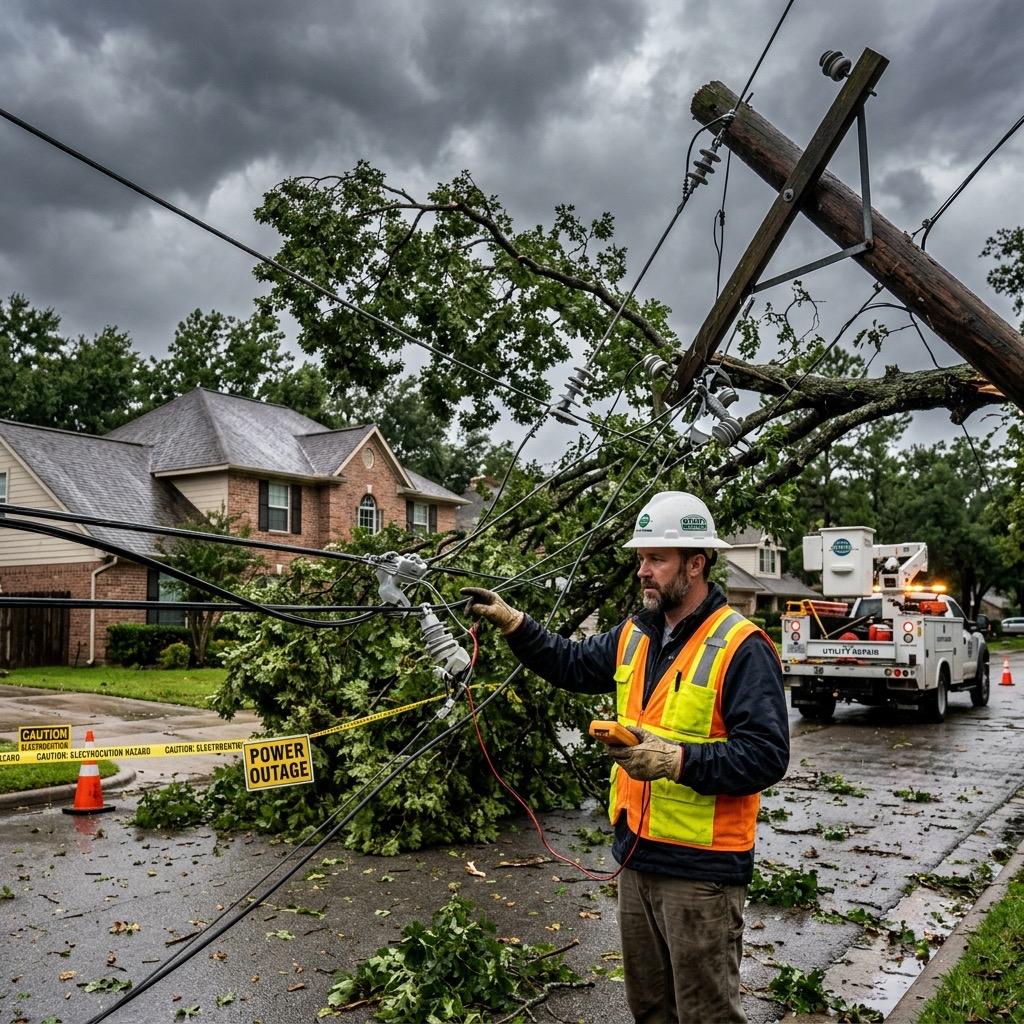
Home Safety
Storm Damage Electrical Repair in Loudoun County: Response Times & Costs
Thunderstorms, derechos, and nor'easters routinely damage electrical systems across Loudoun County. Here's what storm-related electrical damage looks like, realistic repair costs, how insurance works, and who responds fastest.
9 min read
Read 
LED vs Fluorescent Lighting for Commercial Spaces in Northern Virginia
Comparing LED and fluorescent lighting for commercial spaces in Northern Virginia? This guide covers energy savings, maintenance costs, light quality, and the ROI of switching from T8 or T12 fluorescent to LED for offices, warehouses, and retail in the DMV region.
9 min read
Read 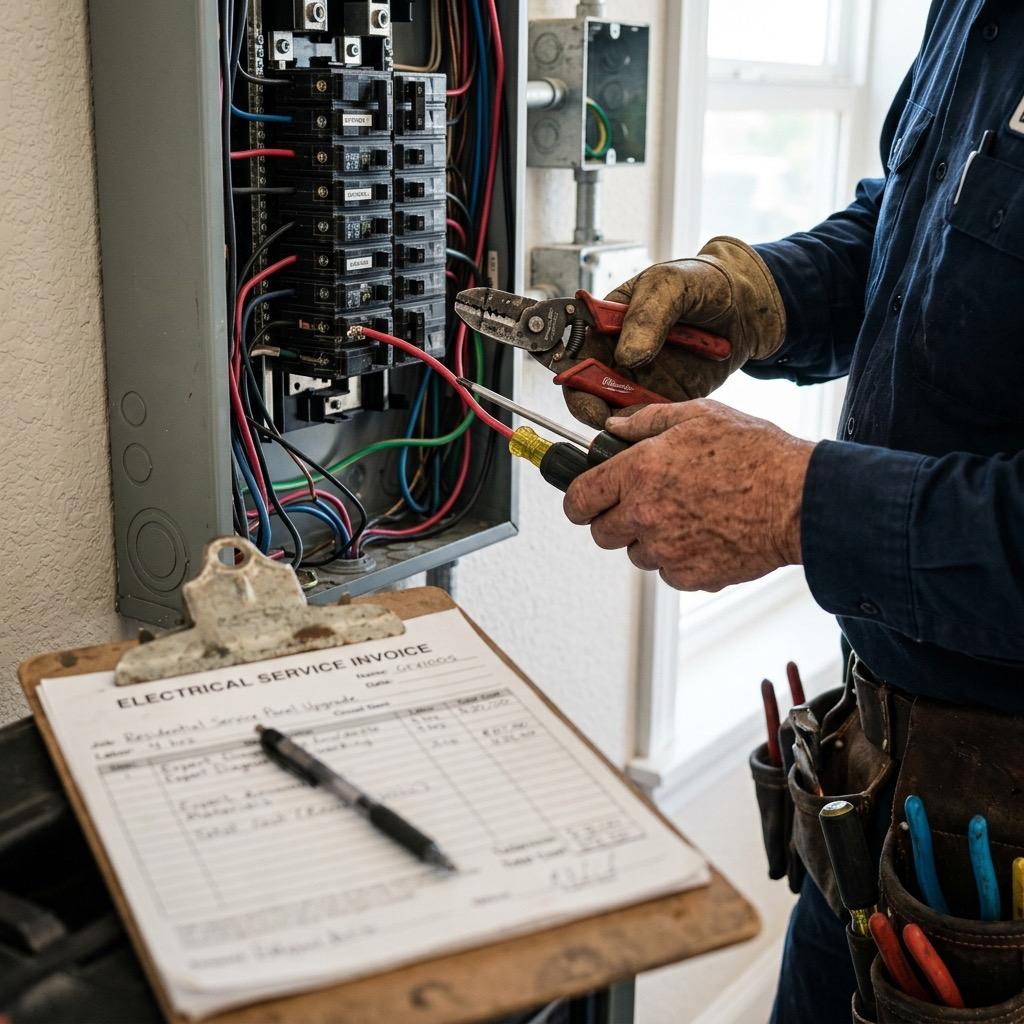
Electrician Hourly Rates in Virginia: How to Compare the Full Cost
Compare minimum charges, diagnostic time, project scope and warranty terms. Includes AJ Long Electric’s published rates and free-estimate policy.
4 min read
Read 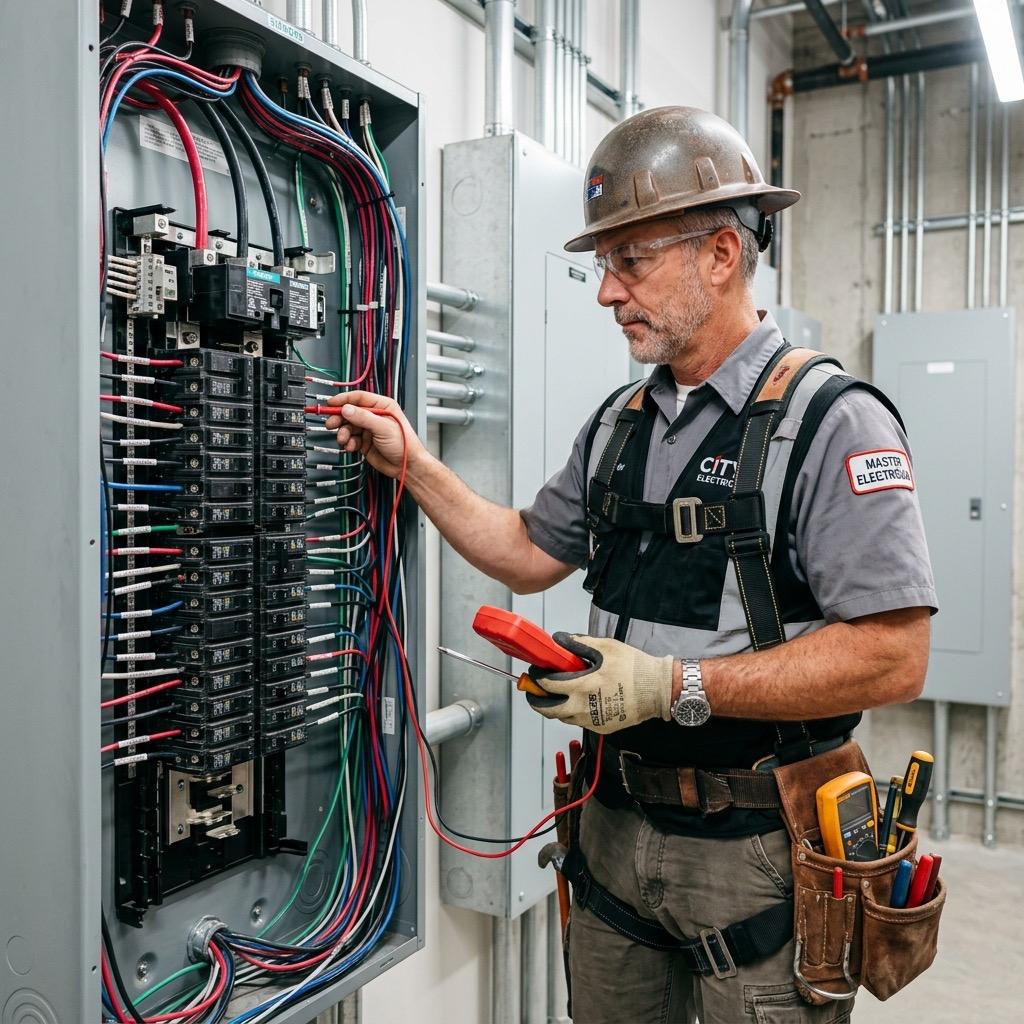
Home Safety
What Makes a Great Electrician? A Master Electrician's Perspective
What separates good electricians from great ones? AJ Long Electric's master electrician breaks down the qualities, habits, and standards that define true excellence in the trade.
9 min read
Read 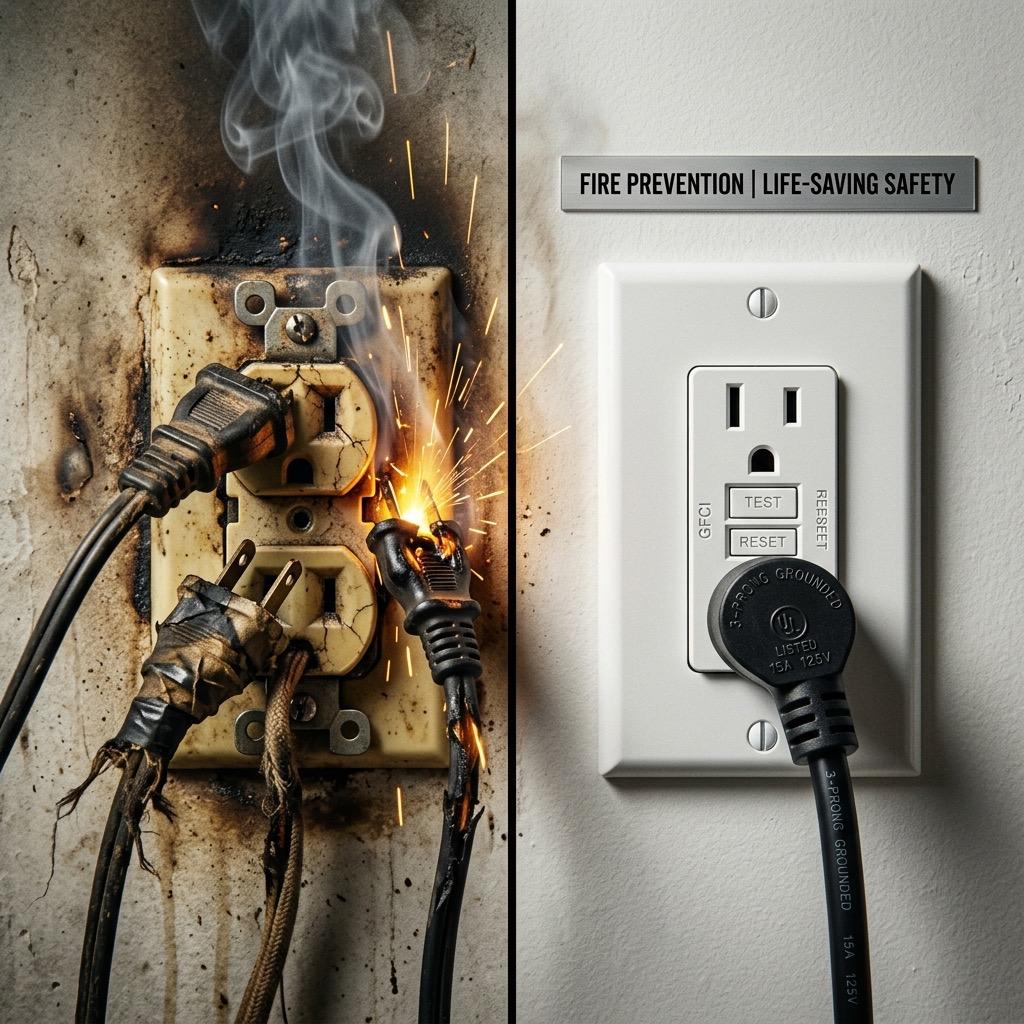
Home Safety
Electrical Fire Prevention: A Northern Virginia Homeowner's Guide
Electrical fires kill hundreds of Americans each year and destroy billions in property — and Northern Virginia's aging housing stock creates specific risks. This comprehensive guide covers prevention, detection, and what to do if a fire starts.
9 min read
Read 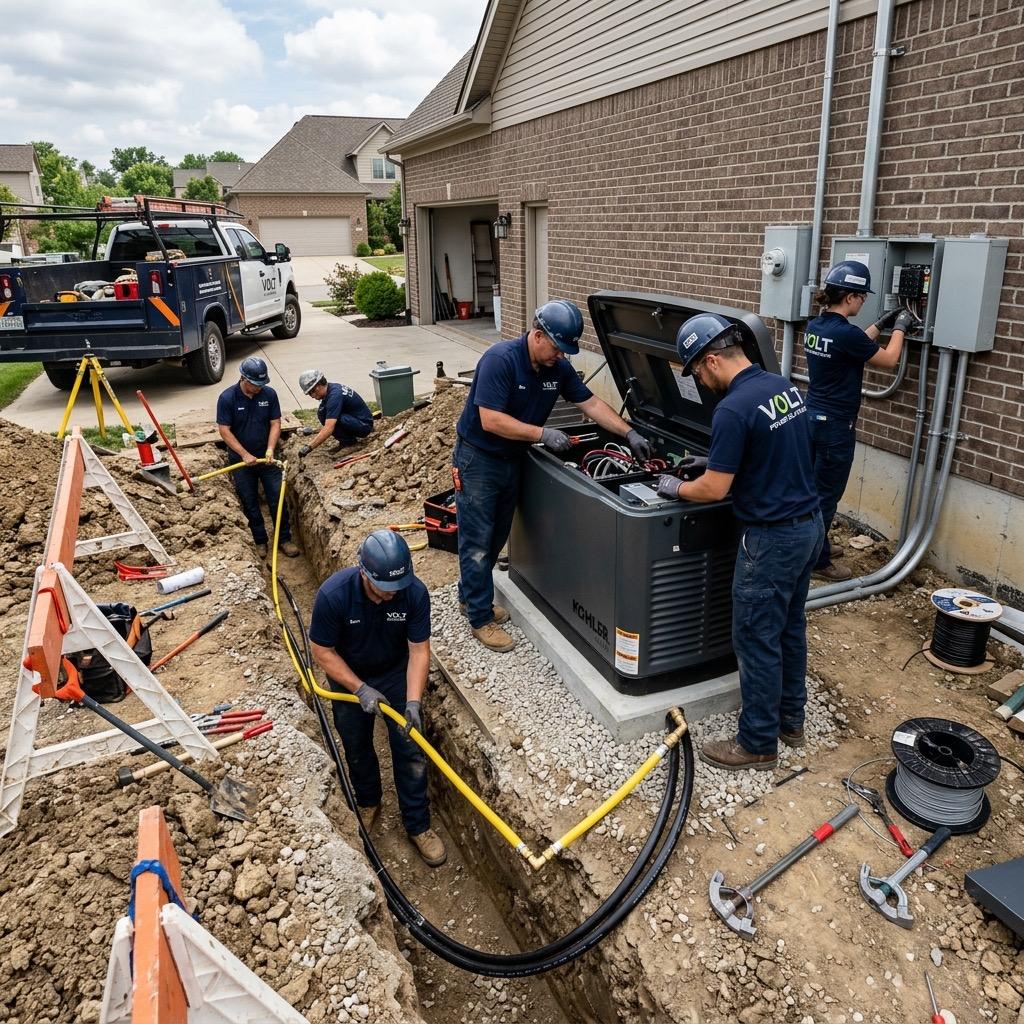
Generators
Backup Power Installation Timeline in Loudoun County: Permits & Inspections
Installing backup power in Loudoun County is primarily electrical work. Learn the assessment, permit, field-work, and inspection sequence and what controls elapsed time.
8 min read
Read 
Home Safety
Power Outage in Northern Virginia? Here's What to Check Before Calling an Electrician
Before you call an emergency electrician for a Northern Virginia power outage, run through this quick checklist. Many outages have simple fixes — others signal a genuine electrical emergency that needs immediate professional attention.
9 min read
Read 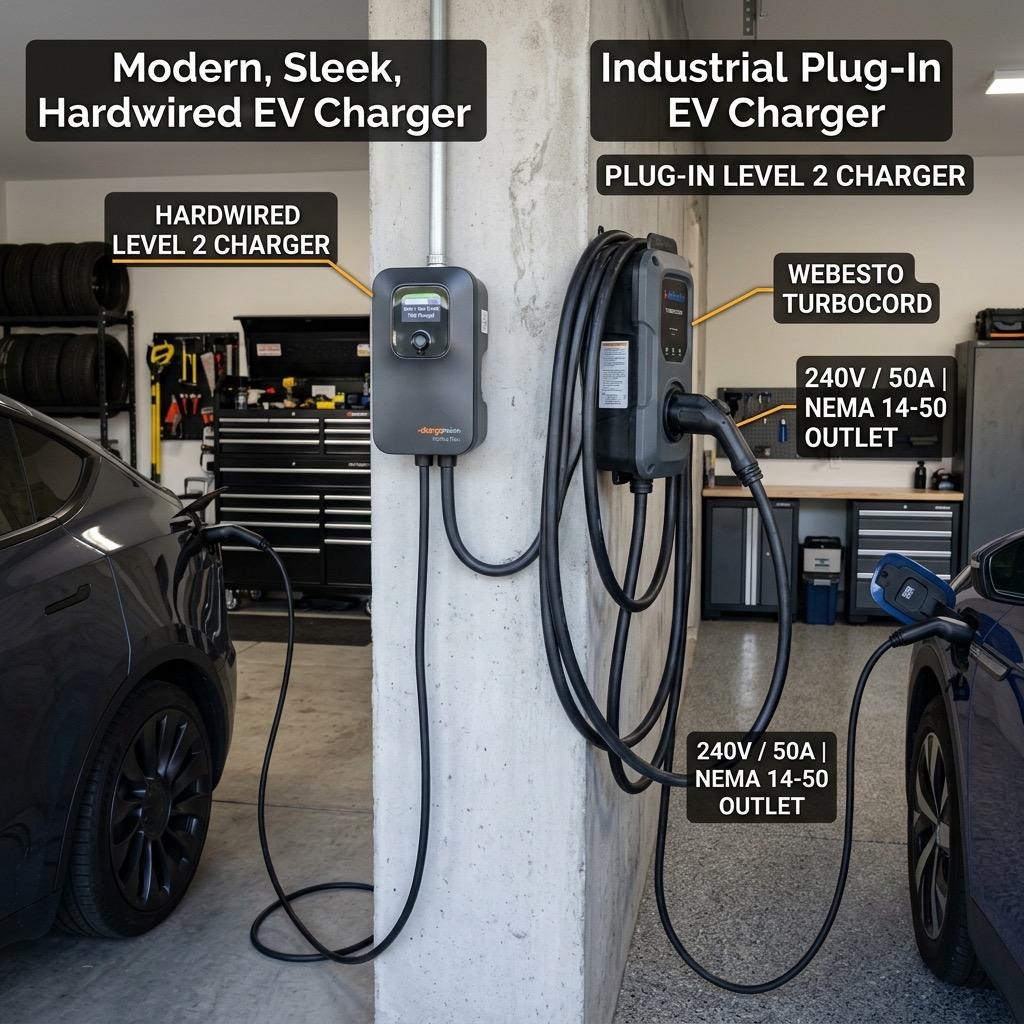
Hardwired vs Plug-In EV Charger: Pros, Cons & Costs in Virginia
Choosing between a hardwired and plug-in EV charger installation in Virginia? This guide covers charging speed, installation costs, NEC code requirements, and which approach makes sense for homeowners across Northern Virginia.
9 min read
Read 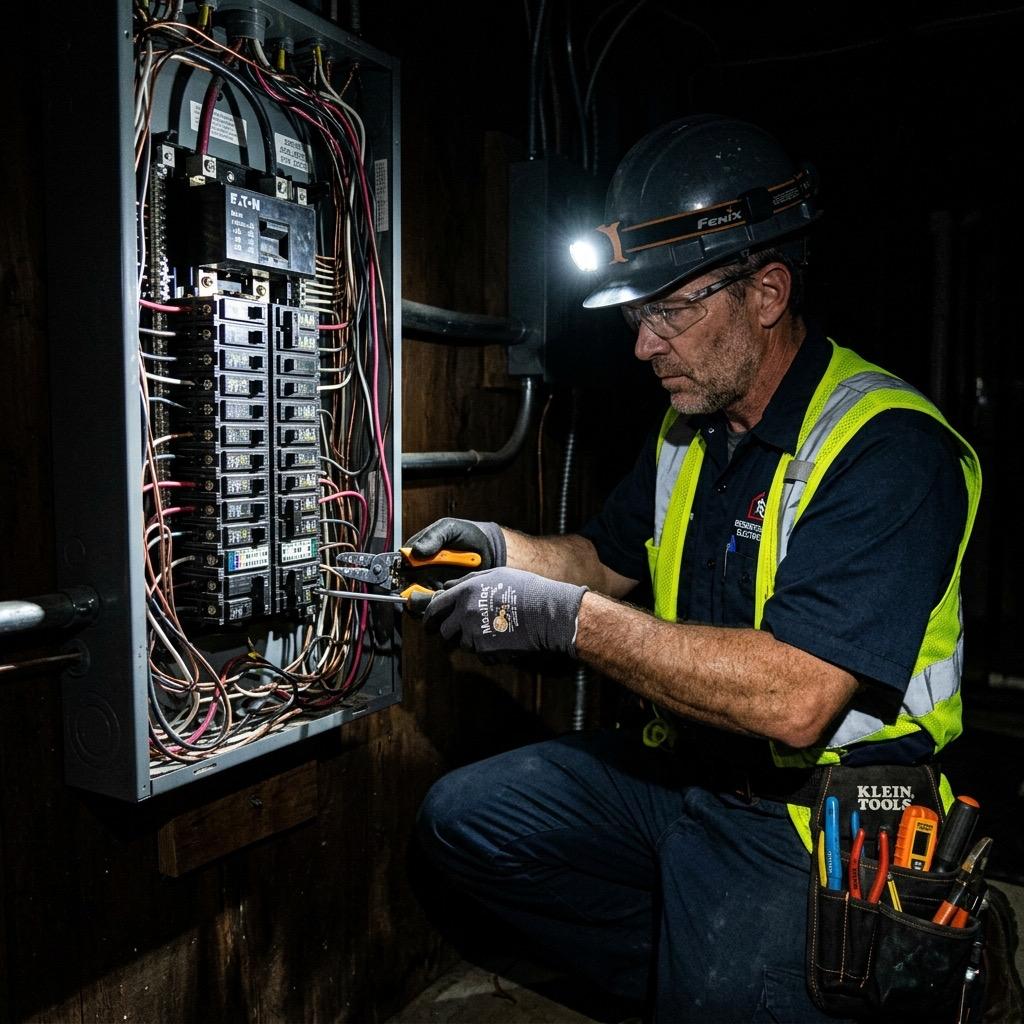
Home Safety
Emergency Electrical Repair in Arlington: When to Call 911 vs an Electrician
Facing an electrical problem in Arlington, VA? Learn exactly when to call 911 versus an emergency electrician, what each scenario looks like, and how AJ Long Electric responds to Arlington emergencies around the clock.
9 min read
Read 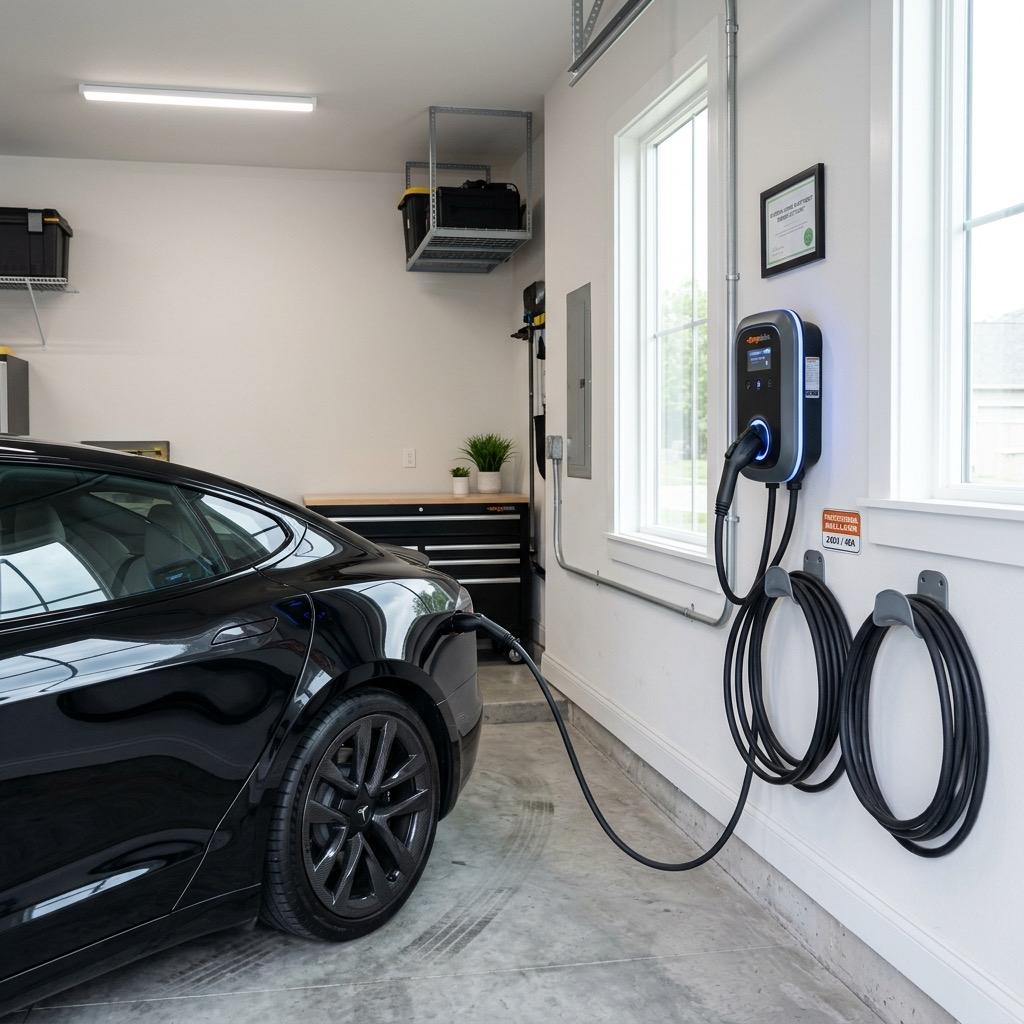
EV Charger Installation Cost in Northern Virginia: Level 1 vs Level 2 vs Level 3
Residential Level 2 pricing, panel-capacity decisions, equipment responsibility, and the current Section 30C status for Northern Virginia homeowners.
8 min read
Read 
Generators
How Much Does Backup Power Cost in Northern Virginia? Complete 2026 Pricing Guide
Backup-power planning starts at $900–$2,500 for a complete portable-generator hookup, $2,500–$6,000 for a portable battery setup, and $6,000–$15,000+ for whole-home battery integration.
8 min read
Read 
Spring Electrical Maintenance Checklist: Prepare Your Home for the New Season
Spring is the perfect time to assess your home electrical system after winter stress. Use this comprehensive checklist to identify issues, improve safety, and prepare for summer electrical demands.
4 min read
Read 
Home Safety
10 Questions to Ask Before Hiring an Electrician in Fairfax County
Protect your home and budget with these 10 essential questions every Fairfax County homeowner should ask before hiring an electrician. Know the right answers before you sign.
9 min read
Read 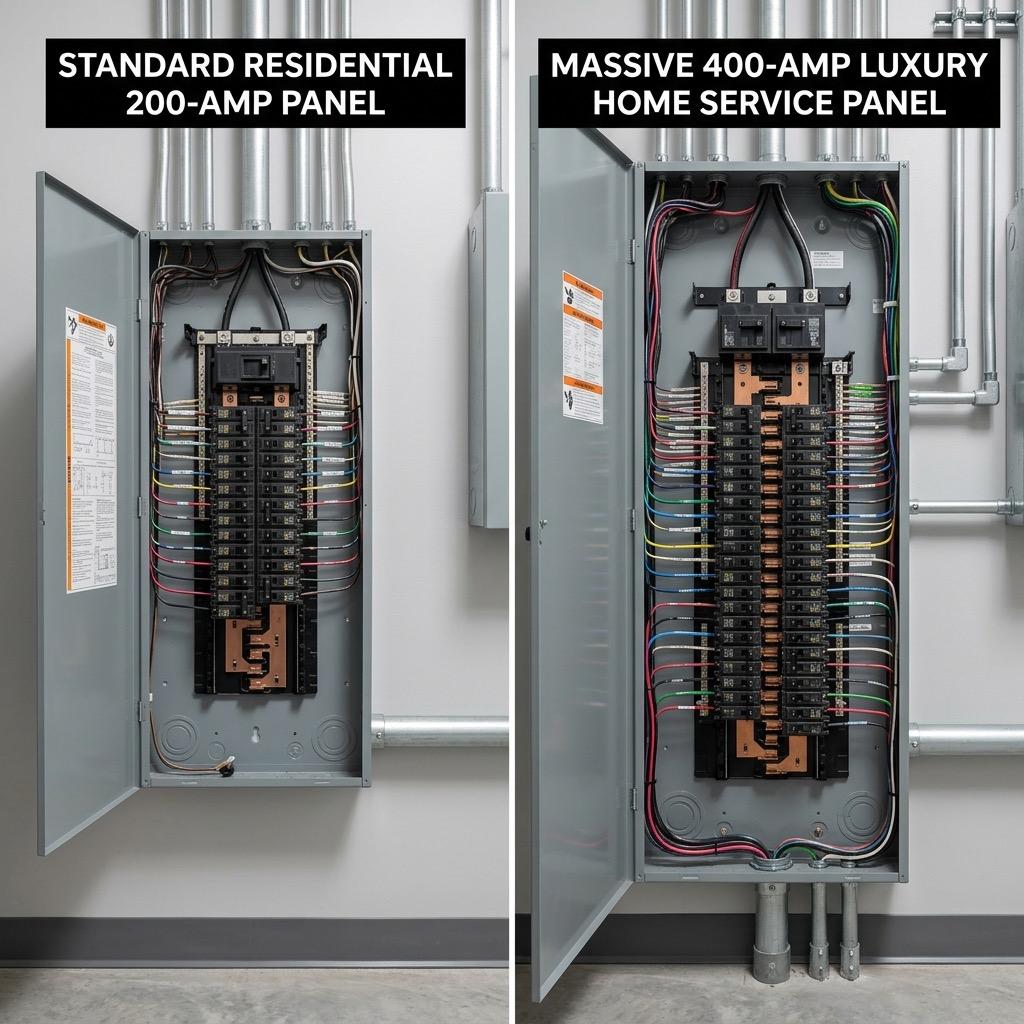
200 Amp vs 400 Amp Panel Upgrade: Which Does Your Northern Virginia Home Need?
Deciding between a 200-amp and 400-amp electrical panel upgrade for your Northern Virginia home? This guide breaks down capacity requirements, costs, and when each service size makes sense for modern households.
9 min read
Read Generators
Portable Generator vs Battery Power Station: Which Is Right for Your Fairfax Home?
Fairfax County homeowners choosing backup power weigh two good options: a portable generator hookup and a battery power station. This head-to-head covers cost, runtime, safety, noise, and local install details so you can make the right call.
8 min read
Read 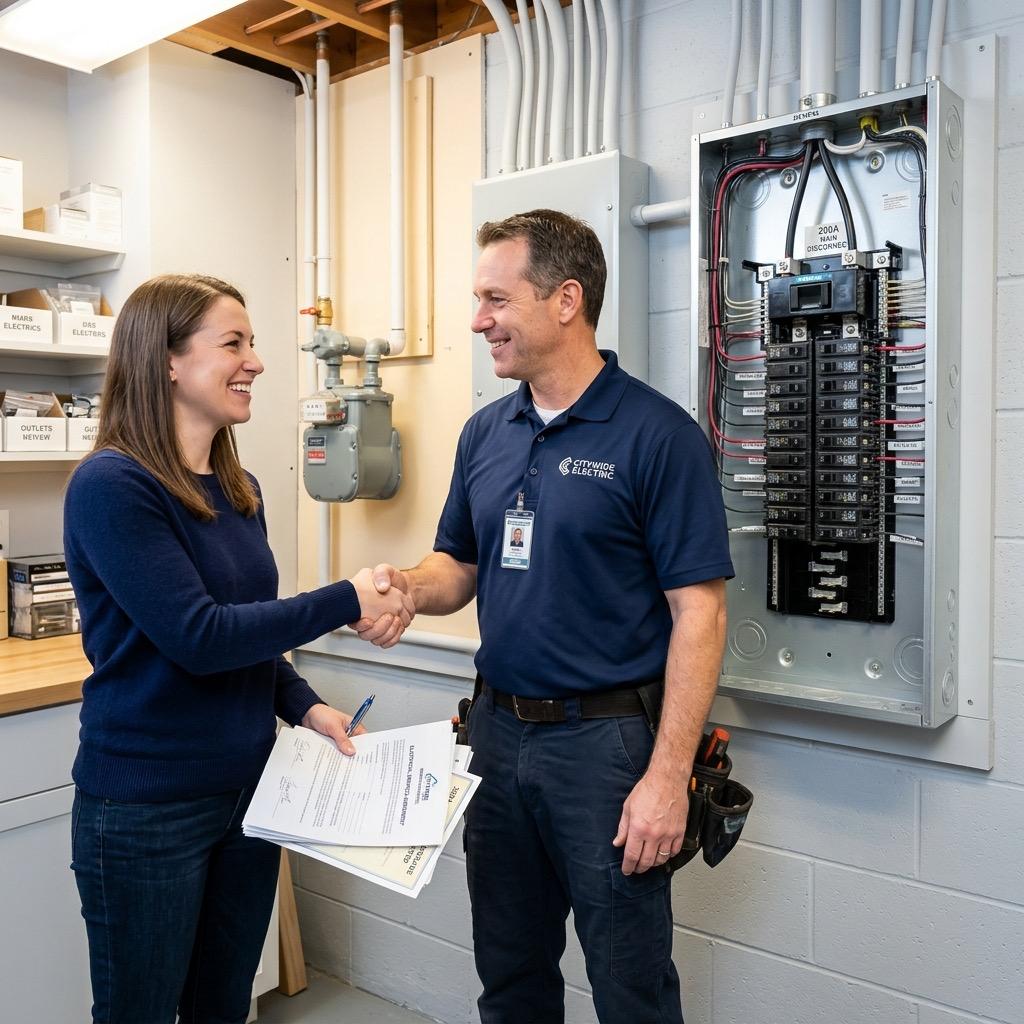
Panel Upgrade Cost in Fairfax, Arlington & Loudoun: Planning Guide
Plan a Northern Virginia 200-amp panel upgrade within the published $3,500–$7,500 range and learn which site, utility, permit, and access details determine the written scope.
8 min read
Read 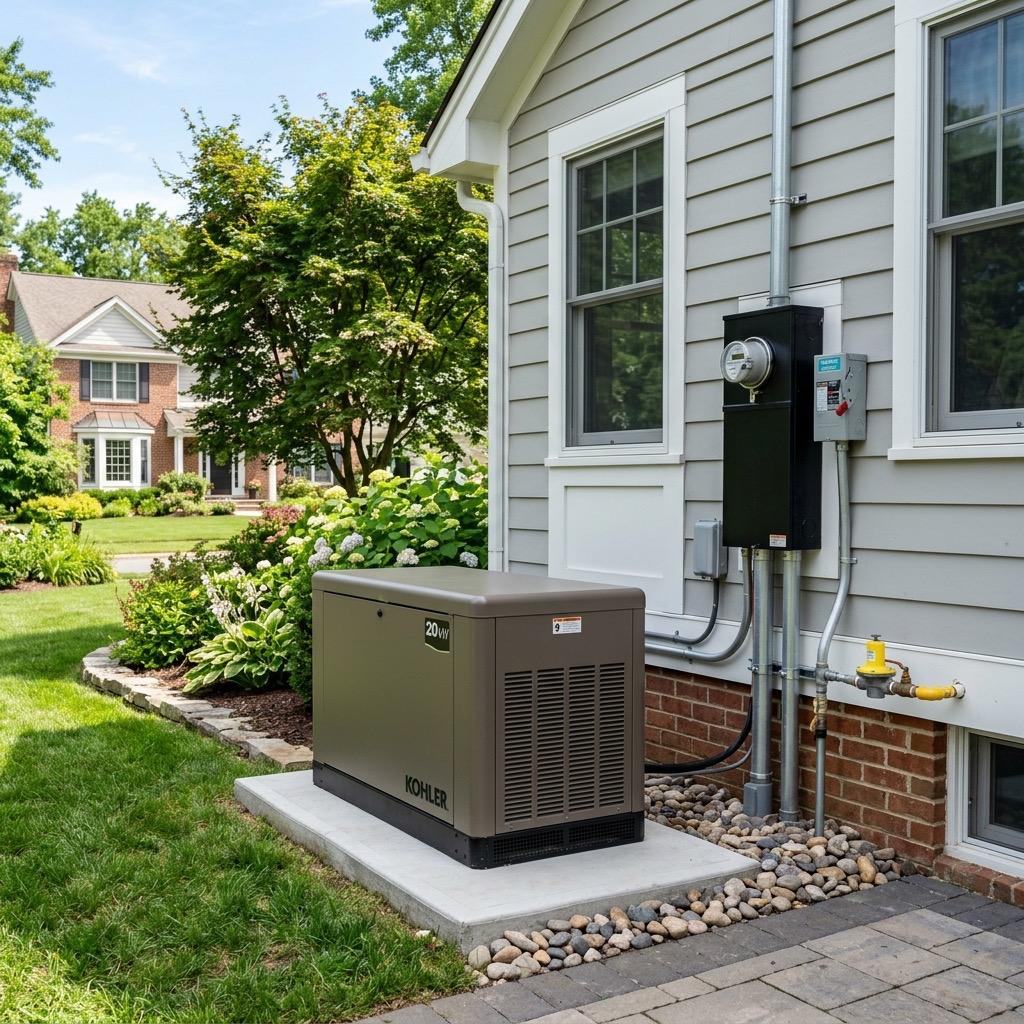
Generators
Best Portable Generators and Battery Power Stations for Northern Virginia (2026 Guide)
Northern Virginia homeowners face unique power reliability challenges — from summer derecho storms to winter ice events. Here are the best portable generators and battery power stations for Northern Virginia homes in 2026, with recommendations by home size, runtime, and budget.
8 min read
Read 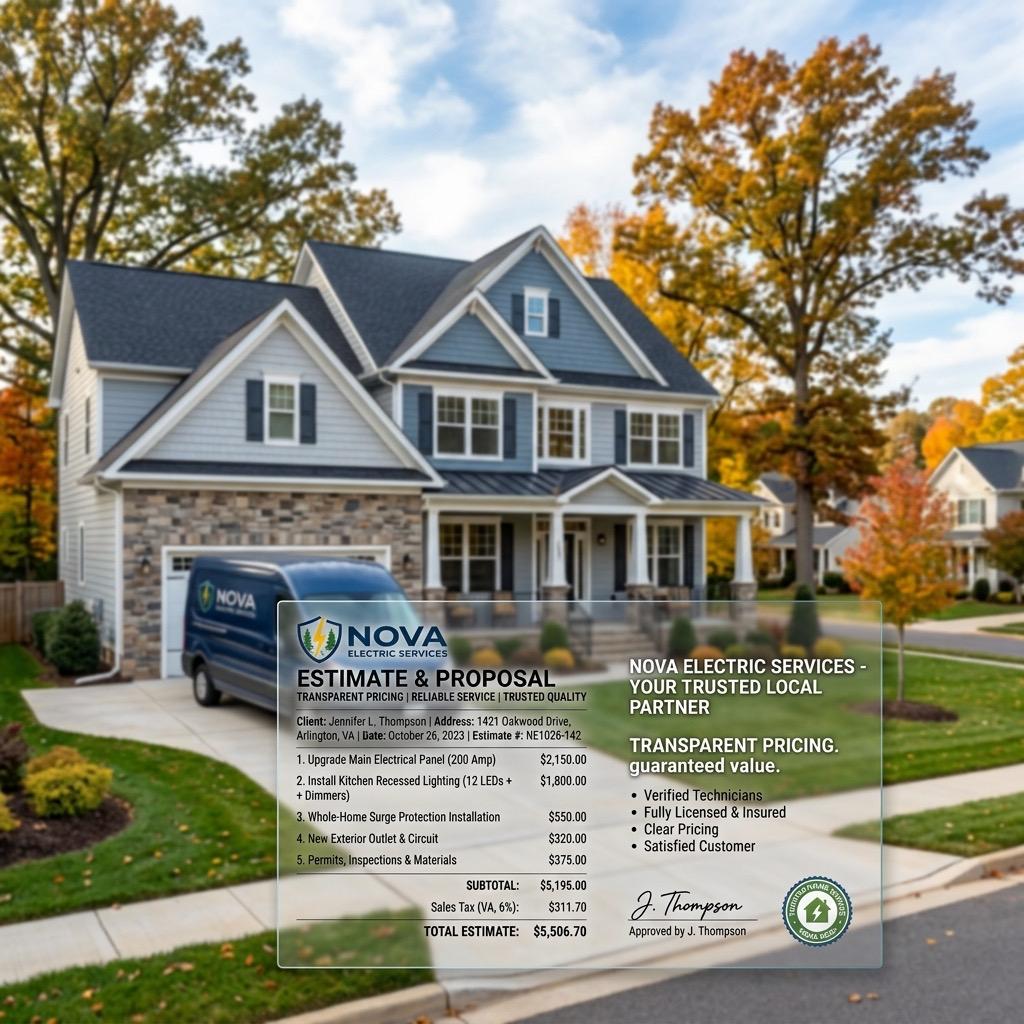
2026 Electrical Service Costs in Northern Virginia: Complete Price Guide
Get the most current 2026 pricing data for every major electrical service in Northern Virginia, from outlet installation to full rewires. Specific costs for Fairfax, Arlington, Loudoun, and Prince William counties.
8 min read
Read 
Spring Outdoor Electrical Projects: Enhance Your Outdoor Living Space
Spring is the ideal time for outdoor electrical improvements. From landscape lighting to outlet additions, these projects enhance your outdoor enjoyment throughout the warm months ahead.
3 min read
Read 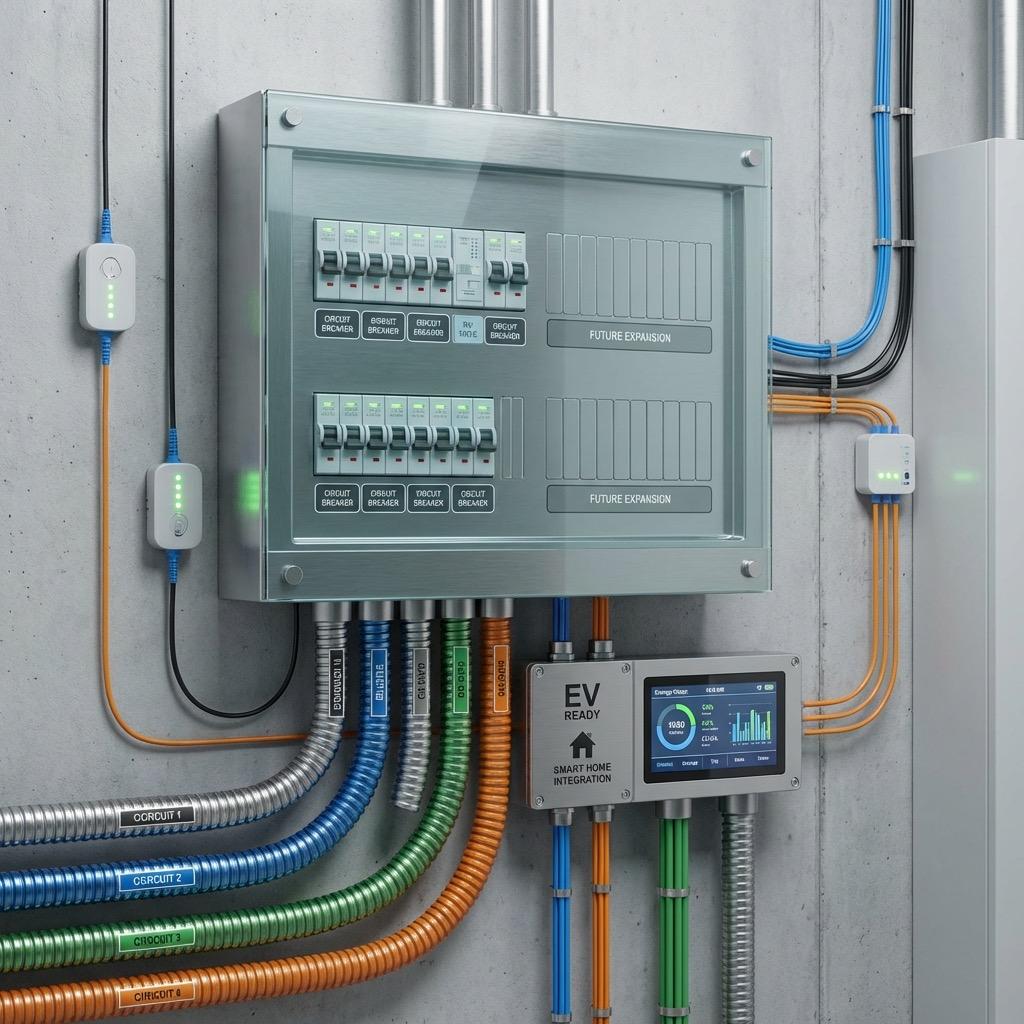
EV Charging
Future-Proofing Your EV Charger Installation
EV technology evolves quickly. Learn how to install charging infrastructure that will serve you for years to come.
8 min read
Read 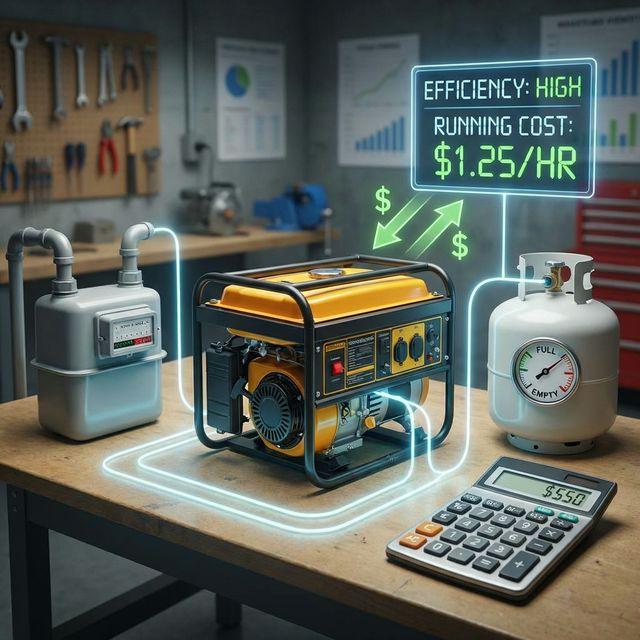
Generators
Backup Power Running Costs: Portable Generator Fuel vs. Battery Recharge
Compare portable-generator fuel and engine inputs with battery recharge energy, losses, utility rates, capacity, maintenance, and equipment costs using current project-specific data.
3 min read
Read Browse by Category
Find articles on the topics that matter most to you.
EV Charging
EV charging covers the Level 2 home chargers and circuits that recharge an electric vehicle from your own garage or driveway. These guides walk Northern Virginia drivers through charger selection, the dedicated 240-volt circuit and panel capacity a home charger needs, permitting, and the install costs to expect. A typical Level 2 setup adds roughly 25 to 40 miles of range per hour of charging.
Panel Upgrades
A panel upgrade replaces an undersized or outdated electrical panel with a modern service that safely powers today's larger loads. These homeowner guides explain when an upgrade is required, how to move from 100-amp to 200-amp service, the warning signs of failing or obsolete panels, and what permitting and inspection involve. Northern Virginia 200-amp upgrades are published at $3,500–$7,500, depending on service, access, and documented extras.
Home Safety
Electrical home safety is the set of practices and devices that prevent shock, fire, and arc-fault hazards in a house. These guides cover GFCI and AFCI protection, smoke and carbon-monoxide detectors, overloaded circuits, aluminum wiring, and the inspections that catch problems early. Faulty wiring contributes to an estimated 45,000 home fires in the U.S. each year, which is why proactive checks matter.
Smart Home
Smart home technology connects lighting, outlets, thermostats, and security to app or voice control through reliable, code-compliant wiring. These articles explain smart switches and dimmers, whole-home automation hubs, structured low-voltage cabling, and the electrical groundwork a dependable smart home needs. Done right, a connected home can trim lighting and HVAC energy use by 10 to 15 percent.
Commercial
Commercial electrical work covers the power systems, lighting, and code compliance that keep offices, retail spaces, restaurants, and multi-unit buildings running. These articles address three-phase service, panel and subpanel design, dedicated circuits for commercial equipment, emergency and exit lighting, and the permitting and NEC inspections that commercial properties must pass. Most commercial projects in Northern Virginia must meet the National Electrical Code on a roughly three-year update cycle, so staying current protects both safety and your certificate of occupancy.
Energy Efficiency
Electrical energy efficiency is the practice of cutting wasted power through better lighting, smarter controls, and well-sized circuits. These guides cover LED retrofits, dimmers and occupancy sensors, energy monitoring, and load management that lowers your bill without sacrificing comfort. Switching from incandescent to LED lighting alone can reduce that lighting load by up to 75 percent.
Generators
Home backup power comes in two practical forms: a portable generator connected safely through a transfer switch, interlock kit, or inlet box, and a battery power station that stores electricity without combustion exhaust. These guides explain generator backfeed and carbon-monoxide precautions, battery sizing in kWh and watts, and the electrical permitting an installation requires. Battery placement, clearance, operating conditions, transfer behavior, and supported loads must follow the exact equipment listing, manufacturer instructions, and approved design.
Lighting
Lighting design pairs the right fixtures, layers, and controls to make a space both functional and inviting. These articles cover interior and exterior lighting, recessed and accent fixtures, landscape and security lighting, dimming systems, and energy-efficient LED upgrades. A well-planned layout typically blends three layers of light, ambient, task, and accent, to balance comfort and utility.
Seasonal
Seasonal electrical care is the year-round maintenance that keeps a home's wiring, outlets, and outdoor circuits safe through changing weather. These guides cover holiday lighting loads, storm and outage preparation, surge protection, and warm- and cold-weather inspections tuned to the Mid-Atlantic climate. A few targeted seasonal checks each year head off the outages and hazards that peak during DMV summer storms and winter cold snaps.
Local Services
Local services are the city- and neighborhood-specific electrical guides for homeowners across Northern Virginia and the greater DMV. These articles cover permitting and inspection rules by jurisdiction, common wiring issues in older local housing stock, and what to expect from a licensed electrician in your community. AJ Long Electric serves more than two dozen cities and towns across Northern Virginia, Maryland, and Washington, D.C.
Cost & Pricing
Electrical cost and pricing guides explain what common projects actually cost and the factors that move the final number. These articles break down pricing for panel upgrades, EV chargers, rewiring, lighting, and service calls, plus how labor, materials, permits, and home age affect a quote. As a benchmark, licensed electrical labor in the Northern Virginia and DMV market typically runs between $90 and $150 per hour.
Comparisons
Comparison guides weigh competing electrical products and approaches side by side so you can choose with confidence. These articles contrast options like 100- versus 200-amp service, hardwired versus plug-in EV chargers, portable generators versus battery power stations, and LED versus traditional lighting, with the trade-offs in cost, safety, and performance laid out plainly. Each comparison names the scenario where one option clearly wins so the decision is straightforward.
FAQ
This FAQ collection gives direct, in-depth answers to the electrical questions Northern Virginia homeowners ask most. The articles explain code requirements, safety concerns, project timelines, permitting, and when to call a licensed electrician, written so a homeowner can act on the answer. Every answer reflects current National Electrical Code guidance and real field experience from licensed DMV electricians.
Need Electrical Help?
Our licensed electricians are ready to help with any electrical project, from EV charger installations to complete panel upgrades.